

So, you know those coffee cups we grab on the go? The ones we use for like, ten minutes and then toss? Turns out, they’re a pretty big deal for the planet. We’re talking mountains of waste and a whole lot of resources used up. But what if there was a better way? We’re going to look at why switching to non disposable cups isn’t just a trend, it’s a smart move for everyone.
Key Takeaways
- Switching to non disposable cups drastically cuts down on landfill waste, as single-use cups take ages to break down.
- Using reusable cups saves money in the long run, with many cafes even offering discounts for bringing your own.
- Non disposable cups often keep your drinks hotter for longer and can even make them taste better.
- Companies using non disposable cups show they care about the environment, which looks good to customers and employees.
- The idea behind non disposable cups fits into a bigger plan for a circular economy, where things are made to last and materials get reused.
Environmental Advantages Of Non Disposable Cups
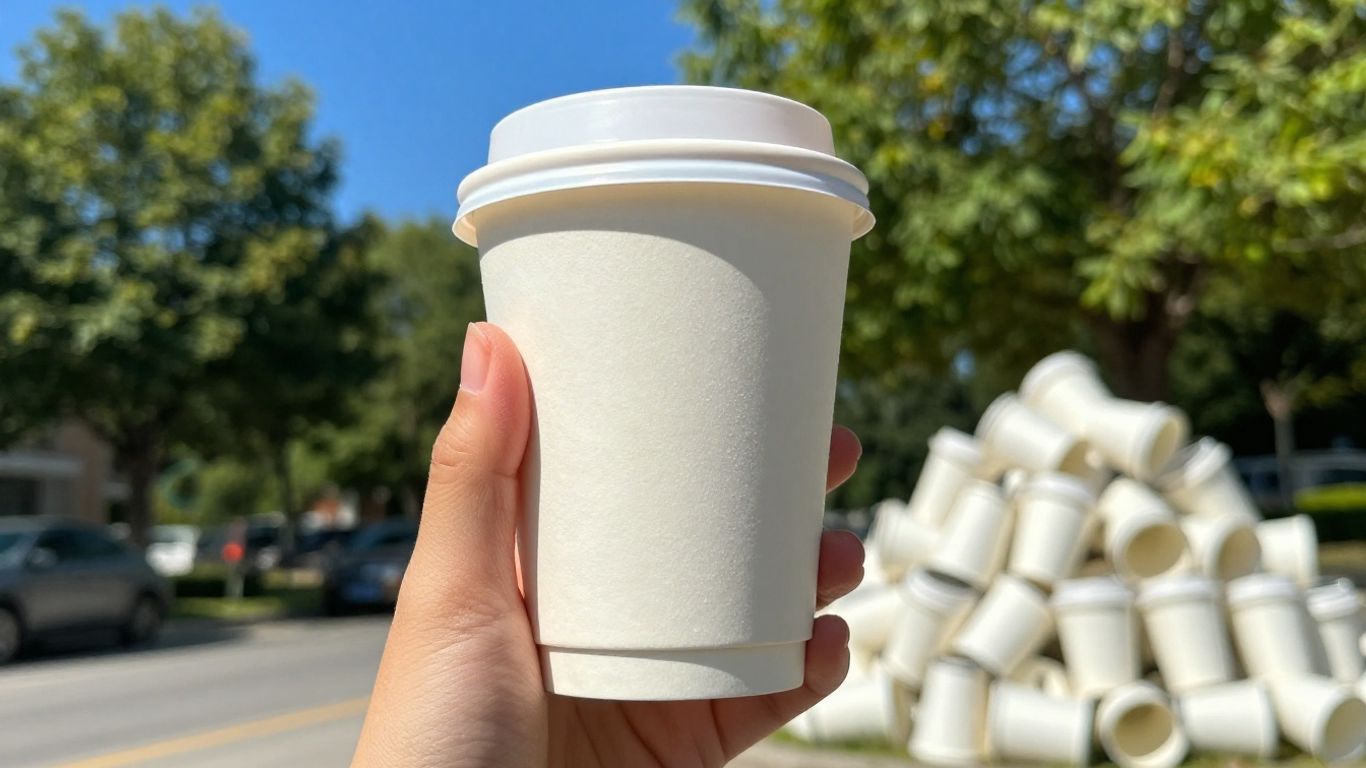
Switching from single-use cups to reusable ones might seem like a small change, but it actually makes a pretty big difference for our planet. Think about it: every disposable cup you skip is one less item heading to a landfill. And when you add up all those cups, it’s a massive amount of waste we can avoid.
Reducing Landfill Waste
Disposable cups, especially those paper ones with a plastic lining, are a real headache for landfills. They don’t break down easily. Some estimates say a paper cup can hang around for 30 years, and while it’s sitting there, it can release methane, a greenhouse gas. Reusable cups, on the other hand, are built to last. You use them over and over, so instead of creating new waste each time, you’re just using something you already have. It’s a simple way to cut down on the sheer volume of trash piling up.
Lowering Carbon Footprints
Making all those single-use cups takes a lot of energy and resources. From cutting down trees for paper to manufacturing the plastic lining and transporting everything, there’s a significant carbon footprint involved. When you use a reusable cup, you’re essentially spreading that initial manufacturing impact over hundreds, if not thousands, of uses. After a certain point, the reusable cup becomes much kinder to the environment than constantly churning out new disposable ones. It’s about using resources more wisely.
Conserving Natural Resources
Every disposable cup represents trees, water, and energy that were used to make it. If we’re talking about billions of cups used every year – and yes, that’s the kind of number we’re dealing with – we’re talking about a huge drain on natural resources. Reusable cups, made from materials like stainless steel or durable plastics, are designed to be used for a long time. This means we don’t need to keep cutting down trees or using up water and energy to produce new cups constantly. It’s a more sustainable way to enjoy our daily drinks.
The real environmental win with reusable cups comes after they’ve been used a few times. That initial production footprint gets paid off quickly, and from then on, each use is a net positive for the planet. It’s a shift from a ‘use and toss’ mentality to one that values longevity and reuse.
Here’s a quick look at the impact:
- Disposable Cups: High resource use per cup, significant landfill contribution, long decomposition times.
- Reusable Cups: Higher initial resource use, but this is offset by repeated use, drastically reducing waste and resource depletion over their lifespan.
It’s a clear win for the environment when we choose to reuse.
Economic Benefits Of Embracing Reusables
Switching from single-use cups to reusable ones might seem like an upfront cost, but when you look at the bigger picture, it really starts to make financial sense. Think about it: how many disposable cups does an office go through in a week? A month? A year? It adds up, and not just in terms of the cups themselves, but also the cost of constantly restocking them and dealing with the resulting trash.
Long-Term Cost Savings
The most obvious financial win comes from cutting down on disposable cup purchases. While you’ll have an initial investment in durable reusable cups, this cost is quickly offset. Most businesses find they recoup their spending on reusable cups within a year or two. After that, it’s pure savings. No more buying boxes and boxes of paper or plastic cups. Plus, you’re likely to see a reduction in your waste management bills because you’re generating significantly less trash.
Cafe Discounts And Incentives
Many coffee shops and cafes are now offering discounts to customers who bring their own reusable cups. It’s a small incentive, but it adds up over time. If you’re grabbing coffee daily, even a quarter or fifty-cent discount per cup can save you a good chunk of change each month. It’s a win-win: you save money, and the cafe reduces its waste and potentially its labor costs associated with washing disposable cups.
Reduced Waste Management Expenses
Dealing with trash isn’t free. Businesses often pay for waste removal services based on volume or frequency. By significantly reducing the number of disposable cups thrown away, you’re directly cutting down on the amount of waste your company produces. This can lead to lower hauling fees and fewer pickups, freeing up budget that can be used elsewhere. It’s a tangible way to trim operational costs while also doing something good for the planet.
Superior User Experience With Non Disposable Cups
Let’s be honest, sometimes the little things make a big difference, right? When it comes to your daily coffee or tea, the cup you use can actually change how much you enjoy it. Forget those flimsy paper cups that get soggy and leak. Reusable cups are built differently, and they really show it.
Enhanced Temperature Retention
One of the best parts about using a good reusable cup is how it keeps your drink just right. Think about it: you pour your hot coffee, and instead of it cooling down in five minutes, it stays warm for ages. This is usually because they have double walls, which act like a thermos. It means your morning brew stays hot through your commute, and your iced coffee stays cold on a warm afternoon. Plus, your hands don’t get burned or cold from the cup itself. It’s a small comfort, but it makes a noticeable difference.
Improved Drink Taste And Aroma
Ever had a drink from a paper cup and noticed a weird, papery taste? Or maybe a plastic cup that makes your coffee smell funny? That’s because some materials can actually affect the flavor. High-quality reusable cups, especially those made from materials like stainless steel or certain types of glass, don’t impart any extra flavors. This means you get to taste your coffee or tea exactly as it’s meant to be. It’s like going from listening to music on a tinny speaker to a really good sound system – you hear all the details.
Durable And Stylish Designs
Reusable cups are just built to last. You’re not going to crush one in your bag or have it fall apart after a few uses. They’re sturdy. Beyond just being tough, they look good too. There are so many designs out there now – sleek metal ones, colorful ceramic ones, ones with cool patterns. You can pick one that actually matches your style. It feels good to use something that’s both practical and looks nice. It’s a small way to add a bit of personal flair to your day.
Using a reusable cup isn’t just about being eco-friendly; it’s about upgrading your daily ritual. You get a better-tasting drink, it stays at the temperature you want, and you don’t have to worry about it falling apart. It’s a win-win for you and the planet.
Corporate Sustainability And Brand Image
Demonstrating Environmental Commitment
Companies today are looking for real ways to show they care about the planet, not just talk about it. Switching to reusable cups for coffee and other drinks is a pretty straightforward way to do this. It’s a visible change that everyone in the office, and even visitors, can see. This kind of action speaks louder than just putting a green logo on your website. It shows you’re actively trying to cut down on waste and reduce your company’s environmental footprint. Think about it: every single-use cup that doesn’t end up in the trash is a small win. When a company makes this switch, it sends a clear message that sustainability isn’t just a buzzword; it’s something they’re putting into practice.
Boosting Brand Perception
When a company makes a visible effort like adopting reusable cups, people notice. Customers, potential employees, and even investors tend to look more favorably on businesses that are seen as responsible. It can make your brand stand out from competitors who are still relying on disposable items. It’s like saying, "We’re a forward-thinking company that cares about more than just profits." This positive perception can lead to better customer loyalty and make it easier to attract top talent who want to work for companies that align with their own values.
Engaging Employees In Green Initiatives
Getting employees on board with sustainability efforts is key, and reusable cups can be a great starting point. When you provide nice, durable reusable cups and make it easy to use them (like having convenient washing stations), you’re inviting your team to be part of the solution. It creates a shared goal and a sense of pride in working for a company that’s making a difference. You can even get them involved in choosing the cup designs or setting up the program. This kind of participation makes the initiative feel more personal and less like a top-down mandate. It helps build a company culture where environmental responsibility is just part of how things are done.
Here’s a quick look at how this can play out:
- Reduced Waste: Fewer disposable cups mean less trash going to landfills.
- Cost Savings: Over time, companies can save money by not constantly buying single-use cups.
- Positive Image: Demonstrates a commitment to the environment, which looks good to everyone.
- Employee Buy-in: Gives staff a tangible way to contribute to sustainability goals.
Making the switch to reusable cups isn’t just about replacing one item with another. It’s about rethinking how we consume and showing that a company is willing to invest in a more sustainable future, benefiting both the planet and its own reputation.
Circular Economy Principles In Action
The way we consume coffee, from the bean to the cup, has a huge impact. For ages, it’s been a ‘take-make-dispose’ kind of deal, especially with those single-use cups. But what if we flipped that script? That’s where the circular economy comes in, and it’s changing how we think about everything, including our coffee cups.
Designing For Longevity And Durability
Think about it: a disposable cup is made for maybe twenty minutes of use, then it’s gone. A reusable cup, though? That’s built to last. We’re talking about products designed from the ground up to be used over and over. This means using tough materials that can handle daily life, being dropped, washed, and used again. It’s a complete shift from creating something meant to be thrown away.
Material Innovation From Waste Streams
This is where things get really interesting. Instead of seeing coffee grounds or husks as trash, companies are figuring out how to turn them into something new and useful. Take coffee husks, for example. They’re a leftover from processing coffee beans, but they can be made into really cool, durable cups. It’s like giving waste a second life, but even better – turning it into a higher-quality product.
- Coffee Husks: Used to create durable and stylish cups.
- Spent Coffee Grounds: Repurposed for biofuels, fertilizers, or even building materials.
- Other By-products: Exploration into turning various coffee processing waste into new resources.
The whole idea is that ‘waste’ is just a resource that hasn’t found its new purpose yet. By rethinking materials, we can create products that are not only functional but also part of a closed-loop system.
End-Of-Life Programs For Material Reclamation
Even the best reusable cups eventually wear out. The circular economy doesn’t just stop there. Smart companies are setting up programs where you can return old cups. These cups are then broken down, and the materials are used to make brand new products. It means nothing truly gets wasted; the resources put into making the cup stay in the loop, ready for their next job. It’s a full circle, ensuring that the materials we use keep circulating instead of ending up in a landfill.
Overcoming Common Myths About Reusable Cups
Let’s be honest, switching to reusable cups isn’t always as straightforward as it seems. There are definitely some lingering doubts and misconceptions out there that can make people hesitate. It’s totally normal to have questions, and it’s important to address them head-on so we can all feel good about making the change.
Addressing Hygiene Concerns
This is probably the biggest one. People worry about whether reusable cups are actually clean. It’s a valid thought, especially when you think about how many hands might touch a cup or how it’s washed. But here’s the thing: when done right, reusable cups can be just as, if not more, hygienic than disposables.
- Proper Washing: Most cafes and workplaces that offer reusable cups have established cleaning protocols. This usually involves commercial dishwashers that reach high temperatures, killing more germs than a quick rinse at home might.
- Material Matters: Cups made from materials like stainless steel or durable, BPA-free plastics are non-porous, meaning they don’t absorb liquids or bacteria as easily as some single-use cup linings might.
- Personal Responsibility: For personal reusable cups, a good wash with soap and hot water after each use is usually sufficient. Think of it like washing any other dish you use daily.
The key isn’t just the cup itself, but the system in place for keeping it clean. When that system is robust, hygiene is not an issue.
Debunking Environmental Impact Misconceptions
Another common idea is that reusable cups don’t actually make that much of a difference environmentally, or that their production is so resource-intensive it cancels out the benefits. This often comes from looking at just one part of the picture.
- Lifecycle Assessment: Studies that look at the entire lifecycle of a cup (from manufacturing to disposal) show that a reusable cup’s environmental footprint is quickly offset by the waste it prevents. For example, a reusable cup typically needs to be used between 10 to 50 times to become more eco-friendly than its single-use counterpart, depending on the materials and energy used in washing.
- Manufacturing Footprint: Yes, making a reusable cup uses resources. But that initial impact is spread out over hundreds, if not thousands, of uses. A single-use cup, on the other hand, has a small manufacturing footprint, but it’s a footprint that’s repeated every single time one is used and thrown away.
- Landfill vs. Reuse: Disposable cups, especially those with plastic linings, can take decades to break down in landfills, releasing harmful gases. Reusables, when properly managed and eventually recycled, avoid this.
| Cup Type | Estimated Lifespan | Environmental Break-Even Point (Uses) |
|---|---|---|
| Standard Paper Cup | Single Use | N/A |
| Reusable Plastic | 1-3 Years | 15-30 |
| Stainless Steel | 5+ Years | 20-50 |
Simplifying Implementation Strategies
Sometimes people think setting up a reusable cup system is too complicated or expensive for a business or even for personal use. It can seem like a hassle to track, collect, and wash them.
- Phased Rollouts: You don’t have to go all-in overnight. Start with a pilot program in one department or offer incentives for employees who bring their own cups.
- Partnerships: Many cafes are happy to partner with businesses to manage cup washing or offer discounts for customers using reusables. There are even services that specialize in providing and managing reusable cup systems for offices.
- Clear Communication: Simply explaining the ‘why’ and ‘how’ to employees or household members can make a big difference. Providing clear instructions on where to put used cups and how they’ll be cleaned removes a lot of the guesswork.
It really boils down to setting up a simple, clear process. Once people get into the habit, it becomes second nature, just like remembering your keys or wallet when you leave the house.
Making the Switch: It’s More Than Just a Cup
So, we’ve talked a lot about why ditching those single-use cups makes sense. It’s not just about feeling good about the planet, though that’s a big part of it. Think about it: a reusable cup lasts for ages, saving resources and cutting down on waste that sticks around for way too long. Plus, you often get a little discount at your favorite coffee spot, and honestly, your drink just stays warmer for longer in a good quality reusable. It’s a small change, sure, but when everyone makes it, it adds up. It’s about choosing something that lasts, something that’s better for us and for the world around us. It’s a simple way to be part of something bigger, a move towards using things more wisely and making our daily routines a little bit greener, one coffee at a time.
Frequently Asked Questions
Why are reusable cups better for the planet?
Reusable cups are way better for the Earth because they help cut down on trash. Think about it: every time you use a disposable cup, it has to go somewhere, usually a landfill. These cups can take a really long time to break down and can even release harmful gases. A reusable cup, though, can be used over and over again. After just a few uses, it’s actually better for the environment than using a new disposable one each time. This means less trash piling up and fewer resources used to make new cups.
Do reusable cups actually save money?
Yes, they really do! While you might have to buy a reusable cup at first, it pays for itself pretty quickly. Instead of buying a new disposable cup every day, you’re using the same one. Plus, many coffee shops and cafes give you a small discount if you bring your own cup. Over time, these savings add up, and you’ll spend less money on your daily drinks.
Are reusable cups clean and safe to use?
That’s a common worry, but reusable cups can be very clean and safe. The key is to wash them properly, just like you would any other dish or utensil. Many places that sell reusable cups also offer cleaning services or tips. When you wash them at home, a good scrub with soap and water is usually all it takes. They don’t hold onto germs any more than a regular mug does.
Do reusable cups keep drinks hot or cold as well as disposable ones?
Actually, many reusable cups are even better at keeping your drinks at the right temperature! Cups with double walls, for example, act like a thermos. They keep your hot coffee steaming for longer and your cold drinks nice and chilled, without making your hands too hot or too cold. Disposable cups often don’t have this kind of insulation.
What happens to reusable cups when they get old?
When a reusable cup has been used for a long time and can’t be used anymore, the idea is to keep its materials from going to waste. Instead of just throwing it away, some companies have programs to take back old cups. They can then use the materials from these old cups to make new products, like more cups or other useful things. This is part of a ‘circular economy,’ where materials are reused instead of being thrown out.
How can businesses encourage people to use reusable cups?
Businesses can do a few things to help people switch to reusable cups. They can offer discounts for customers who bring their own cups, which saves people money. They can also make it easy by having nice-looking, durable cups available for sale. Sometimes, companies even give reusable cups to their employees to get them started. Making it convenient and rewarding is the best way to get people on board.