

Silicone is everywhere these days, right? From your kitchen to your phone case, it’s become a go-to material because it’s tough and flexible. But as we try to be more mindful of our planet, a big question pops up: Is Silicone Eco-Friendly? It’s made from sand, which sounds natural, but the manufacturing process is a whole other story. Let’s break down what that really means for the environment.
Key Takeaways
- Silicone production uses hydrocarbons from petroleum, making it a synthetic material with a carbon footprint, despite its sand-based origins.
- While durable and reusable, silicone doesn’t break down naturally, leading to long-term waste issues in landfills.
- Recycling silicone is difficult due to a lack of specialized facilities, making proper disposal a challenge.
- Silicone can be a better choice than single-use plastics for items used many times, reducing overall waste.
- Concerns exist about chemicals like siloxanes potentially leaching from silicone at high temperatures, and risks to wildlife if ingested.
Understanding Silicone’s Environmental Footprint
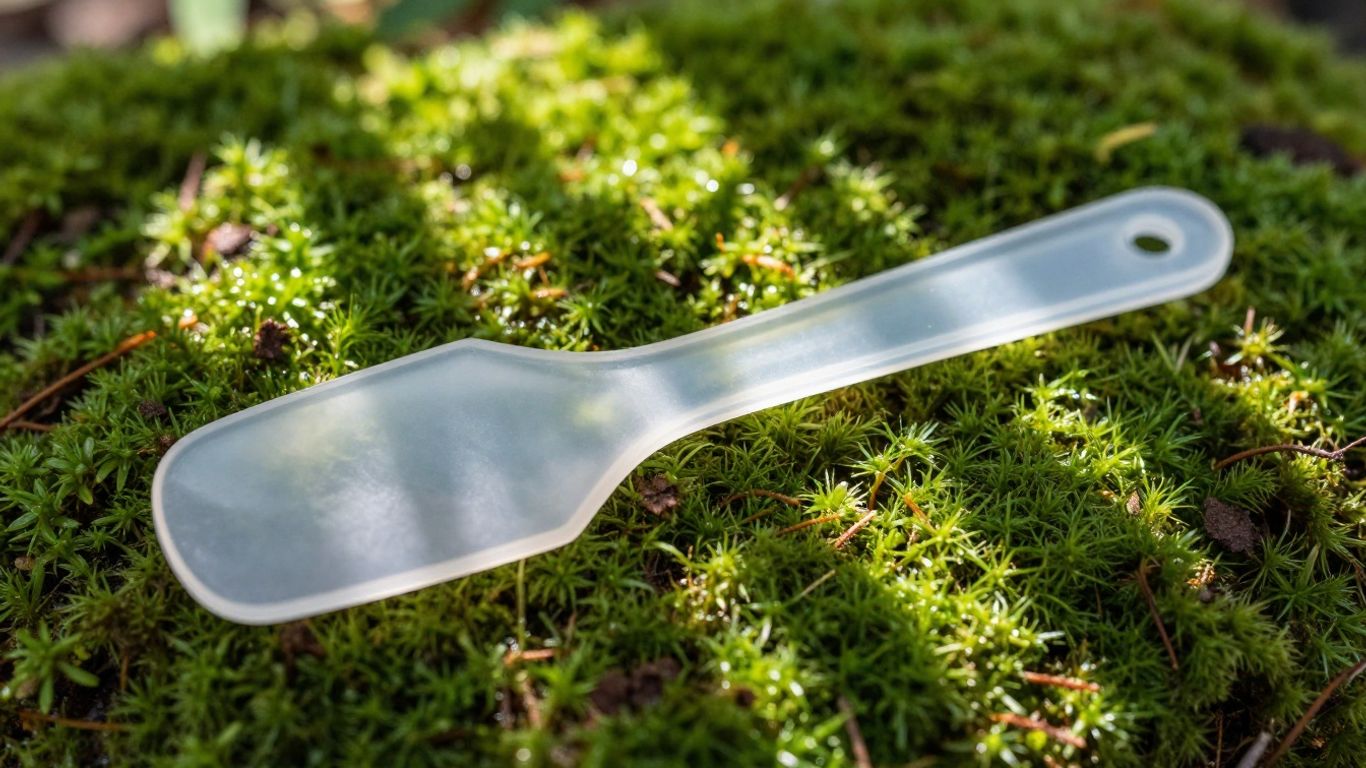
So, what’s the deal with silicone and the environment? It’s a material we see everywhere, from our kitchens to our bathrooms, and it’s often praised for being super durable. But like most things, it’s not quite as simple as it seems. We need to look at the whole picture, from how it’s made to what happens when we’re done with it.
The Lifecycle of Silicone Products
When we talk about a product’s environmental impact, we really have to consider its entire life. This means thinking about where the raw materials come from, how the product is manufactured, how long we use it, and finally, what happens to it when it’s no longer useful.
- Raw Material Extraction: Where do the ingredients for silicone come from?
- Manufacturing: How much energy and what resources are used to make it?
- Product Use: How long does it last, and does it replace less durable items?
- End-of-Life: Can it be recycled, or does it end up in a landfill?
Understanding these stages helps us get a clearer idea of silicone’s overall footprint.
Silicone’s Composition: Sand and Synthetics
At its core, silicone is made from silicon, which is abundant in nature, primarily found in sand. Sounds pretty eco-friendly, right? Well, not so fast. To turn that sand into silicone, a pretty complex and energy-hungry process is involved. It requires combining silicon with other elements, often derived from petroleum. So, while the base ingredient is natural, the journey to becoming a usable silicone product involves synthetic chemistry and significant industrial processes.
The Role of Hydrocarbons in Production
This is where things get a bit more complicated. The manufacturing of silicone relies heavily on hydrocarbons, which are typically sourced from petroleum. Petroleum is a fossil fuel, and extracting and processing it comes with its own set of environmental challenges, including habitat disruption and greenhouse gas emissions. The energy needed for these high-temperature chemical reactions also often comes from burning fossil fuels, adding to the carbon footprint. It’s a bit of a trade-off: a natural element is transformed using non-renewable resources and energy-intensive methods. This reliance on petroleum-based chemicals is a key point when evaluating silicone’s sustainability.
The journey from simple sand to versatile silicone involves a complex industrial process that consumes considerable energy and relies on non-renewable resources, complicating its ‘eco-friendly’ label.
Is Silicone Eco-Friendly? A Comparative Analysis
So, is silicone really the green hero it’s often made out to be? It’s a question many of us ponder when choosing between a silicone spatula and a plastic one, or a silicone food container versus a glass one. The truth is, it’s not a simple yes or no answer. Silicone has its upsides, especially when we stack it against traditional plastics, but it also comes with its own set of environmental considerations.
Silicone Versus Plastic: A Sustainability Debate
When you look at silicone, it’s easy to see why people lean towards it as a better option than plastic. For starters, it’s made from silicon, which comes from sand – a pretty abundant resource. Plus, it doesn’t contain the same chemical additives like BPA or phthalates that often raise red flags with plastics. This makes it a popular choice for food-grade items where health and safety are top concerns. However, the production process for silicone still relies on hydrocarbons, which are derived from fossil fuels, much like plastic. So, while the raw material source differs, the reliance on non-renewable energy sources during manufacturing is a shared downside.
Here’s a quick look at how they stack up:
- Source Material: Silicone starts with silicon dioxide (sand), while plastic is primarily derived from crude oil.
- Chemical Composition: Silicone is generally considered more inert and free from common plastic additives like BPA and phthalates.
- Production: Both processes can be energy-intensive and involve petrochemicals.
- Durability: Silicone products often last significantly longer than their plastic counterparts.
Comparing Silicone to Biodegradable Alternatives
When we talk about eco-friendly materials, biodegradable options often come to mind. Think about things like bamboo utensils or compostable packaging. These materials break down naturally over time, returning to the earth without leaving a lasting trace. Materials like bioplastics, made from plant-based sources, are also in this category. They can offer a shorter lifecycle impact compared to silicone. However, silicone often wins out in terms of sheer longevity and performance in certain applications, like high-heat cooking. The trade-off is clear: faster breakdown versus longer lifespan.
The Durability Advantage of Silicone
One of the biggest arguments for silicone’s environmental case is its impressive durability. Unlike many plastics that can crack, warp, or degrade with use, silicone products tend to hold up much better over time. This means you’re likely replacing them less often. Think about reusable silicone food storage bags or menstrual cups; these items can last for years, significantly cutting down on the need for single-use disposable products. This longevity is a key factor in reducing overall waste, which is a major win for the environment. It’s a good example of how reusable products can make a difference.
While silicone isn’t perfect, its extended lifespan compared to many disposable alternatives means fewer items end up in the trash. This focus on durability is a significant part of its appeal for those trying to minimize their environmental footprint.
Production and Energy Consumption
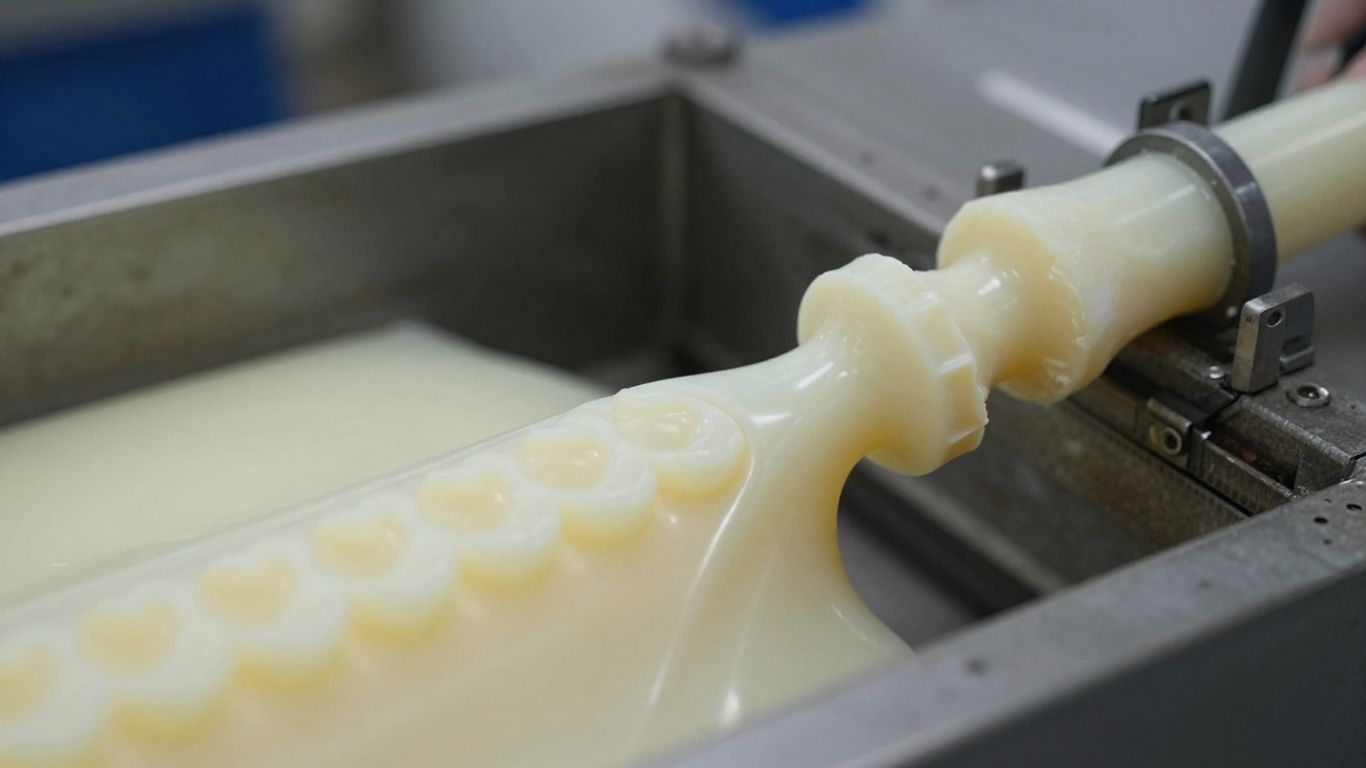
Making silicone isn’t exactly a walk in the park for the environment. It all starts with hydrocarbons, which usually come from petroleum – a resource we can’t exactly grow more of. Then, the actual manufacturing process needs some serious heat, meaning it guzzles a lot of energy. Often, this energy comes from burning fossil fuels, which, as we know, isn’t great for the planet.
Energy-Intensive Manufacturing Processes
The creation of silicone involves several steps that require a significant amount of energy. Think high temperatures and complex chemical reactions. This energy demand is a big part of its environmental footprint. It’s not like baking cookies; it’s a much more industrial-scale operation.
Carbon Emissions from Silicone Production
Because of the energy needed, silicone production contributes to carbon emissions. While some sources suggest that silicone’s applications can offset its production emissions, the initial manufacturing phase still releases greenhouse gases. It’s a bit of a trade-off, and understanding this balance is key. For every ton of CO₂ emitted during silicone manufacturing, 14 tons of CO₂ reductions are achieved through its applications, which is a pretty interesting point to consider [b775].
The Impact of Non-Renewable Resources
We’ve already touched on this, but it’s worth repeating: silicone production relies on petroleum-based hydrocarbons. This means we’re using up finite resources. The extraction and processing of these raw materials also have their own environmental impacts, including freshwater desalination and the scarcity of fossil resources [f3f3].
Here’s a quick look at how silicone’s carbon footprint stacks up against other materials:
| Material | CO2 emissions (kg CO2e per kg) | Common uses | Longevity |
|---|---|---|---|
| Silicone | 10.3 (6.3 indirect + 4 direct) | Kitchenware, sealants, electronics | Decades |
| Plastic (PET) | 2.15 | Bottles, packaging | Short |
| Aluminum | 10.0 (primary production) | Cans, foil, electronics | Indefinitely |
| Glass | 1.1 (Lower, but energy-intensive to produce) | Bottles, jars | Indefinitely |
The global silicone market is growing, which means more production and potentially more environmental strain if we don’t find ways to make the process cleaner or improve recycling rates.
End-of-Life Challenges for Silicone
The Non-Biodegradable Nature of Silicone
So, you’ve got this great silicone spatula, and it’s lasted you ages. That’s the good news, right? But what happens when it’s finally time to say goodbye? Well, unlike your banana peels or that old newspaper, silicone doesn’t just break down and disappear. It’s not biodegradable. This means that when you toss it, it’s pretty much there for the long haul. We’re talking hundreds, maybe even thousands of years. It might crumble into smaller bits over time, sure, but it doesn’t actually decompose back into the earth like organic stuff does. This persistence is a big part of why we need to think carefully about how we use and dispose of silicone products.
Recycling Difficulties and Limited Infrastructure
Okay, so if it doesn’t break down, can we at least recycle it? The short answer is: it’s complicated. While silicone can technically be recycled, it’s a real headache. Most of your regular recycling bins, the ones you put out on the curb every week, aren’t equipped to handle silicone. They just don’t have the right machinery. You usually need special facilities, and honestly, there aren’t many of those around. It’s a bit like trying to find a unicorn. This lack of widespread recycling options means a lot of silicone ends up in the trash, which brings us back to the whole ‘doesn’t break down’ problem. It’s a bit of a catch-22, really. Finding places that accept silicone for recycling is tough, and the process itself can be quite involved, often requiring shredding and high-temperature treatment to turn it back into usable polymers. This makes it less common than recycling plastics or glass.
Persistence in Landfills and Natural Habitats
Because recycling is such a hassle, a lot of silicone products end up in landfills. And since they don’t biodegrade, they just sit there. Imagine a mountain of silicone spatulas, baking mats, and phone cases, just chilling for centuries. It’s not great for the environment. Plus, if silicone items somehow escape landfills or are improperly disposed of, they can end up in our oceans or natural landscapes. While they might not break down into tiny toxic pieces like some plastics, they can still cause problems for wildlife. Animals might mistake them for food, which can lead to blockages or other issues. It’s a reminder that even materials we think are inert can have a lasting impact on the planet.
The durability that makes silicone so appealing in the first place is also its biggest environmental hurdle at the end of its life. It simply doesn’t go away easily, creating a long-term waste management challenge that requires more thought than a simple toss in the bin.
Silicone’s Role in Reducing Waste
When we talk about reducing waste, especially plastic waste, silicone often pops up as a potential hero. And honestly, there’s a good reason for that. While silicone itself isn’t biodegradable, its real strength lies in its durability and reusability, which can significantly cut down on the need for single-use items.
Reusable Silicone Products as Plastic Replacements
Think about your kitchen. How many plastic bags, wraps, or containers do you go through? Silicone offers a fantastic alternative. We’re seeing more and more silicone food storage bags, reusable baking mats, and food covers hitting the market. These aren’t just flimsy replacements; they’re built to last, often outperforming their plastic counterparts in terms of heat resistance and longevity. This means fewer items end up in the trash.
- Food Storage: Silicone containers and bags can replace disposable plastic wrap and single-use baggies. They’re great for leftovers, lunches, and snacks.
- Baking: Reusable silicone baking mats eliminate the need for parchment paper or disposable liners.
- Kitchenware: Silicone spatulas, whisks, and utensils don’t scratch non-stick pans and last for ages, unlike some plastic versions that can degrade over time.
- Personal Care: Items like menstrual cups and reusable makeup remover pads made from silicone are excellent examples of reducing daily waste.
Reducing Single-Use Item Consumption
This is where silicone really shines. By choosing products designed for repeated use, we directly combat the culture of disposability that fuels so much waste. It’s about shifting our mindset from ‘throwaway’ to ‘keep and reuse’.
The initial cost of a silicone product might be higher than a cheap plastic alternative, but when you factor in how many times you’ll use it, the long-term savings and environmental benefits become clear. It’s an investment in reducing your personal waste footprint.
The Long-Term Benefits of Durable Goods
Ultimately, the environmental advantage of silicone comes down to its lifespan. A well-made silicone item can be used hundreds, if not thousands, of times. This contrasts sharply with many single-use plastics that are used for mere minutes before being discarded. While the production of silicone has its own environmental considerations, the extended use phase can offset these impacts by preventing the constant manufacturing and disposal cycle associated with less durable materials. Choosing durable alternatives like silicone is a practical step towards a more sustainable lifestyle, helping to reduce the sheer volume of waste we generate daily.
Potential Environmental Concerns with Silicone Use
While silicone is often praised for its durability and versatility, it’s not without its environmental drawbacks. We need to look at what happens when we use it, especially under certain conditions, and what risks it might pose to wildlife.
Leaching of Siloxanes at High Temperatures
One of the main worries with silicone is its potential to release chemicals, specifically siloxanes, when exposed to high heat. Most silicone products are rated for temperatures up to around 428°F (220°C). However, exceeding these limits, or even prolonged use at the upper end of the recommended range, can cause these siloxanes to break down and potentially leach out. Some studies suggest that this leaching can increase when silicone comes into contact with fatty foods. While the long-term health effects of ingesting small amounts of leached siloxanes are still being researched, concerns exist about potential hormone disruption.
Wildlife Interaction and Ingestion Risks
Because silicone doesn’t break down easily, discarded silicone items can persist in the environment for a very long time. This persistence means they can become a hazard for wildlife. Animals might mistake small pieces of silicone for food, leading to ingestion. This can cause internal blockages and starvation. It’s a bit like plastic pollution in that regard; the material just sticks around, posing a physical threat.
Regulatory Scrutiny and Material Bans
As we learn more about the environmental fate and potential impacts of various chemicals, regulatory bodies are paying closer attention to materials like silicone. Certain types of siloxanes, like D4 and D5, have faced scrutiny due to their persistence in the environment and their ability to accumulate in living organisms. In some regions, restrictions have already been put in place, particularly for cosmetic products. For instance, the EU has restricted the use of D4 and D5 in wash-off cosmetic formulations. This regulatory trend suggests that the environmental profile of silicone is under ongoing evaluation, and future restrictions are possible as more data becomes available. It’s a good reminder that even seemingly inert materials can have complex environmental stories. This growing concern highlights the need for continued research and responsible manufacturing practices.
The persistence of silicone in the environment is a significant issue. Unlike organic materials that decompose naturally, silicone remains largely intact for centuries. This longevity, while beneficial for product lifespan, creates a long-term waste management challenge and increases the potential for environmental accumulation and harm to ecosystems.
So, Where Does That Leave Us?
Alright, so after digging into it, it’s clear that silicone isn’t exactly a perfect eco-hero. Making it uses stuff from oil, and when you’re done with it, it doesn’t just disappear like an apple core. Recycling it is also a bit of a hassle, not something you can just toss in any bin. But, and this is a pretty big ‘but’, it’s often way better than plastic, especially for things we use over and over. Think reusable food containers or those handy menstrual cups. They last ages, meaning less trash piling up. So, while we should keep looking for even greener options, silicone is definitely a step up from single-use plastics for many everyday items. It’s about making smarter choices where we can.
Frequently Asked Questions
What is silicone actually made of?
Silicone starts with silica, which is basically sand! But to turn that sand into silicone, we also need carbon and hydrogen, which usually come from oil and natural gas. So, it’s a mix of something found in nature and something made from fossil fuels.
Is silicone bad for the environment?
Silicone isn’t perfect for the environment. Making it uses energy and resources from oil. Plus, it doesn’t break down easily like food scraps do, so it can stick around for a very long time if not handled properly.
Can silicone be recycled?
Recycling silicone is tricky. While it’s technically possible, there aren’t many places that can do it. Most recycling centers can’t handle it, so a lot of silicone products end up in landfills.
Is silicone better than plastic?
Silicone is often seen as a better choice than plastic because it lasts much longer. This means you can use silicone items over and over again, which helps reduce waste compared to using disposable plastic things.
Does silicone break down in nature?
No, silicone doesn’t break down naturally. Unlike things like wood or paper that rot and become part of the earth, silicone stays pretty much the same for hundreds of years. This is why it’s important to reuse it as much as possible.
Are there any health concerns with silicone?
Generally, food-grade silicone is considered safe to use with food and drinks. It doesn’t easily release chemicals. However, at very high temperatures (like in a super hot oven), some tiny amounts of certain compounds might be released, though this is usually not a major worry for everyday use.