
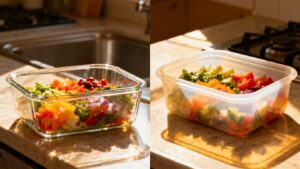
So, you’re standing in the kitchen aisle, staring at a wall of food containers. Glass or plastic? It’s a question many of us have pondered. Both have their place, but which one is truly the best fit for your kitchen needs? We’re going to break down the good, the bad, and the downright useful of Glass vs Plastic Food Containers to help you decide.
Key Takeaways
- Glass containers are non-porous, meaning they won’t absorb odors or stains, keeping your food tasting fresh. Plastic can sometimes hold onto smells.
- When it comes to health, glass is generally seen as safer because it doesn’t leach chemicals into your food, especially when heated. Always check if plastic is BPA-free.
- Glass is durable and can last a very long time if not dropped, and it’s endlessly recyclable. Plastic can scratch, cloud up, and not all types are easily recycled.
- For everyday use, especially if you’re on the go or have kids, lightweight and shatter-resistant plastic containers are often more convenient.
- The choice between Glass vs Plastic Food Containers often comes down to what you’re storing, how you’ll use it, and what’s most important to you – convenience, health, or the environment.
Understanding The Differences: Glass vs Plastic Food Containers
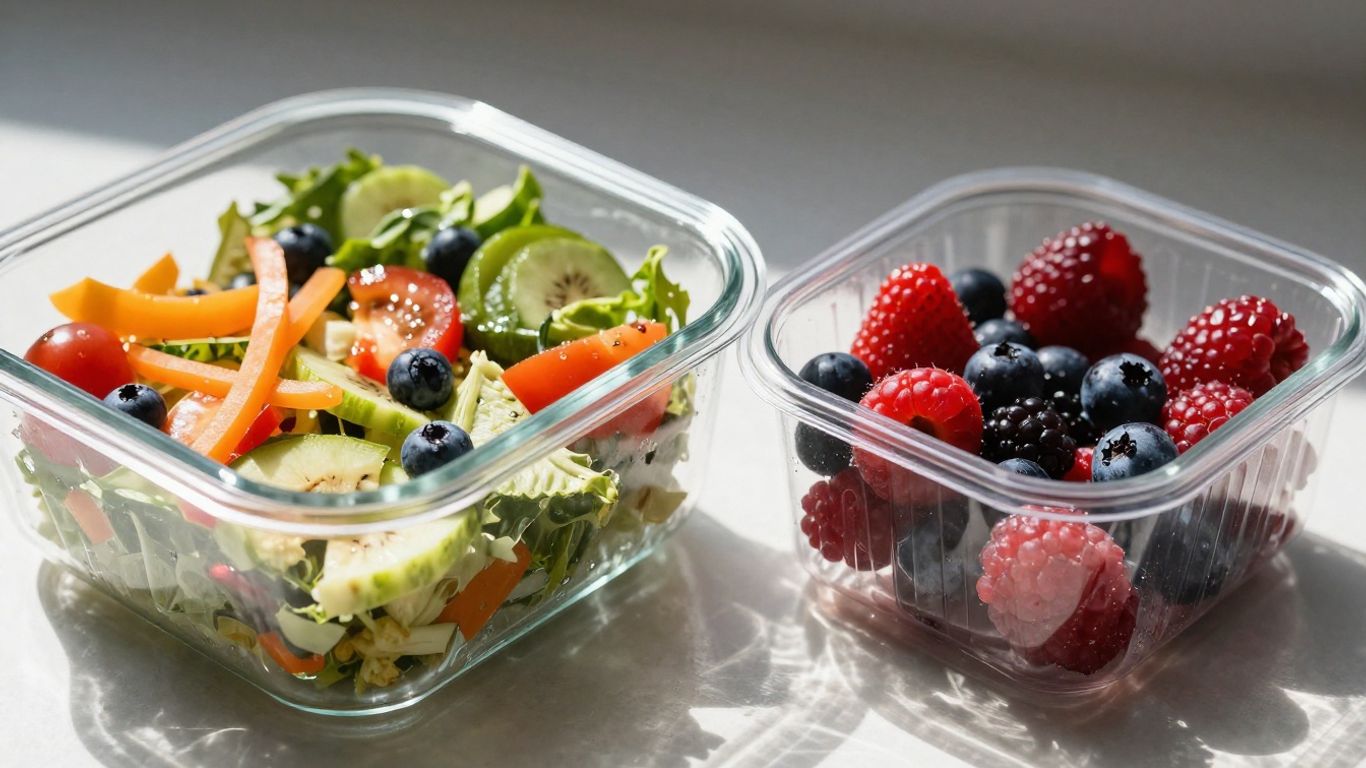
Defining Glass Jars
Glass jars are basically rigid containers made from glass. Think of your classic mason jar or that nice pickle jar you might have repurposed. They usually have a wider opening, making them easy to fill and scoop from. People use them for everything from storing pantry staples like flour and sugar to preserving homemade jams and pickles. Because glass is non-porous, it doesn’t hold onto smells or flavors, which is a big plus when you’re storing different kinds of food.
Defining Plastic Containers
Plastic containers are the versatile workhorses of the kitchen storage world. Made from various polymer materials, they come in a dizzying array of shapes, sizes, and flexibility levels. You’ve got your rigid, stackable food storage sets, your flexible bags, and everything in between. Their lightweight nature and resistance to shattering make them super convenient for packing lunches, storing leftovers, or organizing non-food items. They’re often the go-to for busy households because they’re generally easy to handle and transport.
Key Characteristics of Each Material
When you’re trying to decide between glass and plastic, it helps to know what makes each tick. Here’s a quick rundown:
- Glass:
- Plastic:
Choosing the right container often comes down to what you’re storing and how you’ll be using it. For long-term food preservation where flavor integrity is key, glass often wins. If you need something lightweight and durable for daily use or travel, plastic might be your better bet. It’s not always an either/or situation; many kitchens benefit from having both types of containers. Glass containers are a great option for keeping food pure and safe.
Here’s a little table to help visualize:
| Feature | Glass Containers | Plastic Containers |
|---|---|---|
| Weight | Heavier | Lighter |
| Durability | Breakable | Shatter-resistant |
| Odor/Stain Retention | Very Low | Can be High |
| Chemical Leaching | None | Potential concern |
| Cost (Initial) | Often Higher | Often Lower |
| Reusability | Excellent | Good, but can degrade |
Evaluating Material Properties And Performance
Durability and Breakability
When we talk about how well food containers hold up, durability is a big one. Glass, as you know, can be pretty fragile. Drop a glass jar, and you’re likely looking at a mess of shards. This makes it less than ideal for busy kitchens with kids running around or for packing lunches that might get jostled. Plastic, on the other hand, is generally much more forgiving. It can take a tumble without shattering, which is a huge plus for everyday use. However, not all plastics are created equal. Some can get brittle over time, especially with repeated washing or exposure to extreme temperatures, and might crack or chip. The key difference here is how they fail: glass shatters, while plastic tends to crack or deform.
Odor and Stain Resistance
This is where glass really shines. Because glass is non-porous, it doesn’t hold onto smells or colors from the food you store in it. You can make a spicy curry one day and store leftover cookies the next in the same glass container, and the cookies won’t taste or smell like curry. Plastic, especially cheaper types, can be a different story. Over time, tomato sauce can leave a permanent orange stain, and strong-smelling foods like garlic or onions can leave their scent lingering, even after washing. This is a big reason why many people prefer glass for storing leftovers or strong-smelling foods. Some high-grade plastics, like polypropylene, are quite resistant to odors and stains, but it’s still a common issue with many plastic containers.
Temperature Resilience
How do these containers handle heat and cold? Glass is generally quite good with temperature changes. You can often take a glass container straight from the fridge and put it in the microwave (just make sure there’s no metal lid!). Many glass containers are also oven-safe, making them super versatile for baking and reheating. However, rapid temperature shifts can still cause glass to break, so going from a very hot oven to a cold countertop might be risky. Plastic has more limitations. Most plastics aren’t microwave-safe because the heat can cause them to warp or, more worryingly, leach chemicals into your food. While some plastics are designed for freezer use, extreme cold can sometimes make them brittle. It’s always best to check the manufacturer’s guidelines for temperature limits. For instance, some borosilicate glass containers can handle temperatures from -20℃ to 130℃, making them quite robust for various kitchen tasks.
When choosing between glass and plastic, think about how you’ll use them most. If you’re reheating often or storing strong-smelling foods, glass is probably the way to go. For packing lunches or general everyday storage where durability is key, plastic often wins out. It’s not always an either/or situation; many kitchens benefit from having both types of containers.
Safety And Health Considerations
When it comes to storing your food, thinking about what it touches is pretty important. We’re talking about what goes into our bodies, after all. Let’s break down the safety aspects of glass versus plastic.
Chemical Leaching Concerns
This is a big one. Plastics, especially when heated or scratched, can potentially release chemicals into your food. Think about it: you’re heating up leftovers in a plastic container, and those chemicals might be getting mixed in with your meal. Glass, on the other hand, is generally considered inert. It doesn’t react with food, meaning your meals stay pure. This is why many people are switching to glass for everyday food storage, especially for things that might be acidic or fatty, which can sometimes encourage leaching from plastics. It’s a good idea to be aware of the types of plastic you’re using and avoid microwaving food in containers that aren’t marked as microwave-safe, or that show signs of wear and tear.
Food Purity and Inertness
Glass containers are fantastic because they don’t change the taste or smell of your food. They’re like a neutral party in your kitchen. This means that your strawberries will taste like strawberries, not like the plastic they were stored in. This inert quality is a major plus for keeping your food tasting exactly as it should. It also means that if you store something strongly flavored, like garlic or onions, in a glass container, it won’t linger and affect your next meal. You can wash it out, and it’s good as new. This is a key difference from many plastics, which can absorb odors over time.
BPA-Free and Food-Grade Plastics
Okay, so not all plastics are created equal. You’ve probably seen "BPA-Free" labels everywhere. BPA (Bisphenol A) is a chemical that has raised health concerns, and many manufacturers have moved away from it. However, sometimes other chemicals are used as replacements, and their long-term effects aren’t always fully understood. While many plastics are now considered food-grade and safe for general use, glass still offers a level of certainty that it won’t introduce unwanted substances into your food. It’s always wise to check labels and understand what you’re buying, but if you’re looking for the simplest, most straightforward safe option, glass usually wins.
The debate around plastic safety often centers on potential chemical migration into food, especially under conditions like heating or prolonged contact. While regulations aim to make plastics safe, the inherent nature of glass as a non-reactive material provides a distinct advantage for those prioritizing purity and minimizing exposure to foreign substances in their diet.
Here’s a quick look at some common considerations:
- Glass: Generally inert, doesn’t leach chemicals, doesn’t absorb odors or stains. Can break if dropped.
- Plastic: Can potentially leach chemicals, especially when heated or scratched. Some types can absorb odors and stains. Look for BPA-free and food-grade markings. Lighter and less prone to shattering than glass.
- Metal: While not the focus here, metals like stainless steel are also common. They are durable but can react with acidic foods, and some people have sensitivities to certain metals like nickel. This guide touches on some metal alternatives.
Ultimately, choosing between glass and plastic often comes down to weighing convenience against potential health considerations. For many, the peace of mind that comes with using glass containers is well worth the trade-offs.
Practical Applications In The Kitchen
So, where do glass and plastic containers really shine in your kitchen? It’s not always a clear-cut answer, and honestly, it depends on what you’re trying to do.
Best Uses for Glass Containers
Glass containers are fantastic for a lot of things. Think about storing leftovers – they don’t hold onto smells like plastic can, so your chili from Tuesday won’t taste like last week’s curry. They’re also great for meal prepping. You can bake something in a glass dish, let it cool, and then pop a lid on it to store it in the fridge. Plus, they look pretty nice on the shelf, especially if you’ve got colorful ingredients like dried beans or pasta inside. They’re also a good choice for things you want to reheat in the oven or microwave, as long as you check the manufacturer’s instructions. Many people find that using glass containers helps them reduce their exposure to microplastics reduce microplastic exposure by switching from plastic food storage.
- Storing prepped meals for the week.
- Keeping pantry staples like flour, sugar, and grains fresh.
- Reheating leftovers directly in the oven or microwave (check labels!).
- Serving food directly from the fridge to the table.
Best Uses for Plastic Containers
Plastic containers definitely have their place, especially when weight and durability are key. If you’re packing lunches for school or work, or heading out for a picnic, lightweight plastic is way easier to carry around than glass. They’re also pretty forgiving if they get dropped – less chance of a messy shatter. For things like snacks, kids’ toys, or organizing smaller items in the pantry, plastic bins work well. Just be mindful of what you’re storing in them, especially if you plan to heat them up. It’s generally best to avoid microwaving plastic unless it’s specifically marked as safe, and even then, some people prefer not to.
- Packing lunches and snacks for on-the-go.
- Storing items where breakage is a concern (like in a busy family kitchen or for camping).
- Organizing smaller pantry items or craft supplies.
- Transporting food where weight is a factor.
Versatility for Various Storage Needs
Ultimately, having a mix of both glass and plastic containers in your kitchen is probably the most practical approach. You get the best of both worlds. Glass is great for long-term storage, reheating, and when you want to avoid any potential chemical transfer. Plastic is your go-to for portability, durability, and when you need something lightweight. It’s about picking the right tool for the job. For instance, storing homemade jam in a pretty glass jar looks nice and keeps the flavor pure, but packing a salad for a hike is much easier with a plastic container.
When choosing plastic, always look for "BPA-free" and "food-grade" labels. While many plastics are now made without BPA, it’s still a good idea to be aware of what you’re buying, especially for items that will come into contact with food. Exploring alternatives to plastic is a growing trend explores alternatives to plastic.
Think about what you store most often and how you use it. This will help you decide which material is best for each specific need in your kitchen.
Environmental Impact And Sustainability
When we talk about food containers, it’s easy to get caught up in the day-to-day convenience. But what about the bigger picture? How do our choices affect the planet?
Recyclability of Glass
Glass is a real champion when it comes to recycling. It can be melted down and reformed into new glass products over and over again without losing any quality. Think about it: that old jam jar could become part of a new window pane or even another food container. This endless recyclability means glass has a much smaller footprint compared to materials that degrade with each recycling cycle. It’s made from common stuff like sand, soda ash, and limestone, which are pretty abundant. While making glass does take energy, the process has been refined for ages, and its long lifespan means you’re not constantly buying new ones, which cuts down on overall production and waste.
Plastic Pollution Concerns
Plastic, on the other hand, is a whole different story. A huge amount of plastic waste ends up in landfills and, unfortunately, our oceans. Unlike glass, plastic doesn’t just disappear; it breaks down into tiny pieces called microplastics. These little bits can get into our water, our food, and even the air we breathe. Choosing glass containers over plastic ones is a direct way to help reduce this growing problem. It’s a simple switch that makes a real difference in keeping our environment cleaner.
Long-Term Sustainability Choices
Making the switch to glass containers is a step towards a more sustainable kitchen. They encourage buying in bulk, which often means less packaging overall. You can bring your own glass jars to refill stations or bulk food stores, cutting down on single-use plastic bags and containers. This not only helps the planet but can also save you money over time. Plus, glass doesn’t leach chemicals into your food, even when heated or cooled, making it a safer choice for your health and the environment. It’s about making conscious choices that benefit us now and for the future.
The long-term benefits of choosing durable, endlessly recyclable materials like glass for food storage often outweigh the initial cost or perceived inconvenience. It’s an investment in a healthier planet and a more organized, less wasteful kitchen.
Here’s a quick look at how they stack up:
- Glass: Infinitely recyclable, inert, doesn’t absorb odors/stains, made from abundant natural materials.
- Plastic: Recyclable but degrades over time, potential for chemical leaching, contributes to microplastic pollution.
By opting for glass, you’re actively participating in reducing waste and supporting a circular economy. It’s a practical way to live a little more lightly on the earth. For more tips on reducing your plastic use, check out resources dedicated to helping you embrace a plastic-free lifestyle.
| Feature | Glass Containers | Plastic Containers |
|---|---|---|
| Recyclability | 100% recyclable, endlessly without quality loss | Recyclable, but quality degrades with each cycle |
| Environmental Impact | Lower long-term impact due to durability/recycling | Higher impact due to pollution and microplastic creation |
| Material Source | Sand, soda ash, limestone (abundant) | Petroleum-based (non-renewable) |
Aesthetic Appeal And Kitchen Organization
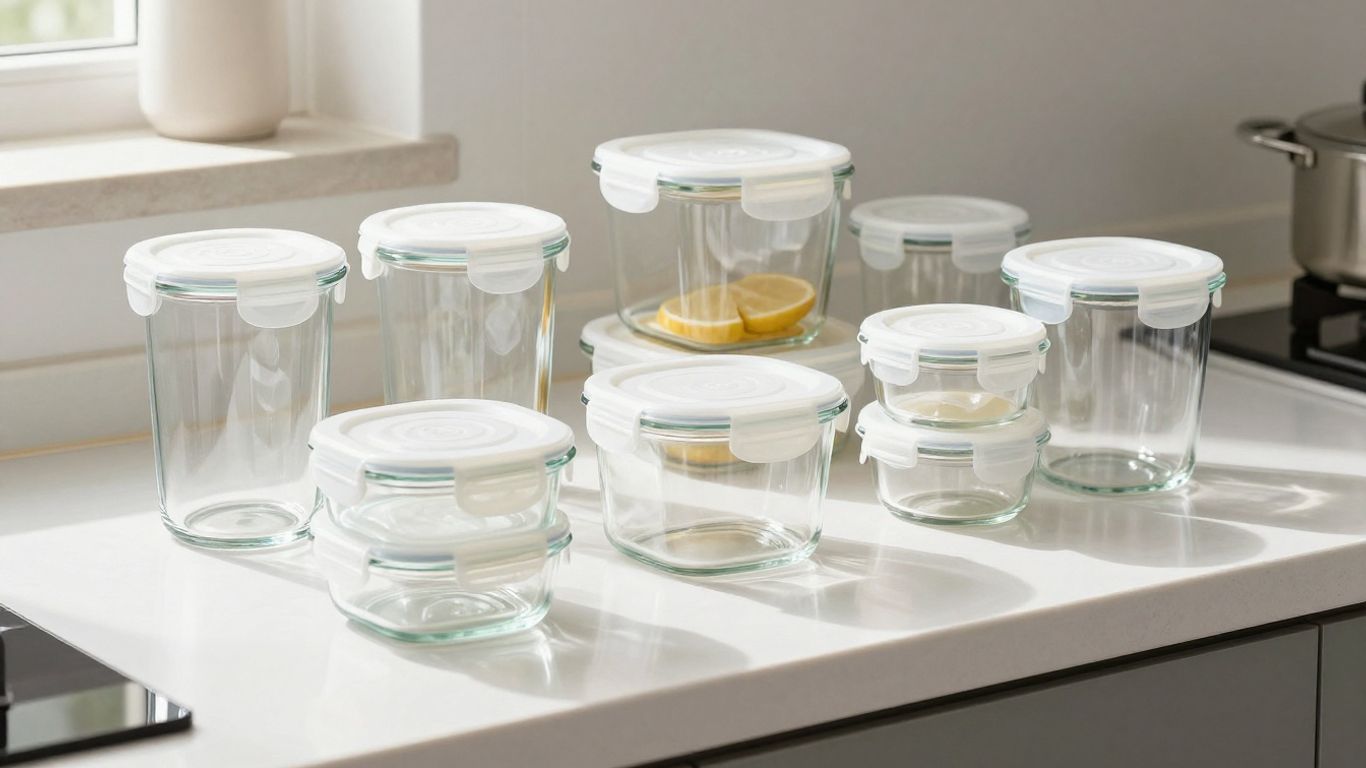
Let’s be honest, a tidy kitchen just feels better, right? And the containers we use play a big part in how our kitchens look and feel. When it comes to looks and keeping things in order, glass and plastic definitely have their own vibes.
Visual Appeal of Glass
Glass containers bring a certain elegance to the kitchen. They’re clear, so you can see exactly what’s inside without having to guess. This transparency can make your pantry or fridge look really organized, almost like a well-stocked shop. Plus, glass doesn’t get that cloudy look or those weird stains that plastic can sometimes get over time. It just stays looking clean and new for ages. Many brands offer different styles, from simple jars to ones with cool lids, so you can pick what matches your kitchen’s style. It’s a small detail, but seeing neat rows of clear glass jars can really make you smile.
Customization and Personalization Options
While glass containers look great on their own, you can also jazz them up. Think about adding little chalkboard labels to the lids, or maybe some nice stickers. This is super helpful if you have a lot of similar-looking containers or if you share your kitchen space. It makes it easy to know what’s what at a glance. Some glass containers even come with different lid options, like bamboo or stainless steel, which can really change the look and feel. It’s a nice way to make your storage solutions fit your personal taste and needs.
Maintaining Kitchen Order
Getting your kitchen organized is more than just making it look pretty; it’s about making your life easier. Using containers that stack well is a game-changer. Square or rectangular containers tend to fit together better in cabinets and the fridge than round ones, which often leave awkward empty spaces. Having a consistent set of containers, maybe all glass or all a certain type of plastic, can make a huge difference in how tidy everything looks. It also makes it simpler to find what you need when you’re cooking or packing lunches. Having a well-organized kitchen can actually make cooking feel less like a chore and more enjoyable.
When you’re thinking about how your kitchen looks and how easy it is to find things, the type of containers you use really matters. Clear glass containers let you see everything, and choosing shapes that fit together well means less wasted space. It’s all about making your kitchen a more pleasant and functional place to be.
Here are a few tips for keeping things tidy:
- Group similar items: Keep all your baking supplies together, all your snacks in one area, and so on.
- Use labels: Even if your containers are clear, labels help identify contents quickly, especially for things like different types of flour or sugar.
- Stack smart: Choose containers that nest or stack securely to maximize vertical space in your cabinets and pantry. This is where glass containers for meal prep can really shine.
- Lid management: Find a system for storing lids so they don’t go missing. Some people use drawer dividers or even hang them on the inside of cabinet doors.
So, What’s the Verdict?
Alright, so we’ve looked at glass and plastic food containers, and it’s pretty clear there’s no single ‘best’ answer for everyone. Glass is great if you want something that won’t hold onto smells, looks nice on the counter, and you’re not worried about it breaking. It’s a solid choice for long-term storage and keeping things pure. Plastic, on the other hand, is your go-to for convenience, especially if you’re moving things around a lot or need something super lightweight. It’s usually cheaper too, which is always a plus. Think about what you’ll be storing, how often you’ll move it, and if you’re concerned about chemicals. You’ll probably end up using a mix of both, and that’s totally fine. Just pick what works best for your kitchen and your life.
Frequently Asked Questions
Are glass containers better for the environment than plastic ones?
Generally, yes. Glass can be recycled over and over without losing its quality, unlike plastic which can get weaker each time it’s recycled. Plus, glass is made from natural stuff like sand.
Can I store food in plastic containers for a long time?
Some special plastic containers are okay for long-term storage, but always make sure they say ‘BPA-free’ and are made for food. This helps keep your food safe.
Do glass containers keep food fresher than plastic ones?
It really depends on the lid! If both glass and plastic containers have lids that seal tightly, they can both keep food fresh. A good seal is key for both materials.
Why is glass often recommended over plastic for storing food?
Glass doesn’t soak up smells or colors from food, and it doesn’t let any chemicals sneak into your meals. This makes it a safer and cleaner choice for keeping your food pure.
Are glass containers easy to break?
Glass can break if dropped, which is a downside. However, many modern glass containers are made to be tough and can handle temperature changes, like going from the fridge to the microwave.
Which type of container is better for organizing my kitchen?
Both can work! Glass containers look nice and let you see what’s inside easily. Plastic containers are lighter and often cheaper. The best choice depends on what you’re storing and how you like to organize.