

Picking up after your dog is a part of pet ownership, no doubt about it. But when it comes to the bags we use, there’s a lot more to consider than just grabbing the first roll you see. With so many options out there claiming to be ‘green,’ it can get confusing. This guide is here to help clear things up, focusing on the best biodegradable bags dog poop for your furry friend and the planet in 2026.
Key Takeaways
- Not all bags labeled ‘biodegradable’ actually break down well, especially in landfills. Look for certifications that prove how they degrade.
- Compostable bags are better, but only if they can actually get to an industrial composting facility. Most regular trash doesn’t offer the right conditions.
- When choosing biodegradable bags dog poop, check for certifications like ASTM D6400 or EN 13432, and labels from groups like BPI or OK Compost.
- Plant-based materials or recycled content are good signs for eco-friendly bags. They usually have a smaller environmental footprint.
- Even the most eco-friendly bag needs to be strong and leak-proof. Always check reviews and product details to make sure it does its job.
Understanding Biodegradable Bags Dog Poop Terminology
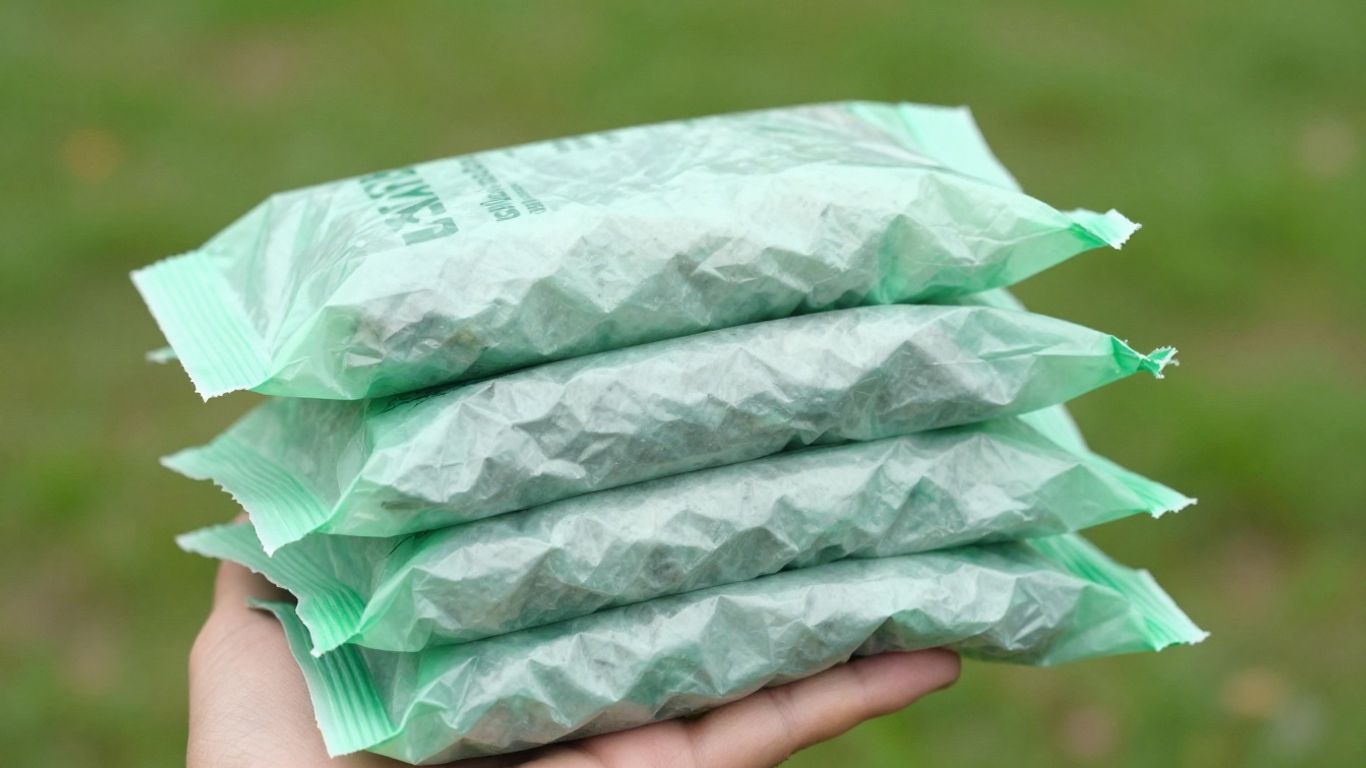
Alright, let’s talk about dog poop bags. It can get a little confusing out there with all the different terms, right? You see ‘biodegradable,’ ‘compostable,’ and you think, ‘Okay, they all just break down, easy peasy.’ But it’s not quite that simple, and understanding the differences is actually pretty important if you’re trying to be a bit kinder to the planet.
The Nuances of ‘Biodegradable’
So, what does ‘biodegradable’ actually mean when it comes to these bags? Essentially, it means the bag can be broken down by tiny living things, like bacteria and fungi, into natural elements over time. Sounds good, right? The catch is, ‘over time’ can mean a lot of time, and it really depends on the conditions. If a ‘biodegradable’ bag ends up in a typical landfill, which is usually dark and has very little oxygen, it might just sit there for ages, barely changing. It’s not like it magically disappears the moment you toss it.
The Promise of Compostable Materials
Then you have ‘compostable’ bags. These are often made from plant-based stuff, which sounds promising. The idea is that these bags are designed to break down completely in a specific environment – usually an industrial composting facility. Think high heat, lots of air, and lots of microbes doing their thing. In the right setting, these bags can turn into nutrient-rich compost, like humus, in just a few months. But, and this is a big ‘but,’ if a compostable bag doesn’t make it to that special composting environment and ends up in a regular trash bin heading to a landfill, it won’t break down properly. It needs those specific conditions to work its magic.
Distinguishing Between Bag Types
It’s really about where and how the bag is meant to break down. Here’s a quick rundown:
- Biodegradable: Breaks down naturally over time, but the speed and completeness depend heavily on the environment. Might not break down well in a landfill.
- Compostable: Designed to break down into compost under specific conditions (usually industrial composting). Requires the right environment to work.
- Oxo-degradable: These are treated plastics that break down faster with air exposure. They’re a bit controversial because they can still leave behind microplastics and aren’t always fully degradable.
When you’re picking out poop bags, remember that even the most eco-friendly option isn’t a free pass to leave your dog’s waste lying around. Always pick it up, and then focus on disposing of the bag correctly based on its type.
Understanding these terms helps you make a more informed choice. It’s not just about a label; it’s about how the bag is designed to interact with the environment after you’re done with it. For a deeper dive into what makes a bag truly eco-friendly, you might want to look into certified compostable standards.
Key Features of Eco-Conscious Dog Poop Bags

When you’re looking for dog poop bags that are kinder to the planet, there are a few things to keep an eye out for. It’s not just about a bag being "biodegradable"; there’s a bit more to it than that. We want bags that actually break down properly and don’t just turn into tiny plastic bits.
Certified Compostable Standards
This is where things get serious. A bag that’s truly eco-friendly will have certifications. Think of it like a stamp of approval. The big ones to look for are standards like ASTM D6400 or EN 13432. These mean the bag is designed to break down completely in an industrial composting facility within a specific timeframe, leaving no nasty residue behind. You’ll often see labels from organizations like the Biodegradable Products Institute (BPI) or OK Compost. These aren’t just marketing words; they’re proof that the bag meets real compostability rules. Getting bags with these certifications is the best way to know you’re making a good choice.
Plant-Based and Recycled Content
Beyond certifications, what the bag is made of matters a lot. The most planet-friendly options usually come from renewable sources, like plants, or from recycled materials. Bags made from things like cornstarch or sugarcane are becoming more common. They generally have a smaller environmental footprint to produce. Some bags use recycled plastic, which is also a decent option if composting isn’t available in your area. It means you’re not asking for new plastic to be made just for poop duty. It’s good to see brands being upfront about their materials; some even have USDA Biobased Certifications showing a high percentage of plant-derived content.
Durability and Practical Design
Let’s be real, an eco-friendly bag that rips the moment you pick up after your dog isn’t much good to anyone. So, while we’re aiming for green, we still need a bag that works. The best bags manage to be both sustainable and strong. They often use multiple layers of plant-based films or have natural fillers mixed in to give them extra sturdiness. You want a bag that feels thick enough and won’t leak. Checking out reviews can give you a good idea of how well a bag holds up in real-world situations. For example, Earth Rated Poop Bags are often mentioned for their reliability and strength, preventing leaks and tears.
It’s easy to get caught up in the ‘eco’ labels, but digging a little deeper into what those labels actually mean and what the bags are made from is key. A certified compostable bag made from plants is generally a better bet than one that just claims to be biodegradable without any proof.
Okay, so you’re trying to pick out some dog poop bags that are actually good for the planet, not just labeled that way. It can get confusing fast with all the different terms out there. Let’s break down what those certifications really mean.
Understanding ASTM D6400 and EN 13432
These are the big ones when it comes to compostable materials. Think of them as the official stamp of approval that says a bag will break down properly under specific conditions. ASTM D6400 is the U.S. standard, and EN 13432 is the European one. Both basically mean the bag will fully decompose in an industrial composting facility within a set amount of time, leaving behind no yucky plastic bits or toxins. This is super important because just saying "biodegradable" doesn’t guarantee much. Bags that meet these standards are usually made from plant-based materials like cornstarch.
The Significance of BPI and OK Compost Labels
When you see a BPI (Biodegradable Products Institute) certification or an OK Compost label, it means a third party has checked that the bag meets those ASTM or EN standards we just talked about. It’s like having an independent auditor say, "Yep, this bag is legit compostable." There are a few different OK Compost labels, like OK Compost INDUSTRIAL and OK Compost HOME. The HOME one is pretty rare for dog poop bags, so most of the time, you’ll be looking for bags that are certified for industrial composting. This is a good sign that the company is being upfront about their product’s environmental claims. Some brands, like UNNI Pet Waste Bags, even boast triple certification, meeting multiple standards at once [dbfc].
Recognizing USDA Biobased Certifications
This certification is a bit different. The USDA Biobased label tells you how much of a product is made from renewable biological sources, like plants, rather than petroleum. For example, a bag might be "41% USDA Certified Biobased." This is great because it means less reliance on fossil fuels for production. However, it’s important to remember that USDA Biobased certification doesn’t automatically mean the bag is compostable or biodegradable. It’s just about the origin of the materials. So, while it’s a good indicator of a more sustainable material source, you still want to check for compostability certifications if that’s your main goal.
Choosing the Right Biodegradable Bags Dog Poop for Your Needs
Okay, so you’ve decided to go the eco-friendly route for picking up after Fido. That’s awesome! But with so many options out there, how do you actually pick the right ones? It can feel a bit overwhelming, honestly. You want something that works, doesn’t break the bank, and actually helps the planet, not just pretends to. Let’s break down what really matters when you’re standing there in the pet aisle, trying to make a good choice.
Prioritizing Certified Eco-Friendly Options
This is where you really want to pay attention. Just because a bag says "biodegradable" doesn’t mean it’s going to disappear in a few weeks. A lot of those claims can be a bit… fuzzy. The real deal comes with certifications. Think of them like a stamp of approval from a group that actually knows what they’re talking about. These certifications mean the bags have been tested and proven to break down under specific conditions. Without them, you’re kind of just guessing.
- ASTM D6400 and EN 13432: These are big ones. They mean the bag is designed to break down in industrial composting facilities. If your town has a program like that, these are your go-to.
- BPI (Biodegradable Products Institute) and OK Compost Labels: Seeing these on the packaging is a good sign. They mean the bags meet certain compostability standards.
- USDA Biobased Certification: This tells you the bag is made from plant-based materials, which is generally a greener choice.
The most important thing is to look for these certifications rather than just trusting a "green" label.
When you’re choosing, remember that the best intentions can go wrong if the bag doesn’t actually break down as advertised. Certifications are your best bet for knowing what you’re getting.
Considering Material Composition
What the bag is made of really matters. Most "eco-friendly" bags are moving away from traditional plastics. You’ll see a lot of bags made from plant-based stuff like cornstarch or sugarcane. These are generally better because they come from renewable resources. Some brands even use recycled materials, which is also a good way to reduce waste. It’s worth checking the packaging to see what percentage of the bag is made from these more sustainable sources. For example, some brands are really pushing the USDA Biobased Certification to show how much plant material they use.
Assessing Strength and Leak-Proof Qualities
Let’s be real, nobody wants a bag that rips. Being eco-friendly is great, but the bag still needs to do its primary job: contain the mess. You want a bag that feels sturdy enough in your hand. Nobody likes that moment of panic when you think the bag might give way. Look for descriptions that mention durability or multi-layer construction. User reviews can be super helpful here too – people will definitely mention if bags are flimsy or prone to tearing. Earth Rated bags, for instance, are often praised for their strength, which is a big plus when you’re out and about.
Evaluating Top Biodegradable Bags Dog Poop Brands
Alright, so you’ve decided to go the eco-friendly route for your dog’s waste, which is awesome. But with so many brands out there, how do you pick the right one? It can feel like a jungle, honestly. We’ve looked at a bunch of them, and here’s a breakdown of some standouts, focusing on what really matters.
Brand Performance and Durability Reviews
When it comes to poop bags, durability is king. Nobody wants a bag that’s going to split open mid-walk, right? We’ve seen some bags that claim to be "biodegradable" but feel super thin and just don’t hold up. On the flip side, brands like Earth Rated have a ton of positive reviews, and for good reason. They’re known for being sturdy, which is a big deal when you’re dealing with, well, dog poop. They’re a reliable choice that many dog owners trust. You can find these bags pretty easily, which is a plus when you’re running low.
It’s easy to get caught up in the "green" claims, but the most important job of a poop bag is to contain the mess. If a bag rips or leaks, it doesn’t matter how plant-based it is; it’s failed its primary purpose. Look for bags that have a decent thickness and feel substantial in your hand.
Cost-Effectiveness and Bulk Purchasing
Let’s talk money. Picking up poop is a daily task, so the cost per bag adds up. Some brands offer huge packs, which can significantly lower the price per bag. For example, Pet N Pet often comes up as a good value, especially when you buy in larger quantities. They also carry a USDA Biobased certification, which is a nice bonus. While the initial cost of a big box might seem high, it’s usually the most economical way to go if you have a multi-dog household or just want to stock up. Just make sure the quality is still there, even with the lower price point.
Here’s a quick look at some popular options and their general value:
| Brand | Typical Pack Size | Approx. Cost per Bag | Key Feature |
|---|---|---|---|
| Pet N Pet | 1,080 ct | ~$0.02 | USDA Biobased Cert |
| Earth Rated | 270 ct | ~$0.033 | High Reviews |
| Pogi’s | 450 ct | ~$0.022 | Easy-Tie Handles |
| Amazon Basics | 540 ct | ~$0.014 | Budget Focus |
Specific Features for Different Needs
Not all dog owners are the same, and neither are their needs. Some people prefer bags with handles, which can make tying them up a bit easier, especially if you have larger hands or a bigger mess. Pogi’s is one brand that offers bags with these tie handles. Others might prioritize extra-long bags for added security, or bags made from specific materials like cornstarch if they’re committed to a particular composting method. If you have a giant breed, you might need larger bags altogether. It’s worth checking out brands like Wild One if you need something specifically designed for larger waste volumes. Thinking about how you’ll actually use the bags on your daily walks can help narrow down the choices considerably.
Proper Disposal of Biodegradable Bags Dog Poop
So, you’ve picked out some great eco-friendly bags for your dog’s business. Awesome! But what happens next? It’s not quite as simple as just tossing them anywhere. How you get rid of these bags really matters if you want them to actually do some good.
The Role of Industrial Composting Facilities
Compostable bags, the kind made from plant stuff, are designed to break down in a specific environment. Think high heat, lots of air, and busy microbes. That’s what you find in industrial composting facilities. These places are set up to handle things like food scraps and certified compostable packaging. If your "compostable" dog poop bags make it to one of these facilities, they can turn into nutrient-rich compost in a few months. It’s pretty neat, but here’s the catch: most of us don’t have easy access to these industrial sites. So, while it’s the ideal scenario for these bags, it’s often not a practical one for everyday dog owners.
Landfill Considerations for Biodegradable Bags
Okay, so what if you can’t get to an industrial composter? Most "biodegradable" or even "compostable" bags, when tossed in a regular trash bin, end up in a landfill. And landfills are usually pretty sealed off, meaning not much air or light gets in. This lack of oxygen and moisture means that even bags designed to break down will do so very, very slowly, sometimes taking hundreds of years, much like regular plastic. Some bags are specifically made to break down better in these low-oxygen landfill conditions, often indicated by certifications like ASTM D5511-18. If you’re using these types of bags, you’re still making a better choice than conventional plastic, as they’re designed to degrade faster in that specific environment. Always seal the bag well before putting it in the household trash bin.
Avoiding Improper Disposal Methods
This might seem obvious, but it’s worth saying: never leave dog poop lying around, whether it’s bagged or not. It’s not just unsightly; it can spread germs and pollute waterways. Also, please don’t flush these bags down the toilet. Even if the bag claims to be flushable or water-soluble, it can cause serious clogs in your plumbing and the municipal sewer system. They aren’t designed to break down quickly enough in water systems. Stick to the trash bin for most bags, or look into local programs if industrial composting is an option for you.
Here’s a quick rundown:
- Always pick up after your dog. No exceptions.
- Seal the bag tightly before disposal to contain odors and waste.
- Use the trash bin for most bags unless you have access to an industrial composting facility that accepts them.
- Never flush dog poop bags down the toilet.
The goal is to contain the waste and ensure it breaks down as intended, or at least in a way that minimizes harm. Choosing the right bag is only part of the equation; responsible disposal is the other half.
Wrapping It Up: Making the Best Choice for You and the Planet
So, we’ve gone over the differences between biodegradable and compostable bags, and why just saying a bag is ‘green’ doesn’t always mean it is. It can get a little confusing, right? The main thing to remember is that how and where you throw the bag away really matters. If you can’t compost them properly, a bag certified for landfill breakdown might be your best bet. Look for those certifications like ASTM D5511-18 or the Green Leaf Certificate. Ultimately, picking a bag that’s strong enough not to break on you is important too. No matter what bag you choose, the most eco-friendly thing you can do is always pick up after your dog. It’s a small step, but it makes a difference for our communities and the environment.
Frequently Asked Questions
What’s the real difference between ‘biodegradable’ and ‘compostable’ poop bags?
Think of ‘biodegradable’ as a general term meaning something can break down over time. But, many biodegradable bags need special conditions, like heat and air, to break down quickly. If they end up in a regular trash dump (landfill), they might not break down much at all. ‘Compostable’ bags are made to break down into healthy soil in specific places called composting facilities. They need those special conditions to work. If a compostable bag goes to a landfill, it also won’t break down well because it lacks the right heat and air.
Are ‘biodegradable’ bags actually good for the environment if they end up in a landfill?
Not really. While the idea is good, most landfills don’t have the right conditions like plenty of air and heat for biodegradable bags to break down quickly. So, even if a bag is labeled ‘biodegradable,’ it might just sit there for a very, very long time, similar to regular plastic. It’s much better if these bags can actually get to a place where they can decompose properly.
What should I look for to know if a poop bag is truly eco-friendly?
Look for official certifications on the packaging! Standards like ASTM D6400 or EN 13432 are good signs. These mean the bags have been tested and are proven to break down in industrial composting conditions. Labels from groups like the Biodegradable Products Institute (BPI) or ‘OK Compost’ also show that the bags meet certain eco-friendly standards. Also, check if the bags are made from plant-based stuff like cornstarch or recycled materials instead of brand-new plastic.
Can I just throw compostable poop bags in my home compost bin?
Usually, no. Most compostable dog poop bags are made for industrial composting facilities, which get much hotter than a typical home compost bin. While some might break down slowly at home, they often don’t get hot enough to fully decompose. Plus, many places don’t allow pet waste in home compost piles because of potential germs. It’s best to check if your local composting service accepts pet waste or if there’s a special program for it.
What makes a poop bag strong and reliable?
Even eco-friendly bags need to do their job! A good bag should be strong enough so it doesn’t rip when you pick up poop. Many brands achieve this by using multiple layers of plant-based material or adding natural ingredients to make them tougher. It’s also important that they don’t leak. Reading reviews or checking the product description for details on thickness and leak-proof design can help you find a bag that’s both kind to the planet and practical to use.
What’s the best way to dispose of dog poop bags if I don’t have access to composting?
If composting isn’t an option where you live, the next best thing is to use bags that are designed to break down better in landfills. Look for certifications like ASTM D5511-18, which shows the bag can decompose in low-oxygen landfill conditions. These bags are still better than regular plastic because they are made with ingredients that help them break down faster than traditional plastics, even in a landfill. Once bagged, always throw them in a regular trash bin, never flush them down the toilet.