

You see them everywhere now, right? Bags and packaging that say “compostable” or “biodegradable.” It feels good to grab them, like you’re doing your part for the planet. But let’s be real for a second. Do these bags actually break down the way we think they do? It turns out the labels can be a bit tricky, and what “compostable” really means might surprise you. We’re going to unpack the truth behind these claims and figure out if compostable bags are really compostable.
Key Takeaways
- “Compostable” means a product breaks down into healthy soil under specific conditions, usually in an industrial composter, within a set time. “Biodegradable” is a looser term that just means it will break down eventually, but with no guarantee about how long or what’s left behind.
- Look for certifications like EN 13432 (Europe) or ASTM D6400 (US) to know if a bag is truly compostable. These are third-party tests that verify the claims.
- Most “compostable” bags are made for industrial composting facilities, not your backyard bin. Putting them in a regular landfill means they won’t break down properly and can even release harmful gases.
- Be wary of greenwashing. Some products use “biodegradable” as a marketing term without real proof of environmental benefit, and they might leave behind microplastics or other residues.
- The best outcome for compostable materials is turning into nutrient-rich humus that benefits the soil. If they don’t end up in the right place (a composter), they can just become waste like anything else.
Understanding Compostable Claims
You see them everywhere, right? Bags and containers proudly shouting "compostable" or "biodegradable," making you feel like you’re doing your part for the planet. But let’s be real, the difference between these terms isn’t just a small detail; it’s a pretty big deal for the environment. It’s easy to get confused, and honestly, a lot of that confusion is by design. Many products labeled "biodegradable" can actually leave behind tiny plastic bits that mess up our ecosystems. It’s like a magic trick where the trick is that it’s still polluting.
The Difference Between Compostable and Biodegradable
So, what’s the actual scoop? Think of it this way: all compostable things will eventually break down, meaning they are biodegradable. But just because something can break down doesn’t mean it will do so in a way that’s actually helpful. "Biodegradable" is a pretty loose term. It just means something will decompose over time, but that time could be hundreds of years, and what’s left behind might not be so great. "Compostable," on the other hand, means it breaks down into nutrient-rich soil, but this only happens under specific conditions, usually in an industrial composting facility. It’s a much more defined process with a positive outcome.
What "Compostable" Truly Means
When a product is truly compostable, it’s designed to become part of the soil. This means it needs to meet certain standards. In places like Europe, there’s a standard called EN 13432. For a product to meet this, it has to break apart completely within 12 weeks and then fully biodegrade within six months. It also can’t leave behind any yucky stuff like heavy metals or microplastics that would harm the soil or the plants grown in it. This controlled breakdown is what turns waste into a valuable resource for the earth. It’s about creating a closed loop where materials return to the soil, feeding it for future growth.
The Vague Promise of "Biodegradable"
"Biodegradable" is where things get murky. There aren’t many strict rules about what this label means. A product could be labeled "biodegradable" and still take ages to break down, or it might just fragment into smaller pieces of plastic, which we call microplastics. These tiny bits can end up in our oceans, our soil, and even our food. It’s a bit of a gamble, and often, it’s just a way for companies to make their products sound eco-friendly without actually committing to a truly sustainable process. It’s a classic example of greenwashing, where the label sounds good but doesn’t hold up to scrutiny. Many consumers struggle to tell the difference, with up to 49% finding it hard to distinguish between "compostable" and "biodegradable," leading to improper disposal. This confusion means that even well-intentioned choices can end up in the wrong waste stream.
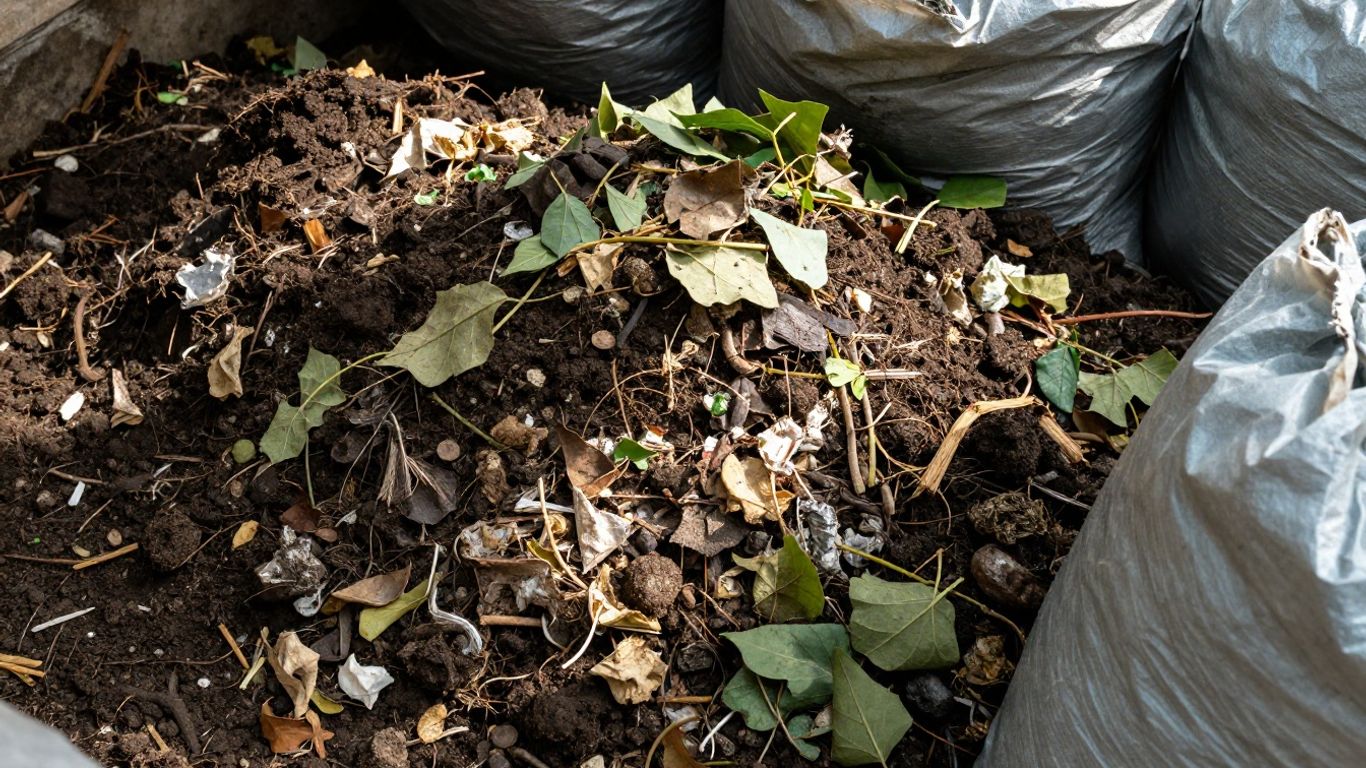
So, you’ve got a bag that says "compostable." Great! But how do you really know it’ll break down the way it’s supposed to? That’s where certifications come in. Think of them as the official stamp of approval, the proof that a product has actually been tested and meets certain standards. Without them, "compostable" can be a bit of a guessing game.
European Standards for Compostability
Europe has some pretty solid rules when it comes to compostability. They’ve got standards like the EN 13432, which is a big deal for materials meant for industrial composting. This standard lays out specific requirements for things like disintegration, biodegradation, and ecotoxicity. Basically, it checks if the material breaks down completely, doesn’t leave behind any harmful bits, and is safe for the environment. It’s a pretty thorough process.
Home Compostable vs. Industrial Compostable
This is a super important distinction, and honestly, it trips a lot of people up. Not all "compostable" items are created equal. Some are designed for the high heat and specific conditions found in big, commercial composting facilities. Others, however, are made to break down in your backyard compost bin. You absolutely need to check the label to see which environment it’s designed for. Putting an industrially compostable item in your home bin might just mean it sits there for a very, very long time, or worse, contaminates your compost.
Here’s a quick rundown:
- Industrial Compostable: Requires the controlled environment of a commercial composting facility. These often have certifications like the BPI Compostable Certification. They break down quickly under specific heat and moisture levels.
- Home Compostable: Designed for your backyard compost pile. These need to break down under less intense conditions over a longer period. Look for specific home composting certifications.
The Importance of Third-Party Certifications
Why trust a third party? Because they’re unbiased. They’re not the company selling the bag; they’re an independent group that tests the product rigorously. Third-party certifications provide independent testing and verification, proving that a compostable product actually works as advertised. It’s the best way to avoid greenwashing and be sure you’re making a good choice. Certifications like the one from the Biodegradable Products Institute (BPI) are key indicators that a product meets the necessary standards for commercial composting. You’ll often see logos from organizations like TÜV AUSTRIA (OK compost) as well, which have their own rigorous testing protocols.
When you see a certification logo, it’s more than just a pretty picture on the package. It’s a promise backed by science, indicating that the product has been tested to break down safely and completely within a specific timeframe and environment, leaving behind no toxic residues. This verification is what separates genuinely compostable items from those that are just vaguely labeled.
The Environmental Impact of Compostable Bags
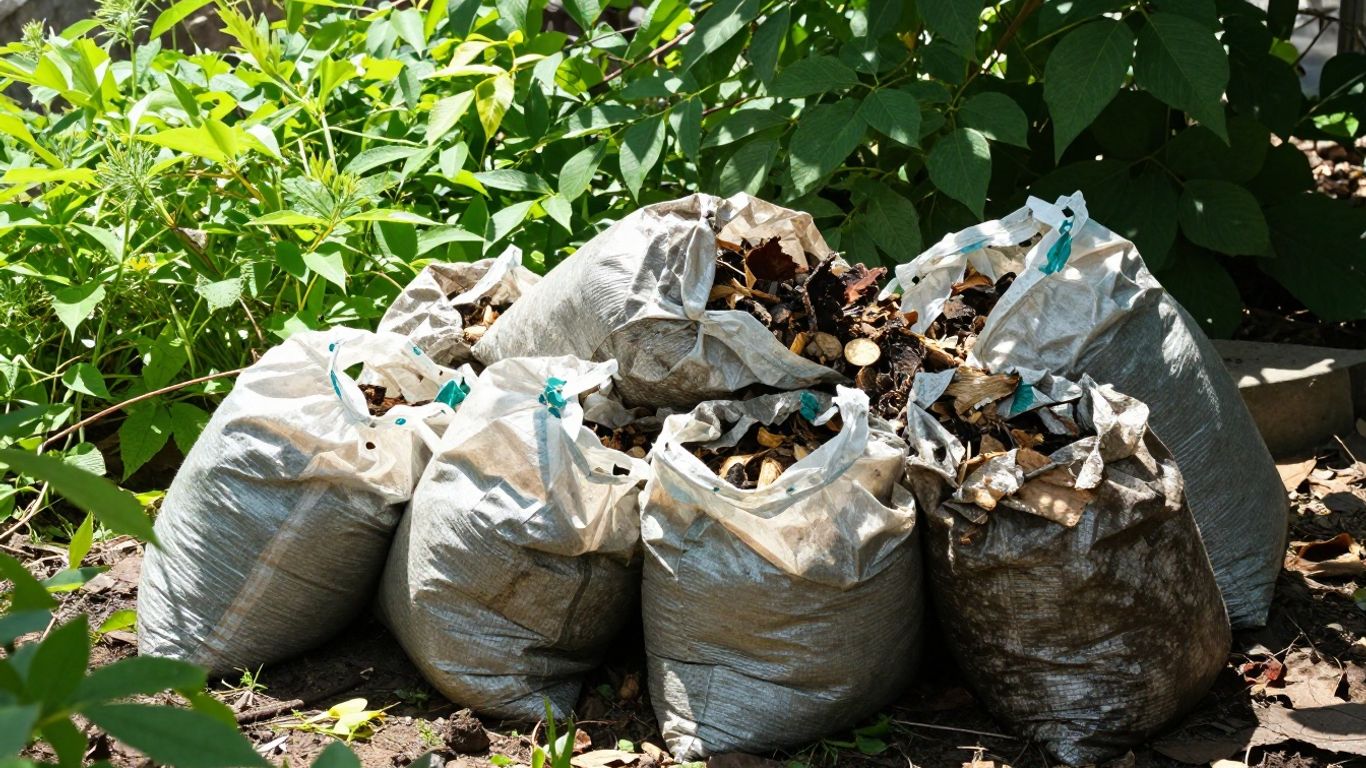
So, you’ve switched to compostable bags, thinking you’re doing the planet a solid. That’s great! But what actually happens to them once they leave your hands? It’s not always as straightforward as you might think, and understanding their journey is key to making truly eco-friendly choices.
What Happens in a Landfill?
This is where things can get a bit murky. When compostable bags end up in a landfill, they often don’t get the chance to break down properly. Landfills are typically packed tight, which means there’s very little oxygen. Without oxygen, organic materials can’t decompose the way they’re supposed to. Instead, they break down in a way that releases methane, a greenhouse gas that’s way more potent than carbon dioxide. So, a compostable bag in a landfill is pretty much a wasted opportunity, and potentially worse than you thought.
For a compostable product to truly benefit the environment, it needs to reach a composting facility. Tossing it in the regular trash completely negates its intended purpose and environmental advantages.
The Benefits of True Composting
When compostable bags do make it to the right place – an industrial composting facility – they can be part of something really positive. The composting process turns waste into a valuable resource. Here’s what that looks like:
- Creates Nutrient-Rich Soil: The end product is humus, which is fantastic for enriching soil, helping plants grow healthier, and reducing the need for chemical fertilizers.
- Reduces Landfill Waste: Diverting organic materials from landfills means less waste piling up, and less methane being produced.
- Supports a Circular Economy: It’s a way to keep materials in use and turn them back into something useful, rather than just throwing them away.
Microplastics and Chemical Residues
Sometimes, even when bags are labeled ‘biodegradable’ or ‘compostable,’ they don’t break down completely. Instead, they can fragment into smaller pieces. These tiny bits, sometimes called microplastics, can linger in the environment. There’s also a concern that some materials might leave behind chemical residues. While certified compostable bags are designed to break down into harmless components like carbon dioxide and water, it’s important to be aware that not all ‘eco-friendly’ claims are created equal. Some studies have shown that leachates from certain types of bags, including compostable ones, can have moderate toxicity to marine life, which is definitely something to consider [017f]. Making sure your bags are certified compostable is your best bet for avoiding these issues.
Decoding Product Labels
So, you’re standing in the store, trying to do the right thing for the planet. You see "compostable" and "biodegradable" splashed across packaging, and you grab the one that sounds greenest. But here’s the thing: those labels can be super confusing, and sometimes, they’re just plain misleading. It’s like trying to pick out a healthy snack when everything is covered in sugary frosting.
Why Labeling is Crucial
Labels are supposed to be our guide, right? They tell us what we’re buying and what to do with it when we’re done. For compostable products, a clear label is the difference between something that actually helps the environment and something that just ends up in a landfill, doing more harm than good. Without good labeling, we’re basically guessing.
- Clarity on Disposal: Labels should tell you if a product needs to go to an industrial composting facility or if you can toss it in your backyard compost bin.
- Environmental Promise: A proper label confirms that the product will break down into harmless components, like soil, water, and carbon dioxide.
- Avoiding Contamination: Clear labeling helps waste management facilities sort materials correctly, preventing non-compostable items from messing up batches of compost.
Recognizing Greenwashing Tactics
This is where things get tricky. "Greenwashing" is when companies make their products sound more eco-friendly than they really are. They might use vague terms or pretty green logos that don’t actually mean much.
- "Biodegradable" without a Timeline: This is a big one. Something can be biodegradable over hundreds of years, which isn’t helpful for actual composting.
- Vague "Eco-Friendly" Claims: Phrases like "earth-friendly" or "natural" are often used without any real proof or standards.
- Misleading Certifications: Some companies might create their own "eco-logos" that look official but aren’t backed by any independent testing.
The real problem is that a lot of these terms are not regulated. So, a company can slap "biodegradable" on a plastic bag, and technically, it might break down eventually, but not in a way that benefits the environment or fits into composting systems. It’s a marketing game, and we’re often the ones who get played.
Making Informed Consumer Choices
So, how do you actually know what to buy? It comes down to looking for proof and understanding what different certifications mean. Always look for third-party certifications on the packaging. These are like independent seals of approval that show the product has met specific standards.
Here’s a quick checklist:
- Check for Certifications: Look for logos from reputable organizations like BPI (Biodegradable Products Institute) or TÜV Austria (for home compostability).
- Understand the Type: Does it say "Industrially Compostable" or "Home Compostable"? This tells you where it needs to go.
- Read the Fine Print: Sometimes, the packaging will give more details about the breakdown process or what conditions are needed.
Remember, a certified compostable bag is only compostable if it gets to the right place. If your local waste service doesn’t accept compostable plastics, or if you don’t have a home compost system that can handle it, even a certified bag might end up in the trash. It’s about matching the product to your local waste management infrastructure.
| Label Type | What it Means | Disposal Needs | Potential Environmental Outcome |
|---|---|---|---|
| Certified Compostable | Meets specific standards for breaking down into compost within a set timeframe. | Industrial composting facility or home compost bin (depending on certification). | Turns into nutrient-rich soil, reducing landfill waste and greenhouse gas emissions. |
| Biodegradable | Will break down over time, but the timeline and conditions are often unclear. | Usually ends up in landfill or general waste. | Can take a very long time, may release methane in landfills, and can leave behind microplastics or harmful residues. |
| Home Compostable | Certified to break down in a typical backyard compost environment. | Home compost bin. | Similar benefits to industrial composting, but on a smaller, domestic scale. |
| Industrially Compostable | Requires the higher temperatures and conditions found in commercial facilities. | Industrial composting facility only. | Contributes to large-scale composting operations, but requires specific collection services. |
| No Specific Label | Standard plastic or material. | Landfill or recycling (if applicable). | Contributes to landfill waste, potential for pollution, and resource depletion. |
The Lifecycle of Compostable Materials
So, what actually happens to these bags once we’re done with them? It’s not as simple as just tossing them in the bin and forgetting about it. The whole point of a "compostable" bag is that it’s designed to break down in a specific way, turning into something useful instead of just more trash. But this breakdown process is highly dependent on the environment it ends up in.
Breakdown Processes and Timelines
When we talk about compostable materials, we’re usually talking about items designed for industrial composting facilities. These places have the right conditions – high heat, moisture, and a good mix of microbes – to break down certified compostable products relatively quickly. We’re talking months, not centuries. Think of it like a carefully managed recipe for decomposition.
- Industrial Composting: This is the gold standard. Bags break down into carbon dioxide, water, and biomass within about 90 to 180 days, provided the facility meets specific standards. This is where products certified to standards like ASTM D6400 shine.
- Home Composting: Some products are designed for your backyard compost bin, but these often require more active management and may take longer than industrial composting.
- Landfills: This is where things go wrong. In a landfill, the lack of oxygen means compostable materials can’t break down properly. Instead, they can produce methane, a potent greenhouse gas. So, tossing a "compostable" bag in the regular trash defeats its purpose.
The End Product: Humus vs. Pollutants
This is a big one. What’s left behind after the breakdown is what really matters. Certified compostable products, when they break down correctly, turn into humus. This is good stuff – nutrient-rich organic matter that helps soil health. It’s like turning waste into a resource for growing more plants. You can explore the complete journey of compostable tableware, from plant-based origins to soil-enriching compost, to get a better idea of this positive cycle here.
On the flip side, materials labeled only as "biodegradable" don’t have this guarantee. They might break down, sure, but they can also fragment into microplastics or leave behind chemical residues. These tiny particles can end up polluting our soil and water, which is definitely not the goal.
Designed for Specific Environments
It’s really important to remember that "compostable" isn’t a one-size-fits-all term. A bag that’s certified compostable for an industrial facility might not break down well in your home compost bin, and vice-versa. The conditions matter a lot. This is why looking for specific certifications is so important. Without the right environment, even a product designed to be compostable can end up causing problems, like contaminating recycling streams or just sitting in a landfill for ages. Understanding the life cycle assessment of these products helps clarify their intended end-of-life scenario.
Are Compostable Bags Really Compostable?
So, we’ve talked about what "compostable" is supposed to mean, and how certifications help. But the big question remains: do these bags actually do what they claim when we toss them out? It’s not as simple as just throwing them in the bin and forgetting about them.
Testing Compostable Bags in Various Environments
When we talk about compostable bags, we’re usually talking about materials designed for a very specific environment: an industrial composting facility. These places are like super-charged compost heaps, running at high temperatures and with just the right mix of microbes. In these controlled conditions, bags certified to standards like EN 13432 can break down into carbon dioxide, water, and biomass within about six months. That’s the ideal scenario, and it’s why you’ll see certifications like BPI or EN 13432 being important [fe30].
But what happens when these bags end up somewhere else? Studies have shown that in environments they weren’t designed for, like the ocean or even just buried in soil, they don’t always break down as expected. Some might disappear in seawater after a few months, but others might just sit there, or tear easily when used for carrying things. The problem is, there are so many different places a bag could end up, and each has its own conditions for breakdown.
The Role of Industrial Composting Facilities
This is where the magic (or lack thereof) happens. For a compostable bag to fulfill its promise, it really needs to get to an industrial composting facility. These facilities are equipped to handle the specific conditions needed for rapid and complete decomposition. Without them, the bag’s journey is likely to be a disappointing one. If you just toss a "compostable" bag into your regular trash, it’ll likely end up in a landfill. And in a landfill, with little to no oxygen, decomposition slows to a crawl, and can even produce methane, a potent greenhouse gas. So, the destination really matters.
When Compostable Bags Fail to Deliver
It’s easy to get confused by labels. A bag might say "compostable," but if it doesn’t have a recognized certification, or if it’s not sent to the right facility, it might not break down properly. This is especially true for bags intended for home composting, which require a different certification like OK Home Compost, as they operate at much lower temperatures than industrial ones. Without the right conditions, these bags can just persist, potentially breaking into smaller pieces rather than becoming healthy compost. The key takeaway is that "compostable" is a specific, verified standard, while "biodegradable" is often a vague marketing term.
Here’s a quick look at what happens in different scenarios:
| Environment | Compostable Bag Behavior (General) |
|---|---|
| Industrial Composter | Breaks down into CO2, water, and biomass within ~6 months (if certified) |
| Home Compost Bin | May not break down effectively; requires "Home Compostable" cert. |
| Landfill | Slow decomposition, potential methane production; defeats purpose |
| Ocean/Soil (uncontrolled) | Variable breakdown; may not fully degrade or leave residues |
Ultimately, the effectiveness of a compostable bag hinges on its intended environment and whether it actually reaches that environment. Without proper disposal in a composting facility, even a certified compostable bag might not live up to its eco-friendly potential.
So, What’s the Takeaway?
Alright, so we’ve dug into this whole compostable bag thing, and it’s clear it’s not as simple as just tossing them in the bin and forgetting about them. The big difference really comes down to what happens after they break down. Certified compostable stuff is designed to turn into good soil, but only if it gets to the right place – usually an industrial composter. Just throwing them in your regular trash or even your home compost bin might not cut it. Biodegradable? That term is pretty loose, and honestly, it can mean anything from breaking down in a few months to taking hundreds of years, sometimes leaving yucky microplastics behind. The main thing to remember is to look for those certifications, like the European standard or the OK Home Compost label. If you don’t see proof, it’s probably just marketing. Making the right choice means checking what your local waste system can actually handle, because a compostable bag in a landfill is pretty much useless. It’s all about knowing the labels and understanding where your waste actually goes.
Frequently Asked Questions
What’s the real difference between ‘compostable’ and ‘biodegradable’?
Think of ‘compostable’ as a specific promise: the item will break down into healthy soil in a set amount of time, usually in a special composting facility. ‘Biodegradable’ is a much vaguer term, meaning it will break down eventually, but it could take hundreds of years and might leave behind harmful tiny plastic bits. All compostable things are biodegradable, but not all biodegradable things are compostable.
Can I throw ‘compostable’ bags in my home compost bin?
Usually, no. Most bags labeled ‘compostable’ need the high heat and specific conditions found in industrial composting facilities to break down properly. Your backyard compost bin likely won’t get hot enough. Look for a special ‘Home Compostable’ label if you want to compost at home.
What happens to compostable bags if they end up in a landfill?
They don’t break down as intended. Landfills are packed tight with no air, which prevents proper composting. Instead, they might break down slowly without oxygen, releasing methane, a gas that’s bad for the environment. For a compostable bag to work its magic, it needs to go to a composting facility.
How do I know if a bag is truly compostable?
Look for official certifications on the packaging. In Europe, the standard is EN 13432, and in the US, it’s often ASTM D6400. These certifications mean the bag has been tested and proven to break down correctly in industrial composters. Labels like ‘OK Compost HOME’ mean it’s safe for your backyard bin.
Why are ‘biodegradable’ labels sometimes misleading?
The term ‘biodegradable’ isn’t well-regulated. Companies can use it even if the item takes a very long time to break down or leaves behind harmful microplastics. It’s more of a marketing term than a guarantee of environmental benefit, unlike ‘compostable’ which has strict testing requirements.
What’s the best outcome for a compostable bag?
The goal is for the compostable bag to break down completely into carbon dioxide, water, and healthy soil, also known as humus. This nutrient-rich compost can then be used to help plants grow, improving soil quality. It’s like turning trash into treasure for the earth.