

The way we make and think about shoes is changing. It’s not just about looking good anymore; it’s about being good to the planet too. We’re seeing a lot of new ideas pop up, from materials that can be used again to tech that makes shoes smarter. This article looks at what’s new in the world of recyclable shoes and what it means for the future.
Key Takeaways
- New materials and smart technology are making recyclable shoes more practical and high-performing.
- The industry is working towards a circular economy where old shoes are reused, not thrown away.
- Making shoes in a way that’s better for the environment, like using less water and more recyclable parts, is becoming standard.
- People want to buy shoes that are made ethically and want to know where they come from.
- Future shoes will likely use more plant-based stuff, have digital tags to show their green credentials, and be made with less impact on the planet.
Innovations Driving Recyclable Shoes
It’s pretty wild how much shoes are changing these days, right? It feels like every other week there’s some new tech or material popping up that’s supposed to be better for the planet. And honestly, it’s about time. For ages, shoes were just, well, shoes. You wore them out, and then they went to the landfill. But now, things are different. Companies are actually thinking about what happens after you’re done with them.
Advanced Materials for Sustainable Footwear
So, what’s actually making these new shoes possible? A lot of it comes down to the stuff they’re made of. We’re seeing a big push away from traditional plastics and leathers that stick around forever. Instead, brands are experimenting with all sorts of things. Think plant-based leathers made from pineapple leaves or mushroom roots. There are also cool developments in recycled materials, like turning old plastic bottles or even fishing nets into durable shoe components. It’s not just about looking good; it’s about using materials that don’t harm the earth when they’re eventually discarded. Some companies are even looking at things like algae-based foams, which sounds a bit out there, but it’s a real thing and it’s pretty neat.
Technological Integration in Shoe Design
Beyond just the materials, technology is playing a huge role in making shoes more sustainable and, frankly, smarter. Designers are using advanced software to create shoes that use less material overall, or that are easier to take apart later. This means thinking about how different parts are put together, like using glues that can be dissolved or designing components that snap together instead of being permanently bonded. It’s a whole new way of thinking about shoe construction. For example, some brands are exploring 3D printing for custom fits, which could reduce waste by making shoes only when they’re ordered. It’s a complex puzzle, trying to balance performance, comfort, and recyclability all at once.
Smart Footwear for Health and Performance
This is where things get really interesting, and maybe a little sci-fi. We’re starting to see shoes that do more than just cover your feet. Some are being developed with sensors that can track your steps, your gait, and even pressure points. This is especially helpful for athletes looking to improve their performance or prevent injuries. But it’s also being used for health monitoring, like for people with diabetes who need to keep an eye on foot health. The idea is that by gathering this data, we can create footwear that’s not only better for the environment but also actively contributes to our well-being. It’s a big shift from just thinking about shoes as passive items to active participants in our lives.
The complexity of modern shoes, often made from over 40 different materials, presents a significant hurdle for recycling. Developing effective methods to break down these intricate constructions is key to diverting them from landfills.
It’s a lot to take in, but it’s exciting to see these changes happening. It feels like we’re finally moving towards a future where our footwear doesn’t have to be a burden on the planet. Brands like Portugal Shoes are already showing what’s possible with their commitment to eco-friendly practices.
The Circular Economy in Footwear
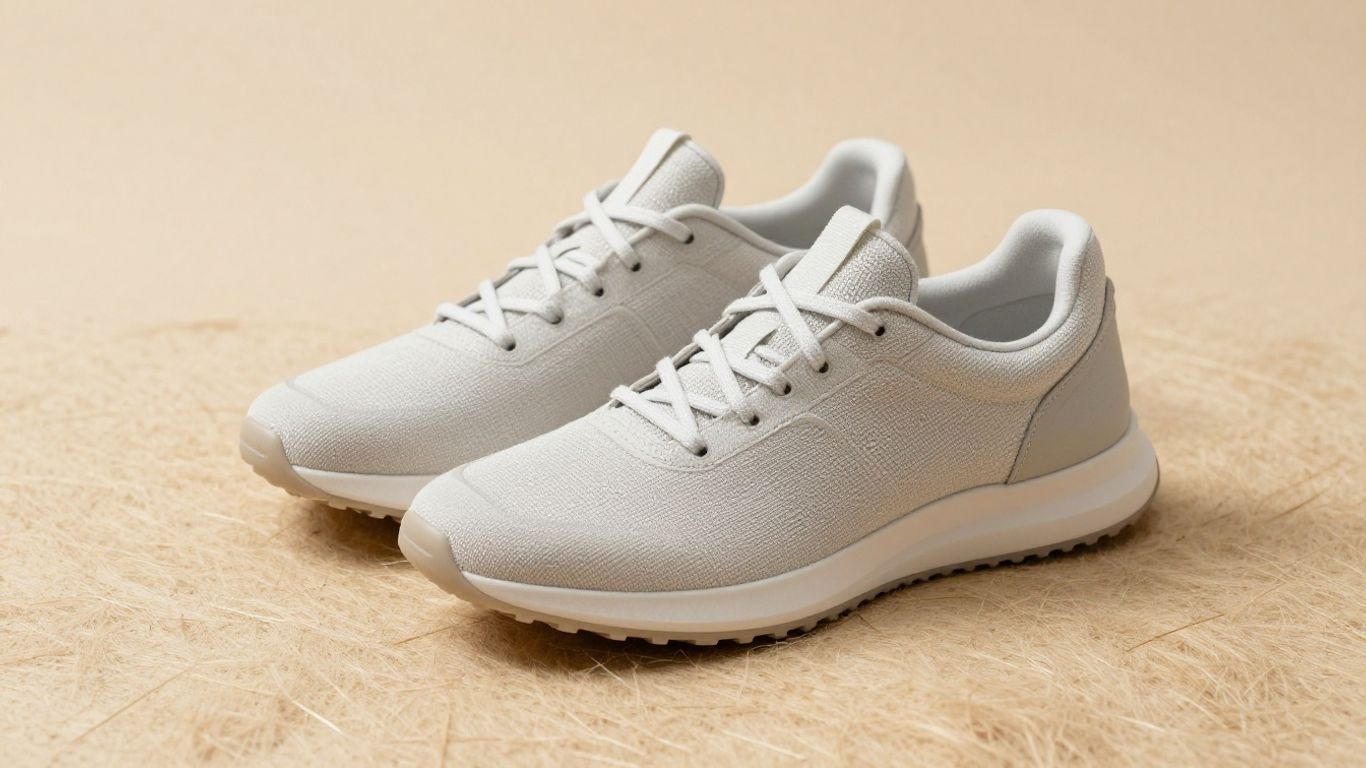
So, what does it mean for shoes to be part of a circular economy? Basically, it’s about moving away from the old "take-make-dispose" way of doing things. Instead, we want to keep shoes and their materials in use for as long as possible. This means designing them to be taken apart easily, using materials that can be recycled, and then actually having systems in place to collect and process them. It’s a big shift, and honestly, it’s pretty complicated.
Closing the Loop on Discarded Shoes
Globally, we’re talking about billions of shoes made every year. The problem is, most of them end up in landfills. This happens because shoes are often made of many different materials glued together, making them tough to break down. Plus, we just don’t have great systems for collecting old shoes yet. Projects like the "Closing the Footwear Loop" initiative are trying to change this by getting brands and organizations to work together. The goal is to create a system where old shoes don’t just become trash.
- Design for Disassembly: Making shoes so they can be easily taken apart at the end of their life.
- Material Innovation: Finding and using materials that are easier to recycle or reuse.
- Collection Programs: Setting up ways for people to easily return their old shoes.
The complexity of shoe construction, with over 40 different components and materials like TPU, EVA, PU, and rubber, presents a major hurdle. When combined with low collection rates, the vast majority of discarded footwear ends up in landfills or incinerated.
Recycling Processes for Complex Materials
Recycling shoes isn’t like recycling a plastic bottle. Because they’re made of so many different things – rubber soles, fabric uppers, foam insoles, and all sorts of adhesives – it’s a real challenge to separate them. Companies like FastFeetGrinded are developing ways to take in all sorts of shoes and break them down into usable material chunks. TerraCycle, another player, has developed a process that can recover over 97% of a shoe’s materials, even creating closed-loop systems where those materials go back into making new shoes. It’s about finding smart ways to handle these mixed materials. You can find out more about some of these efforts at The Footwear Collective.
Building Infrastructure for Footwear Circularity
To really make circularity work for shoes, we need more than just good ideas. We need the actual physical setup – the infrastructure. This includes collection points, sorting facilities, and advanced recycling plants. Organizations like The Footwear Collective are bringing together brands, recyclers, and even consumers to figure out what this infrastructure needs to look like. They’re mapping out how shoes move from being worn to being recycled, looking at what works and what doesn’t. The idea is to build a system that can handle the massive number of shoes produced each year, keeping them out of landfills and turning waste into resources. It’s a big undertaking that requires everyone to chip in.
Sustainable Manufacturing Practices
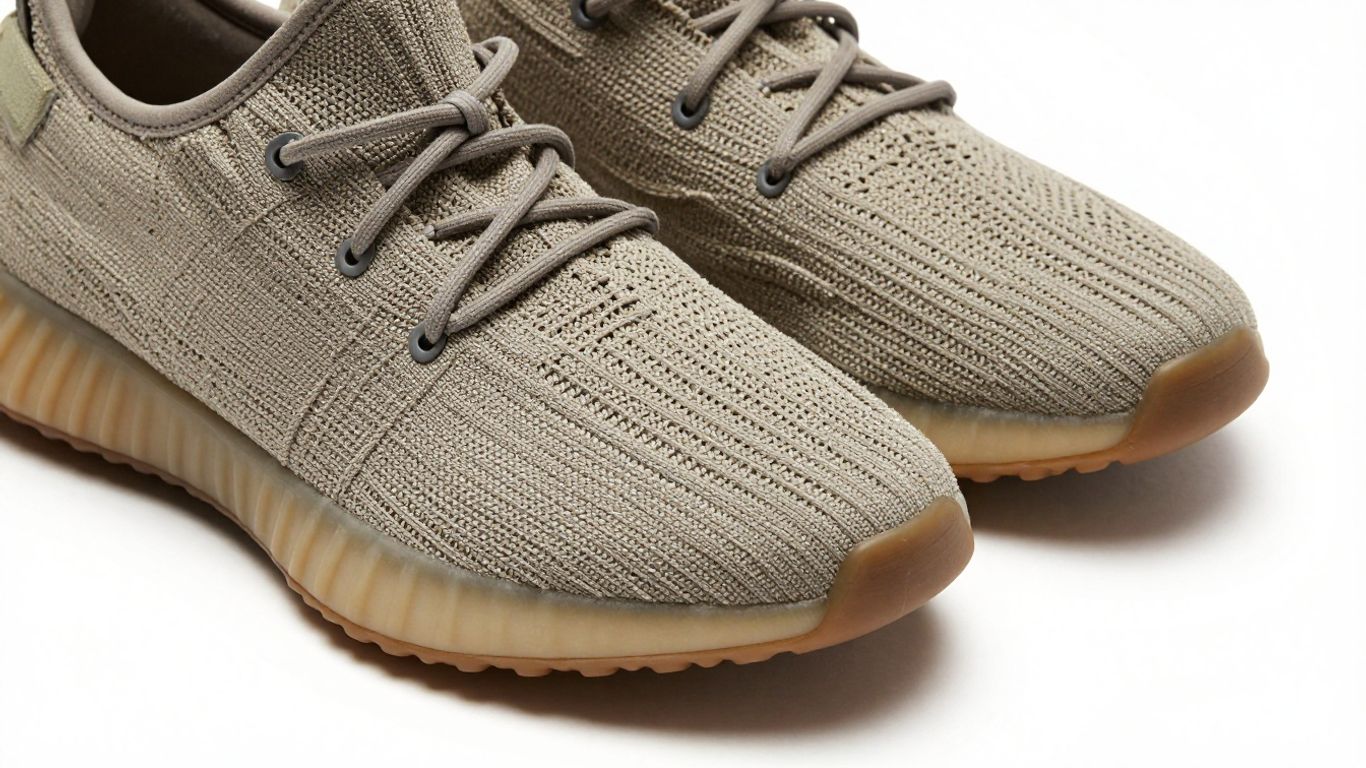
Making shoes that are good for the planet isn’t just about the materials you use; it’s also about how you put them together. The way shoes are manufactured has a huge impact, and thankfully, things are changing. We’re seeing a big shift towards making production cleaner and smarter.
Automation and Efficiency in Production
Think about how things used to be made – lots of hands-on work, which can be slow and sometimes inconsistent. Now, automation is stepping in. Robots and smart machines can do repetitive tasks faster and with more accuracy than ever before. This means production lines can speed up, getting more shoes made without sacrificing quality. It also helps cut down on waste because machines are precise. This increased efficiency is key to making sustainable practices economically viable. It’s not just about speed; it’s about doing things right the first time, every time.
Eco-Friendly Dyeing and Waterless Techniques
Coloring fabrics and materials is a big part of shoe making, but traditional dyeing uses a ton of water and chemicals. That’s a problem for the environment. So, new methods are popping up. We’re seeing more brands use dyeing techniques that require very little water, or even none at all. Some are using natural dyes derived from plants or minerals. Others are exploring ways to apply color without soaking the material, which saves water and reduces chemical runoff. It’s a complex area, but the progress is exciting.
The Rise of Recyclable Components
When a shoe is made, it’s often a mix of different materials glued together, making it hard to take apart later. But manufacturers are starting to design shoes with recycling in mind from the get-go. This means using components that are easier to separate or are made from materials that can be recycled more readily. For example, instead of strong glues, some shoes use stitching or interlocking parts. This focus on designing for disassembly makes it much simpler to recover valuable materials when a shoe reaches the end of its life. It’s a big step towards a truly circular shoe economy.
Consumer Demand for Ethical Footwear
It’s pretty clear that we, as shoppers, are changing how we buy things, and shoes are no exception. We’re not just looking for something that fits well or looks good anymore. There’s a growing awareness about where our stuff comes from and how it’s made. This means brands really need to pay attention to what we care about.
Personalization Through Digital Technology
Remember when you could only pick from a few colors? Those days are fading fast. Thanks to digital tools, brands can now offer us shoes that are made just for us. Think about picking the exact shade of blue, adding your initials, or even getting a sole designed for how you walk. Companies like Nike with their "Nike By You" program let you customize a lot, and Adidas is even using 3D printing to tailor parts of the shoe to your foot. It’s not just about a perfect fit; it’s about owning something unique.
- Customizable colors and materials
- Personalized text or logos
- Foot-specific design elements
- AI-powered style suggestions online
This shift towards personalized products is a big deal. It makes us feel more connected to what we buy and shows how technology can create truly individual items. It’s a trend that’s shaping the future of footwear.
Transparency in Supply Chains
We want to know the story behind our shoes. Where were the materials sourced? Who made them, and under what conditions? Brands that are open about their manufacturing processes are gaining trust. Companies like Allbirds use materials like Merino wool and recycled plastic bottles, and they’re pretty upfront about it. French brand Veja has built a loyal following by being completely transparent about their sustainable materials and how their shoes are produced. This openness is becoming just as important as the product itself.
The pressure is on for brands to be honest. We’re moving past just looking at the final product and starting to question the entire journey it took to get to us. This means brands need to have solid practices in place, not just good marketing.
The Growing Conscience of Consumers
It’s not just about being trendy; it’s about making better choices. We’re seeing a real movement towards ethical consumerism. This means looking at the environmental impact, fair labor practices, and the overall footprint of a product. The sustainable footwear market is growing because of this. People are actively seeking out brands that align with their values, and they’re willing to support companies that are trying to do better for the planet and for people.
Here’s what’s driving this change:
- Increased awareness of climate change and environmental issues.
- Desire for products made with fair labor practices.
- Preference for brands that use recycled or natural materials.
- A general shift towards mindful consumption.
Ultimately, our choices as consumers have power. By demanding more ethical and sustainable options, we’re pushing the entire industry to evolve.
Future Pathways for Recyclable Shoes
Bio-Based Materials and Net-Zero Goals
The shoe industry is really starting to look at what comes next, and a big part of that is moving towards materials that don’t harm the planet. We’re seeing a lot more interest in things like plant-based leathers, algae-based foams, and even mushroom-derived materials. The goal here isn’t just to make shoes that can be recycled, but to make them from the start with a net-zero carbon footprint in mind. Think about it: shoes made from renewable resources that break down naturally or can be easily reintegrated into the system. It’s a huge shift from the old way of doing things, where materials were often petroleum-based and ended up in landfills for centuries. Brands are setting ambitious targets, like Allbirds’ M0.0NSHOT Zero, aiming for truly carbon-neutral footwear by 2025. This push for bio-based alternatives is a major step in making footwear genuinely sustainable from the ground up.
Regulatory Shifts and Green Claims
Governments and international bodies are starting to pay more attention to what companies are actually doing when they say their products are "eco-friendly." This means brands need to be more careful about their claims. We’re likely to see stricter rules about what can be called "recyclable" or "sustainable." This is good news for consumers who are tired of greenwashing and want to make informed choices. It also pushes companies to invest in real solutions rather than just marketing buzzwords. Expect more transparency and accountability, which will help drive actual change in how shoes are made and what happens to them after we’re done with them. It’s about making sure that sustainability claims are backed by solid practices.
Digital Product Passports for Sustainability
Imagine being able to scan your shoe and instantly know everything about it – where the materials came from, how it was made, and how to recycle it properly. That’s the idea behind digital product passports. These digital records, often linked to a QR code on the shoe, will provide a complete history of the product. This technology is key for building trust and making the circular economy work. It helps track materials through their lifecycle and makes it easier for recycling facilities to sort and process old shoes. This level of traceability is going to be a game-changer for footwear circularity.
Here’s how digital product passports could work:
- Material Sourcing: Details on where and how raw materials were obtained.
- Manufacturing Process: Information on production facilities, energy used, and labor practices.
- End-of-Life Instructions: Clear guidance on how to repair, reuse, or recycle the shoe.
- Recycling Data: Tracking of materials recovered and their subsequent use.
The complexity of modern shoes, often made from over 40 different components and materials like TPU, EVA, and PU, presents a significant hurdle for recycling. Without standardized methods for disassembly and material recovery, the vast majority of discarded footwear still ends up in landfills or incinerated. Developing effective solutions requires a concerted effort across the industry to address these material challenges and build the necessary infrastructure for a truly circular system. The circular economy is revolutionizing footwear manufacturing by prioritizing waste reduction and encouraging the reuse and recycling of materials.
This move towards digital transparency is a natural next step, especially as more brands look to implement AI, automation, and sustainable practices in their production.
Collaborative Efforts in Footwear Recycling
It’s pretty clear that no single company can solve the massive problem of shoe waste on its own. That’s why we’re seeing more and more groups, big and small, teaming up to figure this out. Think of it like a big group project for the planet, where everyone brings their own skills to the table.
Industry-Wide Initiatives for Circularity
Lots of brands, even ones that usually compete, are now working together. Projects like the "Closing the Footwear Loop" initiative, led by Fashion for Good, bring together major players to tackle the complex issue of making shoes circular. The goal is to move away from the old "take-make-dispose" way of doing things and create a system where old shoes become new ones. This kind of cooperation is key to building the infrastructure needed for widespread recycling.
Validating Recycling Processes
So, how do we actually break down a shoe into its parts and reuse them? That’s where specialized companies come in. Groups like FastFeetGrinded are testing and refining processes to deconstruct all sorts of footwear. They take in everything, separate the materials, grind them down, and turn them into usable components. It’s a tough job because shoes are made of so many different things – sometimes over 40 components!
Here’s a look at what goes into validating these processes:
- Material Identification: Figuring out exactly what each part of the shoe is made of.
- Disassembly Techniques: Developing efficient ways to take shoes apart without damaging the materials.
- Output Quality Testing: Making sure the recycled materials are good enough to be used again.
- Environmental Impact Assessment: Measuring the footprint of the recycling process itself.
Deconstructing Footwear for Material Recovery
This is where the real nitty-gritty happens. Companies and organizations are partnering up to collect shoes and then sort them. For example, The Footwear Collective, working with partners like Goodwill Southern California and Homeboy Threads, collects shoes to keep wearable pairs in circulation and explore recycling options. Homeboy Threads, a social enterprise, not only helps with sorting but also provides job training, showing how circularity can create opportunities.
The complexity of modern footwear, with its mix of plastics, rubbers, adhesives, and textiles, presents a significant hurdle. Developing scalable methods to separate these diverse materials is paramount for effective recycling and resource recovery.
Other partners, like TerraCycle, have developed advanced methods to recover over 97% of a shoe’s materials. These efforts are mapping out how to create both open-loop (materials used for different products) and closed-loop (materials returned to make new shoes) systems. It’s all about understanding what’s possible and finding ways to scale it up, so fewer shoes end up in landfills. You can find more information on these efforts at The Footwear Collective.
Stepping Towards a Greener Future
So, it’s pretty clear the shoe game is changing, and fast. We’re seeing a big push towards making shoes that don’t just feel good on our feet but are also kinder to the planet. From using recycled stuff to figuring out how to actually break down old shoes into new materials, companies are really trying. It’s not perfect yet, and there are definitely challenges, especially with how complicated shoes are made. But the fact that brands, recyclers, and even big organizations are teaming up to tackle this is a really good sign. We’re moving away from just tossing shoes when they’re done, and that’s a step in the right direction for everyone.
Frequently Asked Questions
What makes a shoe recyclable?
A shoe is considered recyclable if it’s made from materials that can be broken down and used again to make new things. This means avoiding mixed materials that are hard to separate and using components that recycling facilities can process.
Why is it hard to recycle shoes right now?
Shoes are often made of many different parts and materials glued together, like rubber, plastic, fabric, and foam. It’s tricky for recycling machines to take them apart and sort these materials cleanly, so most end up in the trash.
Are there new materials being used to make shoes more eco-friendly?
Yes! Companies are exploring materials from plants, like algae or special wood fibers, and using recycled plastics and rubber. The goal is to use less oil-based stuff and more things that are better for the planet.
What is a ‘circular economy’ for shoes?
A circular economy means designing shoes so that when you’re done with them, they can be easily taken apart, their materials recycled, and then used to make brand new shoes. It’s like a loop, instead of just throwing them away.
How can technology help make shoes more sustainable?
Technology can help in many ways! It allows for better design so shoes are easier to recycle, it can create smarter ways to use less material during production, and it can even track a shoe’s journey to ensure it’s recycled properly.
What can I do to help make footwear more sustainable?
You can help by choosing brands that focus on using recycled or natural materials, by looking for shoes designed for easier recycling, and by supporting programs that collect old shoes for proper recycling or reuse. Asking brands about their sustainability practices also helps!