

We all use plastic, right? It’s everywhere, from our phones to our food packaging. But let’s be real, all that plastic waste is becoming a huge problem. The good news? People are coming up with some pretty smart ideas to make plastics better for the planet. We’re talking about new kinds of plastic that break down naturally, ways to reuse plastic over and over, and even packaging that’s way less wasteful. It’s all about finding ways to keep using the stuff we need without trashing the Earth. This article looks at some of the coolest innovations happening right now in environmentally friendly plastics.
Key Takeaways
- New biodegradable plastics, like PHA and PLA made from plants, offer alternatives that break down more easily than traditional plastics.
- The idea of a circular economy for plastics means we should aim to reuse and recycle materials endlessly, reducing the need for new plastic production.
- Chemical recycling is becoming a big deal because it can handle plastics that are hard to recycle with current methods, turning waste back into useful materials.
- We need to rethink plastic packaging, making it easier to recycle and using materials that are better for the environment, especially for things like food.
- Cutting down on single-use plastics through education, promoting reusable items, and government rules is a major focus for reducing waste.
Innovations in Biodegradable Plastics
So, plastics. We use them for everything, right? But the waste they create is a huge problem. That’s where biodegradable plastics come in. They’re not a magic bullet, but they’re a big step forward. Basically, these plastics are designed to break down naturally over time, unlike the old kind that just sticks around forever. It’s pretty neat when you think about it.
Understanding Natural and Synthetic Biopolymers
When we talk about biodegradable plastics, we’re usually talking about biopolymers. These can come from nature or be made in a lab. Natural biopolymers are often derived from plants or even tiny microorganisms. Think of it like using stuff that grows to make stuff that breaks down. Synthetic biopolymers are made through chemical processes but are still designed to degrade. It’s a bit of a mix-and-match approach to find what works best.
The Role of Polyhydroxyalkanoates (PHA)
One really interesting type is Polyhydroxyalkanoates, or PHA for short. Bacteria actually make this stuff when they eat certain sugars or lipids. It’s like the bacteria are producing plastic for us! PHA is pretty versatile and can be used in a bunch of applications. The cool part is that PHA can break down in various environments, including soil and marine settings, which is a big deal for reducing plastic pollution. Companies are looking into using agricultural residues to feed these bacteria, turning waste into something useful. Integrating agricultural residues into bioplastic production is a smart way to go.
Polylactic Acid (PLA) from Renewable Sources
Then there’s Polylactic Acid, or PLA. This one is made from renewable resources like corn starch or sugarcane. You’ve probably seen PLA used in disposable cutlery, cups, and packaging. It’s a popular choice because it’s relatively easy to produce and compostable under the right conditions. However, it’s important to remember that ‘compostable’ doesn’t mean it disappears instantly everywhere. It usually needs specific industrial composting facilities to break down properly. Still, it’s a much better alternative to traditional plastics for many single-use items. Research into biodegradable plastic research continues to expand its potential.
While biodegradable plastics offer a promising path, it’s crucial to understand their limitations. Not all biodegradable plastics break down in all environments, and improper disposal can still lead to pollution. Education on correct disposal methods is key to realizing their full environmental benefits.
Advancing the Circular Plastics Economy
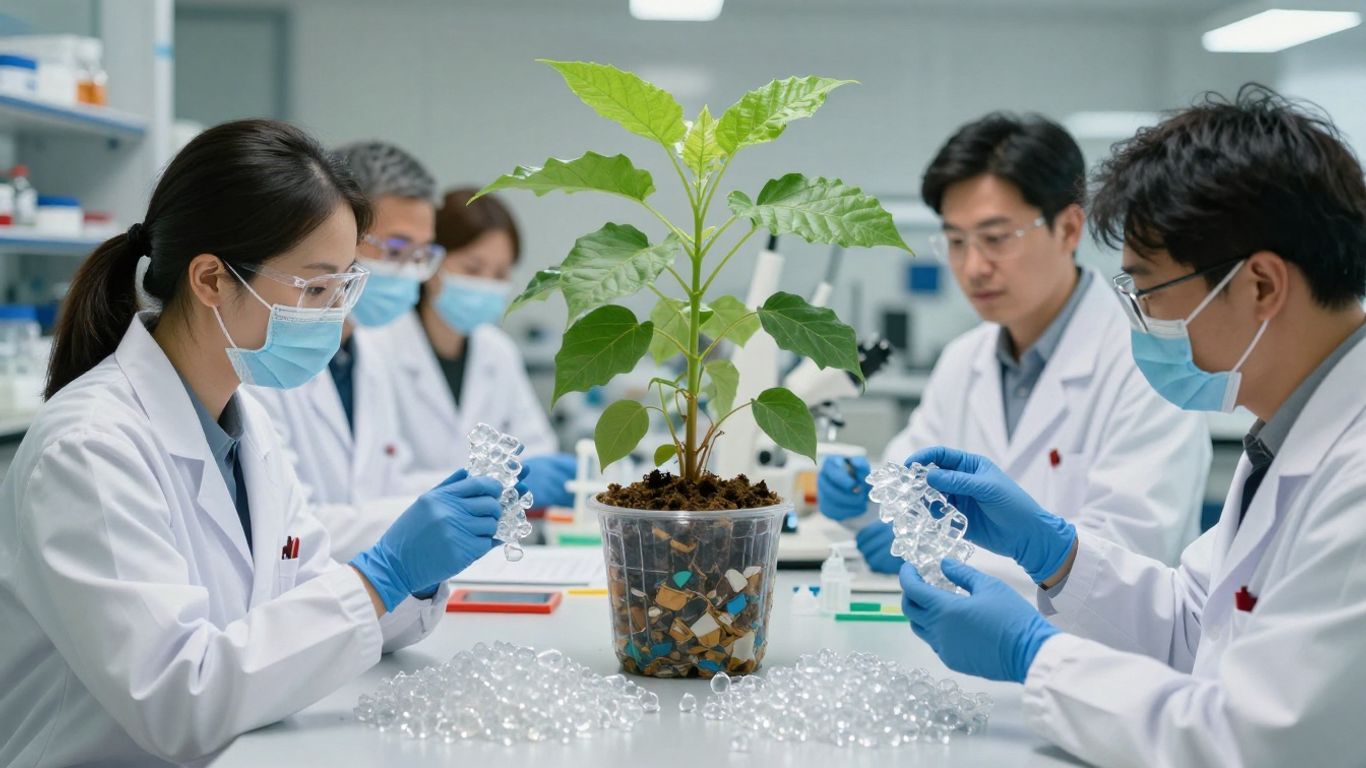
We’ve all seen the mountains of plastic waste, right? It’s a huge problem, and honestly, it feels a bit overwhelming sometimes. But there’s a whole movement happening to change how we deal with plastics, moving away from just throwing things away and towards a system where we keep using and reusing materials. This is what we call a circular plastics economy. It’s all about designing things better from the start and finding smart ways to recycle and repurpose plastic so it doesn’t end up in landfills or, worse, our oceans.
The Importance of Chemical Recycling
So, not all plastics are created equal when it comes to recycling. Some types are pretty straightforward to break down and remake using traditional methods, often called mechanical recycling. But what about the plastics that are mixed, dirty, or just too complicated for that? That’s where chemical recycling comes in. Instead of just melting and reforming plastic, chemical recycling breaks it down into its basic building blocks. Think of it like taking a complex Lego structure apart and then using those individual bricks to build something entirely new. This process can handle plastics that would otherwise be useless and turns them back into valuable raw materials. This is a game-changer for dealing with hard-to-recycle plastics and reducing our reliance on brand-new fossil fuels for plastic production. It also helps cut down on greenhouse gas emissions, which is a big win for the environment.
Overcoming Challenges in Mechanical Recycling
Mechanical recycling is still a big part of the picture, and it’s getting better all the time. The basic idea is simple: sort the plastic, clean it, grind it up, and then melt it down to make new products. Sounds easy, but there are hurdles. One major issue is contamination – if you mix different types of plastic or if there’s food residue, it can mess up the whole batch. Another challenge is material loss; every time you recycle plastic mechanically, you can lose some of its quality or quantity. This means you can’t keep doing it forever. To make mechanical recycling work better, we need:
- Better Sorting Technology: Using advanced sensors to identify and separate different plastic types more accurately.
- Improved Cleaning Processes: Developing more effective ways to wash plastics without using excessive water or chemicals.
- Scaling Up Operations: Building larger recycling facilities can actually lower the cost per ton of recycled material, making it more economically viable.
The goal is to keep plastics in use for as long as possible, minimizing waste and the need to create new plastic from scratch. It’s a shift in thinking from a linear ‘take-make-dispose’ model to a more sustainable loop. The Ellen MacArthur Foundation has been a major voice in pushing this vision forward.
Sustainable Procurement and Long-Term Vision
Making the circular economy a reality isn’t just about technology; it’s also about how we buy and use things. Sustainable procurement means companies are actively choosing to buy recycled materials or products made with sustainability in mind. This creates demand for recycled goods, which in turn makes recycling more profitable and encourages investment in better recycling infrastructure. It requires a long-term perspective, sometimes meaning we have to look past immediate profits to invest in practices that will benefit us all down the road. It’s about building a future where plastics are a resource, not just waste. This approach is key to keeping materials in use for longer periods.
Sustainable Plastic Packaging Solutions
Plastic packaging is everywhere, isn’t it? From the grocery store to our mailboxes, it’s a big part of our daily lives. Because of this, we really need to find better, more eco-friendly ways to package things. The goal is to cut down on waste and make sure the packaging we do use doesn’t stick around forever causing problems.
Redesigning Packaging for Enhanced Recycling
Making packaging easier to recycle is a huge step. This means thinking about how things are put together from the start. Companies are looking at ways to simplify materials, avoid mixed plastics that are hard to separate, and make sure labels and glues don’t mess up the recycling process. It’s about making sure that when you toss something in the recycling bin, it actually has a good chance of being turned into something new. Amazon is working on replacing plastic-filled padded bags with recyclable options to help with this. It’s a big job, but necessary.
Innovative Materials for Food Packaging
When it comes to food, packaging needs to be safe and keep food fresh, but it also needs to be sustainable. We’re seeing cool new materials pop up, like those made from mushrooms or even seaweed. These can be good alternatives to traditional plastics. The trick is making sure they work well and can actually break down properly after use. It’s a balancing act, for sure.
Minimizing Waste Through Concentrated Formats
Another smart idea is to use less material overall. Think about products that come in concentrated forms, like laundry detergent pods or cleaning sprays that are just the concentrate you add water to at home. This not only cuts down on the amount of plastic needed for the packaging but also reduces the weight and volume for shipping. Less weight means less fuel burned during transport, which is another win for the environment. It’s a simple concept, but it can make a real difference in reducing plastic waste and its impact.
The push for better packaging isn’t just about making things look green; it’s about practical changes that reduce the amount of plastic ending up in landfills and oceans. It requires a shift in how we design, produce, and consume products, looking at the entire lifecycle of packaging materials.
Reducing Single-Use Plastics
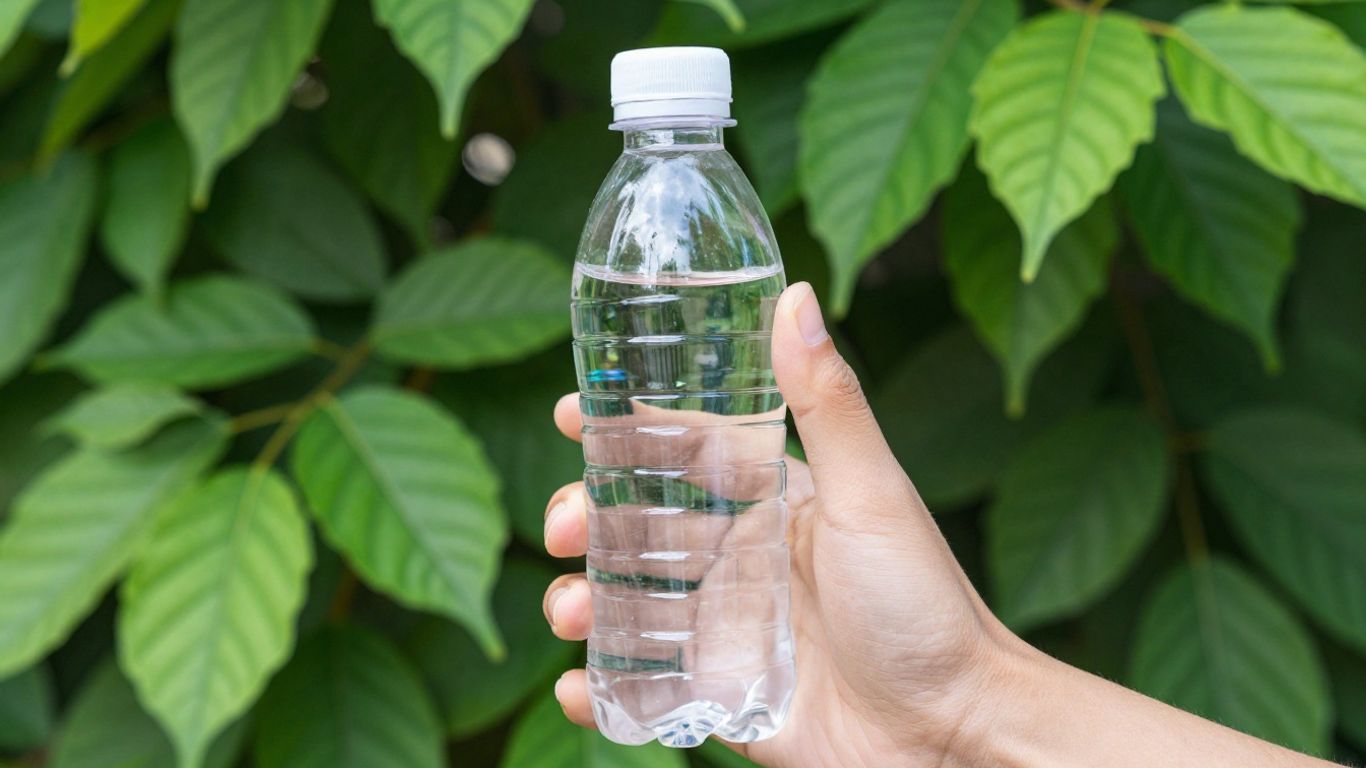
It’s pretty clear that single-use plastics, the kind we use once and then toss, are a huge part of the plastic waste problem. Think about all those coffee cups, plastic bags, and takeout containers. They’re convenient, sure, but they pile up fast. We need to seriously cut back on how much of this stuff we use.
Public Education and Behavioral Change
One of the biggest hurdles is getting people to change their habits. It’s not just about making new materials; it’s about shifting how we think and act. Public awareness campaigns can really help here, explaining why reducing single-use items matters and showing people the impact of their choices. It’s about making people understand that small changes add up. For instance, knowing that plastic pollution in oceans is a massive issue can be a strong motivator.
- Highlighting the environmental cost of disposable items.
- Showing practical alternatives that are just as easy to use.
- Encouraging a mindset shift towards valuing durability over disposability.
Changing ingrained behaviors takes time and consistent effort. It’s not a quick fix, but a long-term commitment from individuals, communities, and industries alike.
Promoting Reusable Alternatives
This is where things get interesting. Instead of grabbing something disposable, we can opt for reusables. This could be anything from carrying your own water bottle and coffee cup to using cloth shopping bags. There’s a growing market for well-designed reusable products that make it easy to ditch the single-use habit. Think about things like reusable straws and snack bags – they’re simple swaps that make a difference.
Here are a few ideas:
- Water Bottles: Invest in a good quality reusable bottle and carry it everywhere.
- Coffee Cups: Many cafes offer discounts if you bring your own cup.
- Shopping Bags: Keep a few foldable bags in your car or purse.
- Food Containers: Pack lunches or leftovers in reusable containers instead of plastic wrap or bags.
Governmental Initiatives to Eliminate Waste
Governments are starting to step in, too. We’re seeing more policies aimed at reducing plastic waste, like bans on certain single-use items or taxes on plastic bags. These kinds of regulations can push both businesses and consumers to find better solutions. The US Department of the Interior, for example, has set a goal to eliminate single-use plastics by 2032. It’s a big goal, but it shows a serious commitment to tackling the problem head-on.
The Future of Plastic Supply Chains
The way we make and use plastics is changing, and it has to. For a long time, almost all plastics came from oil and gas. That’s not really sustainable, is it? We’re starting to see a big shift towards using different sources. Think about using things like plant matter, or even waste plastic itself, to create new plastics. This helps us rely less on fossil fuels and cuts down on greenhouse gases. It’s a complex process, but it’s key to making the whole system greener.
Defossilizing Plastics at the Source
This is all about stopping the use of oil and gas right at the beginning of the plastic-making process. It’s a big challenge because so much of what we use today is made that way. But there are new ideas popping up. We’re looking at ways to capture carbon dioxide from the air and turn it into plastics, which sounds pretty wild but is actually happening. It’s about rethinking where the raw materials come from.
Alternatives to Fossil Fuel Reliance
So, what are these alternatives? Well, besides using waste plastic, we’re seeing more interest in materials derived from plants, like corn or sugarcane. These are called bioplastics. Another area is using waste products from other industries. The goal is to create a loop where materials are used and reused, rather than just dug up from the ground and burned.
- Biomass: Using plant-based materials to create plastics.
- Waste Plastic: Breaking down old plastic to make new plastic.
- CO2 Capture: Turning captured carbon dioxide into plastic building blocks.
The shift away from fossil fuels in plastic production isn’t just about being "green"; it’s about building a more resilient and responsible industry for the long haul. It means looking at the entire lifecycle of a plastic product, from its creation to its end-of-life.
Enhancing Accountability and Sustainability Standards
As we move towards these new ways of making plastics, we need to make sure everyone is playing fair. This means setting clear rules and standards for what "sustainable" actually means. Companies need to be open about where their materials come from and what their environmental impact is. It’s about making sure that the push for greener plastics doesn’t just end up being a marketing ploy. We need real change, and that requires everyone involved in the plastic supply chain to step up and be accountable. This also means improving how we sort and process recycled materials to ensure higher quality recycled plastics for future use.
Addressing Environmental Concerns
Mitigating Plastic Pollution in Oceans
It’s pretty clear that plastic in our oceans is a massive problem. We see the images, and they’re not pretty. Marine life gets tangled up, and ecosystems suffer. The Ocean Cleanup project is aiming to remove a huge chunk of this floating junk by 2040, which is a big deal. They’re even looking at stopping plastic before it even gets into the big blue by focusing on rivers. It’s a tough job, but someone’s got to do it, right?
Understanding Health Implications of Additives
Beyond the visible pollution, there’s a less obvious but equally worrying issue: the chemicals in plastics. Things like BPA and phthalates can sneak into our food and drinks. This isn’t just a minor inconvenience; these additives can mess with our health, potentially causing problems with reproduction and our hormone systems. It makes you think twice about the plastic containers you use every day.
The Long-Term Impact of Plastic Waste
So, what happens to all the plastic that doesn’t get recycled or end up in the ocean? It just sticks around. For hundreds, maybe even thousands of years. This persistent waste piles up, impacting soil, water, and pretty much everything. While biodegradable plastics offer a potential 34% reduction in ecotoxicity, their breakdown still needs specific conditions and can sometimes lead to more greenhouse gases, showing it’s not a simple fix. We need to be smart about how we produce and use plastics, thinking about the whole lifecycle.
We’re all part of this planet, and the choices we make about plastic have ripple effects. It’s not just about convenience anymore; it’s about responsibility for the environment and our own well-being. Thinking about where our plastic comes from and where it goes is a good start.
So, What’s Next?
Look, plastic isn’t going anywhere anytime soon. It’s just too useful for too many things. But the way we make and use it? That’s definitely changing, and that’s a good thing. We’ve seen how new ideas, from plastics made from plants to better ways of recycling old stuff, are popping up everywhere. It’s not going to be a quick fix, and there will be bumps along the road, for sure. But if we all keep pushing for smarter solutions and are a bit more mindful about our own plastic habits, we can actually make a difference. It’s about finding that balance – using what we need without trashing the planet for everyone else.
Frequently Asked Questions
What are the main kinds of eco-friendly plastics?
There are two main types of plastics that break down naturally. Some come from plants and tiny living things, like bacteria. Examples include PHA, made by bacteria, and PLA, which comes from corn. These are often called bioplastics.
How does chemical recycling help the planet?
Chemical recycling is a cool way to break down plastics that are hard to recycle normally. It turns them back into their basic parts, which can then be used to make new plastics. This means we use fewer new materials from the earth and create less pollution.
Are there any health worries with the stuff added to plastics?
Yes, some chemicals added to plastics to make them stronger or clearer can be a concern. Things like BPA and phthalates can sometimes get into our food and drinks. Scientists are studying if these can cause health problems over time, especially for kids.
How can we use less single-use plastic?
We can all help by learning more about why reducing single-use plastic is important. Using reusable bags, water bottles, and containers is a big help. Businesses can also use less packaging, and communities can set up more places to refill water bottles.
What is the main goal of The Ocean Cleanup project?
The Ocean Cleanup project wants to get rid of most of the plastic trash floating in the oceans by the year 2040. They are also working on stopping plastic from getting into the ocean in the first place by cleaning up rivers.
Why is recycling difficult sometimes?
Recycling works best when the plastic is clean and sorted well. Sometimes, the plastic we get back after recycling isn’t good enough quality to make new things, or it costs too much to recycle. Also, not all types of plastic can be recycled easily.