
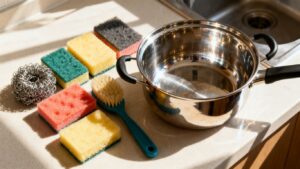
So, you’re staring at your sink, piled high with dishes, and you grab a sponge. But is it the *right* sponge? It’s easy to just grab whatever’s handy, but different messes and surfaces need different tools. Using the wrong kitchen scourers can mean dull finishes, stubborn grime that just won’t budge, or even scratches you can’t fix. Let’s talk about how to pick the best kitchen scourers for whatever your sink throws at you.
Key Takeaways
- Kitchen scourers come in many forms, from classic sponges to eco-friendly options and dual-sided wonders, each suited for different cleaning jobs.
- Non-scratch scourers are surprisingly tough on baked-on messes, using clever design to lift grime without harming surfaces.
- Some advanced scourers change texture with water temperature, offering flexibility for both tough scrubbing and gentle cleaning.
- Protecting your surfaces means matching the scourer to the material; delicate non-stick pans need gentle care, while glass and ceramic can handle a bit more.
- Proper care, including rinsing, drying, and knowing when to replace your kitchen scourers, is vital for hygiene and longevity.
Understanding Different Types Of Kitchen Scourers
The Versatility Of Dual-Sided Scourers
When you think about cleaning up after a meal, you probably picture a sponge. But not all sponges are created equal, and some are way more useful than others. Dual-sided scourers are a real game-changer in the kitchen. They combine two cleaning surfaces in one handy tool. One side usually has a rougher, abrasive texture, perfect for tackling burnt-on food or stubborn grease. Think of it as your go-to for those really tough messes that make you want to give up. The other side is typically softer, made from foam or a gentler material, which is great for everyday wiping, rinsing, or cleaning surfaces that scratch easily. This means you can go from scrubbing a greasy pan to wiping down your counter without needing to switch tools. It’s like having two cleaning buddies in one.
Here’s a quick look at what makes them so useful:
- Abrasive Side: Made from materials like nylon mesh, this side is designed for serious scrubbing. It physically breaks down stuck-on food without being overly harsh on most common cookware. It’s effective on stainless steel, ceramic, and even some non-stick surfaces when used with care.
- Soft Side: This is your everyday cleaning partner. It’s good for washing dishes, wiping spills, and cleaning surfaces that need a lighter touch, like glass or polished countertops. It absorbs soap and water well, making the washing process smoother.
- Durability: Unlike some cheaper sponges that fall apart after a few uses, good quality dual-sided scourers are built to last. The synthetic fibers hold up well, even with regular soaking and scrubbing.
Using the wrong side or too much force can still damage delicate surfaces. Always check the manufacturer’s recommendations for your cookware and test a small, inconspicuous area first if you’re unsure.
Exploring Eco-Friendly Kitchen Scourer Options
More and more people are looking for ways to reduce their impact on the planet, and that includes what we use in the kitchen. Thankfully, there are some great eco-friendly alternatives to the standard plastic-based scourers. These options often use natural or biodegradable materials, meaning they break down more easily after you’re done with them. They might not always have the same super-abrasive power as some synthetic scourers, but they can still handle a good amount of everyday cleaning.
Some popular eco-friendly choices include:
- Cellulose Sponges: These are made from wood pulp, a renewable resource. They are biodegradable and compostable. While they can absorb a lot of liquid, they don’t usually have a separate abrasive side, so they’re best for general washing rather than heavy scrubbing.
- Natural Loofah Scrubbers: Loofahs come from a type of gourd and are completely natural. They offer a good scrubbing texture without being too harsh and are fully biodegradable. They work well on dishes and can even be used for cleaning countertops.
- Coconut Fiber Scrubbers: Made from the husk of coconuts, these are a byproduct of the coconut industry. They are durable, naturally antimicrobial, and compostable. They provide a firm scrubbing surface that’s effective on pots and pans.
- Bamboo Scrub Brushes: While not exactly a scourer, bamboo brushes with natural bristles are another sustainable option. The bamboo handle is biodegradable, and the bristles are often plant-based.
Choosing these options means you’re cutting down on plastic waste and opting for materials that are kinder to the environment. It’s a small change that can make a difference over time.
The Classic Cellulose Sponge: Pros And Cons
The cellulose sponge is probably what most people picture when they think of a kitchen sponge. It’s been around for ages and is a common sight in many kitchens. Made from wood pulp, these sponges are known for their absorbency. They soak up water and soap really well, which makes them good for general dishwashing and wiping up spills. They’re also usually quite affordable and biodegradable, which is a plus.
However, they do have their downsides. Cellulose sponges can be a bit too soft for really tough, baked-on messes. You might find yourself scrubbing much harder and for longer without getting the desired results. Plus, because they are made from natural materials, they can become a breeding ground for bacteria if not dried properly. They tend to hold onto moisture, and that can lead to unpleasant smells and a less hygienic cleaning tool over time. They also don’t typically have a separate abrasive side, limiting their usefulness for tougher jobs.
Here’s a quick breakdown:
Pros:
- Highly absorbent, great for general washing.
- Made from renewable wood pulp.
- Biodegradable and compostable.
- Usually very inexpensive.
Cons:
- Not very effective on tough, baked-on food.
- Can harbor bacteria and odors if not dried properly.
- Can break down or become mushy with heavy use.
- Lacks a dedicated abrasive surface for tough scrubbing.
Tackling Tough Messes With The Right Scourer
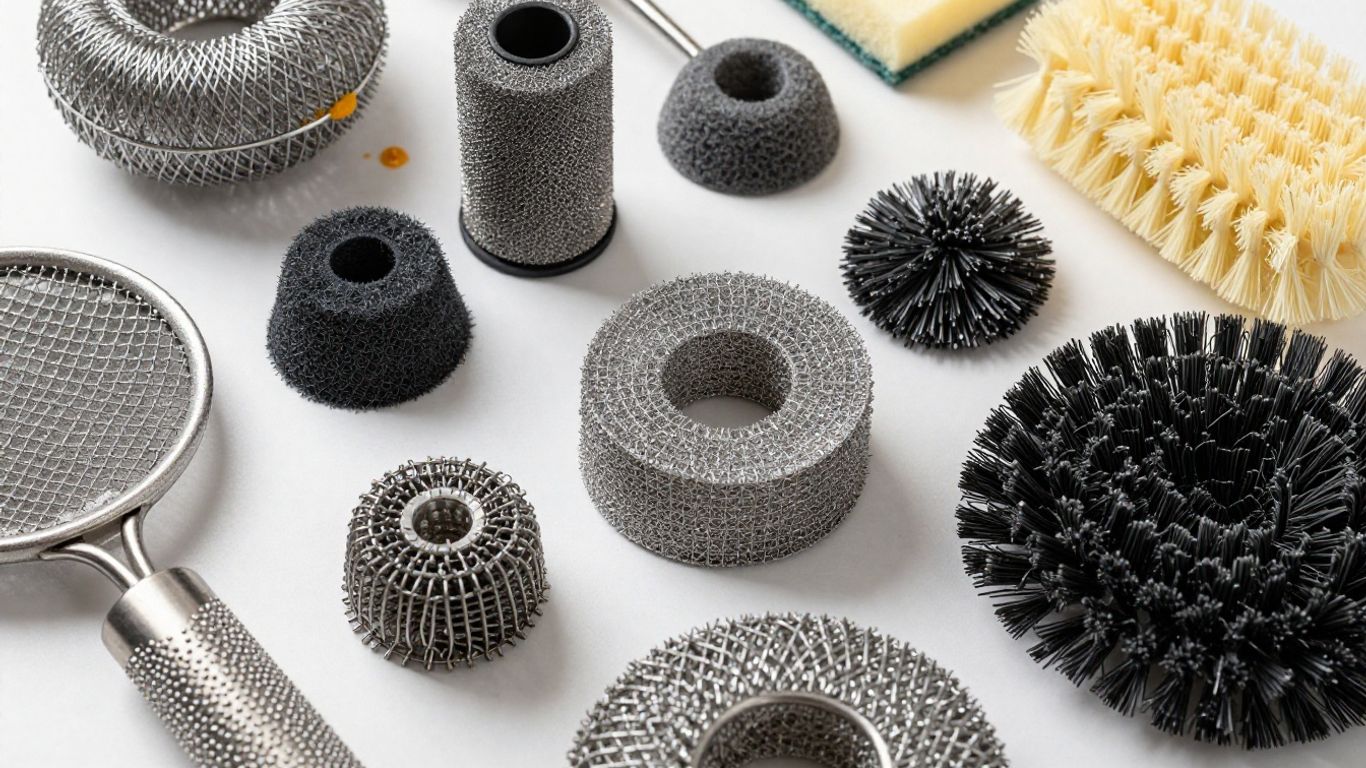
Sometimes, you look at a pan and think, "There’s no way that’s coming off." We’ve all been there. Burnt-on cheese, dried sauce, or that mysterious crust at the bottom of a pot can feel like a losing battle. For a long time, the go-to solution for these stubborn messes was something harsh, like steel wool, which often meant sacrificing the finish on your cookware. But thankfully, cleaning technology has gotten a lot smarter.
How Non-Scratch Scourers Conquer Baked-On Grime
Don’t let the "non-scratch" label fool you; these scourers are surprisingly tough on grime. They achieve this through clever material design. The abrasive side, often made from durable nylon or synthetic fibers, creates friction to lift and break apart stuck-on food particles. It works by getting underneath the mess, loosening its grip on the surface without being so aggressive that it causes damage. This means you can tackle burnt-on messes with confidence, knowing you’re not going to ruin your favorite non-stick pan or glass stovetop. They’re designed to give you that deep clean without the worry.
The Power Of Temperature-Responsive Scouring
Some of the most innovative scourers have a neat trick: they change their texture based on water temperature. This adaptability is a game-changer for tackling different levels of mess.
- Cold Water: When used with cold water, the scourer becomes firm and rigid. This stiffness is perfect for really tough, baked-on residue that needs a bit more elbow grease.
- Warm Water: Switch to warm water, and the same scourer softens up. This makes it ideal for gentler cleaning, wiping down surfaces, or washing items that require a lighter touch.
This dual-action capability means one tool can handle a wide range of cleaning jobs, from heavy-duty scrubbing to light wiping, saving you time and the need for multiple cleaning tools. It’s like having two scourers in one!
When To Choose A Dedicated Cleaning Tool
While versatile scourers are great, sometimes a specific job calls for a specialized tool. For instance, if you’re dealing with extremely delicate surfaces or very large areas, a dedicated tool might be more efficient.
For heavily soiled pots and pans, especially those with baked-on residue, a dual-sided scourer can be incredibly effective. Using the abrasive side with a bit of dish soap and warm water, you can work in short, circular motions. For really tough spots, letting the soapy scourer sit for a couple of minutes before scrubbing can make a big difference. Always rinse thoroughly afterward.
When you’re faced with a particularly stubborn mess, like burnt-on sugar or dried-on grease, don’t hesitate to reach for a scourer specifically designed for tough jobs. For stainless steel pans, options like Scotch-Brite Stainless Steel Scrubbers are excellent choices for removing stubborn residue without causing damage. Remember, the right tool makes the job easier and protects your kitchenware.
Protecting Your Surfaces With Gentle Cleaning
Safely Cleaning Non-Stick Cookware
If you’ve invested in non-stick pots and pans, you know how easily that special coating can get damaged. Using the wrong scrubber is a fast way to ruin them, making food stick and ruining your cooking experience. That’s where non-scratch sponges really shine. They’re made to lift off burnt-on food and grease without taking off the non-stick layer. This means your pans will last longer and keep working like they’re supposed to. It’s a simple swap that makes a big difference in keeping your cookware in good shape.
Maintaining the Shine On Glass and Ceramic
Cleaning glass stovetops or your favorite ceramic dishes can feel a bit nerve-wracking. You worry about leaving tiny scratches that dull the finish over time. Non-scratch sponges are your best bet here. They’re soft enough to wipe away spills and food bits from glass, porcelain, and ceramic without causing any damage. You can use them to clean up after dinner or wipe down your cooktop after a meal, keeping everything looking bright and new.
Avoiding Damage To Delicate Finishes
It’s not just cookware and glass that need a gentle touch. Many other items in your kitchen have finishes that can be easily scratched. Think about stainless steel appliances, countertops with special sealants, or even decorative tiles. Abrasive scrubbers can leave dull marks or fine scratches that are impossible to get rid of. Using a non-scratch sponge means you can clean these surfaces effectively without worrying about causing permanent damage. It’s all about using the right tool for the job, so your kitchen stays looking great.
When choosing a sponge, always check the packaging. Manufacturers usually tell you exactly which surfaces the sponge is safe to use on. This little bit of information can save you from a lot of cleaning regrets down the line.
Choosing The Best Kitchen Scourers For Your Needs
So, you’ve got a pile of dishes and a stubborn bit of burnt-on food. What’s the best tool for the job? It’s not as simple as just grabbing any old sponge. Picking the right kitchen scourer really makes a difference in how quickly and effectively you can clean, not to mention protecting your pots and pans. Let’s break down how to make the best choice.
Evaluating Material and Construction
The stuff your scourer is made of and how it’s put together matters a lot. You’ll find everything from natural cellulose to synthetic foams and even metal. For everyday scrubbing, a dual-sided scourer is often a good bet. One side might have a rougher nylon texture for tackling baked-on messes, while the other is softer, perfect for general washing. The key is finding a balance between cleaning power and surface safety. When looking at materials, consider:
- Nylon Filaments: More filaments per square inch generally mean better scrubbing power without being overly harsh.
- Foam Density: A thicker, denser foam can offer more cushioning and absorbency.
- Bonding: How well is the abrasive side attached to the sponge? A poorly bonded scourer will fall apart quickly.
- Durability: Does it feel sturdy, or flimsy? A scourer that holds up through multiple uses is more economical in the long run.
Considering Brand Reliability and Performance
While you might think all scourers are the same, brands do have different approaches to design and materials. Some companies focus on eco-friendly options, using recycled plastics or plant-based materials. Others prioritize heavy-duty cleaning power. It’s worth looking into brands that have a good track record for producing durable cleaning tools. For instance, some brands are known for their consistent quality, meaning you know what you’re getting each time you buy. You can often find good value in brands that have been around for a while, like Scotch-Brite, which has a long history of developing cleaning solutions. However, don’t discount lesser-known brands; sometimes a simple, well-made scourer from a smaller company can outperform a pricier, branded option. Reading reviews can help you gauge performance and longevity. A good example of a reliable choice for everyday cleaning is Lola Products, known for their thoughtful design and durable, non-scratch options.
Matching Scourers To Specific Cleaning Tasks
Different messes call for different tools. You wouldn’t use the same thing to wipe up a spill as you would to scrub a burnt pot, right? The same applies to scourers.
- For baked-on food: A scourer with a firm, abrasive side is usually necessary. Look for ones specifically designed for tough grime, but always check if they’re safe for your cookware material. A good kitchen sponge scourer can handle this.
- For delicate surfaces (like non-stick pans or glass): Always use the soft side of a dual-sided scourer or a sponge specifically labeled as non-scratch. Avoid abrasive pads entirely.
- For general washing: A standard cellulose sponge or the softer side of a dual-sided scourer works well for everyday dishes.
- For heavy-duty jobs (like grills or ovens): You might need something more robust, like a dedicated grill brush or a very coarse scouring pad, but be extremely careful about what surfaces you use them on.
When in doubt, always test a new scourer on an inconspicuous area of your cookware or surface first. It’s better to be safe than to accidentally scratch or damage something you value. This simple step can save you a lot of regret later on.
Choosing the right scourer isn’t just about getting dishes clean; it’s about maintaining your kitchenware and making the chore less of a hassle. Think about what you clean most often and what materials you’re working with, and you’ll be well on your way to finding your perfect cleaning companion.
Maintaining Your Kitchen Scourers For Longevity
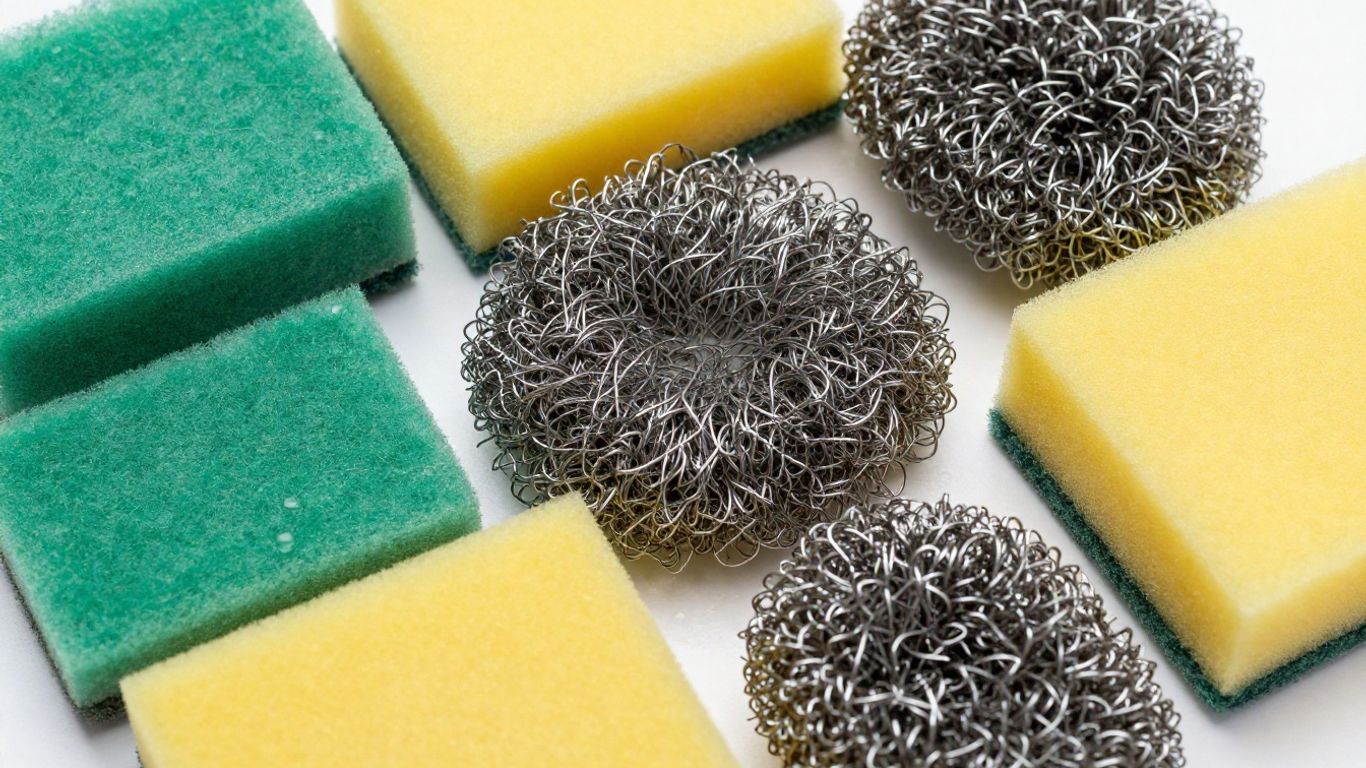
So, you’ve got your trusty scourer, ready to tackle whatever the kitchen throws at it. But how do you keep it working well and smelling… well, not like a science experiment gone wrong? It’s not rocket science, honestly. A little bit of care goes a long way in making sure your scourer lasts and stays hygienic.
Proper Rinsing And Drying Techniques
This is probably the most important step, and it’s super simple. Right after you finish washing dishes, give your scourer a good rinse under hot running water. Get into all those nooks and crannies to wash away any food bits or soap residue. Then, give it a gentle squeeze – don’t wring it out like a dishrag, as that can damage the fibers over time. The key is to get as much water out as possible. After that, you need to let it dry properly. Always hang your scourer vertically. Use the little loop it probably came with and hang it on a hook, a magnetic strip, or even a slotted drying rack. The idea is to let air circulate all around it. Never, ever leave it lying flat in the sink or on the counter where water can pool up. That’s just asking for trouble.
Preventing Odors And Bacterial Growth
Nobody wants a smelly scourer. Those bad smells usually come from trapped food particles and moisture, which bacteria just love. To keep things fresh, a weekly soak is a good idea. Mix equal parts white vinegar and water in a small bowl and let your scourer sit in it for about 15 minutes. Vinegar is great because it helps kill off odor-causing bacteria without being too harsh on the scourer itself. After the soak, just rinse it well and hang it up to dry again. Some people even like to give it a quick spray with undiluted vinegar daily, especially if they notice it starting to get a bit funky. It’s a simple step that makes a big difference.
Knowing When It’s Time For A Replacement
Even with the best care, scourers don’t last forever. You’ll know it’s time to toss it when the nylon bristles start looking really frayed and worn out, or if the foam backing starts to lose its shape and elasticity. Sometimes, even if it looks okay, a persistent bad smell that won’t go away after a vinegar soak is a sign that there’s deep-down gunk that can’t be cleaned out. Generally, you’re looking at replacing them every month or two, depending on how much you use them. It might seem like a small thing, but using a worn-out scourer just isn’t as effective, and honestly, it’s probably not as clean as you think.
So, What’s the Takeaway?
Alright, so we’ve talked a lot about sponges and scourers. It turns out, picking the right one isn’t just about grabbing whatever’s cheapest. Whether you’re dealing with baked-on cheese or just a daily dish pile, there’s a tool out there that’ll make the job easier and, more importantly, won’t wreck your favorite pan. Remember to think about what you’re cleaning and choose your scrubber wisely. A little bit of thought upfront can save you a lot of scrubbing (and maybe some new cookware) down the road. Happy cleaning!
Frequently Asked Questions
What’s the main difference between a regular sponge and a scourer for tough messes?
Regular sponges are often soft and good for general wiping. Scourers, especially those with a rougher side, have materials like nylon that create more friction to break down stuck-on food and baked-on grime without scratching most surfaces.
Can I use a non-scratch sponge on my non-stick pans?
Yes! Non-scratch sponges are designed to be safe for non-stick cookware. They have a gentler scrubbing side that cleans effectively without damaging the delicate coating, unlike harsh steel wool.
How do I stop my kitchen sponge from smelling bad?
To keep your sponge fresh, rinse it really well after every use and squeeze out as much water as possible. Then, let it air dry completely. Storing it where air can get to it, not just leaving it in a wet sink, makes a big difference.
Are there eco-friendly sponge options available?
Absolutely! Many companies now make sponges from plant-based materials or recycled plastics. These options help you clean effectively while being kinder to the environment.
Can a sponge really change its scrubbing power with water temperature?
Some advanced sponges can! When used with cold water, they get firmer for tough jobs. When you switch to warm water, they soften up, making them better for gentle cleaning or washing delicate items.
When should I throw away my kitchen sponge?
You should get a new sponge when it starts to fall apart, smells consistently bad even after washing, or isn’t cleaning as well as it used to. Regularly replacing your sponge keeps your kitchen hygienic.