
So, you’re looking to make your kitchen a bit kinder to the planet? That’s awesome. We often think about big changes, but sometimes the smallest swaps make the biggest difference. Take your kitchen sponge, for example. Those colorful, squishy things might seem harmless, but they can actually be a real environmental headache. Luckily, there’s a better way. This article is all about making the switch to eco friendly kitchen sponges, and why they’re a total must-have for anyone wanting a greener home. It’s easier than you think, and honestly, pretty satisfying.
Key Takeaways
- Traditional kitchen sponges often break down into microplastics, which harm marine life and end up in our water. They also add to landfill waste because they’re made from synthetic stuff.
- Eco friendly kitchen sponges are made from natural materials like loofah, cellulose, bamboo, or coconut fiber. They’re usually biodegradable and compostable, meaning they break down naturally after you’re done with them.
- Switching to these sponges helps reduce your carbon footprint and keeps harmful chemicals out of waterways. Plus, they can be surprisingly gentle on sensitive skin.
- There are many types of eco friendly kitchen sponges available, including loofah, cellulose, coconut fiber, and bamboo options. Some even come with dual-sided scrubbing power for tougher jobs.
- Taking care of your eco sponge, like letting it dry properly between uses, helps it last longer. When it’s time to say goodbye, you can often compost them, turning waste into something useful.
The Environmental Impact Of Traditional Sponges
Microplastics In Our Waterways
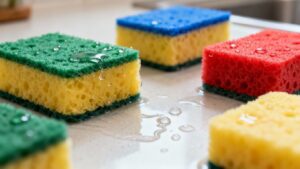
Those colorful sponges you grab from the grocery store might seem harmless, but they’re actually a hidden source of pollution. Most kitchen sponges are made from synthetic materials like polyurethane and polyester. Every time you scrub a pot or wipe down a counter, tiny plastic fibers, called microplastics, break off. These little bits then get washed down the drain and end up in our rivers and oceans. It’s a big problem because these microplastics don’t just disappear. They can be ingested by marine animals, causing harm, and eventually make their way back into our food chain. It’s estimated that washing dishes with a plastic sponge can release millions of microplastic fibers into our waterways each year.
Landfill Burden Of Synthetic Materials
When your trusty kitchen sponge finally gives up the ghost, where does it go? Unfortunately, most end up in landfills. Because they’re made of plastic, these sponges don’t break down easily. In fact, they can sit in a landfill for hundreds of years, taking up space and contributing to the growing waste problem. It’s a stark reminder that even small household items can have a long-lasting impact on our planet.
Harm To Marine Life
The microplastics shed from synthetic sponges are a serious threat to aquatic ecosystems. Fish, birds, and other marine creatures can mistake these tiny plastic particles for food. Once ingested, these plastics can block digestive tracts, lead to starvation, and even introduce harmful chemicals into their bodies. This cycle of pollution directly impacts the health of our oceans and the creatures that call them home. It’s a chain reaction that starts right at our kitchen sink.
Understanding Eco Friendly Kitchen Sponges
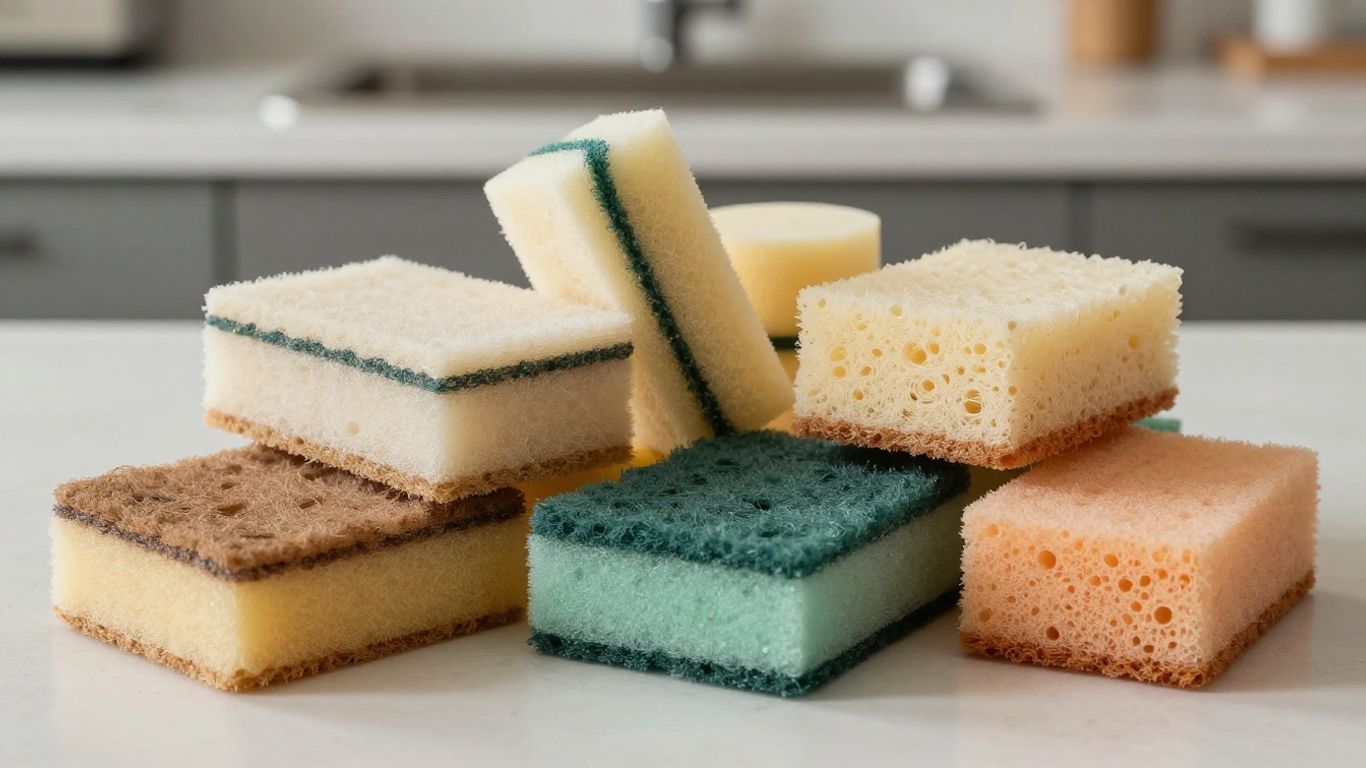
So, what exactly makes a kitchen sponge ‘eco-friendly’? It boils down to what it’s made of and what happens to it when you’re done. Unlike the plastic sponges that hang around forever, these are designed with the planet in mind from start to finish.
Materials That Nature Intended
Forget petroleum-based plastics. Eco-friendly sponges are crafted from natural stuff. Think plant fibers, like cellulose derived from wood pulp, or loofah, which is basically a dried gourd. You’ll also find options made from coconut husks or bamboo. These materials are renewable and don’t require harsh chemical processing to create.
Biodegradable And Compostable Benefits
This is a big one. When your eco-sponge has seen better days, you can actually put it in your compost bin. It breaks down naturally, turning back into soil instead of lingering in a landfill for hundreds of years. This simple act significantly reduces waste and keeps harmful plastics out of our environment. It’s a satisfying way to close the loop on your kitchen cleaning routine.
Reducing Your Carbon Footprint
Making things from scratch, especially from natural sources, generally uses less energy and creates fewer emissions than manufacturing plastic. By choosing sponges made from plants, you’re supporting a production process that’s kinder to the atmosphere. It’s a small switch, but every bit helps in the bigger picture of environmental care.
Benefits Beyond Sustainability
Gentle On Sensitive Skin
Think about it – your hands are in contact with your sponge multiple times a day, especially if you’re doing a lot of dishes. Traditional sponges, and the cleaning products often used with them, can be loaded with harsh chemicals. These can strip natural oils from your skin, leading to dryness, irritation, and even allergic reactions for some people. Eco-friendly sponges, on the other hand, are typically made from natural materials like loofah, cellulose, or plant fibers. These are much gentler. They don’t have those artificial fragrances or strong detergents that can cause problems. So, not only are you being kind to the planet, but you’re also being kinder to your own skin. It’s a win-win, really.
Cost-Effective Long-Term
Okay, so maybe the initial price tag on an eco-friendly sponge seems a little higher than that pack of bright yellow ones you usually grab. But let’s look at the bigger picture. Those cheap sponges often fall apart after just a few weeks, right? You end up buying pack after pack. Eco-friendly options, because they’re made from more durable natural materials, tend to last significantly longer. A good loofah or a sturdy bamboo brush can handle way more scrubbing and last for months with proper care. When you break it down over a year, you’re actually spending less money by investing in a few quality, sustainable sponges instead of constantly replacing flimsy disposables. It’s a smart financial move in disguise.
Aesthetic Appeal In The Kitchen
Let’s be honest, a lot of kitchen sponges aren’t exactly a feast for the eyes. They’re often brightly colored plastic or faded, sad-looking squares. Eco-friendly sponges, however, can actually add a touch of natural beauty to your kitchen counter. Think about the warm, earthy tones of a loofah or the clean, simple look of a bamboo-handled brush. Many brands are designing these items with aesthetics in mind, so they look good even when they’re just sitting by the sink. It’s a small detail, but it makes your kitchen feel a bit more put-together and intentional. It’s like choosing decor that also has a purpose.
Making the switch to eco-friendly kitchen sponges isn’t just about reducing waste; it’s about upgrading your entire kitchen experience. From the feel of the sponge in your hand to the look of your sink area, these sustainable choices bring a sense of calm and natural beauty into your daily routine. It’s about creating a space that feels good, looks good, and does good.
Choosing The Right Eco Friendly Kitchen Sponge
So, you’re ready to ditch the plastic sponges and go green. Awesome! But with so many options out there, how do you pick the best one for your kitchen? It’s not as complicated as it sounds. Think about what you need the sponge to do and what materials you prefer.
Loofah And Cellulose Options
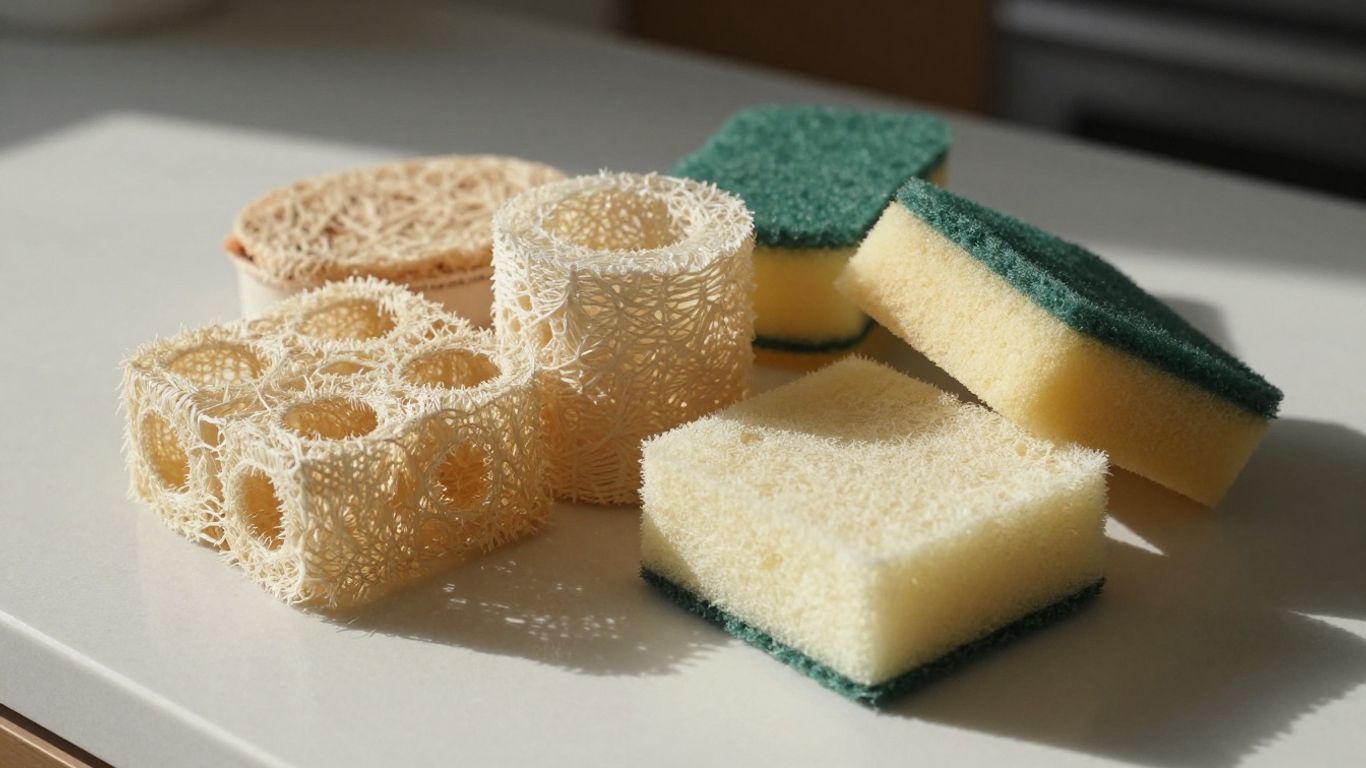
Loofah sponges are a classic eco-friendly choice. They come from a dried gourd and are totally plant-based. They’re great for scrubbing without scratching, making them perfect for everyday dishes and even non-stick pans. Cellulose sponges are also made from wood pulp, so they’re biodegradable too. They tend to be a bit softer and more absorbent than loofah, good for general cleaning.
- Loofah: Naturally fibrous, good for scrubbing, compostable.
- Cellulose: Soft, absorbent, made from wood pulp, biodegradable.
- Combined: Some sponges offer a cellulose side for gentle cleaning and a loofah side for tougher messes.
Many of these sponges are surprisingly durable and can last for a good few months with proper care. They don’t break down into tiny plastic bits, which is a huge win.
Coconut Fiber And Bamboo Brushes
If you need something with a bit more grit, coconut fiber brushes are the way to go. The tough fibers from coconut husks are excellent at tackling baked-on food and stubborn grease. Bamboo brushes offer a similar sturdy feel, often with natural bristles. These are fantastic for heavy-duty cleaning tasks.
- Coconut Fiber: Great for tough scrubbing, naturally antimicrobial.
- Bamboo: Sturdy handle, natural bristles, good for scrubbing.
- Durability: These tend to be quite robust and can handle a lot of scrubbing.
Dual-Sided Scrubbing Power
Lots of eco-friendly sponges come with two different sides, kind of like the old-school ones but made from natural stuff. You might find a soft, absorbent side for wiping up spills and a rougher, scrubby side for getting rid of stuck-on food. This dual-sided design means you can handle almost any cleaning job with just one sponge. It’s a smart way to get effective cleaning power while still being kind to the planet. Having both a gentle and a scrubbing surface on one sponge really cuts down on the number of cleaning tools you need.
Integrating Eco Sponges Into Your Routine
So, you’ve made the switch to a greener sponge – awesome! Now, how do you keep it in good shape and make sure it does its job without adding to the trash heap? It’s actually pretty simple, and honestly, a lot less fussy than you might think. Taking care of these natural wonders is key to getting the most out of them.
Proper Care For Longevity
Keeping your eco-sponge happy and effective means giving it a little attention between uses. Think of it like this: you wouldn’t leave a wet washcloth balled up, right? Same idea here. After you’re done scrubbing those dishes, give your sponge a good rinse under the tap. Then, find a spot where it can air dry completely. Hanging it up is ideal, especially if it has a little loop. This prevents that damp, musty smell from setting in and helps it last way longer. Some people even give it a quick squeeze to get out excess water before letting it dry. It’s a small step, but it makes a big difference.
- Rinse thoroughly after each use.
- Squeeze out excess water.
- Allow to air dry completely between uses.
- Store in a well-ventilated area, like a sponge holder or on a drying rack.
Disposal Through Composting
This is where the magic really happens. When your trusty sponge has finally seen better days – maybe it’s starting to crumble or just not cleaning like it used to – don’t just toss it in the bin. Most eco-friendly sponges, like those made from loofah, cellulose, or coconut fiber, are fully biodegradable and compostable. This means they can break down naturally and return to the earth. You can simply add them to your home compost bin. If you don’t have a compost bin, check if your local municipality offers a composting program. It feels pretty good knowing your cleaning tool is going back into the soil instead of a landfill. It’s a full circle moment for your kitchen cleaning! For example, a solid dish soap bar pairs perfectly with these sponges and can also be composted at the end of its life.
Making the switch to eco-friendly sponges is more than just a cleaning choice; it’s a commitment to a healthier planet. By understanding how to care for and dispose of them properly, you’re actively participating in a circular economy, reducing waste, and setting a positive example.
Inspiring Sustainable Habits
Once you get into the swing of using and caring for your eco-sponges, you might find yourself looking for other ways to green up your kitchen. It’s funny how one small change can ripple outwards. Maybe you start thinking about your dish soap, or perhaps you look into reusable paper towels. These little shifts add up. It’s not about being perfect overnight, but about making conscious choices that feel good and do good. Sharing your experience with friends or family can also be a great way to spread the word. Who knew cleaning dishes could be a conversation starter about sustainability?
Make the Switch, Feel the Difference
So, there you have it. Switching to eco-friendly kitchen sponges isn’t some huge, complicated thing. It’s actually pretty simple, and honestly, it feels good. You’re cutting down on waste, avoiding those weird plastic bits ending up in the water, and you get a sponge that does the job just fine. Think about it – a small change in your kitchen routine can really add up. Give one of these natural sponges a try. Your sink, and the planet, will thank you.
Frequently Asked Questions
Why are regular kitchen sponges bad for the planet?
Most kitchen sponges are made from plastic. When you use them, tiny plastic bits called microplastics can break off and end up in our water. These plastics can harm sea animals and take hundreds of years to break down in landfills, creating a big trash problem.
What are eco-friendly sponges made of?
Eco-friendly sponges are made from natural stuff like plants! Think of materials such as loofah (which comes from a type of gourd), cellulose (from wood pulp), coconut fibers, or bamboo. These materials are much better for the Earth.
How long do these natural sponges last?
Good quality eco-friendly sponges can last for a few weeks to a few months. It really depends on how often you use them and how well you take care of them. Keeping them dry between uses helps them last longer.
Can I compost my old eco-friendly sponge?
Yes, you usually can! Since they’re made from natural materials, most eco-friendly sponges can be added to your compost bin when they’re worn out. They’ll break down and turn into healthy soil.
Are these natural sponges as good at cleaning as plastic ones?
Absolutely! Many eco-friendly sponges are designed with different textures, like loofah or rougher plant fibers, to scrub away tough messes effectively. They can handle grease and stuck-on food just as well as plastic sponges, but without harming the environment.
Are eco-friendly sponges good for people with sensitive skin?
Yes, they often are! Because they’re made from natural materials and don’t contain harsh chemicals or artificial stuff, they’re usually much gentler on your skin compared to plastic sponges.