

Every single day, mountains of food scraps pile up from homes, restaurants, cafes, and businesses. However, where does most of it go? Straight into landfills seems simple enough. But food waste doesn’t just disappear. It becomes a festering problem, a silent menace contributing to bigger environmental headaches.You’ve probably seen them popping up more and more – those greenish, often plant-logo-stamped bags designed specifically for food scraps. Compostable bags for kitchen waste. They promise a cleaner, greener way to handle the unavoidable mess of peels, cores, leftovers, and coffee grounds. But amidst all the “eco-friendly” buzzwords, a crucial question arises, especially for businesses watching their bottom line and operational efficiency: Do you actually need them? Are they a genuine game-changer, or just another product vying for your purchasing budget?We’ll explore the real impact of kitchen waste, clarify what makes a bag truly compostable, unpack the benefits for businesses, and guide you on making the right choice.
Key Takeaways
- Compostable food waste bags are made from plant-based materials and are designed to break down naturally in composting environments, unlike regular plastic bags.
- Using these bags helps reduce methane emissions from landfills, a potent greenhouse gas, and prevents persistent plastic pollution.
- They keep kitchens cleaner and reduce odors by containing food scraps effectively, making waste disposal more pleasant.
- Certified compostable bags contribute to higher quality compost by preventing contamination of the organic waste stream.
- Switching to compostable food waste bags is a practical investment that supports environmental goals, improves operational hygiene, and aligns with growing sustainability expectations.
Understanding Compostable Food Waste Bags
What Are Compostable Bags For Kitchen Waste?
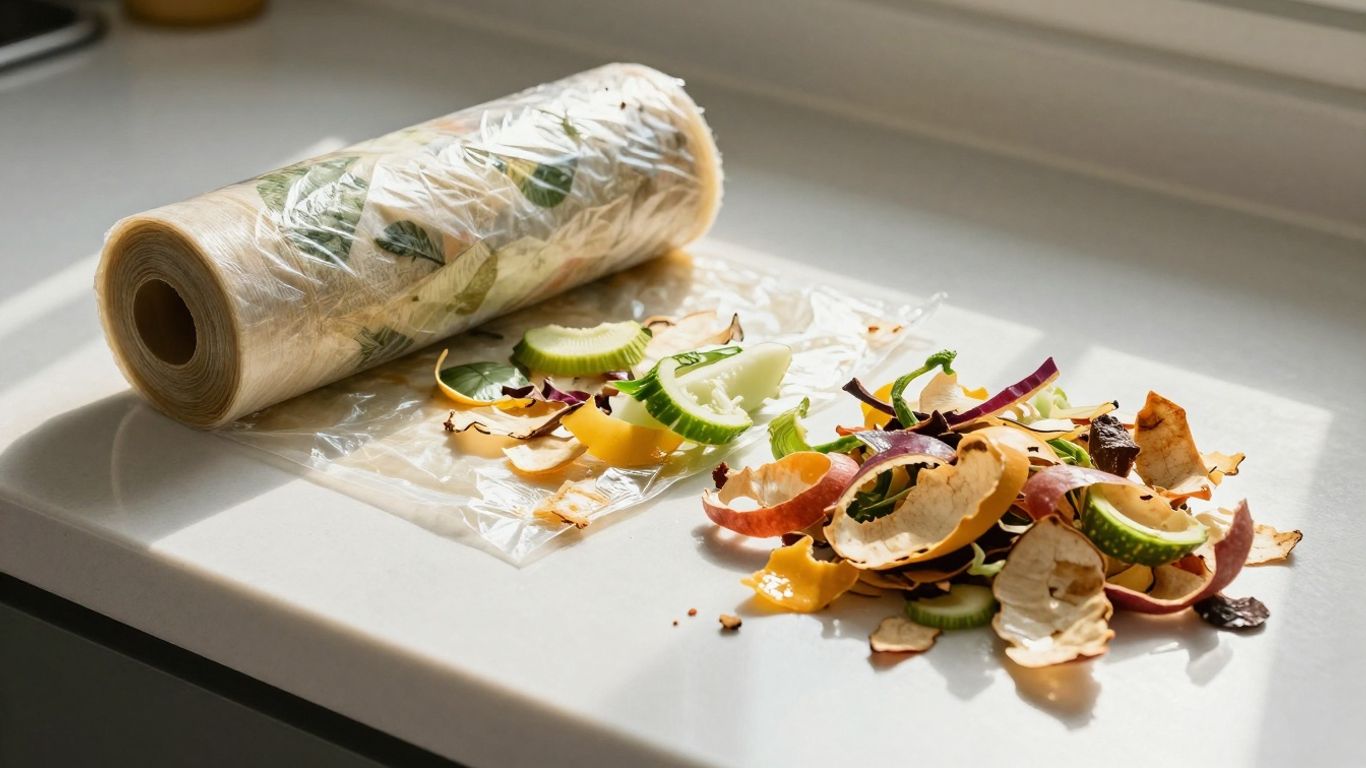
So, you’re looking at your kitchen bin and thinking, ‘There’s got to be a better way than just tossing all this food stuff into a plastic bag that’ll sit in a landfill for ages.’ That’s exactly where compostable food waste bags come in. They’re not just some fancy, green-tinted plastic. These bags are actually designed to break down completely, turning back into natural elements like water, carbon dioxide, and biomass. Think of them as a temporary home for your food scraps on their journey to becoming rich soil.
The Crucial Difference: Compostable vs. Biodegradable vs. Regular Plastic
This is where things can get a little confusing, and honestly, it’s important to get it right. Regular plastic bags, the kind you might have used for years, are made from petroleum. They stick around for hundreds of years, breaking down into tiny plastic bits that never really go away. Biodegradable bags are a step up, but the term itself can be a bit of a gray area. They might break down faster than regular plastic, but under what conditions and into what? Compostable bags, on the other hand, have a specific job. They’re made from plant-based materials and are certified to break down into nutrient-rich compost within a set timeframe, under specific composting conditions. They don’t leave behind harmful residues or microplastics.
Here’s a quick rundown:
- Regular Plastic: Petroleum-based, lasts forever (practically).
- Biodegradable: Breaks down faster than regular plastic, but ‘how’ and ‘where’ can be vague.
- Compostable: Plant-based, breaks down completely into compost under specific conditions.
Crafted From Plants, Designed to Return to Earth
What makes these bags so special is what they’re made from. Forget oil and gas; think corn, potatoes, or other plant starches. These renewable resources are transformed into materials that microorganisms can easily digest. When you toss your food scraps into a compostable bag and then into a compost bin, those tiny microbes get to work. They consume the bag and the food waste, breaking them down into simple, natural components. It’s a closed-loop system, mimicking nature’s own recycling process. This means your food waste can actually become a valuable resource instead of a landfill problem.
Using compostable bags is about more than just convenience; it’s about participating in a cycle that benefits the earth. It’s a tangible way to reduce waste and contribute to a healthier environment, turning what was once trash into a nutrient-rich soil amendment.
The Environmental Imperative For Compostable Bags
Shrinking Your Carbon Footprint
When food waste sits in a landfill, it doesn’t just take up space. It decomposes without oxygen, a process that creates methane. Methane is a greenhouse gas that’s way more potent than carbon dioxide, so keeping food scraps out of landfills is a big deal for fighting climate change. Compostable bags help make this happen. By using them, you’re sending your food scraps to a composting facility where they break down with oxygen, producing mostly CO2 instead of methane. Plus, these bags are often made from plants, like corn starch. Growing plants and making these bags generally uses less energy and creates fewer greenhouse gas emissions compared to making regular plastic bags from oil. So, it’s a win-win: a gentler production process and a better end-of-life for the waste.
Saying Goodbye to Persistent Plastics and Toxic Residues
Regular plastic bags are a real problem. They stick around for hundreds of years, breaking into tiny pieces called microplastics that end up everywhere – in our soil, our water, and even our food. These plastics can also contain harmful chemicals. Certified compostable bags, on the other hand, are designed to break down completely in a composting environment. They turn into biomass, water, and CO2, leaving no harmful stuff behind. They become part of the natural cycle, unlike plastic which just lingers.
Reducing Landfill Burden and Methane Emissions
Landfills are overflowing, and a huge chunk of what we throw away is organic material like food scraps. When this organic matter piles up in a landfill, it decomposes anaerobically (without air), releasing methane gas. This gas is a major contributor to climate change. By diverting food waste using compostable bags, we send those scraps to composting facilities. Composting is an aerobic process (with air) that significantly reduces methane production. This means less harmful gas gets released into the atmosphere. It’s a straightforward way to lighten the load on landfills and cut down on a potent greenhouse gas.
Using compostable bags for your kitchen waste is more than just a trend; it’s a practical step towards reducing the environmental impact of our daily lives. It directly addresses the issues of landfill overflow and harmful gas emissions, turning waste into a valuable resource.
Practical Advantages For Your Kitchen
Keeping Kitchens Tidy and Odor-Free
Nobody likes a kitchen bin that smells bad and attracts bugs. Compostable bags are made to handle wet food scraps. They help keep messes contained. Many of these bags let a little air through. This can slow down the smelly stuff that happens when wet waste is sealed up tight. It makes dealing with your kitchen waste a lot nicer until it’s time to take it out.
Convenience and Cleanliness for Busy Households
Let’s face it, life gets busy. You need waste solutions that just work without adding more hassle. Compostable bags make it simple to collect food scraps. They’re easy to use and dispose of, fitting right into your routine. This means you can keep your kitchen cleaner and more pleasant, even when you’re rushing around.
Simplifying Waste Sorting for Everyone
Figuring out what goes where can be confusing. Using compostable bags for your food waste makes sorting much clearer. It’s a straightforward way to separate organic materials from your regular trash and recycling. This helps everyone in the household, or even in an office break room, do their part for waste reduction without a second thought. It’s a small change that makes a big difference in how waste is managed.
Ensuring Effective Composting With The Right Bags
Compostable bags are more than just a way to line your kitchen bin; they’re a key part of making the whole composting process work smoothly and efficiently. Without them, collecting and transporting food scraps can get pretty messy, and honestly, a bit gross. This often stops people from even trying to compost in the first place.
Supercharging the Compost Cycle
These bags are designed to break down along with your food waste. This means they don’t end up as annoying bits of plastic that mess up the finished compost. When you use certified compostable bags, you’re helping to create a cleaner, more valuable compost product. Think of it as giving the composting process a helpful boost. It makes collecting food scraps much easier and cleaner for everyone involved, whether it’s at home or in a business setting. They really are the essential tool that makes widespread organic waste diversion feasible and effective.
Higher Quality Compost Through Reduced Contamination
One of the biggest headaches for composting facilities is dealing with contamination. Non-compostable items, especially regular plastic bags, have to be removed. This costs extra time and money, and sometimes, bits of plastic still make it into the final compost. Using bags made from plant-based materials means that what goes into the compost bin is meant to be there. This leads to a better quality compost, free from plastic bits, which is great for gardens and soil health. It’s about transforming food scraps from a landfill problem into a valuable resource.
Enabling Effective Composting Programs
For cities or towns trying to get more people to compost, these bags are a game-changer. They make it simple and hygienic for people to collect their food scraps. Imagine asking people to collect wet, smelly food waste in an open bin for days – not very appealing, right? Compostable kitchen bags solve that problem. They help increase participation rates and get more organic waste diverted from landfills. This makes it easier for both households and businesses to take part in composting programs and do their part for the environment. It’s a small change that makes a big difference in how successful these programs can be.
Choosing Certified Compostable Bags
So, you’ve decided to go with compostable bags for your kitchen scraps. That’s awesome! But hold on a sec, not all "compostable" bags are created equal. It’s super important to know what you’re actually buying, otherwise, you might end up with a bag that just sits in your compost bin or, worse, messes up the whole composting process. We need to look for the real deal, the ones that have been checked out and given the thumbs-up by some official folks.
Understanding Certifications and Standards
This is where things can get a little confusing, but it’s really the most important part. You’ll see terms like "biodegradable" thrown around, but that’s often just marketing fluff. What you really want are bags that are certified "compostable." In the US, the gold standard is certification from the Biodegradable Products Institute (BPI). They check if a bag will break down quickly, completely, and safely in a well-run composting facility. They also make sure the bags don’t have nasty stuff like PFAS in them, which can stick around forever.
Here’s a quick rundown of what to look for:
- BPI Certified: This is your go-to in North America. It means the bag meets strict standards, usually based on ASTM D6400, for industrial composting.
- ASTM D6400: This is the US standard for compostable plastics designed for industrial composting facilities. It’s what BPI often uses.
- EN 13432: This is the European equivalent standard for industrial compostability.
- OK compost HOME: This is a certification from TUV Austria that specifically means the bag can break down in the less intense conditions of a home compost bin. Not all "industrial" compostable bags will do well in your backyard setup.
Always check the certification mark on the bag itself. Don’t just trust what the packaging says without a verifiable logo. If you’re unsure, it’s always a good idea to check with your local composting facility to see what types of bags they accept.
Shelf Life and Proper Storage
Because these bags are designed to break down, they don’t last forever. Think of them more like fresh produce than a plastic toy. Most certified compostable bags have a shelf life of about 10 to 12 months. To get the most out of them and make sure they’re ready to do their job when you need them, store them properly. Keep them in their original packaging, in a cool, dry spot, away from direct sunlight and any extreme heat or humidity. Basically, treat them like you would store flour or sugar – a nice, stable environment is best. This prevents them from starting to break down before they even get to the compost bin.
Balancing Strength and Compostability
When you’re picking out bags, you’ll notice they come in different thicknesses. You need a bag that’s strong enough to hold your wet food scraps without leaking or tearing, especially if it’s going to sit in your bin for a day or two. Nobody wants a leaky bag situation! However, a bag that’s too thick might take longer to break down in the compost. Manufacturers are constantly working to find that sweet spot – bags that are durable enough for kitchen use but will still fully decompose within the expected timeframe. Look for bags that clearly state their compostability certification and, if possible, check reviews or manufacturer info for details on their strength and breakdown performance.
Making The Smart Switch To Compostable Bags
Cost Comparison: An Investment, Not Just An Expense
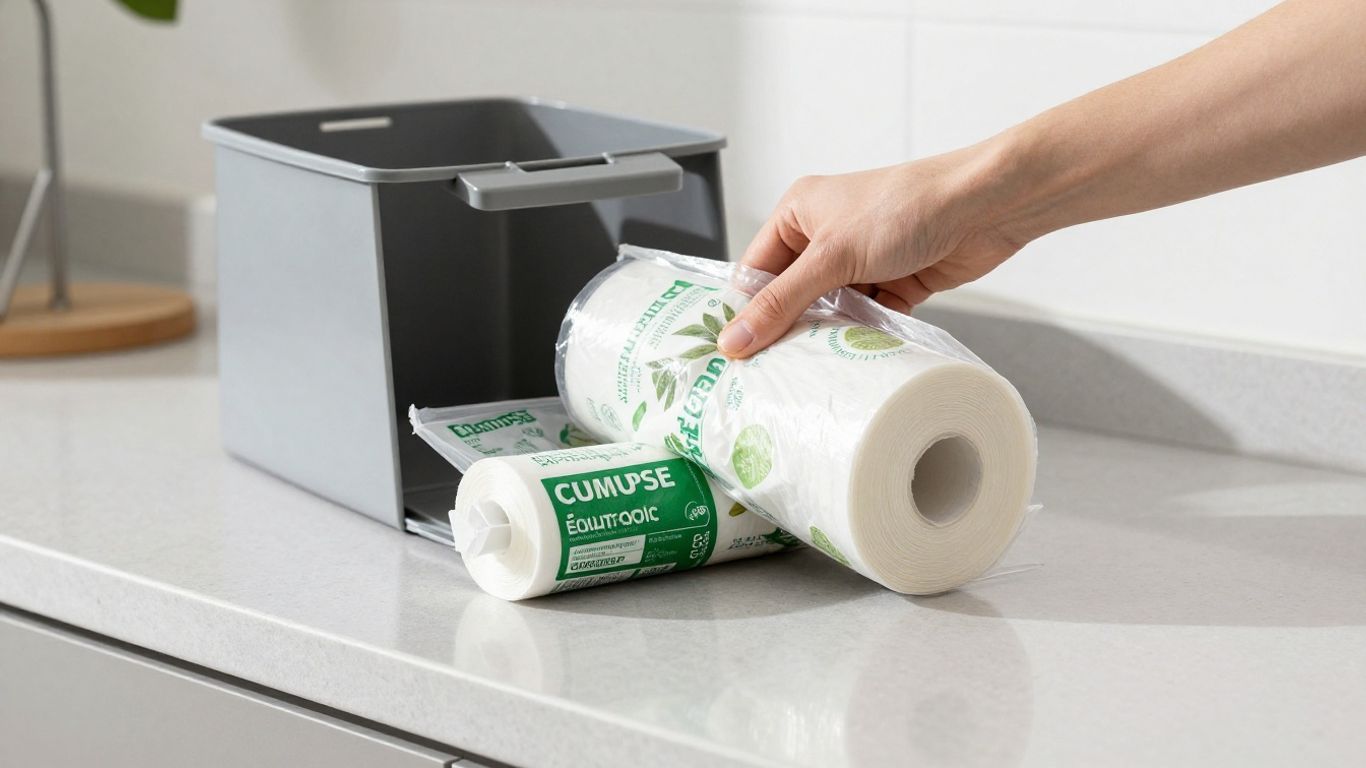
Okay, let’s talk money. You might notice that compostable bags can cost a bit more upfront than your standard plastic ones. It’s true. But thinking of it as just an expense misses the bigger picture. When you look at the long-term benefits – like reducing landfill fees, contributing to healthier soil, and avoiding the environmental cleanup costs associated with plastic pollution – the price difference starts to shrink. It’s more of an investment in a cleaner future, really. Plus, as more people and businesses make the switch, production scales up, and prices tend to come down. It’s a bit like buying energy-efficient appliances; they might cost more initially, but they save you money and resources over time.
Operational Efficiency and Brand Image
For businesses, especially those in the food service industry, using compostable bags isn’t just about being green; it makes good business sense. They help keep kitchens cleaner and reduce those lingering food odors that nobody wants. This can make a real difference in the day-to-day work environment. And let’s not forget about customers. More and more people are paying attention to a company’s environmental practices. Using certified compostable bags is a visible way to show you care about sustainability. It can boost your brand image and attract customers who value eco-friendly choices. It’s a simple change that can communicate a lot about your values.
A Small Switch With A Big Impact
So, why make the switch? It boils down to a few key points:
- Reduced Environmental Harm: You’re actively helping to keep persistent plastics out of landfills and oceans. These bags break down naturally, unlike traditional plastic.
- Support for Composting: They make collecting food scraps much easier and cleaner, which in turn supports composting programs and turns waste into valuable soil amendments.
- Cleaner Kitchens: They help contain odors and messes, making your kitchen a more pleasant place to be.
The shift to compostable bags is a practical step that aligns with a growing awareness of our planet’s needs. It’s about making conscious choices in our daily routines that collectively add up to significant positive change. It’s not about perfection, but progress.
Choosing the right compostable bags for your kitchen waste is a straightforward way to contribute to a healthier environment. It’s a small change in your routine that has ripple effects, supporting better waste management systems and reducing the burden on our planet. It’s a win-win for your kitchen and the Earth.
Making the Switch: A Simple Step for a Greener Kitchen
So, we’ve talked a lot about why compostable bags are a good idea. They help keep your kitchen cleaner, cut down on stinky smells, and most importantly, they do a lot of good for the environment by keeping food waste out of landfills where it causes problems. It might seem like a small change, just swapping out your regular trash bags for these plant-based ones, but it really adds up. When more people use them, it means more food scraps can actually become useful compost instead of just sitting around. It’s a practical way to be more sustainable without a ton of extra effort. Think of it as a simple upgrade for your kitchen that makes a real difference for the planet.
Frequently Asked Questions
What exactly are compostable food waste bags made from?
These bags are usually made from plants, like corn starch or potato starch. They are designed to break down naturally when put in the right composting conditions, turning back into soil, water, and air. They don’t come from the same fossil fuels used to make regular plastic bags.
How are compostable bags different from regular plastic bags?
Regular plastic bags are made from oil and can last for hundreds of years, breaking into tiny plastic pieces. Compostable bags are made from plants and are designed to break down completely in a compost environment within a few months, leaving no harmful bits behind. They are part of a natural cycle, unlike plastic.
Do compostable bags really help reduce smells in my kitchen?
Yes, they often do! While they can’t completely eliminate odors, many compostable bags are a bit breathable. This lets some moisture escape, which can slow down the smelly processes that happen when wet waste is sealed tightly in regular plastic. This makes your kitchen bin much nicer to be around.
Are compostable bags strong enough for kitchen scraps?
Most certified compostable bags are designed to be quite strong and can handle wet and heavy food waste. However, it’s best not to overfill them or stuff them too tightly. For very wet scraps, you might want to drain off extra liquid first to prevent leaks.
Where do I put compostable bags once they’re full?
Compostable bags work best when they are put into a proper composting system. This could be a municipal curbside composting program, a commercial composting facility, or even your own home compost bin if the bags are certified for home composting. Just throwing them in the regular trash might mean they don’t break down properly.
Are compostable bags more expensive than regular plastic bags?
Often, yes, compostable bags can cost a little more upfront. But think of it as an investment. They help reduce landfill waste, prevent harmful gases like methane, and contribute to making healthy soil. For businesses, they also show a commitment to being eco-friendly, which customers often appreciate.