
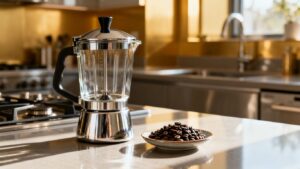
So, you’re looking to make your morning coffee a little bit better, and maybe a little bit healthier too. That’s where this whole ‘coffee pot no plastic’ thing comes in. It turns out, a lot of the stuff we use to brew our daily cup has plastic in it, and not everyone is thrilled about that. Whether it’s a concern about chemicals or just wanting a cleaner taste, there are plenty of ways to get your caffeine fix without plastic getting in the way. Let’s explore some of those options.
Key Takeaways
- Manual brewing methods like the Chemex, French press, and Moka pot are great ways to avoid plastic entirely because they’re mostly made from glass, ceramic, or metal.
- When looking at pour-over brewers, options made from ceramic, glass, or stainless steel are ideal for a plastic-free experience.
- For drip coffee makers, prioritize models with glass carafes and look for ones that use stainless steel for heating elements and other components instead of plastic.
- High-end espresso machines, especially lever-actuated ones, often use stainless steel and brass, minimizing plastic contact with hot water and coffee.
- Choosing coffee pots and kettles made from all-metal materials, like stainless steel, helps reduce plastic exposure throughout your entire coffee-making process.
Embrace Manual Brewing For A Plastic-Free Coffee Pot
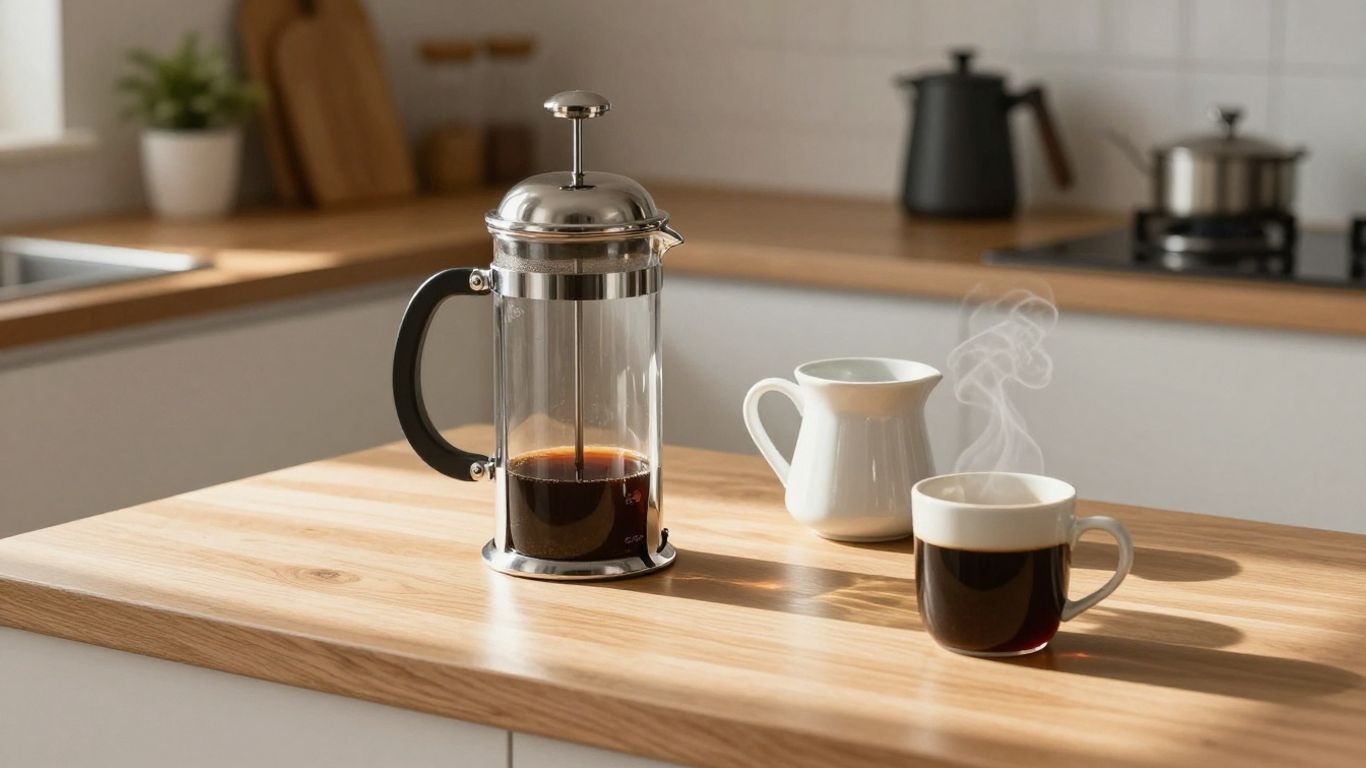
If you’re really looking to cut out plastic from your coffee routine, manual brewing is where it’s at. These methods have been around forever, and for good reason. They don’t rely on fancy electronics or plastic parts to get the job done. Instead, they use simple, durable materials like glass, ceramic, and metal. This means your coffee only touches things that won’t leach chemicals or alter the taste. Plus, you get way more control over how your coffee turns out, which is pretty cool if you’re a bit of a coffee nerd.
The All-Glass Chemex
The Chemex is a real classic. It’s basically a beautiful hourglass-shaped piece of glass. You put a special paper filter in the top, add your coffee grounds, and pour hot water over it. The coffee drips down into the bottom part. It’s about as simple and plastic-free as you can get. Because it’s all glass, it doesn’t add any weird flavors to your coffee, and it looks pretty nice sitting on the counter too. Cleaning is usually just a matter of rinsing it out and tossing the filter.
The Classic French Press
Ah, the French press. This one is a favorite for a lot of people because it makes a really full-bodied cup of coffee. Most French presses have a glass carafe and a metal plunger with a mesh filter. You add your coffee and hot water, let it steep for a few minutes, and then slowly push the plunger down. This separates the grounds from the brewed coffee. It’s a straightforward process, and the main parts are glass and metal, so no plastic worries there. Just be careful not to drop the glass carafe!
The Stovetop Moka Pot
The Moka pot is a stovetop brewer that makes a strong, espresso-like coffee. Traditionally, these are made of aluminum, but you can find versions made from stainless steel, which is a better choice if you’re avoiding aluminum. It works by heating water in the bottom chamber, which then forces steam up through coffee grounds in the middle, and the brewed coffee collects in the top. It’s a neat little device, and the all-metal construction means no plastic comes into contact with your coffee during brewing. Just remember to let it cool down before you try to unscrew it!
Manual brewing methods are a fantastic way to reconnect with the coffee-making process. They offer a tangible, hands-on experience that many find more satisfying than pushing a button on an automatic machine. Plus, the lack of plastic means you’re getting a cleaner taste and avoiding potential health concerns associated with heated plastics.
Exploring Pour-Over Options Without Plastic
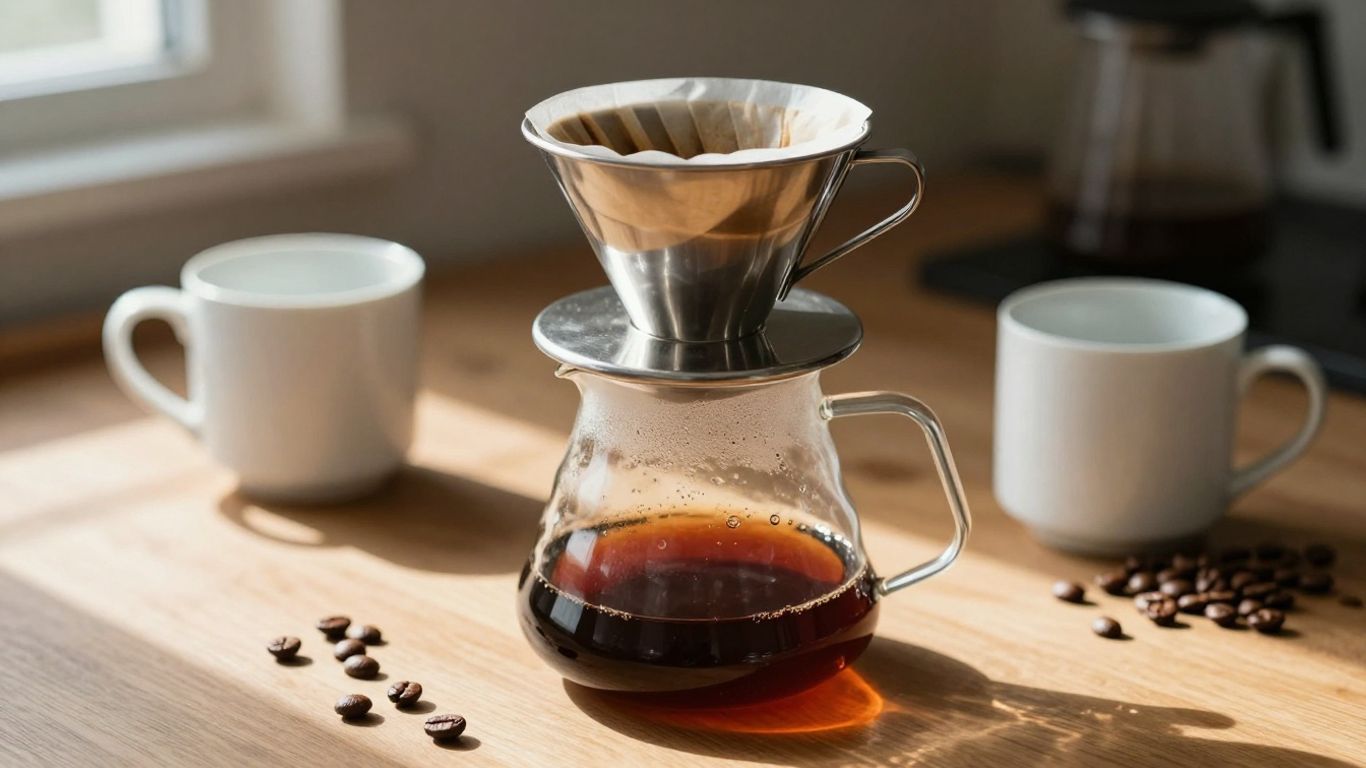
Pour-over coffee lets you control every part of the brew, and if you want to keep things plastic-free, there are some solid options out there. Choosing materials like ceramic, glass, or stainless steel can make your brewing routine safer and more eco-friendly. Let’s look at a few plastic-free ways to enjoy pour-over coffee that actually work in daily life.
Ceramic and Glass Drippers
Ceramic and glass drippers are smooth, non-reactive, and attractive sitting on your counter. They also avoid plastic contact from start to finish.
- Don’t absorb odors or flavors, so your coffee always tastes fresh.
- Retain heat well for better extraction.
- Easy to clean—just toss them in the dishwasher.
A favorite for home brewers is the all-glass CHEMEX Pour-Over Glass Coffeemaker, which uses quality borosilicate glass that doesn’t leach anything into your cup. It does take a bit of extra care (being careful with glass and all), but you get pure flavor.
Stainless Steel Pour-Over Brewers
Stainless steel drippers are basically indestructible, perfect for anyone prone to breaking things or who wants something that’ll last years.
- Tough and long-lived—drop it, it won’t shatter
- No weird aftertaste; keeps things clean
- Can take rougher cleaning or kitchen mishaps
A table comparing popular styles:
| Material | Durability | Heat Retention | Flavor Preservation |
|---|---|---|---|
| Ceramic | Good | Great | Great |
| Glass | Average | Good | Best |
| Stainless | Best | Fair | Good |
Reusable Metal Filters
Reusable metal filters mean you say goodbye to disposable paper and still skip plastic microfibers.
- Cuts waste—no paper filters going in the trash
- Lets through more oils, making a richer cup
- Just wash it between uses; lasts indefinitely
There’s something kind of satisfying about brewing a cup of coffee and knowing not a single piece of plastic touched it, and that you’ll never have to buy replacement filters again.
All these options help you avoid plastic and keep things simple. With the right dripper or filter, you can build a better morning cup and sidestep the plastic problem altogether.
Understanding Materials in Drip Coffee Makers
Glass Carafes Over Plastic
When you’re looking at automatic drip coffee makers, the carafe is often the first thing you notice. Many machines come with glass carafes, and that’s a good sign if you’re trying to avoid plastic. Glass doesn’t hold onto odors or flavors like some plastics can, and it’s generally considered a safer material for hot liquids. A glass carafe means your coffee won’t be sitting in a plastic container after it’s brewed. Some machines might still have plastic parts in the brewing mechanism itself, but opting for a glass carafe is a solid first step.
Prioritizing Stainless Steel Components
Beyond the carafe, check out the other parts of the coffee maker. Many higher-end machines use stainless steel for their bodies, which makes them look sleek and feel sturdy. This material is also great because it doesn’t react with coffee or water. Some brewers even use stainless steel for internal water lines or the filter basket. This is a big plus for keeping your coffee pure. Think about it: the less plastic that touches your hot water and coffee, the better.
Identifying Minimal Plastic Designs
It’s tough to find a drip coffee maker with absolutely zero plastic. Even machines that seem mostly metal or glass might have a few plastic bits, like buttons or seals. The trick is to find ones where the plastic is kept away from the actual brewing process or where it’s made from materials that are considered safer, like BPA-free plastics. Some newer models are really focusing on this, using glass for water reservoirs or having very few plastic parts overall. It takes a bit of looking, but these minimal-plastic designs are out there.
It can be a bit of a treasure hunt to find a drip coffee maker that truly minimizes plastic. Many popular models, even those known for quality, still use plastic for parts like the water reservoir or filter basket. This means hot water and coffee are in contact with plastic, which some folks worry could lead to tiny plastic bits getting into your cup. Looking for machines that use glass or stainless steel for these key areas is a smart move if you’re concerned about this.
Espresso Machines: Avoiding Plastic in High-End Brews
Lever-Actuated Espresso Machines
When you’re aiming for the highest quality espresso and want to keep plastic far away from your brew, lever-actuated machines are a fantastic place to start. These machines, often seen as the purist’s choice, have been around for ages, long before plastic became a go-to material for manufacturers. Think of models like La Pavoni’s Europiccola. With these, water goes straight into the boiler, so there’s no need for a plastic water tank. Plus, you’re the one providing the pressure with a manual lever, meaning no pumps or plastic water lines are involved. It’s a direct, hands-on approach that really lets you connect with the process.
Stainless Steel and Brass Construction
Many higher-end espresso machines prioritize materials like stainless steel and brass. These aren’t just chosen for looks; they’re durable, stable at temperature, and don’t impart any unwanted flavors into your coffee. Brands that focus on these materials often build machines designed to last for decades, not just a few years. This means fewer parts break down, and you’re not contributing to electronic waste as quickly. It’s a solid investment for both your kitchen and the planet.
Evaluating Mid-Tier Semi-Automatics
Now, not everyone can drop a fortune on a top-tier machine. If you’re looking for a good balance between price, ease of use, and minimizing plastic, some mid-tier semi-automatic machines are worth a look. Brands like Breville and DeLonghi offer models that use more stainless steel and brass than you’d find in fully automatic machines. While they might still have a few plastic bits here and there, the parts that come into contact with hot water and coffee are often metal. It’s a compromise, sure, but it significantly cuts down on your plastic exposure compared to many other options out there. You get a pretty good shot of espresso without breaking the bank or filling your kitchen with plastic.
It’s easy to assume that more expensive means less plastic, but that’s not always the case. Even some high-end machines can have plastic components in places you wouldn’t expect, like water intake tubes or tanks. Always check the specs and reviews carefully.
Beyond The Brewer: Plastic-Free Kettles
Even if your coffee maker is completely free of plastic, you might still be introducing it back into your brew with your kettle. Many kettles, even those that look like stainless steel on the outside, have plastic components inside where the water heats up or where parts are assembled. This is a bummer, right? But don’t worry, there are definitely good options out there if you’re looking to keep your water pure.
All-Metal Stovetop Kettles
For a truly plastic-free experience, stovetop kettles made entirely of metal are a solid choice. They’re simple, durable, and heat water directly on your stove. You won’t find any hidden plastic gaskets or internal parts here. Just pure metal and water.
- Look for 100% stainless steel or copper construction. This ensures no plastic touches your water.
- Consider the spout design. Some have wider spouts that are great for general pouring, while others offer more precision for pour-over methods.
- Check for induction compatibility if you have a modern stovetop.
Induction-Compatible Options
If you’ve got an induction cooktop, you’ll need a kettle made of magnetic material, usually stainless steel. Many all-metal stovetop kettles are designed to work with induction, so you don’t have to sacrifice your plastic-free goal for modern convenience. Just give the bottom a quick magnet test if you’re unsure.
Precision Pouring Spouts
While many stovetop kettles are fantastic, some people prefer the control offered by a gooseneck spout, especially for pour-over coffee. If this is you, you’ll want to be extra careful. Some high-end electric gooseneck kettles might have a small silicone gasket around the temperature sensor inside. It’s often minimal and above the max fill line, but if you want zero plastic contact, you’ll need to do a bit of digging. Confirming the internal materials with the manufacturer is your best bet.
Finding a kettle that’s completely free of plastic, especially if you’re eyeing electric models, can take a little research. It’s easy to overlook small parts like internal seals or handle attachments. But sticking to all-metal stovetop options or carefully vetting electric models for internal plastic parts means you’re one step closer to a truly pure coffee experience.
The Health and Taste Benefits of Plastic-Free Coffee
So, you’re thinking about ditching the plastic in your coffee routine? Smart move. It turns out, the materials your coffee touches can really make a difference, not just for the planet, but for your health and the taste of your morning cup too.
Reducing Microplastic Exposure
It’s kind of unsettling when you think about it, but plastic can break down over time, especially when exposed to heat and water, which, you know, is exactly what happens when you’re brewing coffee. These tiny bits, called microplastics, can end up in your drink. While research is still ongoing, many health experts are concerned about the long-term effects of ingesting these particles. Choosing brewing methods and pots made from glass, ceramic, or stainless steel means you’re creating a barrier, stopping any potential plastic from getting into your coffee. It’s a simple way to cut down on exposure to something we’re increasingly finding everywhere.
Preserving Coffee’s True Flavor
Ever had coffee that tasted a little… off? Sometimes, plastic can be the culprit. Certain plastics can leach chemicals that impart a subtle, often unpleasant, flavor or aroma to your coffee. This can mask the delicate notes of the beans themselves. When you use inert materials like glass or metal, you’re allowing the coffee to speak for itself. You get to taste the actual origin of the bean, the roast profile, and all those nuanced flavors the roaster worked so hard to achieve. It’s like the difference between eating food off a nice ceramic plate versus a flimsy plastic one – the experience is just better.
Sustainable Kitchen Choices
Beyond the immediate health and taste benefits, opting for plastic-free coffee gear is a solid step towards a more sustainable lifestyle. Think about it: glass, ceramic, and stainless steel are durable materials that can last for years, often decades, with proper care. This means less waste ending up in landfills compared to plastic components that might degrade or break. It’s about making conscious choices that align with a desire for a cleaner home and a healthier planet. Making the switch to a plastic-free brew is a tangible way to reduce your daily waste, and honestly, it feels pretty good knowing you’re contributing to a positive change, one cup at a time.
Wrapping Up Your Plastic-Free Brew
So, we’ve looked at a bunch of ways to make your coffee without all that plastic. It turns out, you’ve got options! Whether you’re into the hands-on ritual of a French press or a pour-over, or even if you just want a decent cup from a stovetop pot, there are good choices out there. It might take a little extra effort to find them, and sometimes they cost a bit more, but ditching the plastic means better coffee and less waste. It’s a win-win, really. Making that switch, even if it’s just one small appliance at a time, adds up. Here’s to better coffee and a cleaner planet, one cup at a time.
Frequently Asked Questions
Why is plastic used in coffee makers if it’s not ideal?
Plastic is often used because it’s cheap and good at keeping heat inside the brewer. This can be helpful for making coffee taste really good, especially with fancy beans. However, plastic can break down over time, and some people worry about tiny plastic bits getting into their coffee.
What’s the best way to make coffee without any plastic at all?
The surest way to avoid plastic is by using manual brewing methods. Think of things like the Chemex, French press, or Moka pot. These are usually made from glass, ceramic, or metal, so your coffee only touches those materials.
Are there any drip coffee makers that don’t use plastic?
It’s tough to find a drip coffee maker with absolutely no plastic. Many have glass pots and metal bodies, but might still have plastic parts inside where the water flows. You have to look closely at the materials used and prioritize those with glass carafes and stainless steel parts.
What about espresso machines? Can they be plastic-free?
Some high-end espresso machines, especially older lever-style ones, are made mostly of stainless steel and brass, avoiding plastic where it matters most. Mid-range machines might have some plastic, but generally less than automatic ones. It often comes down to how much you’re willing to spend.
Does using plastic-free coffee gear actually make coffee taste better?
Many people believe so! When coffee doesn’t touch plastic, its natural flavors aren’t affected. Plastic can sometimes give coffee a slight, unwanted taste. Plus, avoiding plastic means you’re reducing your exposure to tiny plastic particles, which is better for your health.
Besides the brewer, what other coffee gear should I check for plastic?
Don’t forget your kettle! Some electric kettles have plastic parts inside that touch hot water. It’s best to look for kettles made entirely of metal, like stainless steel, especially if you want precise pouring for methods like pour-over.