
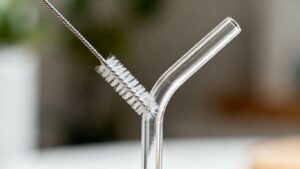
So, you’ve got those reusable straws, which is awesome for the planet. But keeping them clean can feel like a chore, right? You might be wondering if it’s even worth the effort compared to just buying new ones. Well, this article is here to show you how a simple cleaning brush for straws can make all the difference. We’ll cover how to pick the right one, how to use it like a pro, and even how to keep the brush itself in good shape. Plus, we’ll look at other ways you can use this handy tool. Let’s get those straws sparkling clean!
Key Takeaways
- Picking the right cleaning brush for straws means looking at its size, flexibility, and the material it’s made from.
- A good cleaning brush for straws makes the whole cleaning process much faster and easier.
- Using the correct cleaning brush for straws helps remove all the gunk, keeping your drinks tasting fresh.
- Taking care of your cleaning brush, like washing and storing it properly, means it will last longer.
- A dedicated cleaning brush for straws is a small investment that saves money and helps the environment by making reusable straws practical.
Choosing the Right Cleaning Brush for Straws
So, you’ve got your favorite reusable straw, whether it’s sleek stainless steel, soft silicone, or sturdy glass. That’s awesome! But now comes the real question: how do you keep it sparkling clean? Picking the right cleaning brush is actually more important than you might think. It’s not just about shoving something down the tube; it’s about getting it truly clean without damaging your straw or leaving behind any yucky residue.
Understanding Different Types of Cleaning Brushes
When you start looking, you’ll see a few main kinds of brushes designed for this job. Most are long and thin, obviously, to fit inside straws. You’ve got your basic wire-handled brushes, often with nylon bristles. Then there are silicone brushes, which are super flexible and gentle. Some even have a little loop at the end for hanging them up to dry. The best brush will depend on the material and diameter of your straws. It’s worth checking the dimensions of your straws against the brush specifications if you can.
Material Matters: Stainless Steel vs. Silicone Brushes
This is a big one. If you have stainless steel straws, you can generally use either a stainless steel brush or one with nylon bristles. They’re tough enough to handle a bit of scrubbing. However, if your straws are glass or have delicate coatings, you’ll want to be more careful. Silicone brushes are a great choice here because they’re non-abrasive and won’t scratch the surface. They’re also really good at getting into all the nooks and crannies. For something like a delicate bottle brush, you’d want to be sure it’s gentle enough for your specific straw material.
The Importance of Bristle Flexibility
Think about the shape of your straw. Most are straight, but some have bends or curves. A brush with really stiff bristles might struggle to navigate those bends effectively. That’s where flexibility comes in. A brush with softer, more pliable bristles, or one with a flexible wire handle, can bend and flex to reach every part of the inside of the straw. This is especially true for reusable straws that aren’t just simple tubes. You want a brush that can adapt to the straw’s shape, not the other way around.
Getting the right tool for the job makes all the difference. A brush that’s too stiff or too wide just won’t do a good job. You’ll end up frustrated and maybe even with a straw that’s not as clean as it could be.
Here’s a quick rundown:
- Straight Straws: Most brush types will work well.
- Bent or Curved Straws: Look for brushes with flexible handles or softer bristles.
- Wide-Mouth Straws: You might need a slightly thicker brush, or one with a wider head.
- Narrow Straws: A very thin brush is key here.
Mastering the Art of Straw Cleaning
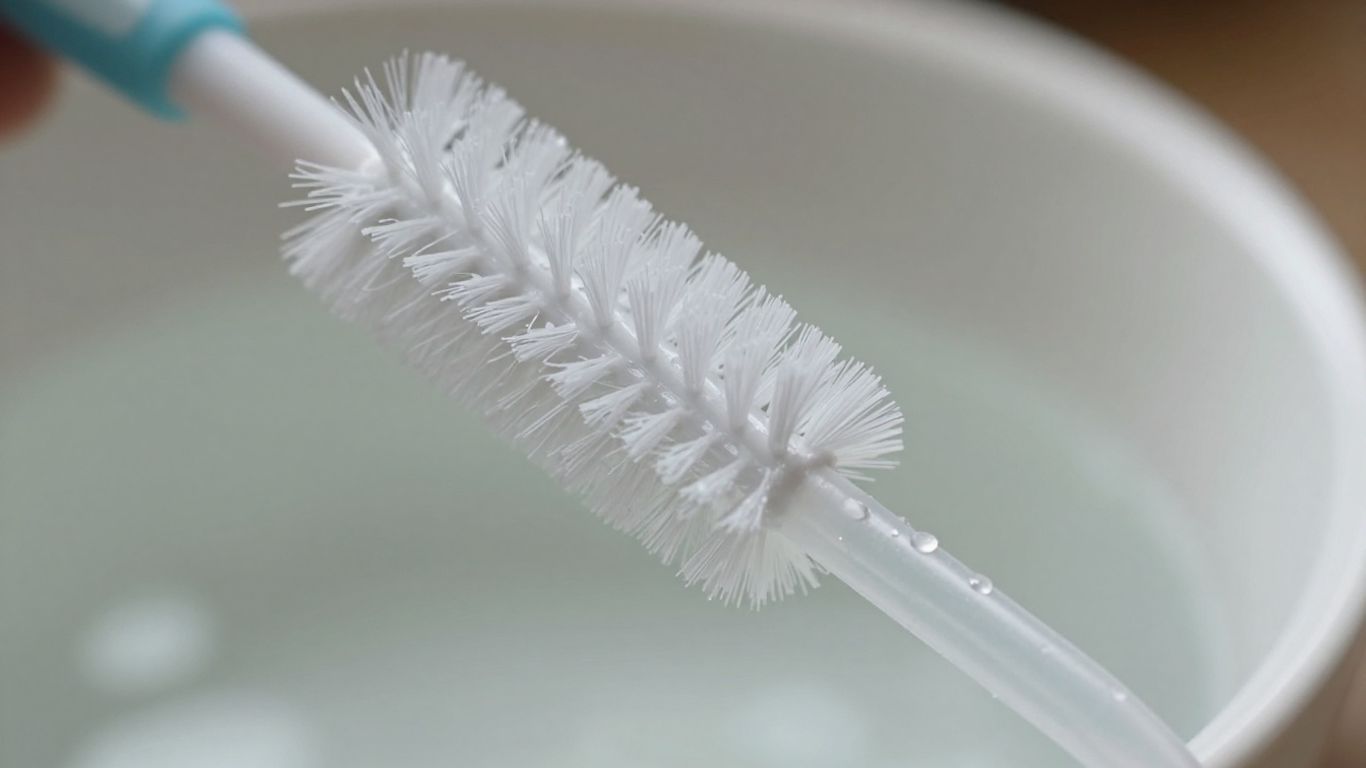
Step-by-Step Guide to Using Your Cleaning Brush
Alright, let’s get down to business. Cleaning your reusable straws doesn’t have to be a chore. With the right brush and a little know-how, you’ll have them sparkling in no time. The key is consistency and using the right tools.
Here’s how to do it:
- Rinse Immediately: As soon as you’re done with your drink, give the straw a quick rinse under warm water. This prevents residue from drying and sticking.
- Apply Soap: Put a tiny drop of mild dish soap onto the bristles of your cleaning brush. You don’t need much.
- Insert and Scrub: Gently insert the brush into the straw. Move it back and forth several times, making sure to scrub the entire inner surface. If your straw is wider, you might need to twist the brush a bit.
- Clean the Exterior: Don’t forget the outside! Give the brush a quick rinse and then wipe down the outside of the straw.
- Thorough Rinse: Rinse the straw thoroughly under running water, both inside and out, until all soap residue is gone.
For materials like bamboo, a gentle approach is best. A quick rinse followed by a light scrub with a soft brush and mild soap is usually sufficient. Always let them air dry completely.
Effective Cleaning Solutions for Stubborn Residue
Sometimes, you encounter a drink that just doesn’t want to let go. Think thick smoothies or sugary sodas. For these tougher jobs, a little extra effort goes a long way.
- Baking Soda Paste: Mix a teaspoon of baking soda with a little water to form a paste. Apply this paste to the inside of the straw with your brush and let it sit for a few minutes before scrubbing and rinsing.
- Vinegar Soak: For really persistent gunk, you can soak your straws in a solution of equal parts white vinegar and water for about 15-30 minutes. Afterward, scrub with your brush and rinse very well to remove any vinegar smell.
- Hot Water Flush: After scrubbing, a final flush with very hot (but not boiling) water can help dislodge any remaining particles.
Rinsing and Drying Techniques for Optimal Hygiene
Getting your straws clean is only half the battle. Proper rinsing and drying are super important to keep them hygienic and ready for your next beverage. You want to make sure no soapy or cleaning solution remains, and that they’re completely dry to prevent mold or mildew.
- Rinsing: Always use clean, running water. Hold the straw under the tap and let the water flow through it. You can also fill a container with clean water and swish the straw around in it, followed by a final rinse under the tap.
- Drying: This is where many people slip up. Air drying is your best friend. Stand the straws upright in a cup or a drying rack so air can circulate freely inside and out. Avoid laying them flat, as this can trap moisture. If you’re in a hurry, you can use a clean, lint-free cloth to dry the outside, but let the inside air dry completely.
Remember, a clean straw means a better-tasting drink and a healthier you. It’s a small step that makes a big difference, especially if you’re using reusable straws regularly.
Maintaining Your Straw Cleaning Brush
So you’ve got this handy little brush for your straws, which is great! But like any tool, it needs a little TLC to keep working well and stay hygienic.
Regular Cleaning of the Brush Itself
Think about it: the brush is getting into all the nooks and crannies of your straw, picking up whatever was in there. So, it makes sense to clean the brush itself after you’re done cleaning your straws. It doesn’t have to be a whole production. A quick rinse under hot water usually does the trick. If you’ve been dealing with something sticky or particularly stubborn, a little bit of dish soap can help break that down. Just work it into the bristles with your fingers, give it a good rinse, and you’re mostly good to go.
Proper Storage to Prevent Damage
Where you keep your brush matters. Leaving it in a damp, enclosed space, like a drawer or a cup with other wet items, can lead to mildew or just make it stay soggy. The best bet is to let it air dry completely. You can stick it in a mug, hang it from a hook if it has a loop, or even just lay it flat on a clean surface until it’s dry. This keeps the bristles from getting bent out of shape and prevents any funky smells from developing.
When to Replace Your Cleaning Brush
Even with good care, brushes don’t last forever. You’ll know it’s time for a new one when the bristles start looking pretty sad – maybe they’re bent, frayed, or just not cleaning as effectively as they used to. If the handle is cracked or the bristles are falling out, that’s a clear sign. Generally, if you’re using it regularly, you might find yourself needing a new one every six months to a year. It’s not a huge expense, and a fresh brush means cleaner straws.
Here’s a quick rundown:
- Bristles look worn out: Frayed, bent, or falling out.
- Doesn’t clean well anymore: You’re scrubbing, but residue remains.
- Smells off: Despite cleaning, it retains an unpleasant odor.
- Handle is damaged: Cracks or breaks that compromise its use.
Taking a moment to clean and properly store your straw brush might seem like a small thing, but it really does make a difference in how well it works and how long it lasts. Plus, nobody wants a dirty brush cleaning their drinking straw, right?
Beyond Straws: Versatile Uses for Your Cleaning Brush
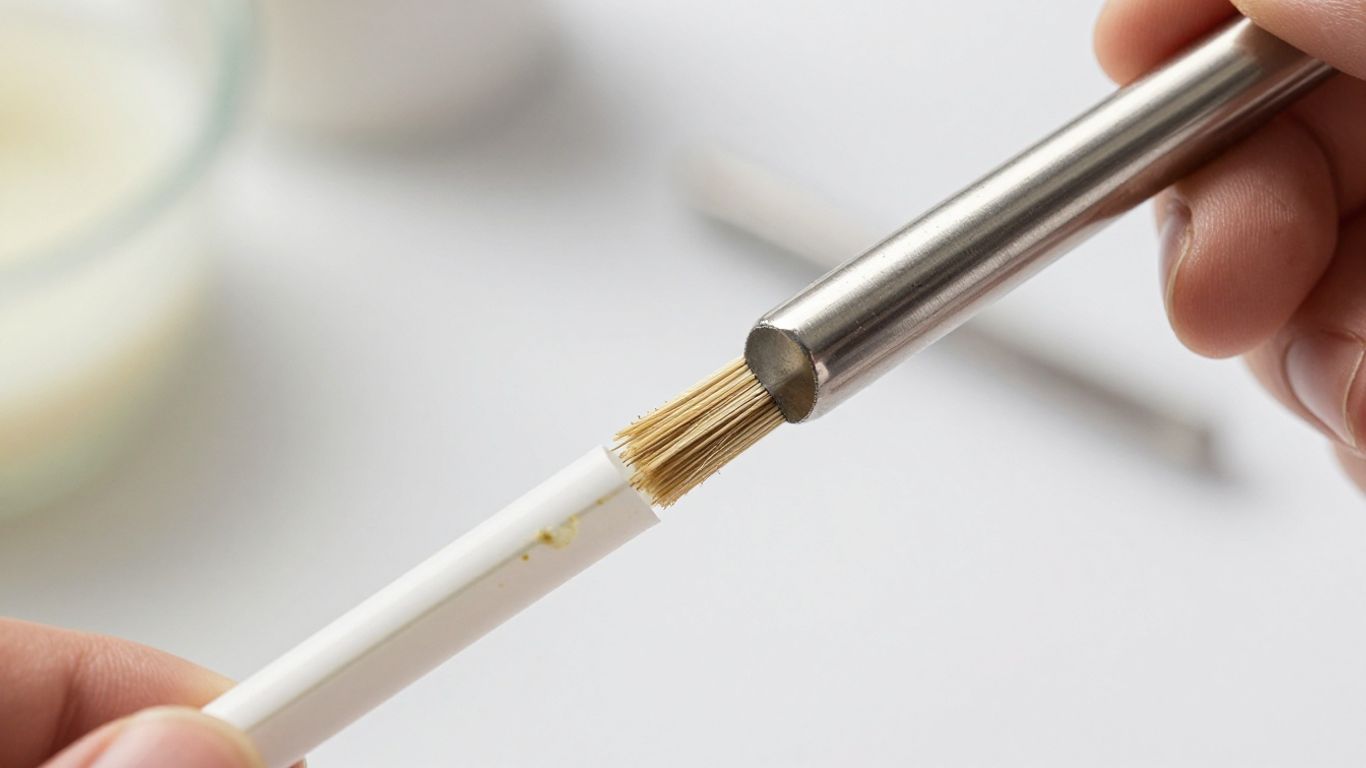
So, you’ve got this handy little straw brush, right? It’s great for, well, straws. But don’t pack it away just yet! This tool is surprisingly useful for all sorts of other cleaning jobs around the house. Think of it as your go-to for anything small, narrow, or just plain hard to reach. It’s more than just a straw cleaner; it’s a mini-cleaning powerhouse.
Cleaning Other Narrow-Necked Items
That straw brush isn’t just for sipping beverages. It’s perfect for getting into those awkward spots on other items. Ever tried cleaning the inside of a small perfume bottle or a tiny spice jar? It’s a pain, but this brush can make it much easier. It’s also great for:
- Cleaning out the nozzles of glue bottles.
- Getting residue from the bottom of travel-sized shampoo bottles.
- Scrubbing the threads on bottle caps.
Ideal for Water Bottles and Coffee Mugs
We all have those reusable water bottles and coffee mugs that get used daily. While a regular sponge might not fit, your straw brush can get right in there. It’s especially good for cleaning around the spout or lid mechanism where gunk can build up. For coffee mugs, it can scrub away that stubborn ring that sometimes forms at the bottom. You can even use it to clean out the little nooks and crannies in your coffee maker’s parts. It really helps keep everything fresh and free from old drink residue.
Reaching Tight Spots in Kitchen Gadgets
Your kitchen is full of gadgets with small, fiddly bits. Think about the spout on a gravy boat, the tiny holes in a cheese grater, or the mechanism on a garlic press. These are the places where food particles love to hide. Your straw brush can get into these tight spots and dislodge debris that larger brushes miss. It’s also handy for cleaning the inside of appliance parts, like the blender blade assembly or the filter on your coffee machine. It’s a simple tool that makes a big difference in keeping your kitchen tools truly clean. You might even find it useful for cleaning out the tiny openings on certain appliances.
Keeping these small, often-used items clean prevents the buildup of bacteria and mold. A clean brush means a cleaner drinking experience, and it extends the life of your favorite reusable items.
The Value of a Dedicated Straw Cleaning Brush
Cost-Effectiveness Compared to Replacements
Look, nobody likes throwing things away when they could be reused, right? But let’s be real about the cost of constantly buying new straws. A pack of 50 disposable straws might only cost a couple of bucks, but if you’re using them daily, that adds up faster than you think. Think about it: if you go through a pack a week, that’s over $100 a year just on straws. A good quality straw brush, on the other hand, is a one-time purchase. You use it, you clean it, and it lasts for ages. It’s a small investment that saves you money in the long run. Plus, when you consider the time spent running to the store for more straws versus a quick rinse and brush, the brush wins out.
Environmental Benefits of Reusable Straws
This is a big one. Every disposable straw we toss ends up in a landfill or, worse, polluting our oceans. It’s a massive waste of resources and a real problem for wildlife. By using reusable straws and keeping them clean with a dedicated brush, you’re actively cutting down on that waste. It feels good to know you’re making a difference, even with something as small as your drinking straw. It’s a simple switch that has a ripple effect on the planet.
Ensuring a Healthier Drinking Experience
Let’s talk hygiene. Those reusable straws can get gross if you don’t clean them properly. We’re talking about leftover smoothie bits or coffee residue lurking inside. Yuck. A dedicated straw brush gets into every nook and cranny, removing all that gunk. This means you’re not accidentally sipping on old drinks or bacteria. It’s about peace of mind, knowing that every sip you take is clean and safe. You wouldn’t drink out of a dirty glass, so why drink out of a dirty straw?
Using a dedicated brush isn’t just about convenience; it’s about making a smart choice for your wallet and the planet. It’s a small tool that makes a big impact on reducing waste and keeping your drinks genuinely clean.
So, What’s the Verdict?
Look, cleaning your reusable straws doesn’t have to be a big chore. With the right brush, it’s actually pretty quick. You get them nice and clean, ready for your next drink. It saves you a bit of money over time compared to always buying new ones, and honestly, it just feels better knowing your straw is actually clean. So yeah, grab yourself a good brush – your drinks will thank you.
Frequently Asked Questions
What makes a good straw cleaning brush?
A good straw brush should be long enough to reach the bottom of your straw. It should also have flexible bristles that can get into all the nooks and crannies without scratching the straw. Think of it like a tiny bottle brush, but specifically made for straws!
How often should I clean my reusable straws?
It’s best to clean your straws right after each use, especially if you’re drinking something other than water. Even a quick rinse with warm water helps prevent gunk from building up and makes a deeper clean easier later on.
Can I use regular dish soap to clean my straws?
Yes, regular dish soap and warm water work great for most straw cleaning needs. Just make sure to rinse thoroughly afterward to get rid of any soap residue.
What if my straw has really sticky stuff inside?
For tough residue, you can try soaking the straw in warm, soapy water for a bit before brushing. Some people also find success with a mixture of baking soda and water, or a gentle vinegar solution, but always rinse very well afterward.
How do I dry my straws properly?
After washing, shake out as much water as you can. Then, stand the straws upright to let them air dry completely. This helps prevent moisture from getting trapped inside, which can lead to mold or a funky smell.
When should I get a new straw brush?
If the bristles start to look worn out, bent, or fall off, it’s probably time for a new one. A brush that’s falling apart won’t clean effectively and might even leave bits behind in your straw.