
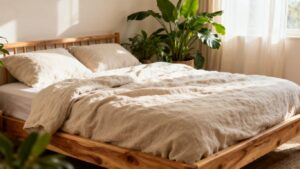
Picking out a new bed in 2026 is a big deal. It’s not just about finding something comfy; it’s about making a choice that’s good for you and the planet. We’re seeing a real shift towards beds that use natural stuff and are made in ways that don’t harm the environment. This guide is here to help you figure out what makes a bed ‘ethical’ and how to find one that fits your space and your values. Let’s get started on creating a bedroom you’ll love.
Key Takeaways
- Choosing ethical beds means looking for natural materials like organic cotton, linen, and wood from responsible sources.
- In 2026, expect to see more beds with warm, earthy colors and designs that fit into multi-functional rooms.
- Innovations in eco-friendly beds include frames made from recycled items and mattresses using natural latex.
- When selecting your ideal ethical bed, consider your personal needs for size and support, and always check for sustainability certifications.
- Investing in a well-made, ethical bed means supporting fair labor and transparent companies, which often comes with better warranties and repair options.
Understanding the Rise of Ethical Beds
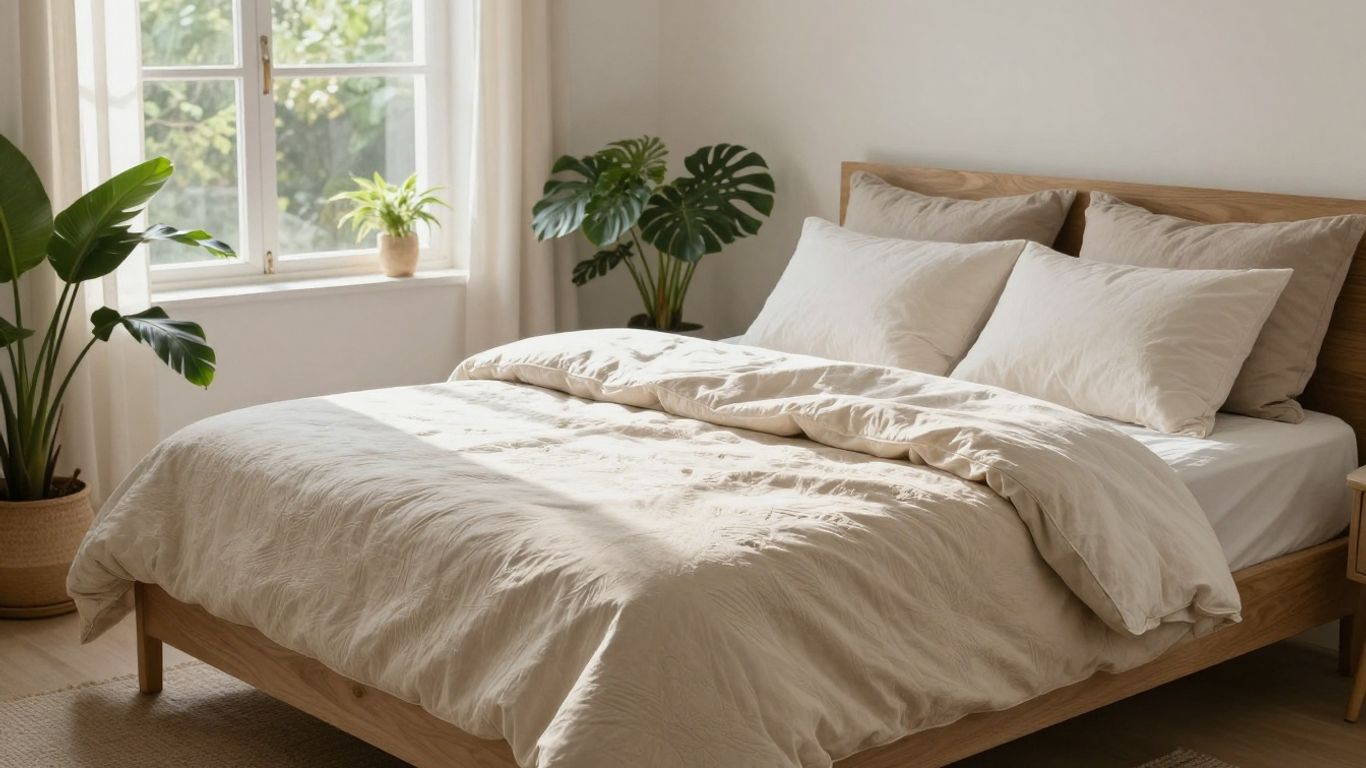
Why Your Bed Choice Matters in 2026
So, why are we talking about ethical beds now, in 2026? It’s more than just a trend; it’s a shift in how we think about our homes and our impact. Our bedrooms are becoming personal retreats, places where we recharge and express ourselves. This means the choices we make for these spaces, especially something as central as our bed, carry more weight. We’re not just picking out furniture anymore; we’re making decisions that affect our well-being and the health of the planet. Choosing a bed in 2026 is about creating a sanctuary that aligns with your values. It’s about comfort, yes, but also about conscious living and supporting practices that are better for everyone involved.
The Growing Demand for Sustainable Comfort
There’s a noticeable increase in people looking for beds that are made with the environment in mind. This isn’t just about avoiding harmful chemicals, though that’s a big part of it. It’s about wanting products that are built to last, made from materials that don’t harm the earth, and produced by companies that treat their workers fairly. Think about it: we spend a third of our lives sleeping. Shouldn’t that time be spent on something that feels good, not just physically, but ethically too? This growing awareness is pushing manufacturers to rethink how they make things, leading to more options for consumers who want to sleep soundly, knowing their bed is a force for good. Companies are increasingly focusing on renewable energy and waste reduction in their production, mirroring the growing demand for environmentally conscious products [1372].
Benefits of Natural Materials in Bedding
When we talk about ethical beds, natural materials often come up. And for good reason! Using things like organic cotton, linen, wool, or natural latex has some pretty great advantages.
- Healthier Air: Natural materials tend to release fewer volatile organic compounds (VOCs) compared to synthetic alternatives. This means better air quality right where you sleep.
- Built to Last: High-quality natural materials often age gracefully. A solid wood frame or a well-made linen duvet can last for years, reducing the need for replacements and cutting down on waste.
- Kind to the Planet: Responsibly sourced natural materials help conserve forests and reduce the overall carbon footprint associated with furniture production. It’s a way to bring the beauty of nature into your home without harming it.
Choosing beds made from certified sustainable wood or organic textiles supports forest conservation and ethical labor practices, aligning with 2026’s eco-conscious consumer values.
These materials not only feel good against your skin but also contribute to a healthier home environment and a more sustainable future. Companies like Essentia are leading the way in sustainable manufacturing, working towards significant environmental milestones [389d].
Key Trends Shaping Ethical Bed Designs
Bedrooms in 2026 are really becoming personal retreats, and how we design them reflects that. It’s not just about having a place to sleep anymore; it’s about creating a space that feels good, looks good, and does good for the planet. This shift means bed designs are evolving, blending comfort with conscious choices.
Warm Earthy Tones and Natural Aesthetics
Forget stark whites and cool grays. The big trend right now is leaning into colors that feel like they came straight from nature. Think soft terracotta, sandy beiges, and muted greens. These shades create a really calming vibe, making your bedroom feel like a cozy escape. When you pair these colors with natural wood finishes or organic textiles, it just amplifies that grounded, peaceful feeling. It’s all about bringing the outdoors in, creating a sanctuary that’s both stylish and serene. This approach to color and material really helps to create a harmonious bedroom.
Multi-Functional Bedroom Spaces
With many of us still working from home or needing our bedrooms to pull double duty, furniture that does more is a lifesaver. Beds are no exception. We’re seeing more designs that incorporate smart storage solutions, like built-in drawers or hidden compartments. Some even feature clever fold-out desks or shelving units. The idea is to maximize space and keep things tidy, which is great for mental clarity. Having a bed that can adapt to different needs helps maintain a clear separation between rest and work, promoting better sleep and a more organized life. It’s about making every square foot count.
Curvy and Sculptural Bed Frames
Sharp angles are taking a backseat to softer, more organic shapes. Bed frames with rounded edges and flowing lines are really popular. These designs not only look visually appealing, adding a touch of softness to the room’s geometry, but they also contribute to a more relaxed atmosphere. It’s like giving your bedroom a gentle hug. Pairing these sculptural frames with tactile bedding, like linen or chunky knits, really ups the comfort factor. It’s a way to add a statement piece that feels both artistic and incredibly inviting.
The focus in 2026 is on creating bedrooms that are not just aesthetically pleasing but also promote well-being. This means choosing designs that are calming, functional, and made with materials that are kind to the environment. It’s a holistic approach to bedroom design where comfort and sustainability go hand-in-hand.
Innovations in Eco-Friendly Bed Construction
It’s pretty amazing what manufacturers are coming up with these days to make our beds better for the planet. We’re seeing some really smart ideas that go beyond just using wood.
Recycled Materials in Bed Frames
Forget flimsy frames; companies are now using recycled metals, often with durable powder-coated finishes that are way less toxic than older paint jobs. This means you get a sturdy frame that’s also keeping old materials out of the landfill. It’s a win-win, really. Plus, these frames are built to last, so you’re not looking to replace them in a few years.
Natural Latex Mattresses
When it comes to mattresses, natural latex is a big deal. It comes from rubber trees, which is pretty cool, and it’s biodegradable. People love it because it’s super comfy and supportive, but it also breathes well, keeping you cooler at night. It’s a natural alternative that feels great and is kinder to the environment. Many brands are now focusing on these types of mattresses, making them more accessible than ever before. You can find some great options if you look into sustainable mattress manufacturing.
Modular Designs for Longevity
This is a game-changer for making things last. Modular beds are designed so you can easily swap out parts or repair them if something goes wrong. Instead of tossing the whole bed, you just replace a single component. This drastically cuts down on waste and means your bed can adapt as your needs change. It’s all about building things to last and be fixed, not just replaced.
The focus in bed construction is shifting towards durability and repairability. This means fewer resources are used over the lifespan of the product, and less waste ends up in landfills. It’s a smarter way to think about furniture.
Here’s a quick look at what makes these innovations stand out:
- Recycled Metals: Strong frames from reclaimed materials.
- Natural Latex: Biodegradable, breathable, and supportive mattress core.
- Modular Systems: Easy repair and component replacement for extended life.
These advancements show that you don’t have to sacrifice comfort or style to make eco-conscious choices. It’s about smart design and responsible material use, leading to better beds for us and for the planet. You can find brands committed to these practices, like those focusing on Beyond Organic® practices, which are setting new industry standards.
Choosing Your Ideal Ethical Bed
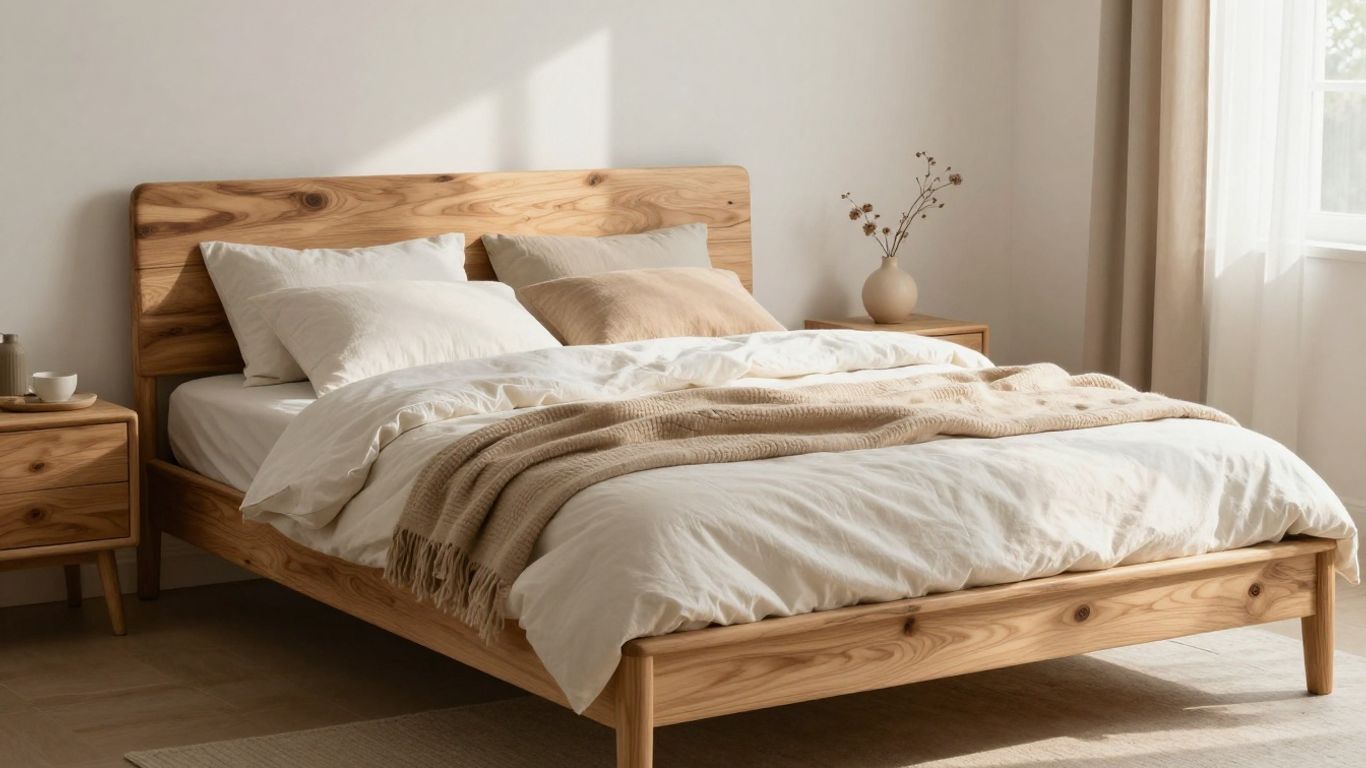
So, you’re ready to pick out a new bed that feels good and does good. That’s awesome! It’s not just about finding something that looks nice in your room; it’s about making a choice that aligns with a more sustainable lifestyle. Think of it as an investment in your sleep and in the planet. Let’s break down how to find that perfect ethical bed.
Defining Your Needs: Size, Functionality, and Style
Before you even start looking at frames and mattresses, take a moment to think about what you actually need. Your bedroom is your personal space, so your bed should fit it perfectly.
- Size: This seems obvious, but really measure your room. A king-size bed might look great in photos, but if it makes your room feel cramped, it’s not the right fit. Consider a queen or even a full if space is tight. Think about how you sleep, too – do you spread out or stay in one spot?
- Functionality: Do you need extra storage? Beds with built-in drawers or even a lift-up mechanism can be lifesavers in smaller apartments. Some modern designs even incorporate small workspaces, which is handy if you sometimes work from home.
- Style: What’s your vibe? Are you into sleek, minimalist designs that blend into the background, or do you want a statement piece with a sculptural frame? Think about the overall look and feel you want for your bedroom. Warm, earthy tones are really in right now, so a bed that complements that aesthetic might be a good bet.
Making these decisions upfront helps narrow down your options considerably, preventing you from getting overwhelmed by the sheer variety of beds available.
Prioritizing Certified Sustainable Materials
This is where the ‘ethical’ part really comes into play. You want to know what your bed is made of and where it came from. Look for certifications that tell you the materials are sourced responsibly.
- Wood: For bed frames, solid wood is usually the way to go. Look for certifications like FSC (Forest Stewardship Council). This means the wood comes from forests managed in an environmentally sound way. Avoid particleboard or MDF if you can, as they often contain glues with harmful chemicals.
- Mattress: This is a big one for comfort and health. Natural latex mattresses are a fantastic eco-friendly option. They’re made from rubber tree sap and are biodegradable. Organic cotton and wool are also great choices for mattress covers and fillings. These materials are breathable and often better for people with allergies. You can find some really top-notch organic mattresses that meet high standards.
- Other Materials: Check for finishes and fabrics. Are they low-VOC (volatile organic compounds)? Are the textiles organic or recycled? Small details like these add up.
Assessing Comfort and Support for Sleep Positions
Even the most sustainable bed won’t be great if you don’t sleep well on it. Comfort and support are key, and they often depend on how you sleep.
- Firmness: Generally, side sleepers need a softer mattress to cushion their hips and shoulders. Back sleepers usually do best with a medium-firm mattress that supports the natural curve of their spine. Stomach sleepers might need something firmer to prevent their back from arching too much.
- Support: Beyond firmness, think about how the mattress supports your body. Does it contour to you without making you feel stuck? Good support helps maintain spinal alignment throughout the night, which is super important for preventing aches and pains.
- Breathability: If you tend to sleep hot, look for mattresses and bedding made from breathable materials like organic cotton, linen, or natural latex. These help regulate temperature, keeping you cooler and more comfortable. Choosing a bed that supports your unique sleep needs is just as important as its environmental credentials.
Investing in Quality Craftsmanship and Longevity
When you’re looking for an ethical bed, it’s not just about the materials; it’s also about how it’s made and how long it’s going to last. Think of it as buying a piece of furniture that’s built to stick around, not something you’ll need to replace in a few years. This means looking into the details of craftsmanship and the brand’s commitment to making things that endure.
Handcrafted and Sustainably Produced Beds
Handcrafted beds often carry a special kind of quality. Artisans put a lot of care into each piece, which can mean stronger joints, better finishes, and a more solid feel overall. Brands that focus on sustainable production methods are usually thinking about longevity from the start. They might use techniques that are better for the environment and also result in a more durable product. For instance, solid hardwoods like oak and ash are superior to softwoods and composites for bed frames due to their strength and durability. These materials ensure longevity and robust construction for beds. Many companies are now making beds to order, which cuts down on waste and means each bed is built with specific attention to detail. You can find some really beautiful options from places that focus on American made craftsmanship, like Danner Furniture, which uses sustainably sourced solid wood from the USA.
Understanding Warranty and Repair Policies
Before you buy, always check out the warranty. A good warranty is a sign that the company stands behind its product. It shows they believe it’s built to last. Look for details about what the warranty covers and for how long. Some companies even offer repair services, which is fantastic for extending the life of your bed. This is part of the shift towards permanence in design, where items are created for long lifecycles and lasting value over disposability. A solid warranty can give you peace of mind, knowing that if something goes wrong, you’re covered.
Supporting Transparent Supply Chains and Fair Labor
Knowing where your bed comes from and how it was made is a big part of ethical purchasing. Brands that are open about their supply chains and treat their workers fairly are usually the ones you want to support. This means they’re likely using materials sourced responsibly and paying their employees a decent wage. It’s about more than just the product itself; it’s about the entire process. Look for certifications or statements from the company that talk about fair labor practices and ethical sourcing. This transparency helps you make a choice that aligns with your values, creating a bedroom that feels good in more ways than one. You can often find this information on a brand’s website, sometimes detailing their commitment to things like FSC-certified wood.
Choosing a bed that’s built with care and backed by a good warranty means you’re investing in something that will serve you well for years to come. It’s a more thoughtful approach to furnishing your home, moving away from the idea of disposable goods and towards items that have lasting value and a positive impact.
Complementing Your Ethical Bed with Sustainable Decor
So, you’ve picked out your perfect ethical bed – nice one! But don’t stop there. The rest of your bedroom decor can totally match that vibe. Think about bringing in more natural stuff to really make the room feel like a chill sanctuary. It’s all about creating a space that feels good for you and good for the planet.
Natural Wood Accents and Furnishings
Wood is just great, isn’t it? It adds this warmth and texture that you just can’t get with other materials. When you’re picking out nightstands, dressers, or even just decorative shelves, look for solid wood pieces. Ideally, they’re made from responsibly managed forests. This means the wood is harvested in a way that doesn’t mess up the environment. You can often find furniture made from reclaimed wood too, which is even better because it’s giving old materials a new life. It’s a fantastic way to add character to your room and support sustainable forestry at the same time. Check out places that focus on ethically made home decor for some really unique finds.
Energy-Efficient and Eco-Friendly Lighting
Lighting can totally change the mood of a room. Instead of those old, power-hungry bulbs, switch to LEDs. They use way less energy, which is good for your electricity bill and the environment. Look for lamps made from natural materials like ceramic, wood, or even recycled glass. The style of the lamp itself can also add to the room’s aesthetic. Think about fixtures that cast a warm, soft glow rather than harsh, bright light. This creates a cozy atmosphere perfect for winding down. You can find some really cool, affordable designer lamps that are also energy-conscious.
Textiles Made from Organic Fibers
Now, let’s talk about the soft stuff. Your curtains, throw pillows, blankets – they all add up. Opt for textiles made from organic fibers like cotton, linen, or hemp. These materials are grown without harmful pesticides, which is better for the farmers and the soil. Plus, they feel amazing against your skin. Organic cotton is super soft, linen has this lovely natural texture, and hemp is really durable. When you choose these natural fabrics, you’re not just making your room look and feel better; you’re also reducing your exposure to potentially irritating chemicals. It’s a simple step that makes a big difference in creating a truly healthy living space.
Making conscious choices about your decor, from the furniture you pick to the fabrics you use, helps build a bedroom that’s not just stylish but also aligned with a more sustainable lifestyle. It’s about creating a personal retreat that reflects your values.
Here’s a quick rundown of what to look for:
- Wood Furniture: FSC-certified or reclaimed wood.
- Lighting: LED bulbs and fixtures made from natural or recycled materials.
- Textiles: Organic cotton, linen, hemp, or recycled fabrics.
- Accessories: Ceramic, glass, or metal items made with eco-friendly processes.
Remember, sustainable decor is all about making thoughtful choices that contribute to a healthier home and planet.
Rest Easy, Live Better
So, there you have it. Picking out a new bed in 2026 is more than just finding something comfy to sleep on. It’s a chance to make a choice that feels good, both for you and for the planet. By looking into natural materials, supporting brands that do things right, and maybe even adding some earthy tones to your room, you’re not just getting a bed. You’re creating a space that helps you relax and shows you care about the world around us. Sweet dreams!
Frequently Asked Questions
What makes a bed “ethical” in 2026?
An ethical bed is made with materials that are good for the planet, like wood from well-managed forests or organic cotton. It also means the people who made it were treated fairly and paid well. Think of it as a bed that’s kind to nature and kind to people.
Why are natural materials better for beds?
Natural materials, like wood, wool, and cotton, are often better for your health because they don’t have as many chemicals that can make the air quality worse. They also tend to last longer and are better for the environment when they are made and when they are eventually thrown away.
What are some popular styles for ethical beds in 2026?
In 2026, people are liking beds with soft, earthy colors and designs that feel natural. Also, beds that can do more than one thing, like having storage built-in, are popular because rooms are used for different activities. Rounded shapes and frames that look like art are also trending.
How can I make sure the materials in my bed are truly sustainable?
Look for certifications like FSC for wood, which means it comes from forests that are managed responsibly. For fabrics, organic certifications are a good sign. It’s also helpful to buy from companies that are open about where they get their materials and how their products are made.
Are natural latex mattresses a good eco-friendly choice?
Yes, natural latex mattresses are a great choice! They come from rubber trees, which is a renewable resource. They are also known for being comfy, supportive, and they can break down naturally over time, unlike many synthetic materials.
How can I make my whole bedroom more sustainable, not just the bed?
You can add natural wood furniture and decorations to match your bed. Choose lighting that uses less energy, like LED bulbs. And pick bedding, curtains, and rugs made from organic materials like cotton or linen. This creates a cozy and eco-friendly space.