
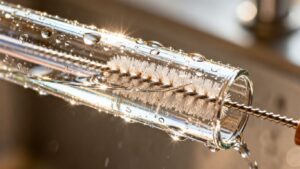
So, you’ve got those reusable straws, right? Good for you and the planet. But are you actually getting them clean? It’s easy to forget about the inside, and that’s where gunk can build up. That’s why having a good brush cleaner for straws is a total game-changer. It might seem like a small thing, but it makes a big difference in keeping your drinks tasting fresh and your straws hygienic. Let’s talk about how to pick the best one and use it right.
Key Takeaways
- A dedicated brush cleaner for straws is important for keeping reusable straws clean and hygienic.
- Look for a brush cleaner with bristles that are stiff enough to clean but flexible enough to fit easily.
- Consider the length of the brush to make sure it can reach the full length of your straws.
- Using the brush with soap and water helps it clean better than using it dry.
- Regularly cleaning your straws with a brush cleaner helps maintain their lifespan and the taste of your drinks.
Understanding Your Brush Cleaner for Straws
The Importance of a Dedicated Straw Brush
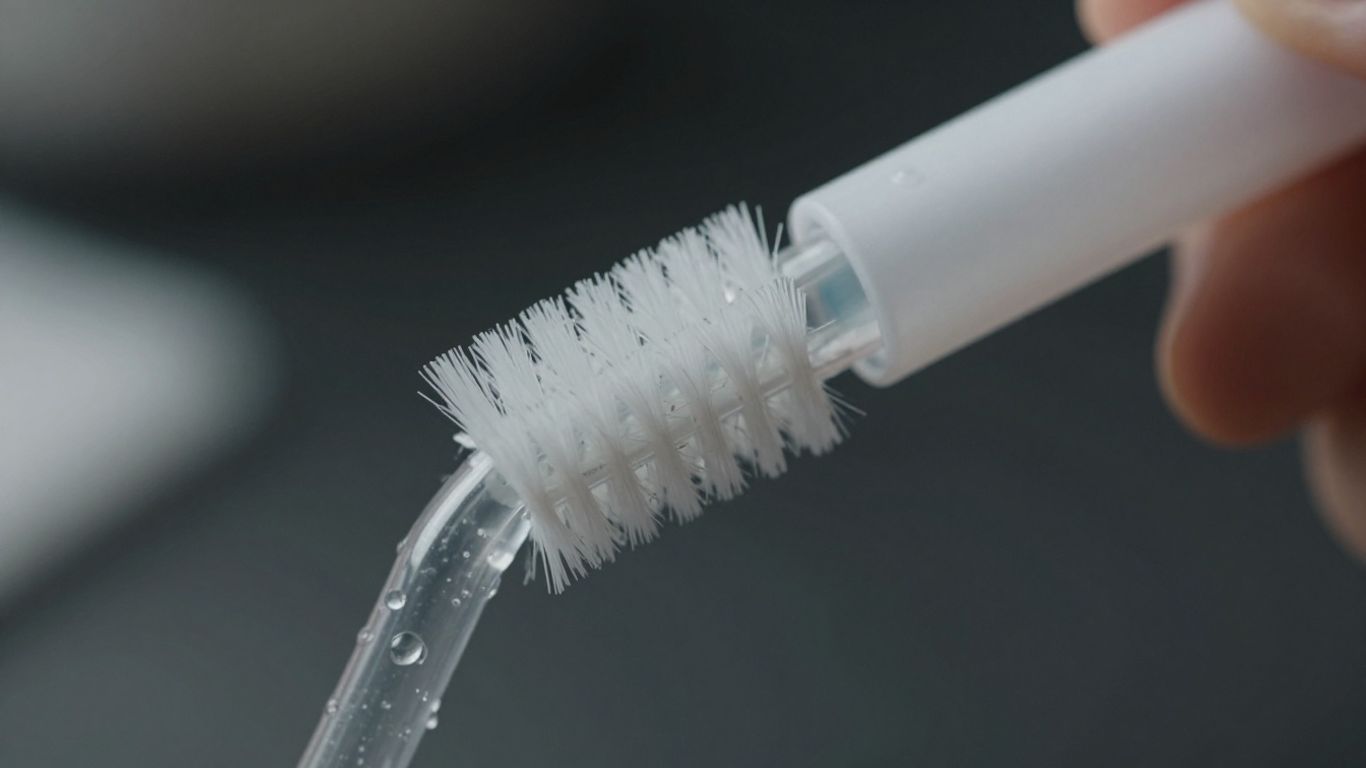
Look, we all want our drinks to taste like, well, drinks, not like yesterday’s smoothie or that weird herbal tea. Reusable straws are great for the planet, but they can get gross inside if you don’t clean them right. That’s where a good straw brush comes in. It’s not just about appearances; it’s about making sure you’re not sipping on yesterday’s leftovers. A dedicated brush gets into those tight spots that sponges and dishwashers just can’t reach. Think of it as a tiny, specialized tool for a very specific, yet important, job.
Why a Brush Cleaner is Essential for Reusable Straws
Reusable straws, whether they’re metal, glass, or silicone, have one thing in common: they’re hollow tubes. And hollow tubes are magnets for residue. Coffee oils, smoothie bits, even just water spots can build up. If you’ve ever tried to clean a straw with just soap and water, you know it’s a guessing game. Did you get it all? You can’t really see inside. A proper brush cleaner, however, is designed to scrub the entire inner surface. It’s the only way to be sure you’re getting a truly clean straw every time. This helps prevent funky tastes and smells, and more importantly, keeps things hygienic. It’s a simple step that makes a big difference in maintaining the hygiene of reusable straws.
Beyond Straws: Versatile Cleaning Applications
While these brushes are called "straw cleaners," their usefulness doesn’t stop there. Their slim, flexible design makes them perfect for all sorts of hard-to-reach places. Think about those narrow openings on water bottles, the inside of spice grinder mechanisms, or even the tiny tubes in some coffee makers. You can use them to clean out things like:
- Cake decorating tips
- Food injection kit needles
- Small appliance parts with narrow tubes
- The nooks and crannies in travel mugs
It’s kind of surprising how many places around the house could use a good scrub from a tool this size. They really are quite handy for more than just your drinking straws.
Choosing the Right Brush Cleaner for Straws
So, you’ve got your reusable straws, which is awesome for the planet. But now comes the real work: keeping them clean. Picking the right brush cleaner makes all the difference. It’s not just about grabbing any old brush; you need one that actually does the job without causing more hassle.
Assessing Bristle Stiffness and Flexibility
This is a big one. You want bristles that are firm enough to scrub away gunk but flexible enough to bend and reach all the nooks inside your straw. If they’re too stiff, especially when dry, you’ll struggle to get them in. On the flip side, if they’re too flimsy, they won’t do much scrubbing. The sweet spot is bristles that feel sturdy but give a little when you push them. Think about how they feel when wet and soapy – that’s when they’re usually at their best, conforming to the straw’s shape.
Considering Brush Length for Various Straw Sizes
Straws come in all sorts of lengths and widths, right? Your brush needs to match. A brush that’s too short means you’ll have to clean from both ends, which is fine, but a longer brush can often do the job in one go. Measure your longest straws and check the brush length. Some brushes are designed for tumblers with really long straws, which is handy if that’s what you use. It’s worth noting that even long brushes might not reach the absolute end of very long straws, so you might still need to clean from both sides.
Material Quality for Durability
Nobody wants a brush that falls apart after a few uses. Look for brushes with sturdy handles, often made of stainless steel or strong plastic, and bristles that are securely attached. You don’t want bits of brush ending up in your drink. A well-made brush will last a long time, saving you money and hassle in the long run. It’s a small investment for a tool you’ll use daily.
When picking a brush, think about the materials. A metal handle might be more durable, but make sure it’s not so thin that it bends easily. The bristles themselves should be made of a material that cleans well without scratching the inside of your straw, especially if you have delicate glass or silicone ones.
Here’s a quick rundown of what to look for:
- Bristle Type: Nylon is common and generally good. Some might have silicone tips for extra gentleness.
- Handle Material: Stainless steel is strong. Plastic handles can work but might break more easily.
- Overall Construction: Check that the bristles are tightly bound and the handle feels solid.
- Length: Match it to your longest straws. Consider if you need one long brush or if multiple shorter ones will do.
- Flexibility: It needs to bend to clean curves but be firm enough to scrub.
Maximizing Your Brush Cleaner’s Effectiveness
So you’ve got your dedicated straw brush, and you’re ready to tackle those reusable straws. But how do you get the most out of this little cleaning tool? It’s not just about shoving the brush in and out; there are a few tricks to make sure you’re getting a truly spotless clean every time.
The Wet vs. Dry Bristle Technique
This is a big one. While you might be tempted to just jam a dry brush into a dry straw, it’s usually not the most effective method. For best results, always use your brush with some moisture.
- Wet Bristles: When the bristles are wet, they become more pliable and can conform better to the inner walls of the straw. This allows them to pick up more residue. Think of it like washing dishes – you wouldn’t scrub a greasy pan with a dry sponge, right?
- Dry Bristles: Using a dry brush can sometimes just push debris around or even scratch the inside of certain straw materials if the bristles are too stiff. It’s generally less efficient at grabbing onto stuck-on bits.
So, a quick rinse of the brush under the tap before you start, or using it with soapy water, makes a world of difference. It helps the brush glide smoothly and capture more gunk.
Ensuring Complete Interior Coverage
Straws, especially longer ones, can be tricky. It’s easy to miss spots if you’re not careful. The key here is to treat the straw like a tunnel that needs cleaning from both ends.
- Insert from Both Ends: Even if your brush seems long enough, it’s a good practice to insert it from one end of the straw until it emerges from the other. Then, repeat the process by inserting it from the opposite end. This guarantees that the entire inner surface gets scrubbed.
- Gentle Twisting: As you move the brush in and out, give it a gentle twist. This helps the bristles scrub more effectively against the straw’s interior walls.
- Check for Resistance: If you feel significant resistance when inserting or removing the brush, it might mean there’s a particularly stubborn bit of residue. Don’t force it too hard, but try a few more passes with a bit of soap and water.
Integrating into Your Daily Cleaning Routine
Making this a habit is the easiest way to keep your straws clean without it feeling like a chore. The goal is to prevent residue from drying and hardening in the first place. A quick rinse and brush right after you finish your drink is ideal. This is especially important for thicker beverages like smoothies or iced coffee, which can leave residue behind. If you can’t clean it immediately, at least give it a good rinse. For a more thorough clean, consider a weekly soak with a cleaning solution.
Keeping your straw brush clean itself is also part of maximizing its effectiveness. After each use, rinse the brush thoroughly and allow it to air dry completely before storing it. This prevents mildew and keeps the bristles in good condition for the next cleaning session.
Maintaining Your Brush Cleaner for Straws
So you’ve got your trusty straw brush, and it’s doing a great job keeping your reusable straws clean. But what about the brush itself? If you don’t take care of your cleaning tool, it won’t do a good job for long. It’s like any other tool, really; a little bit of upkeep goes a long way.
Proper Storage Solutions
Where you keep your brush matters. Leaving it in a damp spot, like at the bottom of a sink or in a closed container without drying, can lead to mildew. Yuck. The best way to store your brush is to let it air dry completely.
Here are a few ideas:
- Hang it up: Many brushes come with a loop at the end. Use a small hook near your sink or on a drying rack.
- Dish drainer: Simply place it in your dish drainer after rinsing. It gets good air circulation there.
- Dedicated holder: You can get small brush holders or even use a mug or jar, as long as it allows air to get in and dry the bristles.
Avoid just tossing it into a drawer or a cup with other utensils. It needs to breathe.
When to Replace Your Cleaning Brush
Even with good care, brushes don’t last forever. You’ll know it’s time for a new one when:
- Bristles are bent or splayed: If the bristles are no longer straight and can’t effectively reach the inside of your straws, they’re past their prime.
- The handle is damaged: A cracked or loose handle makes the brush hard to use and potentially unsafe.
- It smells musty or moldy: This is a clear sign that it’s time for a replacement, no matter how much you try to clean it.
- It’s just not cleaning well anymore: If you’re scrubbing and scrubbing and still feel like your straws aren’t getting truly clean, the brush might be worn out.
Replacing your brush periodically means you’re always using an effective tool for hygienic drinking. For materials like bamboo straws, proper cleaning and drying are key to their longevity keeping bamboo straws clean.
Taking a moment to properly store and eventually replace your straw brush isn’t a chore; it’s an investment in the cleanliness and longevity of your drinking accessories. A well-maintained brush means a better clean, every time.
The Benefits of a Sparkling Clean Straw
Ensuring Hygienic Drinking Experiences
Let’s be honest, nobody wants to sip from a straw that harbors yesterday’s smoothie or coffee residue. A truly clean straw means you’re not accidentally reintroducing old flavors or, worse, bacteria into your drink. This is especially true for reusable straws, which can become breeding grounds for germs if not cleaned properly. Using a dedicated brush cleaner gets into all those nooks and crannies, making sure your drink tastes fresh and is safe to consume every single time.
Preserving the Taste of Your Beverages
Ever taken a sip of water and tasted faint notes of yesterday’s iced tea? That’s the sign of a straw that needs a good scrub. Lingering flavors can really mess with the pure taste of your drinks. A clean straw means your water stays water-flavored, your coffee stays coffee-flavored, and your fancy matcha latte doesn’t taste like a hint of lemon from earlier. It’s a simple step that makes a big difference in enjoying your beverages as they were meant to be.
Extending the Lifespan of Your Straws
Think of your straw cleaner as a maintenance tool. Regularly cleaning your straws, especially reusable ones made from materials like metal, glass, or silicone, prevents buildup that can degrade the material over time. For instance, acidic drinks or sticky residues left uncleaned can potentially etch or corrode certain materials. Keeping them spotless with a good brush helps maintain their integrity, so you won’t have to replace them as often. It’s a small effort that saves you money and reduces waste in the long run.
Keeping your drinking vessels clean isn’t just about appearances; it’s about health and the simple pleasure of enjoying a drink without unwanted aftertastes or worries about what might be lurking inside.
Here’s a quick look at why a clean straw matters:
- Health: Prevents the growth of bacteria and mold.
- Taste: Ensures beverages taste pure and fresh.
- Durability: Protects the straw material from degradation.
- Economy: Reduces the need for frequent replacements.
Final Thoughts on Sparkling Straws
So there you have it. Keeping your reusable straws clean doesn’t have to be a chore. With the right brush, you can easily get rid of any gunk or residue, making sure your drinks always taste fresh. It’s a small step, but it makes a big difference in keeping things hygienic. Give it a try, and you’ll probably wonder how you managed without one before. Your straws will thank you, and so will your taste buds.
Frequently Asked Questions
Why is it important to clean my reusable straws?
It’s super important to clean reusable straws because leftover bits of drinks can get stuck inside. If you don’t clean them well, germs can grow, and your drinks might not taste fresh. A good cleaning keeps them safe and tasty!
What makes a brush cleaner good for straws?
A good straw brush cleaner has bristles that are just right – not too stiff and not too soft. It needs to be long enough to reach all the way through your straw and flexible enough to get around any bends. This helps scrub away any gunk hiding inside.
How often should I clean my straws with a brush?
You should clean your straws every time you use them, especially if you drink something other than water. A quick rinse after use and a proper scrub with the brush after each day’s use is a great habit to get into.
Can I use the same brush for different types of straws?
Yes, usually! Most straw brushes are designed to work with different materials like plastic, metal, glass, and silicone. Just make sure the brush fits comfortably inside without being too tight or too loose.
How do I make sure my brush cleaner lasts a long time?
To make your brush cleaner last, rinse it well after each use and let it air dry completely. Try not to store it in a damp place. When it starts to look worn out or the bristles aren’t cleaning well anymore, it’s time for a new one.
Can these brushes clean more than just straws?
Absolutely! These handy brushes are great for cleaning other narrow things too, like the inside of water bottle spouts, small vases, tubing, or even cleaning out tiny parts of kitchen gadgets. They’re pretty versatile!