
We all reach for those handy microfiber cloths when cleaning. They really do a great job grabbing dirt and dust, right? But have you ever thought about what happens to them after they go through the wash? It turns out, these popular cleaning tools might be causing a bigger problem than we realize. Every time we wash them, tiny plastic fibers break off and end up in our water. So, Are Microfibre Cloths Bad for the Environment? Let’s take a closer look at the eco-impact and what we can do about it.
Key Takeaways
- Microfiber cloths shed tiny plastic fibers during washing, which end up polluting our waterways and oceans.
- These synthetic fibers don’t break down easily, contributing to landfill waste and long-term environmental issues.
- The production of microfiber cloths relies on fossil fuels, adding to resource depletion and environmental damage.
- Microplastics from these cloths can harm marine life and potentially enter the human food chain.
- Switching to natural alternatives like cotton, bamboo, or linen, and making conscious consumer choices can significantly reduce microfiber pollution.
The Environmental Concerns of Microfiber Cloths
We all love a clean home, right? And those microfiber cloths? They’re pretty amazing at grabbing dust and making surfaces shine. But have you ever really thought about what happens to them after a wash? It turns out, these handy cleaning tools come with a hidden environmental cost that’s worth unpacking.
Microplastic Shedding and Water Pollution
Every time you toss a microfiber cloth into the washing machine, it sheds tiny plastic fibers. These aren’t just a little bit of lint; they’re microscopic plastic particles, often called microplastics. They’re so small they can easily slip through the filters in most washing machines and wastewater treatment plants. From there, they make their way into our rivers, lakes, and eventually, the ocean. It’s estimated that washing textiles contributes a significant amount to microplastic pollution in our waters. These fibers don’t just disappear; they persist in the environment, causing a whole host of problems.
Non-Biodegradable Materials and Landfill Waste
Most microfiber cloths are made from synthetic materials like polyester and nylon. These are essentially plastics derived from fossil fuels. The big issue here is that they don’t break down easily, if at all, in the environment. Unlike natural fibers that might decompose over time, these synthetic ones stick around for hundreds, if not thousands, of years. So, when a microfiber cloth reaches the end of its life, it doesn’t just go away. It ends up in a landfill, taking up space and continuing to be a source of potential microplastic leakage for ages. This contributes to the growing problem of plastic waste that our planet is struggling to manage.
Fossil Fuel Dependence in Production
Let’s talk about how these cloths are made. The synthetic fibers used in microfiber products come from petroleum. That means their production is tied directly to the fossil fuel industry, which has its own set of environmental impacts, from extraction to processing. The energy required to create these synthetic materials also adds to their carbon footprint. So, even before a microfiber cloth is used for cleaning, its creation has already put a strain on the environment. It’s a reminder that many everyday items have a complex journey from raw material to finished product, and that journey often involves significant environmental considerations. The textile industry, in general, is a major source of these emissions, and microfiber production is part of that picture.
The convenience of microfiber cloths often masks their environmental footprint. From the initial reliance on fossil fuels for their creation to the persistent microplastic pollution they generate throughout their lifecycle, these cleaning staples present a complex challenge for eco-conscious consumers and industries alike. Understanding these impacts is the first step toward finding more sustainable cleaning solutions.
Here’s a quick look at the lifecycle concerns:
- Production: Relies on fossil fuels, contributing to greenhouse gas emissions.
- Use: Sheds microplastics during washing, polluting waterways.
- Disposal: Non-biodegradable, leading to long-term landfill waste.
It’s a cycle that highlights the need for change, pushing us to look for alternatives that are kinder to our planet. The sheer volume of microfibers released during the initial washes of new garments is particularly concerning, pointing to the impact of fast fashion on microfiber pollution.
It’s a lot to think about the next time you reach for that trusty cleaning cloth. The good news is, there are ways to mitigate this, which we’ll get into later.
Impacts on Marine Life and Human Health
So, we’ve talked about how microfiber cloths shed, but what happens after those tiny fibers leave our homes? It turns out, they can cause some pretty big problems for the environment, especially for the creatures living in our oceans and even for us.
Harm to Aquatic Ecosystems
When we wash these cloths, those little microfibers get washed down the drain. Eventually, they end up in rivers and oceans. Think about it – millions of homes washing these cloths regularly. That’s a lot of tiny plastic bits floating around. These fibers can be mistaken for food by small marine animals like plankton and zooplankton. When they eat these plastics, it can block their digestive systems and make them feel full, even though they haven’t gotten any real nutrition. This can lead to starvation and death for these tiny creatures, which are at the bottom of the food chain. As larger animals eat the smaller ones, the plastic moves up the food chain, affecting everything from small fish to larger marine mammals and seabirds. It’s a real mess, and it’s happening all over the world.
Potential Entry into the Human Food Chain
This is where it gets a bit closer to home. If fish and shellfish ingest microplastics, and then we eat those fish and shellfish, those microplastics can end up inside us. It’s not just about the physical plastic; sometimes, chemicals used in the manufacturing of these plastics can leach out. Studies are still trying to figure out exactly how much of this is happening and what the long-term effects are, but the idea of eating plastic, even tiny bits of it, is pretty unsettling. It’s a growing concern for food safety and public health.
Unknown Long-Term Health Effects
Honestly, we’re still in the early stages of understanding what these microplastics and associated chemicals might do to our bodies over time. Research is ongoing, but some studies have linked chemicals found in plastics to various health issues. We’re talking about potential impacts on our digestive systems, and some scientists are looking into links with reproductive health and even cognitive function. It’s a complex issue because plastics are made of so many different chemicals, and microplastics can also pick up other pollutants from the environment.
The sheer volume of plastic produced means that even small amounts of shedding from everyday items like cleaning cloths can add up to a significant environmental burden. This pollution doesn’t just disappear; it persists, breaking down into smaller and smaller pieces but never truly going away.
Here’s a quick look at some of the issues:
- Ingestion by marine life: From tiny zooplankton to larger fish, many marine animals are eating microplastics.
- Bioaccumulation: Plastics and associated chemicals can build up in the tissues of marine animals.
- Food chain transfer: This accumulation means that when we consume seafood, we might also be consuming microplastics.
It’s a stark reminder that our cleaning habits can have ripple effects far beyond our own homes. Thinking about alternatives, like using plastic-free dish soap or other eco-friendly options, becomes more important when you consider the full picture.
Understanding Microfiber Release During Washing
So, you’ve just finished cleaning, and those microfiber cloths did a fantastic job, right? They grab onto dirt and dust like little magnets. But here’s the thing: every time you toss them into the washing machine, a whole lot of tiny plastic fibers break off. These aren’t just disappearing; they’re heading straight into our water systems. It turns out, how you wash them really matters.
Factors Influencing Fiber Shedding
Several things affect how many microfibers escape your laundry. For starters, the age of the cloth plays a role. Newer synthetic fabrics tend to shed more during the first few washes. Think of it like breaking in a new pair of shoes – they’re a bit rougher at first. Also, the type of fabric matters. While we often focus on synthetic cloths, even natural fibers can shed, though usually less so.
- Newer fabrics shed more.
- Fabric construction can influence shedding.
- Wear and tear over time increases fiber release.
The Role of Detergents and Washing Cycles
Your laundry routine has a big impact. Longer wash cycles and hotter water can be tougher on fabrics, leading to more fiber loss. Interestingly, powder detergents might cause more shedding than liquid ones. Some researchers think the granules in powder act like a mild abrasive. On the flip side, fabric softeners seem to reduce shedding, possibly by making the fabric smoother and reducing friction. The way you wash your clothes significantly impacts how many microfibers end up in the environment.
- High temperatures: Can damage fibers, increasing shedding.
- Longer cycles: More agitation means more potential for fiber loss.
- Powder detergents: May act as an abrasive.
- Liquid detergents: Generally gentler.
- Fabric softeners: Can reduce friction and fiber damage.
Washing machines are essentially designed to agitate clothes vigorously. This mechanical action, combined with heat and the chemicals in detergents, is the primary driver for microfibers breaking away from textiles. It’s a necessary part of cleaning, but it comes with an environmental cost we’re only beginning to fully grasp.
Washing Machine Design and Microfiber Filters
Not all washing machines are created equal when it comes to microfiber release. Studies suggest that top-loading machines might release more fibers than front-loaders, likely due to more intense tumbling action. The good news is that technology is starting to catch up. Some countries are now mandating that new washing machines come equipped with built-in filters designed to catch these tiny fibers before they go down the drain. These filters can make a big difference, potentially capturing a large percentage of the microfibers released during a wash. If your machine doesn’t have one, you can also look into external filters that attach to your washing machine’s hose, offering a way to reduce your contribution to microfiber contamination.
Sustainable Alternatives to Microfiber Cleaning
So, microfiber cloths are kind of a big deal in the cleaning world, right? They grab onto dirt and dust like nobody’s business. But as we’ve talked about, they’re also shedding tiny plastic bits that end up everywhere. It’s a bit of a bummer. The good news is, you don’t have to stick with them if you’re trying to be more eco-friendly. There are actually some pretty solid alternatives out there that work well and don’t leave a trail of plastic behind.
The Benefits of Cotton Cloths
Let’s start with the old reliable: cotton. You probably have some cotton rags lying around already, maybe from old t-shirts or towels. These are great because they’re natural and biodegradable. When you’re done with them, they’ll break down, unlike plastic. Cotton is super absorbent, which is perfect for soaking up spills or just general dusting. While they might not have that same static cling that microfiber has for picking up fine dust, they’re still really effective for most everyday cleaning tasks. If you want to go a step further, look for cloths made from organic cotton. This means they were grown without a lot of harsh chemicals, which is better for the soil and the people growing it.
Exploring Bamboo and Linen Options
If you’re looking for something a bit more specialized, bamboo and linen are fantastic choices. Bamboo is a plant that grows incredibly fast, often without needing much water or pesticides. This makes it a really renewable resource. Bamboo cloths are often naturally antibacterial, which is a nice bonus, and they’re also very absorbent. They can feel a bit softer than cotton, too. Linen, on the other hand, comes from the flax plant and is known for being super strong and durable. A good linen cloth can last for ages, which is great for reducing waste. It’s also very absorbent and gets better with age. Both bamboo and linen are biodegradable, so they won’t hang around in a landfill forever. Just a heads-up, these might cost a little more upfront than basic cotton or microfiber, but their longevity and eco-friendliness make them a worthwhile investment for your cleaning kit.
Loofah Sponges for Natural Scrubbing
Sometimes you need something with a bit more grit, right? For those tougher jobs, like scrubbing pots and pans or getting into corners, a loofah sponge or cloth is a brilliant natural option. These come from the dried fruit of the loofah plant. Yep, it’s a plant! This means they are completely biodegradable and can even go in your compost bin when they’re worn out. Their textured surface is really good at tackling stuck-on grime without being overly harsh. Just remember to rinse them well after use and let them dry properly to keep them fresh. They’re a great way to add some natural scrubbing power to your cleaning routine without resorting to plastic sponges.
Making the switch to these kinds of cleaning materials might seem like a small step, but it really adds up. By choosing natural, biodegradable options, we’re cutting down on plastic pollution and helping to keep our waterways cleaner. It’s about making conscious choices that benefit our homes and the planet we live on.
Reducing Microfiber Pollution Through Consumer Choices
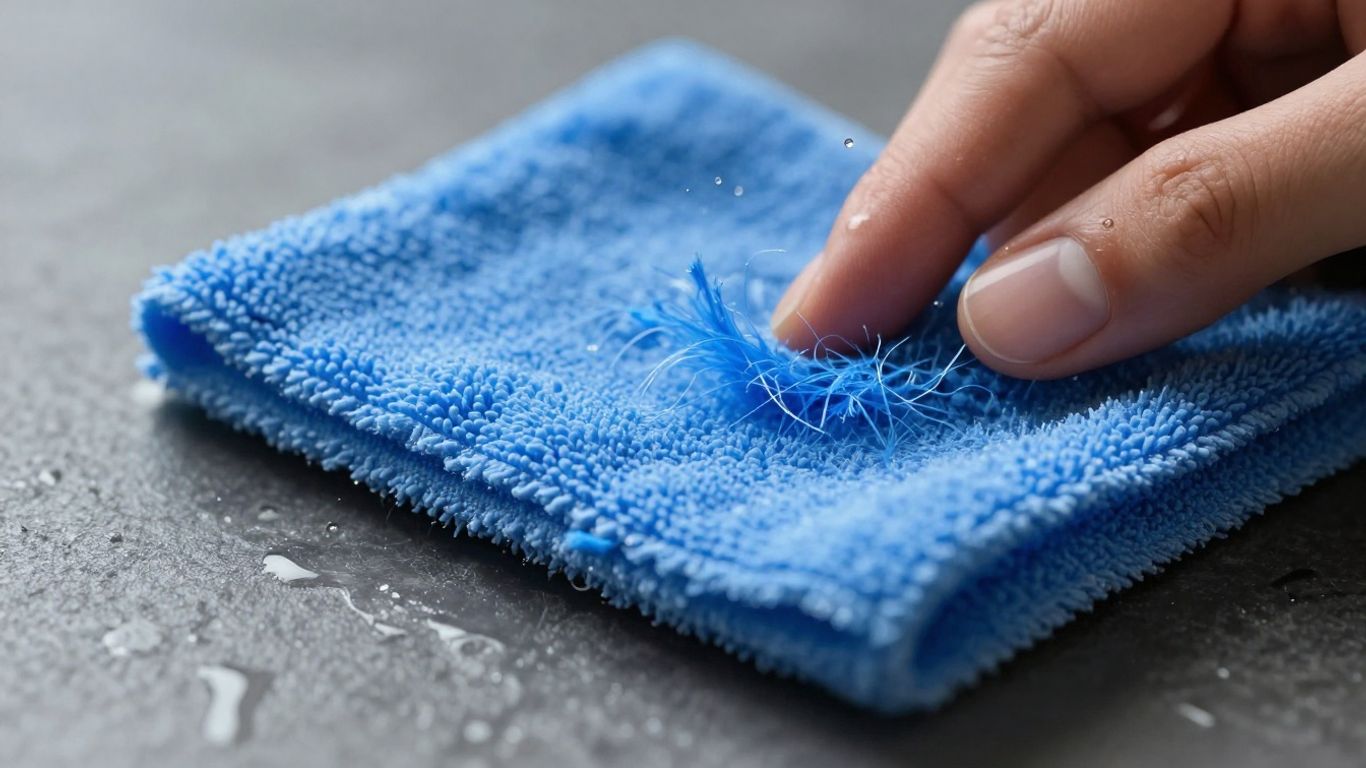
Okay, so we know microfiber cloths are super handy for cleaning, right? They grab onto dirt and dust like nobody’s business. But here’s the thing: every time we wash them, tiny plastic fibers break off and end up in our water. It’s a bit of a hidden problem, but one we can totally tackle with some smart choices.
The Impact of Fast Fashion on Microfiber Release
Think about how often we buy new clothes these days. Fast fashion means trends change quickly, and we end up with closets full of garments we barely wear. This cycle is a big contributor to microfiber pollution. New clothes, especially synthetics, tend to shed a lot more fibers in the first few washes. When you’re constantly buying new stuff, you’re also constantly sending a fresh batch of microfibers down the drain. It’s not just about the cleaning cloths; it’s about our whole wardrobe.
- Consider buying fewer, better-quality items. They’ll last longer and likely shed less over time.
- Look for clothes made from natural fibers like cotton, linen, or wool, which generally shed less plastic.
- Wash new clothes separately for the first few washes to catch more of the initial shedding.
The constant churn of new clothing, driven by fast fashion, means a continuous release of microfibers into our environment. Each new garment is a potential source of pollution, especially during its early life.
Choosing Reclaimed and Upcycled Cleaning Materials
Instead of always buying brand new, why not look at what’s already out there? Giving old materials a new life is a fantastic way to cut down on waste and pollution. Think about old cotton t-shirts or towels. They can be cut up and repurposed into perfectly good cleaning rags. This not only saves them from the landfill but also means you’re not buying new synthetic cloths that will eventually shed plastic. It’s a win-win.
Making the Conscious Switch to Eco-Friendly Habits
So, what does this all mean for our daily routines? It means being a bit more mindful about the products we use and how we care for them. It’s about making small changes that add up. For instance, when your old microfiber cloths are truly done for, consider if there are ways to dispose of them responsibly, though sadly, most end up in landfills. But the real goal is to reduce the need for them in the first place. We can start by looking for alternatives to plastic in our cleaning supplies and even in our kitchens. Making the switch to reusable, natural materials is a powerful step. It’s not about being perfect, but about making more informed choices that are kinder to the planet. Remember, avoiding heating water in plastic bottles and microwaving food in plastic containers are also simple ways to reduce your plastic exposure.
The Role of Industry in Mitigating Microfiber Pollution
Okay, so we’ve talked a lot about what we can do as consumers, but what about the folks actually making the clothes and the machines that wash them? Turns out, they’ve got a pretty big part to play too. The textile and appliance industries can make some serious headway in cutting down microfiber pollution by rethinking how things are made and how our washing machines work.
Reducing Shedding During Textile Manufacturing
It’s not just about what happens after we buy something. A lot of microfiber shedding actually happens before the clothes even hit the stores. Think about the spinning, weaving, and dyeing processes. These can be pretty rough on fabrics, causing tiny fibers to break off. Some companies are starting to look at different ways to construct fabrics, maybe using tighter weaves or different finishing techniques that don’t stress the material as much. It’s a bit like trying to handle delicate pasta – you don’t want to break it up too much before it’s cooked.
- Pre-washing at the factory: Since new clothes tend to shed the most in the first few washes, manufacturers could do a preliminary wash cycle right there. This captures a big chunk of the loose fibers before they ever get to our homes. It’s a smart way to deal with the problem at the source.
- Material choices: While not a magic bullet, being mindful of fabric types matters. Some synthetic blends are notorious for shedding. Exploring innovative materials or even improving the quality of existing ones can make a difference.
- Process improvements: Examining the machinery and techniques used in production can reveal opportunities to reduce friction and abrasion, which are major culprits in fiber release.
Innovations in Washing Machine Technology
Our washing machines are a big part of the microfiber equation. While we can’t always control the machines we own, manufacturers can build better ones. Some newer machines are being designed with this issue in mind. It’s not just about getting clothes clean anymore; it’s about doing it with less environmental impact.
The push for washing machines that capture more microfibers is gaining steam. France, for example, has made it a requirement for new machines to have built-in filters. This kind of regulation can really drive innovation across the board.
- Built-in filters: This is a game-changer. Imagine a filter that catches the microfibers before they go down the drain. France is already mandating these for new machines starting in 2025. Other countries and manufacturers are sure to follow.
- Optimized wash cycles: Some machines could be programmed with cycles that are gentler on fabrics, reducing wear and tear during washing. This might mean lower spin speeds or different water agitation patterns.
- Detergent compatibility: Manufacturers can also work with detergent companies to ensure their machines work best with eco-friendlier, less aggressive cleaning agents that don’t strip fabric finishes.
Professional Cleaning Services and Sustainable Practices
Even beyond home laundry, professional cleaning services have a role. Think dry cleaners and industrial laundries. They often use large machines and significant amounts of water and chemicals. If these facilities have better wastewater treatment systems, they can capture a lot more of the microfibers released from the textiles they handle. It’s about scaling up solutions. For businesses looking to be more eco-conscious, exploring options like plastic-free cleaning supplies can be a good start, and this extends to their laundry practices too.
- Advanced wastewater treatment: Industrial laundries can invest in filtration systems that are more effective at capturing microfibers than typical municipal systems.
- Sustainable chemical use: Choosing biodegradable detergents and avoiding harsh chemicals can reduce the breakdown of fibers and the release of other pollutants.
- Educating clients: Professional services can also inform their customers about the impact of different fabrics and washing methods, encouraging more sustainable choices overall.
So, What’s the Verdict on Microfiber Cloths?
Okay, so we’ve looked at the good and the not-so-good when it comes to microfiber cloths. They really do a bang-up job cleaning, no doubt about it. But, as we’ve seen, there’s a whole other side to the story with those tiny plastic fibers ending up in our water. It’s a bit of a trade-off, right? The good news is, we’ve got options! Switching to things like cotton, bamboo, or even upcycled old t-shirts can make a real difference. It might seem like a small change, just swapping out a few cloths, but when we all do it, it adds up. Cleaning our homes doesn’t have to mean dirtying up the planet. Let’s try to make smarter choices for a cleaner home and a healthier world.
Frequently Asked Questions
Why are microfiber cloths considered bad for the environment?
Microfiber cloths are made of tiny plastic threads. When you wash them, these threads break off and go down the drain. They end up in our rivers and oceans, causing pollution. Since they are plastic, they don’t break down easily and can harm sea animals.
Are cotton cloths a good alternative to microfiber cloths?
Yes, cotton cloths are a great choice! They are made from natural fibers that break down over time. They work well for most cleaning jobs, like dusting and wiping up spills. Plus, they are very absorbent.
Can I compost cleaning cloths made from bamboo or linen?
Linen cloths can usually be composted. Some bamboo cloths can also be composted, but it depends on how they were made. It’s best to check the product’s instructions to be sure.
How can I make my own eco-friendly cleaning cloths?
You can easily make your own cleaning cloths by using old fabric items like t-shirts or towels. Just cut them into smaller, usable pieces. This is a fantastic way to reduce waste and save money!
Do professional cleaning services use eco-friendly options?
Many cleaning companies are becoming more aware of their environmental impact. Some are starting to use greener cleaning products and explore alternatives to microfiber cloths. It’s a good idea to ask about their practices when you hire them.
What can I do to help reduce microfiber pollution from my cleaning habits?
You can start by swapping out some of your microfiber cloths for natural options like cotton or bamboo. Washing your clothes less often, using cooler water, and considering a washing machine filter can also make a big difference. Every small step helps protect our planet.