

Reusable kitchen tools are getting a lot of attention these days, and silicone lids seem to be right in the middle of it all. People are selling them as universal covers that can replace plastic wrap and disposable containers, and they look pretty good in photos. But when you actually use them, the story is a bit more complicated. It’s not just about whether silicone is better than plastic, which it generally is for the environment. The real question is if these stackable silicone lids actually do what they claim to do in your everyday kitchen routine.
Key Takeaways
- Stackable silicone lids aren’t a magic fix for everyone. They work best for people who care about sustainability, have regular-sized cookware, and are okay with a few extra steps like cleaning rims before use. They’re less ideal for those who want super easy, no-fuss solutions or have oddly shaped dishes.
- These lids create a good seal on smooth surfaces, keeping food fresh and preventing spills in the microwave. They’re great for covering bowls that don’t have matching lids.
- The quality of the silicone matters a lot. Cheaper versions might not last as long or could discolor. Look for platinum-cure silicone for better durability and flexibility.
- Getting a good seal depends on having a clean, dry rim on your container. Any grease or moisture can mess with the suction, and they don’t work well on bowls with thick or uneven edges.
- While good for reducing waste and saving money compared to plastic wrap over time, they aren’t a perfect replacement for all storage needs, especially long-term freezer storage where a vacuum seal is better.
Understanding Silicone Lid Functionality
How Silicone Lids Create a Seal
When you press a silicone lid down onto a bowl or mug, the stretchy material grabs on tight to the rim, forming a kind of vacuum. This creates an airtight and leak-resistant seal. The flexibility in the silicone helps it cling smoothly, even to some uneven edges. Here’s what this sealing action means in practice:
- Stops leaks for things like soups and stews, even if you tip the bowl.
- Slows food going bad by keeping air and moisture out.
- Stretches to fit different-sized containers, cutting down on the number of lids you need.
- Keeps in odor, so your fridge doesn’t pick up weird smells from leftover curry.
In daily life, these lids take on soups, snacks, and even half-cut fruit—the seal holds up as long as the rim isn’t really greasy or jagged.
The Role of Material Quality in Performance
Not all silicone is created equal, and you’ll feel the difference over time. Top-quality lids are usually made from platinum-cure, food-grade silicone, which stays soft and flexible after lots of use. Cheaper silicone—like the kinds made from less pure sources—can stiffen, discolor, or start smelling off after enough dishwasher cycles. This importance of material quality is the same reason certain brands use medical-grade or baby-product silicone for reusable lids and coffee cup covers.
A quick table to break it down:
| Material Type | Odor Resistance | Stays Flexible | Safety with Hot Food |
|---|---|---|---|
| Platinum-cure, food grade | High | Yes | Excellent |
| Blended/Peroxide-cure | Low-medium | Sometimes | Can degrade/stain |
What you pay for really does matter here. Lids that cost a few bucks less tend to lose their shape, take on food smells, or just stop fitting as tightly over time.
Limitations of Universal Fit Designs
Universal fit sounds great until you try to stretch a lid over a really large bowl or a super-oddly-shaped dish. Here are some of the common frustrations:
- Too much stretch can create tiny gaps, letting moisture or air sneak in.
- Won’t work well on containers with uneven, wet, or greasy rims (think casserole dishes with decorative edges).
- Overstretching can wear out the silicone, especially around the outer edge.
- Sometimes, if the container’s edge isn’t smooth enough, the lid just won’t grab on at all.
So, while a universal set is convenient, most folks end up using only a couple sizes that really fit their main kitchen dishes. There’s always that one huge leftover bowl that refuses to cooperate!
Choosing the right set for your kitchen helps avoid the “close, but not quite” struggle that happens with universal lids—aim for a range of sizes that truly match what you use most.
Real-World Performance and Durability
So, do these silicone lids actually hold up when you start using them every day? We put them through the wringer for a few months, testing them in all sorts of kitchen situations. It turns out, not all silicone lids are created equal, and how you use them really matters.
Seal Integrity Under Various Conditions
Getting a good seal is the whole point, right? We found that top-tier lids generally did a fantastic job, keeping things sealed tight in the fridge about 98% of the time. That means no weird smells getting in or out, and your leftovers stay fresh. Mid-range options were pretty good too, maybe letting a tiny bit of condensation form under the rim now and then. The budget ones, though? They often lifted around the edges, letting moisture escape or odors sneak in. A clean, dry rim is absolutely key for any lid to work properly. If there’s any grease, food residue, or even just a bit of water left on the bowl’s edge, you’re going to have a bad time.
Heat and Cold Resistance Testing
Most silicone lids claim to handle high heat, but we found that’s usually for dry conditions. When we put them in a 400°F oven, the really good ones didn’t warp or lose their grip. Cheaper ones started to soften up and the edges would curl a bit after fewer uses. For microwave use, they’re generally fine, especially if you lift the vent tab to let steam out. We did notice one lid start to sag slightly after about 25 minutes on a simmering pot of sauce over medium heat, so they do have their limits, especially with sustained, direct heat. In the freezer, they held up well, not cracking or becoming brittle like some plastics might.
Long-Term Durability and Maintenance
After about 50 dishwasher cycles, the premium lids still looked and felt like new. The mid-range ones sometimes showed a little yellowing around the edges, and the budget lids could get cloudy and even a bit sticky. We also looked at how well they kept their stretch and grip over time. The best ones retained over 90% of their original functionality after six months, while some of the cheaper ones were noticeably less stretchy and harder to get a good seal with. Cleaning is pretty straightforward – warm water and soap usually does the trick, and most are top-rack dishwasher safe. Just avoid any harsh scrubbers that could scratch the surface.
The biggest takeaway is that while silicone lids offer a great reusable alternative, their performance hinges on material quality and proper application. Expecting a budget lid to perform like a premium one, or using any lid on a greasy or uneven rim, will likely lead to disappointment.
Comparing Silicone Lids to Traditional Wraps
So, how do these silicone wonders stack up against the usual suspects like plastic wrap and aluminum foil? It’s a pretty big shift, honestly. For years, we’ve all just grabbed whatever was handy – a roll of plastic or a sheet of foil – and called it a day. But when you start thinking about the waste, it really adds up.
Reducing Kitchen Waste with Reusables
This is where silicone lids really shine. Think about it: how many times a day do you reach for plastic wrap? For a bowl of leftovers, a half-used onion, or covering something in the fridge? Each time, you’re tearing off a piece that’s used once and then tossed. It’s a lot of single-use plastic ending up in the trash. Silicone lids, on the other hand, are designed to be used over and over. You just wash them and they’re ready to go again. It feels good to cut down on that constant stream of disposable stuff. Plus, they’re usually made from platinum-cure silicone, which is supposed to be pretty stable and less likely to break down compared to cheaper versions.
- Environmental Impact: A single silicone lid can replace hundreds, if not thousands, of plastic wraps over its lifespan.
- Material Quality: Look for platinum-cure silicone; it’s more durable and less prone to odors than other types.
- Long-Term Savings: While the upfront cost is higher, the reusability makes them cheaper over time.
The sheer volume of disposable kitchen wrap used daily is staggering. Switching to reusable silicone lids offers a tangible way to reduce personal waste without sacrificing much in terms of convenience.
Convenience Factor: Plastic Wrap vs. Silicone
Okay, let’s be real. Plastic wrap is super convenient in its own way. It’s thin, it clings, and you don’t have to worry about it fitting perfectly. You just pull, tear, and wrap. Silicone lids require a bit more effort. You have to stretch them over the container, making sure you get a good seal all the way around. It’s not hard, but it’s definitely an extra step. Sometimes, if the rim of your container is wet or greasy, the lid might slip a bit, which is annoying. Plastic wrap doesn’t really have that problem. However, silicone lids are way better for microwave use – no more plastic touching your food or melting weirdly. And they don’t just fly off in the fridge like plastic wrap sometimes does.
Cost-Effectiveness Over Time
This is where the initial sticker shock for silicone lids starts to make sense. A set of good quality silicone lids isn’t cheap. You might spend $20-$30 or more. Meanwhile, you can get a big roll of plastic wrap for just a few bucks. But that roll runs out. And then you buy another. And another. Over a year or two, those small purchases add up. Silicone lids, if you take care of them, can last for years. So, while you’re spending more upfront, you’re actually saving money in the long run by not constantly buying disposables. It’s like buying a good quality tool versus a cheap one – the good one costs more initially but does the job better and lasts way longer.
Choosing the Right Silicone Lid Set
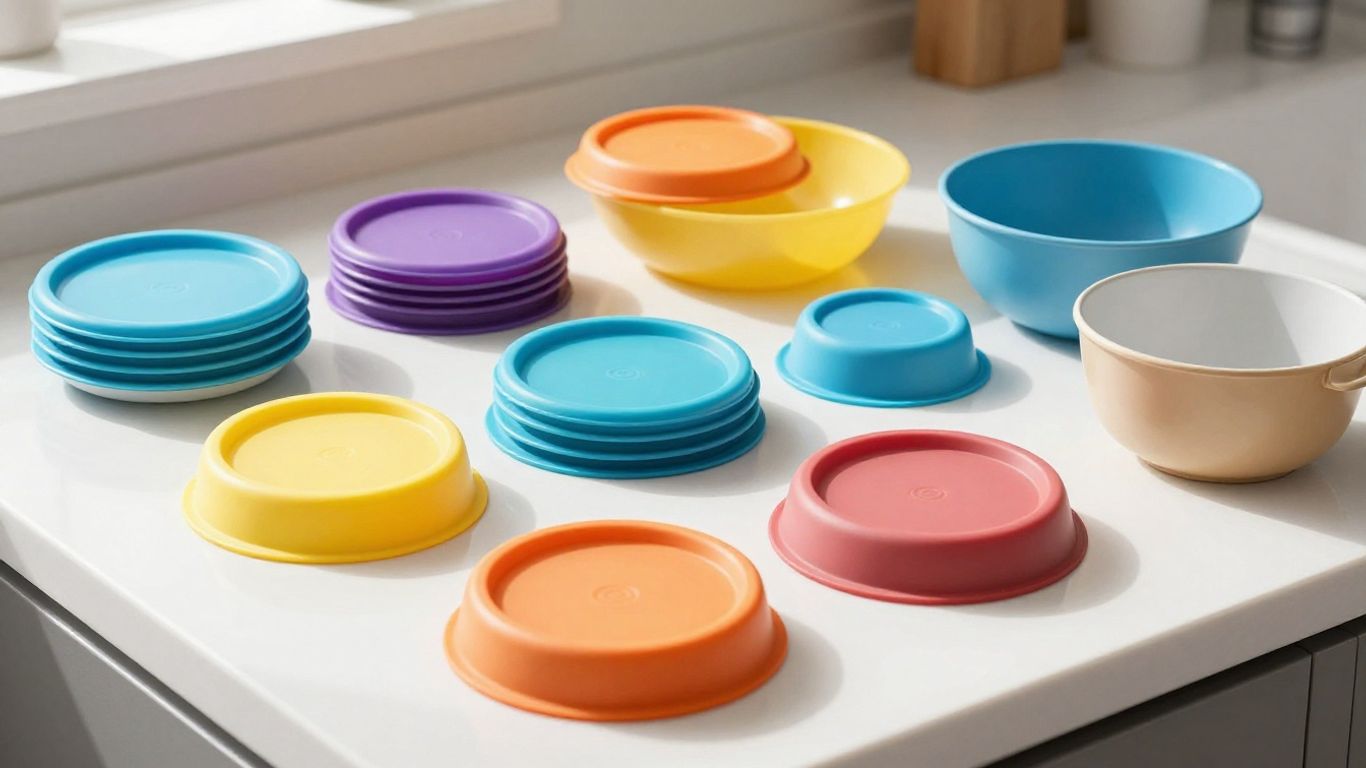
Finding silicone lids that actually work in your kitchen can be a hassle. Between sketchy materials and covers that just won’t fit, it’s worth digging into the details before buying a set. Below, I’ll walk you through the big points you should focus on so you don’t end up with a useless junk drawer full of floppy lids.
Material Grade: Platinum-Cure vs. Others
Not all silicone is made equal. Food-grade platinum-cured silicone stands out for safety and long-term use—it won’t absorb smells or shed weird chemicals into your food. Watch out for cheaper lids that mix in fillers like chalk or go for peroxide curing. Those might stiffen or discolor just a few months in.
- Look for platinum-cure (sometimes called medical-grade) options.
- Steer clear of any lids that don’t say "BPA-free" or "LFGB/FDA approved."
- Good silicone feels a bit tacky to the touch, not sticky or slippery, and doesn’t leave any residue.
You might pay a few bucks more for top-tier silicone, but it’ll keep working after dozens of dishwasher cycles—no funky smells or cracks.
Fit and Sizing Considerations
You need lids that actually cover what you own. The whole universal concept is only as good as the stretch.
- Measure common bowl and container sizes in your kitchen, then check the range covered in a set.
- Avoid single-size "universal" lids unless you only use standard bowls.
- Multi-size packs are best. For example, most quality sets cover 4” to 10” openings.
- Premium silicone can stretch up to 150% its original diameter, so one lid covers more surfaces.
If you really want to match lids to your pots and pans, browse the 12 best universal silicone lids for a full rundown of sets that actually fit what you use every day.
Design Features for Ease of Use
A little design effort goes a long way here. The best silicone lids aren’t just circles—they’re built with daily kitchen headaches in mind.
Some features to look for:
- Easy-grip tabs or handles so you’re not peeling them off with greasy fingers.
- Raised or reinforced lids for stacking containers on top of each other in the fridge.
- Clear/translucent silicone for spotting leftovers without peeling the lid.
- Color coding, so you grab the right size on the first try.
| Design Feature | Why It Matters |
|---|---|
| Grip tabs/handles | Makes removing lids quick & easy |
| Reinforced center | Prevents lid sag if stacked |
| Translucency | See what’s inside at a glance |
| Color coding | Grab the right size, reduce confusion |
Small detail: if you plan to use these hot out of the microwave or oven, smooth undersides and thick rims help prevent burns and warping.
Picking the right silicone lid set is way more than just grabbing whatever’s cheapest on the shelf. The right fit, solid material, and thoughtful designs will make these way more than just another kitchen gadget you regret buying.
Practical Applications and Use Cases
Microwave and Reheating Safety
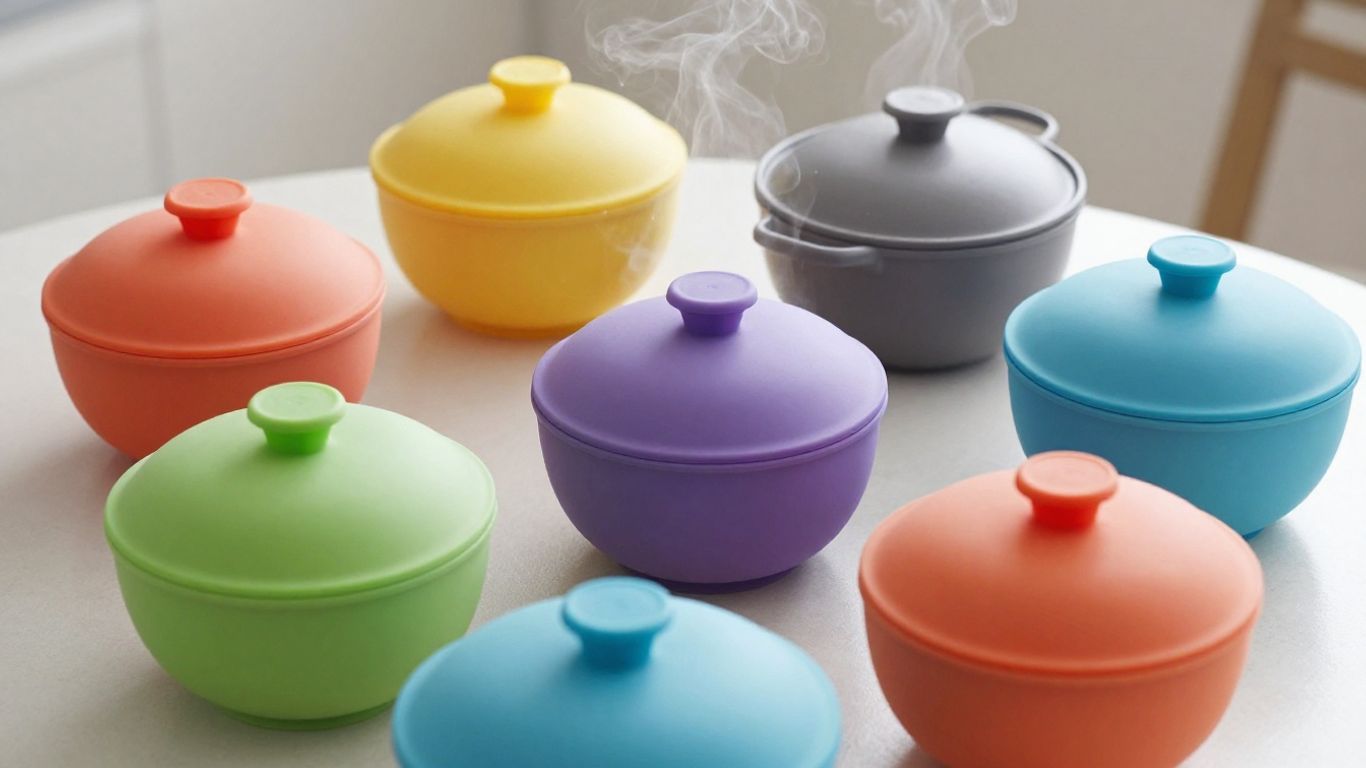
These silicone lids are pretty handy when it comes to zapping leftovers. They do a great job of keeping your microwave clean by stopping food from splattering everywhere. Plus, they’re designed so that steam can escape from the edges, which is way better than a rigid lid that might just pop off. You can usually pop them in the microwave without a second thought, which is a nice change from worrying about plastic wrap melting or old glass lids being too heavy.
Refrigeration and Odor Control
When it comes to storing food in the fridge, these lids create a pretty good seal. They help keep your food from drying out and can also stop those strong smells from spreading around. I’ve tested them by putting a damp paper towel in a covered bowl and leaving it in the fridge for a few days. Sure enough, the towel was still moist, proving the lid was doing its job against the dry fridge air. It’s not quite a vacuum seal like some fancy containers, but for everyday use, it works well.
Covering Various Dishware Shapes
This is where universal silicone lids really shine. They’re fantastic for those odd-shaped dishes that never seem to have a matching lid, like shallow pasta bowls or even pie plates. Because the silicone is flexible, it can stretch over a surprising variety of rims. You just need to make sure the rim of your dish is smooth and clean for the best seal. It’s a simple way to keep food fresh without having to dig through a pile of mismatched lids or resort to plastic wrap.
- Great for: Bowls, pots, jars, and containers with smooth, round rims.
- Works on: Glass, ceramic, stainless steel, and some plastic dishes.
- Less ideal for: Square or rectangular containers, or dishes with very textured or uneven edges.
Potential Pitfalls and User Considerations
It’s easy to be wowed by the idea of universal silicone lids—less clutter, less plastic, less hassle. But the everyday reality? There are a few bumps along the way you’ll want to know about before tossing all your plastic wrap.
Challenges with Uneven or Textured Rims
- Silicone lids really need a flat, clean rim to work as advertised. If your favorite mixing bowl has a scalloped edge, or your trusty saucepan’s rim is dented, expect a much weaker seal.
- They can struggle with decorative edges, wide handles, or anything that disrupts the circle of contact. That tiny gap is all it takes for air to sneak in—or for the lid to pop off.
- Some shapes just don’t play nice. Rectangular or square containers? Most round lids won’t even come close.
In my kitchen, lids that worked like a charm on smooth glass pie dishes were a nightmare on cheap plastic containers with those little molded spouts. I now keep a mental list of which bowls are silicone-friendly, and which aren’t worth the effort.
Maintaining a Proper Seal
- Universal isn’t always universal. Even a little moisture or crumb on the rim can kill the seal and make the lid slip off.
- Getting a tight seal means pressing the lid all around each time—not just tossing it on. That means a bit of a learning curve, especially if you’re used to one-size-fits-all covers like well-built options from Made In.
- Over time, repeated stretching or exposure to harsh cleaning can loosen the fit, especially for thinner or lower-quality silicone.
Here’s a quick checklist to improve your odds:
- Dry and wipe the container’s rim before sealing.
- Press firmly all the way around—don’t just set and forget.
- If the lid is too loose or too tight, try a different size for your container.
| Pitfall | Real-World Impact |
|---|---|
| Textured rim | Weak seal, frequent leaks |
| Wet or oily surface | Lid slips and doesn’t stick |
| Too much stretching | Silicone may warp or tear over time |
When Silicone Lids Are Not Ideal
- Freezer storage for soups and sauces—sometimes lids just can’t manage the expansion without popping off.
- Super-hot broiling or open flame: most lids (even those rated oven safe) shouldn’t go directly under a broiler.
- Storing liquids upright if the fit isn’t perfect—you might end up with a mess in the fridge.
Sometimes, sticking with a classic snap-on rigid lid or glass cover just works better for awkward shapes or when you need a real seal. But if your cookware is mostly round, with clean, smooth rims, and you’re prepared for a bit of trial and error? Silicone lids can still earn their spot in your kitchen—just don’t expect miracles right out of the box.
Conclusion: Are Universal Silicone Lids Worth It?
So, after a few months of putting these silicone lids through the wringer, here’s my honest take: they’re not a miracle fix for every kitchen, but they do solve a bunch of everyday problems. If you’re tired of wrestling with plastic wrap or hunting for missing container lids, these are a solid upgrade—especially if your bowls are mostly round and have smooth rims. They’re easy to clean, last a long time, and actually help cut down on waste, which feels good. But they’re not perfect. If your dishes are all different shapes or you want something that works for every single container, you might get frustrated. The seal isn’t always airtight, and you do have to pay attention to rim size and cleanliness. Still, for most people who want to make their kitchen routine a bit simpler and greener, universal silicone lids are worth a shot. Just don’t expect them to do everything, and you’ll probably be pretty happy with the switch.
Frequently Asked Questions
Can these lids be used in the oven or freezer?
These lids are safe for use in the microwave and freezer. However, they are not meant for regular ovens, broilers, or stovetops. The intense heat from an oven can damage the silicone material.
How do I clean the silicone covers?
Cleaning is simple! Just give them a quick rinse with warm, soapy water. For a deeper clean and to make sure they’re extra hygienic, you can put them on the top rack of your dishwasher.
Will the silicone lids get stained by foods like tomato sauce or turmeric?
Yes, some foods with strong colors, like tomato sauce or turmeric, can potentially stain the silicone over time. To minimize staining, try to clean the lids soon after use. If a stain does appear, a soak in a mixture of vinegar and water can often help lift it.
Do silicone lids really create an airtight seal?
They create a very good seal, especially on smooth rims, which helps keep food fresh and prevents fridge odors from escaping. However, they aren’t completely airtight like a vacuum-sealed container. For long-term freezer storage, it’s best to use them with traditional containers or ensure there are no air pockets when covering.
What kind of rims work best with silicone lids?
Silicone lids work best on clean, dry, and smooth rims made of glass, ceramic, stainless steel, or some plastics. They may not seal well on rims that are thick, rounded, have a lip, or are textured.
Are silicone lids a good way to reduce kitchen waste?
Absolutely! By replacing disposable plastic wrap and aluminum foil, silicone lids are a fantastic eco-friendly choice. They are reusable, durable, and can last for many years, significantly cutting down on the amount of trash your kitchen produces.