
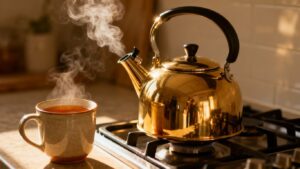
Finding the right tea kettle can really make a difference in your daily routine. Whether you’re a serious tea drinker or just need hot water for your morning coffee, the right kettle makes the process smoother. There are tons of options out there, from simple stovetop models to fancy electric ones with all the bells and whistles. This guide will help you figure out what to look for so you can get a tea kettle that fits your needs and your kitchen.
Key Takeaways
- Decide between a stovetop or electric tea kettle based on your preference for speed and convenience.
- Look for features like precise temperature control, especially if you drink different types of tea or coffee.
- Consider the spout type; a gooseneck spout offers more control for pouring, useful for pour-over coffee and delicate teas.
- Durable materials like stainless steel or carbon steel are good choices for longevity, and some kettles have attractive enamel finishes.
- Don’t forget practical features like auto-shutoff and a keep-warm function, and remember to clean your tea kettle regularly to remove mineral buildup.
Choosing Your Ideal Tea Kettle Type
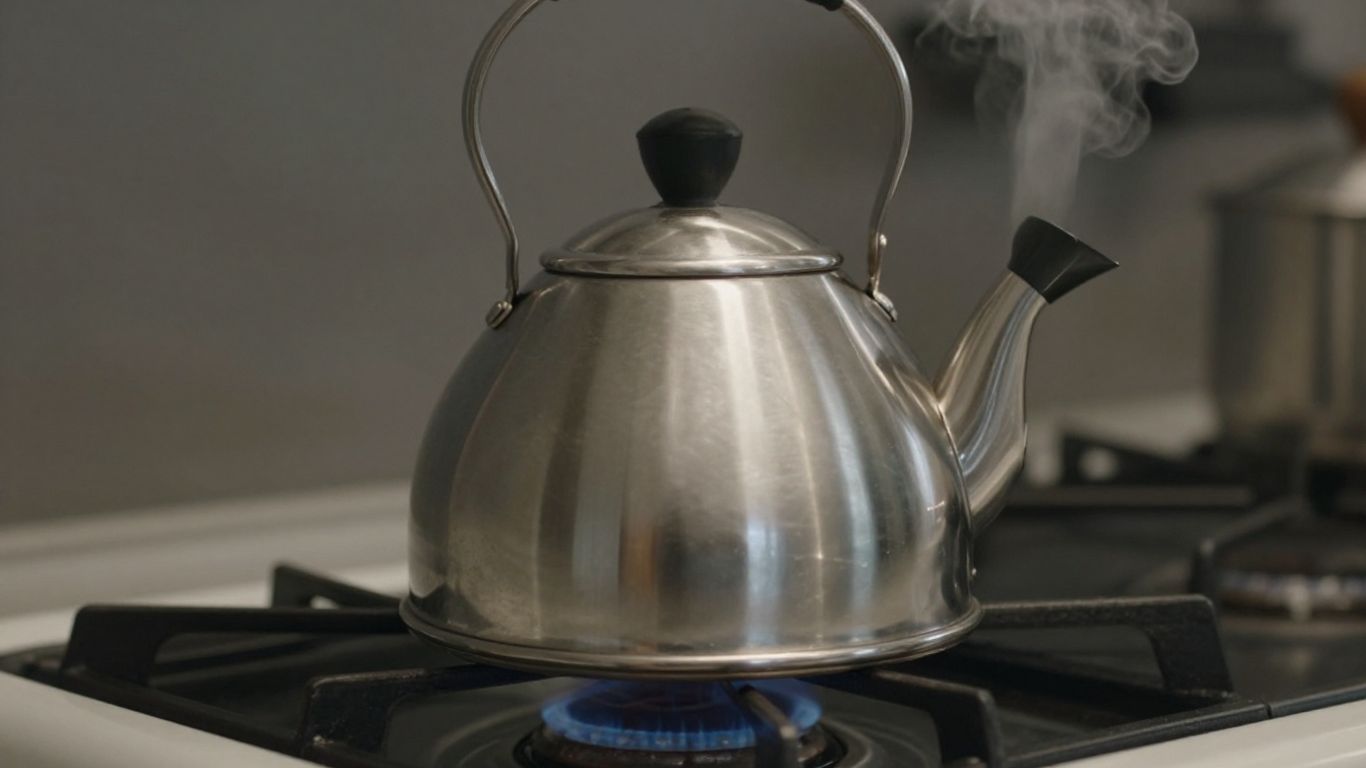
When you’re looking for the perfect tea kettle, the first big decision you’ll face is whether to go with a stovetop model or an electric one. It really depends on your morning routine and how much time you’re willing to spend. If you enjoy a slower start to your day and don’t mind waiting a few extra minutes for your water to boil, a classic stovetop kettle might be just the ticket. They’re simple, reliable, and some even come with a cheerful whistle to let you know when your water’s ready.
Stovetop Versus Electric Tea Kettles
Stovetop kettles are the traditional choice. You fill them up, put them on the stove, and wait. They’re straightforward and can add a bit of nostalgic charm to your kitchen, especially if you opt for a whistling model. However, they lack the precision that many modern tea drinkers crave. You can’t set a specific temperature, and not all of them work on every type of cooktop, particularly induction ones. Electric kettles, on the other hand, usually offer more control and speed.
The Convenience of Electric Tea Kettles
Electric kettles have really gained popularity for a reason: convenience. They typically heat water much faster than their stovetop counterparts. Many come with features like auto-shutoff, which is a nice safety feature, and some even have a "keep warm" function so your water stays at the perfect temperature for a while. If you’re someone who makes pour-over coffee or enjoys delicate teas that require specific water temperatures, an electric kettle is often the way to go. For example, green teas often brew best around 175°F, while black teas prefer something closer to 205°F. Getting that temperature just right can make a big difference in taste. You can find some great electric kettles that offer precise temperature control.
Understanding Stovetop Tea Kettle Benefits
Despite the speed and features of electric kettles, stovetop models still hold a special place. They don’t rely on electricity, which can be a plus for some. They’re often simpler in design, meaning fewer parts to potentially break. For those who appreciate a more hands-on approach to their morning brew or who have a gas or electric coil stovetop, a good stovetop kettle can be a perfectly satisfying choice. Some stovetop kettles, like those made from enameled carbon steel, can heat up quite quickly due to their wide bases. Just be mindful that the handle can get hot, so a pot holder might be handy.
Choosing between stovetop and electric often comes down to personal preference and how you use your kettle most often. Think about your daily routine and what features will make your tea-making process smoother and more enjoyable.
Key Features for the Perfect Tea Kettle
Precise Temperature Control for Optimal Brewing
Water temperature really matters when you’re making tea or coffee. Different types of tea, like delicate green teas or robust black teas, need specific temperatures to taste their best. If the water’s too hot, you can end up with a bitter brew. Electric kettles often come with settings that let you pick the exact temperature you need, which is super helpful. Some even let you set custom temperatures, going lower than the usual presets, which is great for those really sensitive teas. For coffee lovers, especially those who enjoy pour-over, hitting the right temperature range (usually between 195°F and 205°F) makes a big difference in flavor.
Gooseneck Spouts for Controlled Pouring
If you’re into making pour-over coffee or just like a really neat pour for your tea, a gooseneck spout is something to consider. It looks pretty cool, sure, but it also gives you a lot more control over how the water flows out. This means you can pour slowly and precisely, which is great for getting an even extraction when brewing coffee or just making sure you don’t splash tea leaves everywhere. It just feels more deliberate and, honestly, a bit more elegant.
Essential Functions: Auto-Shutoff and Keep Warm
Safety and convenience are big deals, right? That’s where features like auto-shutoff come in. This function turns the kettle off automatically once the water reaches its boiling point, preventing it from boiling dry. It’s a nice bit of peace of mind. Then there’s the keep-warm function. If you’re not ready to pour your tea or coffee right away, this feature will hold the water at your desired temperature for a set amount of time. It means you don’t have to re-boil the water, saving you time and energy. It’s a small thing, but it really makes a difference on busy mornings or when you’re just relaxing and want another cup without fuss.
Materials and Durability in Tea Kettles
When you’re picking out a tea kettle, the stuff it’s made of really matters. It’s not just about looks, though that’s part of it. The material affects how well it heats up, how long it lasts, and even how easy it is to clean. You want something that can handle daily use without falling apart or making your tea taste weird.
Durable Materials for Longevity
Think about what you’ll be doing with your kettle. If it’s going to be on the stove every morning or used multiple times a day, you need something tough. Materials like stainless steel and carbon steel are generally your best bet for a kettle that will stick around for a while. They can take a bit of a beating and still perform well. Cheaper plastics or thin metals might seem okay at first, but they can warp, crack, or start to look pretty sad after a short time. It’s worth spending a little more upfront for something that won’t need replacing next year.
Stainless Steel and Carbon Steel Options
Stainless steel is a popular choice for a reason. It’s strong, doesn’t rust easily, and it’s pretty simple to wipe clean. Plus, it heats water up pretty quickly and doesn’t usually mess with the flavor of your water. Carbon steel is another solid option, often found in kettles with a nice enamel coating. These can also heat up fast, especially if they have a wide base that gets good contact with your burner. Just be aware that some carbon steel kettles might have handles that get a bit warm, so keep a pot holder handy.
Here’s a quick look at what to expect:
| Material | Pros | Cons |
|---|---|---|
| Stainless Steel | Durable, easy to clean, heats evenly | Can sometimes show water spots |
| Carbon Steel | Heats quickly, often attractive finishes | Handle can get hot, may need enamel care |
Considering Enamel Finishes
Many kettles, especially stovetop ones, come with an enamel finish over materials like carbon steel. This adds a layer of protection and, let’s be honest, makes them look really nice. You can find them in all sorts of colors. The enamel is usually pretty tough, but it can chip if you drop the kettle or bang it against something hard. If you go for an enameled kettle, just be a little more careful with it. Cleaning is usually straightforward, but you’ll want to avoid abrasive scrubbers that could scratch the finish.
When choosing a kettle, think about how you’ll use it most. If it’s for quick morning tea, speed and ease of use are key. If you’re a slow sipper who enjoys the ritual, a kettle that looks good on the counter and pours nicely might be more your style. The material plays a big role in all of these aspects, so don’t overlook it.
Exploring Different Tea Kettle Designs
When you’re picking out a tea kettle, the way it looks and how it pours can be just as important as how well it works. It’s not just about boiling water; it’s about adding a bit of style to your kitchen counter or making your tea-making ritual a little smoother.
The Appeal of Gooseneck Spouts
For many, the gooseneck spout is the defining feature of a truly elegant tea kettle. This distinctive, curved spout isn’t just for looks; it’s all about control. If you’re into making pour-over coffee or brewing delicate loose-leaf teas, you know how important a precise pour can be. A gooseneck spout lets you direct the water exactly where you want it, slowly and steadily, preventing splashes and ensuring even saturation. It makes the whole process feel more intentional and, honestly, a bit more professional. They often come with electric kettles, giving you temperature control and a controlled pour all in one package.
Whistling Tea Kettles for Stovetop Use
There’s something classic about a stovetop kettle that whistles when the water’s ready. It’s a sound that brings many people back to childhood kitchens or cozy mornings. These kettles are usually made from materials like stainless steel or enameled carbon steel, and they come in a variety of colors and finishes to match your kitchen decor. The whistle is a simple, effective alert that your water has reached a rolling boil. Just remember, while they’re great for boiling water, they don’t offer temperature control, so they’re best for teas that can handle a full boil.
Modern Electric Tea Kettle Aesthetics
Electric kettles have really come into their own design-wise. Forget those clunky, basic models of the past. Today’s electric kettles come in sleek lines, cool finishes like brushed metal or matte colors, and often feature minimalist controls. Many have a base that keeps the kettle itself cord-free, making it easy to lift and pour. Some even have built-in LED displays that show the water temperature as it heats up. They’re designed to look good sitting on your counter, blending function with a bit of modern flair.
Budget-Friendly and Premium Tea Kettle Selections
Finding Quality in Affordable Tea Kettles
You don’t always need to spend a fortune to get a good tea kettle. Many experts suggest looking for fully stainless steel models, steering clear of plastics that might touch the water. Some budget-friendly electric kettles even come with handy features like auto-shutoff and double-wall insulation, meaning the outside stays cool to the touch. It’s about finding those smart design choices that make a difference without breaking the bank.
Investing in High-End Tea Kettle Features
When you’re ready to splurge, you’re often looking at kettles that offer more precise control and better build quality. Think variable temperature settings that let you dial in the exact heat for delicate green teas or robust black teas. Some premium models also boast "keep warm" functions that hold your water at the perfect temperature for extended periods, which is great if you tend to get distracted or want a second cup soon after the first. The pour from these kettles is often smoother too, thanks to well-designed spouts.
Heirloom Quality Tea Kettles
Some kettles are built to last a lifetime, becoming kitchen staples you might even pass down. These are often made from robust materials like enameled carbon steel or high-grade stainless steel. They might feature classic designs that never go out of style and come with whistles that let you know when your water is ready. While the initial cost might be higher, the longevity and consistent performance can make them a worthwhile investment over time. They’re not just appliances; they’re part of your kitchen’s story.
Here’s a quick look at some options:
| Kettle Type | Notable Features | Price Range (Approx.) | Material Examples |
|---|---|---|---|
| Electric Kettle | Variable temp, Keep Warm, Auto-shutoff | $50 – $150+ | Stainless Steel, Glass |
| Stovetop Kettle | Whistle, Fast heating, Durable finish | $40 – $120+ | Carbon Steel, Enamel |
| Gooseneck Kettle | Precise pour control, Temp control (electric) | $70 – $200+ | Stainless Steel |
Choosing a tea kettle often comes down to balancing your budget with the features you truly need. Don’t overlook the simpler, well-made options if you’re on a tighter budget, and consider the long-term value if you’re looking to invest in a premium piece.
Maintaining Your Tea Kettle
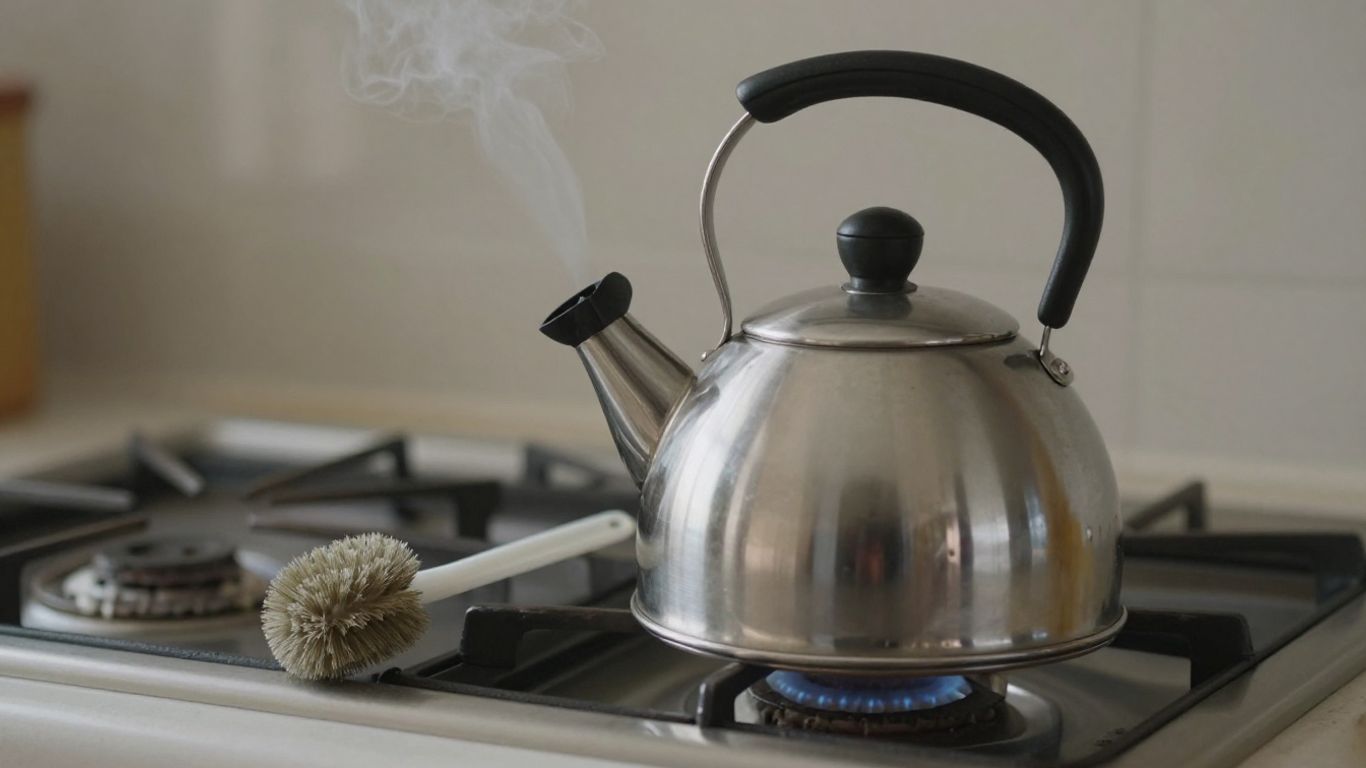
Keeping your tea kettle in good shape isn’t complicated, but it does require a little attention. Think of it like any other kitchen tool you use daily; a bit of care goes a long way in making sure it works well and lasts for ages. Regular cleaning prevents mineral buildup and keeps your water tasting fresh.
Cleaning Mineral Deposits
Over time, especially if you have hard water, you’ll notice a white, chalky residue forming inside your kettle. This is mineral buildup, and it can affect how well your kettle heats and even the taste of your tea. Don’t worry, it’s usually pretty easy to deal with.
Here’s a common method to tackle it:
- Fill your kettle with equal parts white vinegar and water. For a standard kettle, maybe 2 cups of water and 2 cups of vinegar should do it.
- Bring this mixture to a boil.
- Once it boils, turn off the heat and let it sit for about 20 minutes. You might see the buildup start to loosen up.
- Pour out the vinegar-water solution and rinse the kettle thoroughly with plain water.
- To be extra sure, you can fill it with fresh water, bring it to a boil, and then discard that water. This gets rid of any lingering vinegar smell or taste.
Some people prefer using citric acid instead of vinegar. The process is pretty much the same: dissolve some citric acid in water, boil, let sit, and rinse well.
If you find that mineral deposits build up really quickly, consider using filtered water in your kettle. It can make a noticeable difference between cleanings. Also, rinsing out the kettle and letting it air dry with the lid open after each use can help slow down the scaling process.
General Care for Your Tea Kettle
Beyond the occasional descaling, a few simple habits will keep your kettle happy. For stovetop kettles, especially those with enamel finishes, be mindful of how you clean the exterior. A soft cloth is usually best to avoid scratches. If your kettle has a whistling mechanism, make sure it’s clear of debris. For electric kettles, always unplug it before cleaning and never submerge the base in water. If your kettle has a removable filter, give that a rinse now and then, especially if you have hard water, as it catches some of those pesky mineral bits.
| Kettle Type | Exterior Cleaning | Interior Cleaning (Routine) | Descaling Frequency | Notes |
|---|---|---|---|---|
| Stainless Steel | Soft cloth, mild soap | Rinse after use | Monthly (or as needed) | Avoid abrasive scrubbers |
| Enamel | Soft cloth, mild soap | Rinse after use | Monthly (or as needed) | Be gentle to avoid chipping |
| Electric (Base) | Damp cloth (unplugged) | Vinegar/water solution | Every 2-3 months | Never submerge base in water |
| Electric (Body) | Soft cloth, mild soap | Vinegar/water solution | Every 2-3 months | Check manufacturer’s instructions |
Your Perfect Kettle Awaits
So, finding the right tea kettle might seem like a small thing, but it really can make a difference in your daily routine. Whether you’re all about that quick electric heat or prefer the slow charm of a stovetop model, there’s a kettle out there for you. Think about what kind of teas you drink, how much time you have, and if you like those fancy temperature controls. Don’t forget to check out materials and how it pours – those little details matter! With so many good options available, you’re sure to find a kettle that not only brews your favorite drink perfectly but also looks great on your counter. Happy brewing!
Frequently Asked Questions
What’s the main difference between stovetop and electric kettles?
Stovetop kettles sit on your stove and heat up the old-fashioned way. Electric kettles plug into an outlet and heat water on their own, often much faster. Many electric kettles also have cool features like temperature control.
Why is temperature control important for tea?
Different teas need different water temperatures to taste their best. For example, green tea can become bitter if brewed with water that’s too hot, while black tea needs hotter water. Having a kettle that can heat to specific temperatures helps you make the perfect cup every time.
What is a gooseneck spout, and why would I want one?
A gooseneck spout is a long, thin spout that looks like a swan’s neck. It gives you much more control when pouring water. This is great for making pour-over coffee or carefully steeping delicate teas.
Are expensive tea kettles really better?
Not always! While some high-end kettles offer advanced features and beautiful designs, you can find great, affordable kettles too. Look for durable materials like stainless steel and features like auto-shutoff, even on budget-friendly models.
How do I clean mineral buildup in my kettle?
Hard water can leave white, chalky deposits inside your kettle. To clean them, you can use a special coffee descaler. Just add it to the kettle, fill with water, boil it, and then rinse everything out really well.
What materials are best for tea kettles?
Stainless steel and carbon steel are popular choices because they are strong and heat up well. Some kettles also have enamel finishes, which look nice but can chip if not cared for properly. It’s generally best to avoid kettles with a lot of plastic touching the water.