
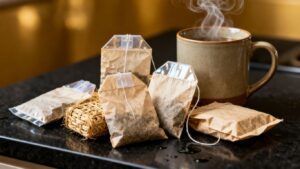
So, you love your daily cuppa, but you’re starting to wonder about what’s actually in those little tea bags. It turns out, a lot of them have plastic, which can leach into your hot water and end up in your body. It’s a bit of a shocker, right? We’re going to break down which tea bags are plastic-free and what to look out for so you can enjoy your tea without the extra baggage. It’s easier than you think to make the switch to something better for you and the planet.
Key Takeaways
- Many conventional tea bags contain plastic, which can release microplastics into your drink when steeped in hot water.
- Look for clear labeling like ‘plastic-free,’ ‘100% biodegradable,’ or ‘compostable sachets’ on packaging.
- Be cautious of ‘plant-based’ plastics like PLA (polylactic acid), as they often require industrial composting and aren’t truly plastic-free in the way many people assume.
- Brands like Pukka Herbs, Clipper Teas, and Numi are often cited for using natural fibers like abacá, wood pulp, or cotton and avoiding plastic sealants.
- Consider switching to loose leaf tea with a metal or ceramic infuser for a guaranteed plastic-free brewing experience.
Understanding Tea Bag Materials: What to Look For
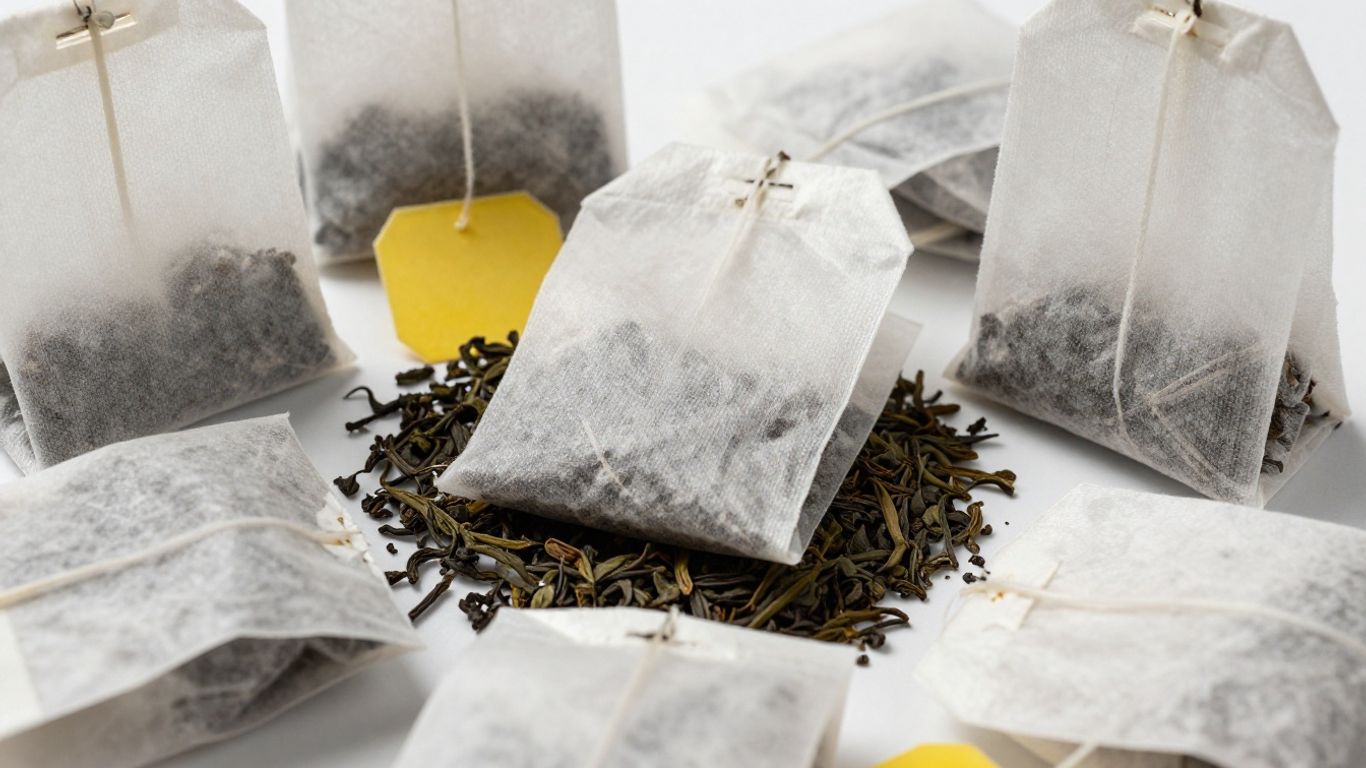
When you’re reaching for a cup of tea, have you ever stopped to think about what the bag itself is made of? It’s easy to overlook, but the material of your tea bag plays a pretty big role, not just in how your tea tastes, but also in what ends up in your compost bin – or worse, the landfill. In 2026, we’re getting a lot smarter about this stuff, and knowing what to look for is key.
Identifying Plastic-Free Labels and Claims
First off, let’s talk labels. Companies are getting better at being upfront, but you still have to read carefully. Look for terms like "100% compostable," "plastic-free," or "made from plant-based materials." However, "biodegradable" can be a bit of a minefield, as we’ll get into later. The most reliable indicators are clear statements about the absence of plastic and specific certifications. If a brand is truly plastic-free, they’ll usually shout it from the rooftops. If it’s vague, like "eco-friendly," that’s a red flag to dig deeper.
The Feel and Texture of Truly Plastic-Free Bags
Sometimes, you can tell just by touching the bag. Truly plastic-free bags often feel different. They might be made from paper, abacá (a type of banana fiber), cotton, or even corn starch. These materials tend to have a more natural, sometimes slightly rougher texture compared to the smooth, almost plasticky feel of bags that contain synthetic fibers or heat-sealants. Think about the difference between a crisp piece of paper and a slightly softer, more fibrous material. If it feels suspiciously smooth and almost waxy, it might be worth investigating further.
Beyond the Label: Simple Tests for Plastic Content
Want to be extra sure? There are a couple of simple things you can do at home. One common method is the "burn test." If you have a bag you suspect might have plastic, carefully burn a small corner (away from anything flammable, of course!). Plastic will melt and form a hard bead, often with a chemical smell, while natural fibers will typically ash and crumble. Another indicator is how the bag seals. Many plastic-free bags are sealed with heat-sealable natural fibers or simply stitched shut. If a bag feels like it’s been melted together with a very smooth, uniform seam, it might be using plastic-based adhesives.
The goal is for the tea bag material to be an invisible conduit, allowing the water to coax the best flavors out of the tea leaves without adding its own unwanted taste or releasing questionable compounds. It should be permeable enough for good water flow but also sturdy enough to hold the leaves and allow them to expand.
So, you’ve seen those fancy pyramid tea bags, the ones that look a bit like silk? Often, they’re made from something called Polylactic Acid, or PLA. It’s a bioplastic, meaning it comes from plants like corn or sugarcane, and companies love to market it as "plant-based," "biodegradable," and even "plastic-free." It sounds great, right? It brews a good cup of tea, just like the old nylon ones, and it doesn’t mess with the flavor. But here’s where things get a little tricky.
The Nuances of PLA and Corn Starch Tea Bags
PLA is made by fermenting plant starches into lactic acid, then linking those molecules together. It can be spun into fibers that look a lot like nylon. For brewing, it works well. It holds up in hot water and lets the tea leaves expand nicely. Many specialty tea brands use it because it offers that convenient bag format without using petroleum-based plastics. However, the big question mark is what happens to it after you’re done steeping. While it’s often called "biodegradable," that doesn’t automatically mean it’s good for your home compost bin.
Understanding Industrial vs. Home Compostability
This is a really important point. PLA needs specific conditions to break down properly – think high heat, lots of moisture, and a particular mix of microbes. These are the conditions found in industrial or commercial composting facilities, not usually in your backyard compost pile. So, while PLA tea bags might be better than traditional plastic ones, they aren’t always a simple "throw it in the compost" situation. If your local area doesn’t have commercial composting services that accept PLA, these bags might end up in a landfill anyway, where they won’t break down as intended. It’s a bit of a grey area, and understanding your local waste management is key.
Recognizing Greenwashing in Biodegradable Claims
Be aware that "biodegradable" is a term that doesn’t have a strict legal definition. Something can technically be biodegradable but still take years to break down, or it might just break into smaller plastic pieces. This is where greenwashing can creep in. Just because a tea bag is labeled "biodegradable" or even "plant-based" doesn’t mean it’s automatically the best choice for the environment, especially when compared to truly natural materials. Always look for more specific information about the materials used and their end-of-life instructions. Sometimes, simpler materials like abacá fiber or organic cotton are more straightforwardly sustainable options. For a better understanding of compostable plastics, you can look into compostable plastics offer.
Here’s a quick rundown of what to watch out for:
- "Biodegradable": This term alone can be misleading. It doesn’t guarantee quick or complete breakdown.
- "Plant-Based": While true, it doesn’t tell you about the processing or end-of-life.
- PLA (Polylactic Acid): Often used in pyramid bags, it requires industrial composting.
When you see terms like "biodegradable" or "plant-based" on tea bags, it’s smart to dig a little deeper. The reality of how these materials break down, and where, is often more complex than the label suggests. It’s always good to check if the brand provides clear instructions on disposal and if those instructions align with your local waste and composting facilities.
Trusted Brands Offering Plastic-Free Tea Bags
It can feel like a treasure hunt sometimes, trying to find tea brands that are genuinely committed to being plastic-free. But don’t worry, there are some great companies out there making it easier for us to enjoy our cuppa without the worry of microplastics. These brands are putting in the effort to use materials that are better for us and the planet.
Brands Championing Fully Compostable and Biodegradable Options
Some companies are really going the extra mile, not just saying their bags are plastic-free but backing it up with materials that break down naturally. They understand that what goes into our tea shouldn’t end up in a landfill for centuries.
- Stash Tea: They’ve stated their tea bags are made from unbleached wood fibers and are held together without any glues or plastic sealants. They’re completely compostable.
- Pukka Herbs: Known for their organic blends, Pukka uses fully compostable tea bags. They do use a very small amount of resin, less than 1%, to bind the paper fibers, but the bags themselves are designed to break down.
- Clipper Teas: This brand offers unbleached, biodegradable tea bags. They’re a solid choice for those looking for simple, natural materials.
Companies Using Natural Fibers Like Abacá and Cotton
Many brands are turning to nature’s own materials to create their tea bags. Think plant fibers that have been used for ages, like abacá (a type of banana plant) and good old cotton.
- Equal Exchange: Their tea bags are made from unbleached abacá with organic cotton strings. Even the tags are paper printed with vegetable-based ink.
- Luzianne: They use wood pulp and abacá fiber for their bags, which they say are completely plant-based and plastic-free. They also use food-safe staples.
- Bigelow: Bigelow shared that their tea bags are made from paper derived from wood pulp and abacá fibers, and importantly, they contain no plastic.
Brands Transparent About Their Plastic-Free Sealants
Transparency is key when it comes to packaging. The brands listed here are upfront about how they seal their tea bags, making sure no hidden plastics are involved.
When a brand is clear about its materials and how the tea bags are put together, it builds trust. It means they’ve thought about the whole lifecycle of their product, from the tea leaves to the bag it comes in.
Here’s a quick look at what some brands have shared:
| Brand | Primary Bag Material | Sealant Method |
|---|---|---|
| Stash | Wood fibers | Heat-pressed, no glue or plastic sealants |
| Equal Exchange | Abacá | Stitched or heat-sealed (no plastic mentioned) |
| Luzianne | Wood pulp & Abacá | Heat-sealed (no plastic mentioned) |
| Bigelow | Wood pulp & Abacá | Heat-pressed, no glue or plastic sealants |
| 365 & Allegro | Unbleached wood pulp | Heat-pressed, no glue or adhesive used |
It’s great to see these companies making an effort. Remember to check packaging or the company’s website if you’re ever unsure. Sometimes, even brands that seem good might have a surprise plastic component, so a little digging can go a long way.
Certifications That Guarantee Plastic-Free Tea
So, you’re trying to find tea bags that are genuinely free of plastic, and you’re looking at the packaging. It can get confusing, right? Lots of brands claim to be eco-friendly, but what does that really mean when it comes to your daily cuppa? That’s where certifications come in. Think of them as little trust marks that help you sort through the claims and be sure you’re making a good choice for yourself and the planet. These official stamps of approval can be your best friend when you want to avoid those sneaky microplastics.
The Importance of Trust Marks for Plastic-Free Assurance
It’s easy for companies to say their tea bags are ‘natural’ or ‘biodegradable.’ But without a proper certification, it’s hard to know if that’s truly the case. Some bags might break down, but still leave behind tiny plastic bits. Certifications give you a clearer picture. They mean an independent group has checked the materials and processes to make sure they meet certain standards. This helps you avoid the disappointment of thinking you’re doing good, only to find out there’s still plastic involved. It’s about having confidence in what you’re buying.
Understanding ‘OK Compost’ and Home Compostable Labels
When you see a tea bag labeled ‘compostable,’ it’s a good start. But there’s a difference between industrial and home composting, and certifications help clarify this.
- ‘OK Compost’ (Industrial): This label, often from TÜV AUSTRIA, means the product can break down in an industrial composting facility. These facilities use high heat and specific conditions. While better than landfill, it means you can’t just toss these bags in your backyard compost bin.
- ‘OK Compost HOME’: This is the gold standard if you compost at home. It means the tea bag will fully decompose in your home compost pile within a reasonable time, usually a few months, without leaving plastic residue. Brands like Waitrose Duchy have earned this mark.
- ‘Home Compostable’: Similar to ‘OK Compost HOME,’ this indicates the bag is designed for your backyard compost. Look for materials like abacá, hemp, or unbleached paper.
Choosing home compostable options means your used tea bag can return to the earth right in your own garden, contributing to healthy soil instead of waste. It’s a direct way to close the loop on your tea consumption.
Why USDA Organic and Fair Trade Matter for Sustainability
While not directly about plastic content, these certifications add another layer of assurance for a truly sustainable cup of tea. They often go hand-in-hand with brands that are also mindful of their packaging materials.
- USDA Organic: This certification means the tea itself was grown without synthetic pesticides, herbicides, or genetically modified organisms (GMOs). It’s good for your health and the environment, as it supports healthier soil and water systems. Many brands committed to plastic-free tea bags also prioritize organic farming. You can find this on brands like Qi Tea.
- Fair Trade: This label indicates that the farmers and workers who grew and processed your tea were paid fairly and worked under decent conditions. It also often means sustainable farming practices were used. It’s about ethical sourcing and supporting communities. Brands like Clipper Tea Bags and Pukka Tea often carry this certification.
When you see these combined with compostability labels, you’re likely looking at a company that cares about the whole picture – from the soil to your cup, and back to the soil again. It helps you identify tea bags that are completely plastic-free without microplastics.
Making the Switch: Transitioning to Plastic-Free Tea
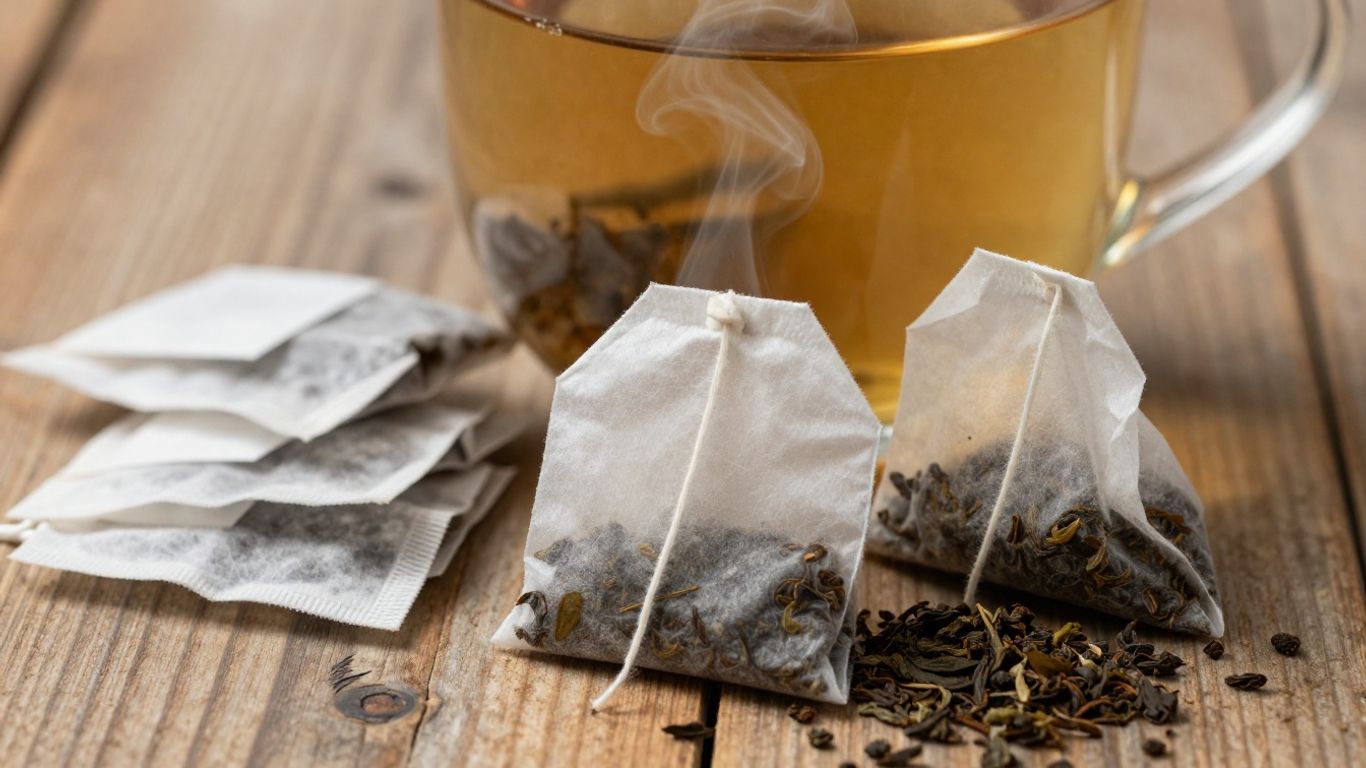
So, you’ve decided to ditch the plastic in your daily cuppa. That’s a pretty big step, and honestly, it’s easier than you might think to make the change. It’s not just about avoiding those tiny plastic bits in your drink; it’s about making a choice that’s better for the planet too. Let’s look at how you can easily swap out your old tea bags for something more sustainable.
The Benefits of Choosing Tea Bags Without Microplastics
Making the switch to tea bags that are free from plastic might seem like a small thing, but it adds up. For starters, you’re cutting down on potential chemical leaching. When hot water hits plastic, even in tiny amounts, some chemicals can transfer into your tea. Nobody wants that, right? Plus, you’re helping reduce the amount of non-biodegradable waste ending up in landfills. It’s a simple change that has a ripple effect on your health and the environment. Think about it: every cup you brew without plastic is one less piece of plastic potentially breaking down over hundreds of years.
Exploring Loose Leaf Tea as a Plastic-Free Alternative
If you’re looking for the absolute surest way to avoid plastic, loose leaf tea is your best bet. It often means higher quality tea leaves, which can lead to a richer flavor in your cup. Plus, you cut out all the packaging waste associated with individual tea bags. It might take a little getting used to, but brewing loose leaf is pretty straightforward.
Here are some ways to brew loose leaf tea without making a mess:
- Stainless Steel Infusers: These are like little metal baskets or balls you fill with tea leaves. They’re reusable and easy to clean.
- Reusable Cotton Tea Bags: If you like the familiar feel of a tea bag, these organic cotton ones are a great alternative. Just wash them out after use.
- French Press: Believe it or not, your coffee French press works perfectly for tea too. Just add your leaves and hot water.
- Teapots with Built-in Strainers: Many teapots come with a strainer already included, making the process super simple.
Tips for a Seamless Transition to Sustainable Tea
Ready to make the move? Here are a few pointers to make your transition smooth:
- Start Small: Don’t feel like you have to replace all your tea overnight. Pick one or two favorite blends and find their plastic-free versions or switch to loose leaf for those.
- Read Labels Carefully: Look for terms like "plastic-free," "fully compostable," or "made from natural fibers." If it’s not clear, it’s often safer to assume there might be plastic involved.
- Experiment with Brands: Try out a few different brands that claim to be plastic-free. You might discover a new favorite flavor or brewing method.
- Consider Bulk Buying: For loose leaf tea, buying in larger quantities can often save you money and reduce packaging waste even further.
Making the switch to plastic-free tea is more than just a trend; it’s a conscious decision to reduce your environmental footprint. By choosing loose leaf or carefully selected plastic-free tea bags, you’re contributing to a healthier planet and a cleaner cup of tea for yourself. It’s a small change that makes a big difference over time.
Brands to Approach with Caution
Identifying Brands That May Still Use Hidden Plastics
It’s a bummer, but not every brand shouting about being ‘eco-friendly’ is actually plastic-free. Sometimes, the materials used are a bit of a mystery, or they might be using things that sound good but aren’t quite there yet. For instance, some brands might use heat-sealing for their bags, and that sealing process can sometimes involve plastic, even if the bag itself looks like paper. It’s like buying a ‘natural’ snack bar only to find out it’s loaded with sugar – a bit misleading, right?
Understanding Why Some ‘Compostable’ Bags Aren’t Ideal
This is where things get tricky. You see ‘compostable’ or ‘biodegradable’ on the box, and you think you’re good to go. But hold on a sec. Many of these ‘plant-based’ plastics, like PLA (polylactic acid), need very specific conditions to break down. We’re talking industrial composting facilities, not your backyard compost bin or, definitely not, your regular trash. If these bags end up in a landfill or even a home compost, they might just sit there for ages, or worse, break down into microplastics anyway. It’s a bit of a shell game, honestly.
Brands to Re-evaluate Based on Material Transparency
Some companies are pretty upfront about their materials, which is great. Others? Not so much. If a brand is vague about how their bags are sealed or what exactly their ‘plant-based’ material is made of, it’s a good idea to be a little skeptical. Look for brands that clearly state they use no plastic, no glue, and no synthetic sealants. For example, brands like Celestial Seasonings and Newman’s Own have been noted for using polypropylene, a type of plastic, in their bags. Mighty Leaf’s pyramid bags are also a concern, likely made from nylon or a similar polymer. It pays to do a little digging before you commit to a box.
Here’s a quick rundown of what to watch out for:
- Polypropylene: Often used in sealing tea bags.
- Nylon/Polyester: Common in mesh or pyramid-style bags.
- Unclear Sealants: If they don’t specify how the bag is sealed, it might involve plastic.
- ‘Compostable’ without clear instructions: If it requires industrial composting, it’s not ideal for most home users.
When a tea bag claims to be compostable, it’s worth checking if that compostability is for home or industrial settings. Many bags that are only industrially compostable won’t break down properly in a typical home compost bin, potentially leading to them ending up in landfills or contributing to microplastic pollution.
It’s always best to check the brand’s website or contact them directly if you’re unsure about their materials. Sometimes, a quick email can clear up a lot of confusion. Remember, choosing plastic-free tea bags is a step towards reducing microplastic pollution, and understanding these nuances helps us make the best choices for our health and the planet. For more information on the potential risks of microplastics, you can check out current regulatory limits.
So, What’s the Takeaway?
Alright, so we’ve talked a lot about tea bags and plastic. It turns out, a lot of the ones we grab without thinking actually have plastic in them, which isn’t great for us or the planet. But the good news is, there are definitely options out there if you want to avoid that. Brands are getting better about using things like paper, cotton, or even cornstarch for their bags, and some are really upfront about it on their packaging. If you’re still unsure, going for loose leaf tea with a metal infuser is always a safe bet. It might take a little extra effort to check labels or switch up your routine, but knowing you’re sipping on something truly plastic-free feels pretty good. Here’s to a cleaner cup and a healthier Earth, one brew at a time.
Frequently Asked Questions
How can I tell if my tea bags have plastic in them?
Look closely at the tea bag itself and its packaging. Many plastic-free bags are made from natural materials like paper, cotton, or plant fibers and will say so on the box. If the bag feels silky or slippery, or if it looks like a fine mesh, it might contain plastic. Some companies use a special heat-seal to close the bags, which can sometimes be plastic. If you’re unsure, it’s best to choose brands that clearly state they are plastic-free or opt for loose leaf tea.
What does ‘plant-based plastic’ or ‘bioplastic’ mean for tea bags?
Sometimes, tea bags are made from materials like PLA, which comes from plants like corn. While it’s better than plastic made from oil, it’s not always truly eco-friendly. These ‘plant-based plastics’ often need special conditions, like those found in industrial composting facilities, to break down. They might not disappear quickly in your home compost bin, and some can still leave tiny plastic bits behind.
Are all ‘compostable’ tea bags truly plastic-free?
Not necessarily. Some tea bags are labeled ‘compostable,’ but they might only break down in specific industrial composting centers, not in your backyard. True plastic-free tea bags should be able to break down naturally without leaving harmful plastic pieces behind. Look for certifications that specifically mention ‘home compostable’ if you want to be sure.
What are the best materials for plastic-free tea bags?
Great options include unbleached paper, abacá (a fiber from banana plants), organic cotton, and hemp. These natural materials are generally biodegradable and compostable, meaning they return to the earth without leaving plastic pollution behind. Brands that use these materials often highlight them on their packaging.
Why should I avoid plastic in my tea bags?
When you steep plastic tea bags in hot water, tiny plastic particles, called microplastics, can leak into your drink. These microplastics can end up in your body and the environment. They’ve been found everywhere, from oceans to our food, and scientists are still studying their long-term effects on health and wildlife.
What’s the easiest way to switch to plastic-free tea?
The simplest way to guarantee no plastic is to switch to loose leaf tea. You can brew it using a reusable metal or ceramic infuser. If you prefer the convenience of tea bags, look for brands that explicitly state they are ‘plastic-free,’ ‘fully compostable,’ or ‘made from natural fibers’ on their packaging. It’s also helpful to check for certifications that confirm their eco-friendly claims.