
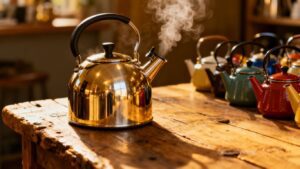
Our morning coffee or tea is a ritual, right? That quiet moment before the day really kicks off. To make that moment perfect, you need the right gear. A kettle is a must-have, but choosing between an electric model and a classic stove kettle can be confusing. They both boil water, sure, but there are differences. We’re here to help you figure out which stove kettle is the best fit for your kitchen and your routine.
Key Takeaways
- Stove kettles heat water using your stovetop, while electric kettles have their own heating element. Stovetop models are often simpler and can last longer if cared for.
- Materials like stainless steel are durable and work on most stovetops, including induction. Glass and plastic options exist, but stainless steel is generally a safe bet for a stove kettle.
- Look for a kettle with a clear whistling spout so you know when the water is ready. Handle design matters too – you want it to be comfortable to hold and easy to fill and pour without burning yourself.
- Consider the capacity you need. Larger kettles take a bit longer to boil but are great for big batches. Check reviews for actual capacity, as some brands tend to exaggerate.
- Stove kettles can be budget-friendly or premium. No matter the price, proper care and maintenance will help your stove kettle last for years.
Understanding Stove Kettle Options
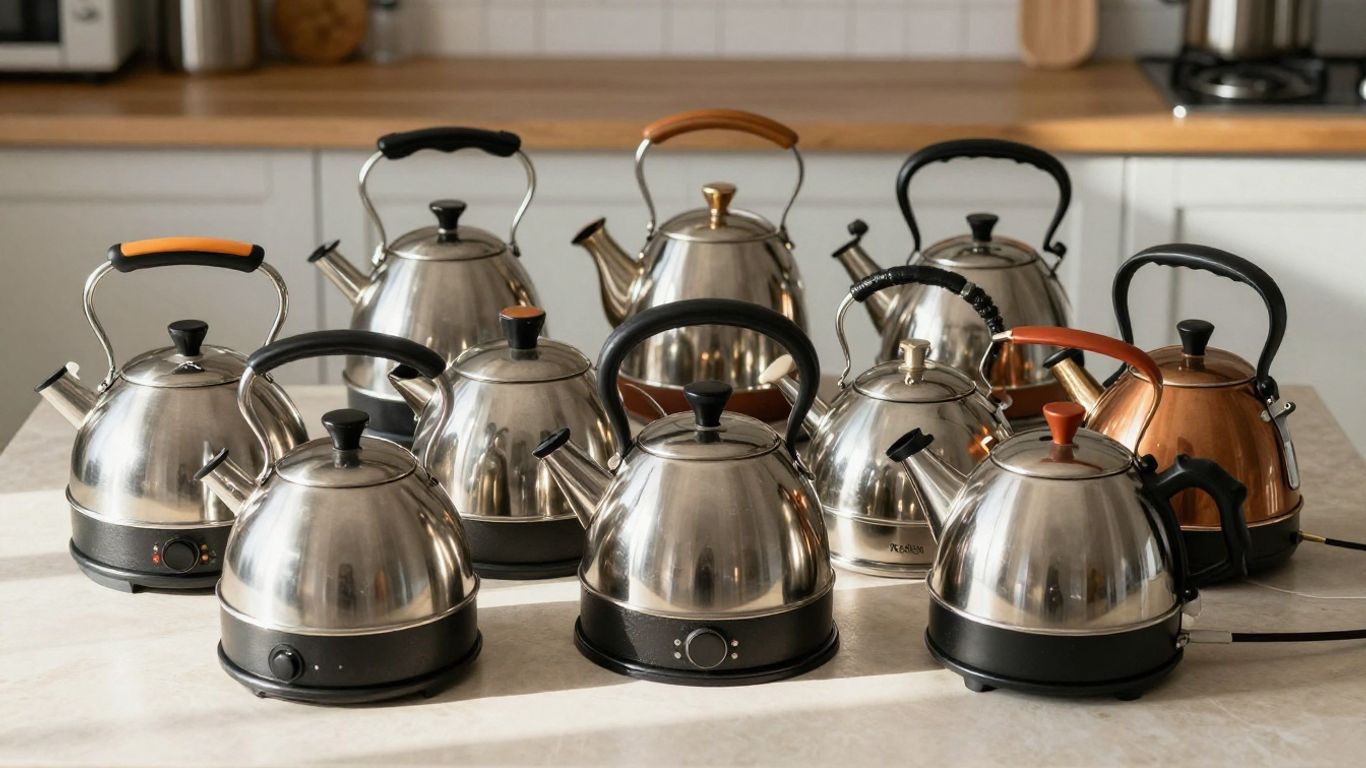
When you’re looking for a kettle to heat water on your stove, you’ve got a couple of main paths to consider. It’s not just about picking one that looks nice; there are some real differences in how they work and what they offer. Let’s break it down.
Stove Kettle vs. Electric Kettle: Key Differences
This is the big one. Stovetop kettles and electric kettles both boil water, but they go about it in very different ways. A stovetop kettle needs your stove’s heat to do its job. You put it on a burner, turn on the heat, and wait. Simple enough. An electric kettle, on the other hand, has its own heating element inside. You just plug it in, add water, and flip a switch. It’s self-contained.
Here’s a quick look at how they stack up:
- Stovetop Kettle:
- Requires an external heat source (your stove).
- Often made of durable materials like stainless steel or enamel.
- Can sometimes heat water beyond the standard boiling point (212°F or 100°C).
- Generally simpler in design and function.
- Electric Kettle:
- Has its own internal heating element.
- Plugs into an electrical outlet.
- Often includes extra features like temperature control, keep-warm functions, and automatic shut-off.
- Typically heats water faster than stovetop models.
While both get the job done, the choice often comes down to what you value more: the classic charm and simplicity of a stovetop kettle, or the speed and extra features of an electric one.
Defining Stove Top Kettles
So, what exactly is a stove top kettle? Think of it as a pot with a lid and a spout, designed specifically for use on a stove burner. They’re usually made from materials that can handle direct heat, like stainless steel, enamel-coated steel, or sometimes copper. The water inside gets hot because the burner heats the base of the kettle. They don’t have any cords or electronics; their operation is purely mechanical and heat-driven. This simplicity is part of their appeal, and many people find them to be quite durable, potentially lasting for years with good care.
The Appeal of Electric Kettles
Electric kettles have really taken off because they’re just so convenient. You don’t need to worry about matching them to your stove type, and they heat water really quickly. Plus, many come with fancy settings. You can often pick the exact temperature you want for your tea or coffee, which is pretty neat. They also usually shut off by themselves once the water is boiling, so you don’t have to stand there watching it. For people who are always on the go or just want things done fast, an electric kettle is a solid choice.
Evaluating Stove Kettle Materials and Design
When you’re picking out a kettle that sits on your stove, the stuff it’s made of and how it looks really matters. It’s not just about boiling water, right? You want something that works well, lasts a long time, and looks good in your kitchen. Let’s break down the common choices.
Stainless Steel Stove Kettles
Stainless steel is probably the most popular material for stove kettles, and for good reason. It’s tough, doesn’t rust easily, and heats up pretty evenly. You’ll find a huge range of styles, from super modern, sleek designs to more classic, rounded shapes. A good stainless steel kettle can last you for ages if you take decent care of it. They’re also usually a safe bet for most types of stovetops, including those flat electric ones that can be picky.
Glass and Plastic Kettle Considerations
Glass kettles offer a cool visual – you can actually see the water boiling! They look pretty neat on the counter. However, they can be more fragile than metal ones, so you have to be a bit more careful. Plastic is usually found on the handles or lids of kettles, or in electric models. For stove kettles, you generally want the main body to be metal for durability and heat conduction. If a kettle has a lot of plastic, especially near the heat source, it might not hold up as well over time.
Exploring Retro and Modern Stove Kettle Styles
Kettles come in all sorts of looks. You’ve got your super modern, minimalist stainless steel ones that fit right into a contemporary kitchen. Then there are the retro-inspired designs, sometimes with fun colors or patterns, that give off a vintage vibe. Some people even like the look of copper kettles, though these can sometimes be tricky on modern flat-top stoves if the base isn’t perfectly flat. Think about your kitchen’s overall style – do you want something that blends in or stands out?
Here’s a quick look at some common material pros and cons:
| Material | Pros | Cons |
|---|---|---|
| Stainless Steel | Durable, rust-resistant, heats evenly | Can show fingerprints, might be heavier |
| Glass | See water boil, modern look | Fragile, can be harder to clean |
| Enamel | Colorful, classic look, good heat | Can chip if dropped |
When picking a kettle, remember that while looks are important, functionality and durability should be your top priorities. A kettle that looks great but breaks after a year isn’t a good deal for anyone.
Key Features for Your Stove Kettle
When you’re picking out a kettle to sit on your stovetop, there are a few things that really make a difference in how you’ll use it day-to-day. It’s not just about boiling water; it’s about the little details that make the whole process smoother.
The Importance of a Whistling Spout
That cheerful whistle is more than just a sound; it’s your signal that the water’s ready. A good whistle is loud enough to hear from another room but not so shrill that it’s annoying. Some kettles have adjustable whistles, or you can even remove the cap for a silent boil if you prefer. It’s a simple feature, but it really helps you keep an eye on things without hovering.
Handle Design and Ease of Use
Think about how you’ll be lifting and pouring. A handle that stays cool, even when the kettle is steaming hot, is a big plus. Some handles are made of heat-resistant plastic or wood, while others might have a special design to keep the heat away. You’ll want something that feels comfortable and secure in your hand, especially when you’re dealing with a full, heavy kettle. It’s worth checking out reviews to see if handles tend to get too hot on certain models, particularly on gas stoves where the flame can lick up the sides.
Capacity and Boil Time Factors
How much water do you usually need? Kettles come in all sorts of sizes, from small ones perfect for a single cup of tea to larger ones that can handle a big pot of pasta water. Keep in mind that a bigger kettle will take a bit longer to boil, but it’s handy if you’re often making drinks for a crowd or doing a lot of cooking. Manufacturers sometimes list a maximum capacity, but it’s wise to check user feedback to get a realistic idea of how much water you can actually boil efficiently. A covered kettle generally boils water faster because it traps the heat inside.
Don’t forget to consider the type of stovetop you have. While most modern kettles are designed to work on various surfaces, including flat-top electric stoves, older designs might have issues. If you have an older stove, double-check that the kettle’s base is compatible and won’t wobble or sit unevenly, which could affect heating and safety.
Here’s a quick look at some common capacities:
- 1.0 – 1.5 Liters: Ideal for 1-3 people, good for a few cups of tea or coffee.
- 1.5 – 2.0 Liters: A good all-rounder for families or those who entertain.
- 2.0+ Liters: Best for heavy cooking tasks or large gatherings.
Performance and Practicality of Stove Kettles
When you’re picking out a kettle to sit on your stove, you’re probably thinking about how well it actually works, right? It’s not just about looks, though that’s part of it. We need to talk about how fast it heats water, how easy it is to use day-to-day, and if it’s going to last you a good long while.
Boil Performance on Different Stovetops
Most modern stove kettles are designed to work on pretty much any stovetop you throw at them, whether it’s gas or electric, including those flat-top glass ones. Back in the day, some older kettles had bases that sat a bit too high, making them useless on flat-top stoves, but that’s not usually an issue anymore. You’re not going to scorch the water, no matter the kettle, but some might heat a little more evenly than others. For most everyday uses, like making tea or instant noodles, the difference in boil time between a gas and an electric stove is pretty minor. You’re looking at maybe a few minutes difference, tops.
Ease of Filling and Pouring
This is where things can get a little tricky. You want a kettle that’s easy to fill up at the sink without splashing water everywhere. Look for handles that are positioned well, maybe a bit higher up, so you don’t have to awkwardly tilt the kettle just to get water in. Pouring is another big one. Some spouts are designed better than others, and that little flip-up lid on the spout can be a pain. A simple lever that stays open when you lift it is usually the easiest to manage. Some lids have stiff springs or buttons that are hard to press, especially if you have smaller hands or are trying to pour while holding a mug. It’s worth checking reviews to see what people say about the pouring experience.
Durability and Longevity of Stove Kettles
Stove kettles, especially those made from stainless steel or enamel, are built to last. Unlike electric kettles that can have heating elements fail, a good stove kettle can genuinely last a lifetime if you take care of it. It’s not uncommon for people to pass down a well-loved kettle through generations. The key is to avoid abrasive cleaners that can scratch the surface and to dry it thoroughly after each use to prevent rust, particularly if it’s made of metal. Regular descaling, maybe once a month with a vinegar and water mix, also keeps it working well and looking good. Just remember not to turn it on when it’s empty – that’s a quick way to damage it.
Choosing the Right Stove Kettle for Your Needs
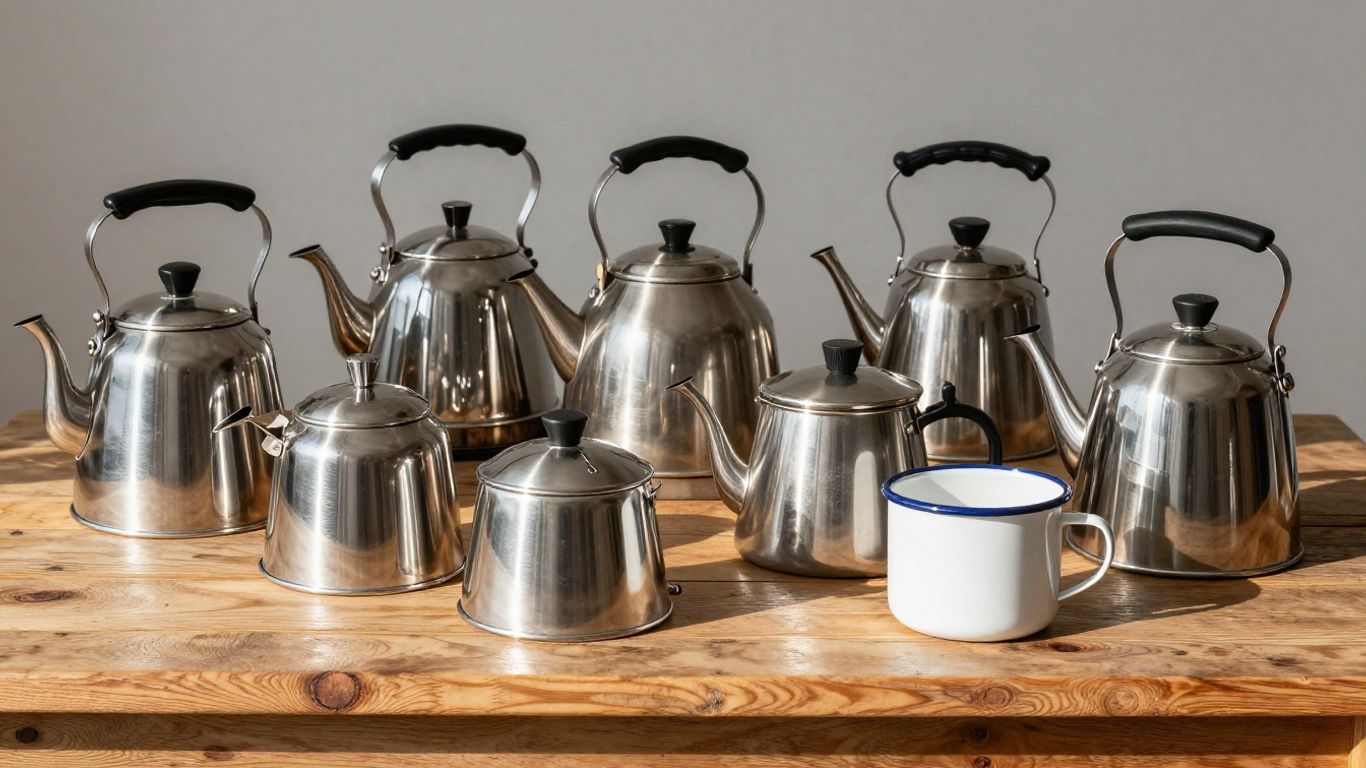
So, you’ve decided a stove kettle is the way to go. Awesome! Now comes the fun part: picking the one that actually fits your life and your kitchen. It’s not just about picking the prettiest one, though that’s part of it, right? We’re talking about finding a kettle that works with your stove, your budget, and how you actually use hot water.
Budget-Friendly Stove Kettle Picks
Look, not everyone needs a fancy kettle. Sometimes, you just need something that boils water without costing an arm and a leg. You can find perfectly good stove kettles for under $30. These are usually made of stainless steel or sometimes aluminum, and they get the job done. They might not have all the bells and whistles, but they’re reliable. Think of them as the workhorses of the kettle world. They’re great if you’re just starting out, have a tight budget, or maybe need a spare for a vacation home.
Premium Stove Kettle Selections
Now, if you’re looking to splurge a little, there are some really nice options out there. These kettles often come with thicker gauge stainless steel, sometimes even copper accents, and really well-designed handles that stay cooler. You might find features like a more precise spout for pouring or a heavier base that sits really stable on the burner. These are the kettles that feel good in your hand, look fantastic on your stovetop, and are built to last practically forever. They’re an investment, for sure, but if you use your kettle daily, it can be totally worth it.
Stove Kettle Maintenance and Care
Keeping your stove kettle in good shape is pretty straightforward, honestly. After you use it, just give it a quick rinse with warm water. This helps get rid of any leftover tea leaves or mineral bits. Don’t go scrubbing it with steel wool or anything harsh, though; you’ll just scratch up the finish. Mild dish soap and a soft sponge are your best friends here. For a deeper clean, especially if you notice any buildup inside, try boiling a mixture of equal parts water and white vinegar. Just make sure to rinse it out really well afterward so your next cup of tea doesn’t taste like a salad dressing. And a pro tip: always dry your kettle thoroughly before putting it away, especially if it’s made of steel, to prevent any rust or weird spots from forming. Storing it in a dry spot is also a good idea.
A good stove kettle should feel solid and balanced. When you pick it up, it shouldn’t feel flimsy. The lid should fit snugly, and the handle should feel comfortable and secure, even when the kettle is full and hot. These little things make a big difference in your daily routine.
So, Which Kettle Will It Be?
Alright, so we’ve gone over the ins and outs of stove kettles. Whether you’re leaning towards the classic charm of a stovetop model or the modern convenience of an electric one, the main thing is picking what works for your kitchen and your daily grind. Think about how much water you usually need, how much space you have, and honestly, what just looks good on your counter. No matter what you choose, a good kettle is a simple pleasure that makes that morning cup of tea or coffee just that much better. Happy brewing!
Frequently Asked Questions
What’s the main difference between a stove kettle and an electric kettle?
A stove kettle sits on your stove and uses the stove’s heat to warm the water. An electric kettle has its own built-in heating part and just needs to be plugged into an outlet. Electric ones often have extra features like temperature control, which stove kettles don’t have.
What materials are best for stove kettles?
Stainless steel is a popular choice because it’s tough and looks modern. Glass kettles let you see the water level, but the outside can get hot. Plastic kettles are usually cheaper and lighter. If you have an induction stove, make sure your kettle is made of a material like stainless steel or enamelled cast iron that heats up well.
Why is a whistling spout important on a stove kettle?
The whistle is a helpful signal! It lets you know when the water has reached a rolling boil, so you don’t have to keep checking it. Some whistles are loud enough to hear from another room, while others are quieter.
How do I choose the right size stove kettle?
Think about how much water you usually need. If you’re making tea for just one or two people, a smaller kettle might be fine. If you often need a lot of hot water for cooking or for a big family, a larger kettle with a bigger capacity would be better. Keep in mind that bigger kettles might take a little longer to boil.
Are stove kettles hard to fill and pour from?
It can depend on the design. Some kettles have handles that get in the way of filling, while others have handles that fold down or leave plenty of space. For pouring, you want a kettle that feels comfortable to hold and lets the water flow out smoothly without making a mess.
How long do stove kettles usually last?
A good quality stove kettle, especially one made of stainless steel, can last for a very long time, even a lifetime, if you take good care of it. Electric kettles might need replacing sooner if their heating parts break.