
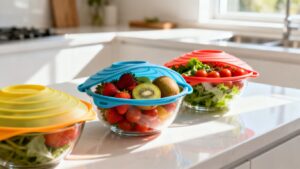
Tired of that clingy plastic wrap that just won’t cooperate? Or maybe you’re looking for ways to cut down on kitchen waste. Well, I’ve been looking into silicone food covers, and honestly, they seem like a pretty smart move. They’re not just about keeping leftovers fresh; they’re a way to be a bit kinder to the planet and your health. Let’s chat about why these stretchy silicone wonders might be the next big thing in your kitchen.
Key Takeaways
- Silicone food covers offer a reusable and flexible way to store food, replacing single-use plastic wrap.
- They create a tight seal, helping to keep food fresh for longer periods.
- These covers are made from materials that are considered safer, without harmful chemicals often found in plastics.
- Silicone is a durable material that can be used many times, reducing overall kitchen waste.
- They can handle a wide range of temperatures, making them suitable for refrigerators, microwaves, and freezers.
Embracing Sustainability with Silicone Food Covers
Making the switch to silicone food covers is a pretty straightforward way to cut down on waste in your kitchen. Think about all the plastic wrap and aluminum foil we use, often just once, and then toss. It adds up, fast. Silicone covers offer a different path, one that’s kinder to the planet.
Reducing Your Kitchen’s Environmental Footprint
It’s easy to get caught up in the convenience of single-use items. A family of four, for instance, might go through over 700 pieces of plastic wrap in a year. That’s a lot of material heading straight for the landfill. Silicone lids, on the other hand, are designed to be used again and again. A single set can last for years, meaning you’re not constantly buying and discarding. This simple change can significantly shrink your household’s waste stream.
The Lifecycle Advantage of Silicone
When we talk about sustainability, it’s not just about what happens when we use something, but also what happens at the end of its life. Plastic wrap, once used, is pretty much done. It can’t be easily recycled and often contaminates recycling efforts. Silicone, however, has a better story. While it’s incredibly durable for everyday use, when it finally wears out, it can often be recycled through specialized programs. This means less material ends up as permanent trash.
The environmental math is compelling. One family of four typically uses 700+ pieces of plastic wrap annually, approximately 200 feet of material destined for landfills. A single set of silicone stretch lids for food storage eliminates this waste stream entirely while lasting 3-5 years with regular dishwasher use.
A Greener Alternative to Single-Use Plastics
Plastic wrap and disposable bags are everywhere, but they come with a hidden cost to the environment. They’re made from petroleum and contribute to plastic pollution. Silicone covers provide a reusable alternative that doesn’t break down into microplastics. They fit a wide range of containers, from small bowls to larger dishes, making them a versatile replacement for many disposable food storage items. It’s a small change in your kitchen that contributes to a larger positive impact.
Superior Performance of Silicone Food Covers
When you’re trying to keep food fresh or just cover up leftovers, you want something that actually works, right? Silicone food covers really shine here. They’re not like flimsy plastic wrap that just sort of drapes over things. These covers create a really tight seal. This airtight seal is key to keeping your food from drying out or going bad too quickly. Think about it: no more sad, wilted lettuce or stale bread. They just hug the rim of your bowl or container, keeping air out and freshness in.
Creating Airtight Seals for Extended Freshness
Plastic wrap can be a pain. It sticks to itself, it doesn’t always seal well, and you end up using way too much. Silicone covers, on the other hand, are designed to stretch and conform to almost any shape. Whether it’s a round bowl, a square dish, or even half a melon, these lids create a snug fit. This means less air gets in, which slows down oxidation and keeps your food tasting great for longer. I’ve used them on everything from soup bowls to cut onions, and they really do make a difference in how long things stay good.
Versatility Across Temperature Ranges
This is where silicone really beats a lot of other options. You can take a silicone cover straight from the freezer, where it won’t get brittle, and put it in the microwave to reheat your meal. They can handle a pretty wide range of temperatures, usually from way below freezing up to around 450°F. This makes them super handy for meal prepping or just storing food in different ways. You don’t have to worry about them cracking in the cold or warping when things get hot.
Durability and Reusability Compared to Alternatives
Let’s be honest, single-use plastics are a huge problem. Silicone covers are built to last. They’re not going to tear easily like plastic wrap, and they don’t get scratched up or dented like some metal lids. Plus, they’re dishwasher safe, which makes cleanup a breeze. You can use the same set of silicone covers for years, which saves you money and cuts down on waste significantly. It’s a much more sustainable choice than constantly buying rolls of plastic wrap or flimsy disposable lids.
Here’s a quick look at how they stack up:
- Silicone Covers: Last 3-5 years with daily use, create airtight seals, safe from -40°F to 450°F.
- Plastic Wrap: Single-use only, good seal but not reusable, not heat safe.
- Beeswax Wraps: Last 6-12 months, moderate seal, only for cold foods.
The ability to stretch and seal different shapes and sizes is a major advantage. It means you can repurpose existing containers without needing a specific lid for each one. This flexibility is a game-changer for reducing clutter and maximizing the use of what you already own.
Health and Safety Benefits of Silicone Food Covers
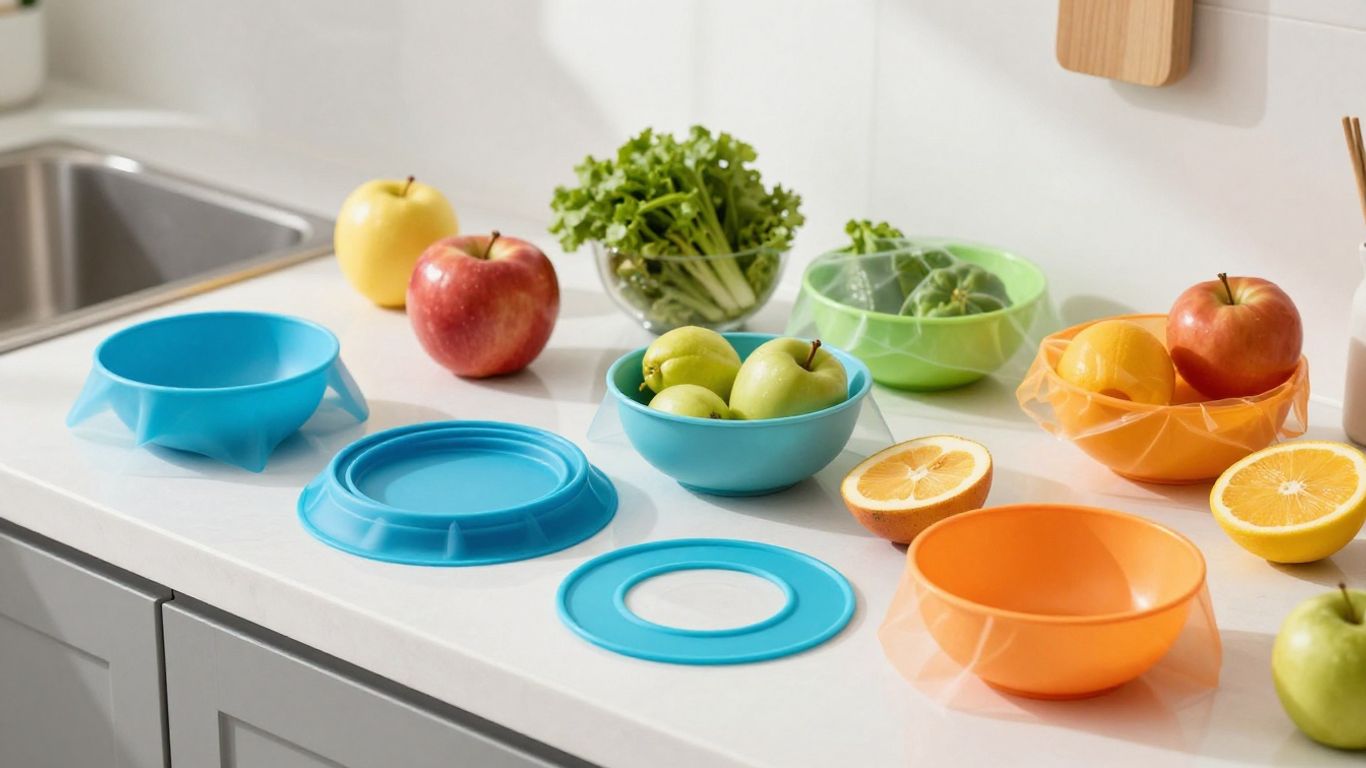
When you’re thinking about what to cover your food with, it’s easy to just grab whatever’s handy. But have you ever stopped to consider what’s actually in that plastic wrap or those flimsy plastic containers? Many of them can contain chemicals that might not be great for you, especially when heated. Silicone food covers offer a much safer alternative.
Forever-Chemical-Free Materials
Silicone itself is a material that’s pretty stable. Unlike some plastics, it’s not known to break down and release harmful substances into your food. This means you can feel more confident using them, whether you’re storing leftovers in the fridge or reheating something in the microwave. It’s made from silicon, oxygen, carbon, and hydrogen – elements that are generally considered safe and non-reactive.
Avoiding Harmful Leaching During Heating
This is a big one. When you heat up food covered in traditional plastic wrap, those plastics can get soft and potentially release chemicals like phthalates or BPA into your meal. Silicone, on the other hand, is designed to handle a wide range of temperatures without degrading. This makes it a much better choice for covering food that’s going into the microwave or oven. You’re not adding any extra, unwanted ingredients to your dinner.
BPA, PFAS, and Phthalate-Free Assurance
These are some of the chemical names you hear a lot about in relation to plastics. BPA (Bisphenol A), PFAS (per- and polyfluoroalkyl substances), and phthalates are often found in conventional plastic products. They’ve been linked to various health concerns. High-quality silicone food covers are typically made without these compounds. They are often platinum-cured, which is a manufacturing process that results in a very pure and inert material. This gives you peace of mind knowing you’re not exposing your family to these potentially problematic chemicals through your food storage.
Making the Switch to Silicone Food Covers
So, you’re thinking about ditching the plastic wrap and maybe even those old plastic containers? Good for you! Making the switch to silicone food covers is a pretty straightforward move, but it’s worth knowing a few things to get the most out of them. It’s not just about being kinder to the planet; it’s about making your kitchen life a little easier and safer too.
Understanding Material Quality and Certifications
Not all silicone is created equal, and this is probably the most important thing to get right when you’re buying. You want to look for silicone that’s certified for food contact. This usually means it meets standards like FDA or LFGB approval. Higher-quality silicone, often called platinum-cured silicone, is free from harmful chemicals like BPA, PFAS, and phthalates. This is the stuff that won’t break down or leach anything nasty into your food, especially when things get hot. Cheaper silicone might not have these certifications, and while it might look the same, it could be a different story under the surface. It’s like buying generic vs. brand-name medicine – you want to be sure what you’re getting.
Proper Care for Longevity
These silicone covers are pretty tough, but like anything, a little care goes a long way. They can handle a lot, from the freezer to the microwave, but there are limits. For instance, while they’re heat-resistant, avoid direct flame or temperatures way above 428°F (around 220°C), as that’s when silicone can start to break down. Cleaning is usually simple – warm, soapy water works great. If you notice any lingering smells, a soak in vinegar or a baking soda paste can often do the trick. Storing them flat and avoiding extreme heat will help them keep their shape and elasticity for years.
Here’s a quick rundown on common issues and fixes:
- Small tears appearing: Trim carefully with food-safe scissors. Try to avoid sharp edges on your containers.
- Persistent odors: Soak in a vinegar solution for about an hour, or use a baking soda paste. Always clean right after use.
- Lost elasticity: Sometimes, a cold water treatment before use can help. Storing them flat also prevents stretching.
When silicone lids finally wear out, they’re 100% recyclable through specialized programs, unlike plastic wrap, which contaminates recycling streams. The lifecycle assessment clearly favors silicone: lower resource consumption, zero microplastic generation, and complete material recovery potential.
Cost-Effectiveness Over Time
Okay, so the initial cost of a good set of silicone lids might seem a bit higher than a roll of plastic wrap. But let’s look at the bigger picture. That roll of plastic wrap? You’re buying it again and again, week after week, year after year. Think about how much you spend on it annually. A set of silicone lids, on the other hand, can last you anywhere from 3 to 5 years, or even longer with good care. When you break it down, the cost per year for silicone is significantly lower. Plus, you’re saving money by not constantly buying disposables. It’s an investment that pays for itself, both in your wallet and for the environment. For example, a family might spend over $125 a year on plastic wrap, generating over 15 pounds of waste, while a silicone set costs around $25-$40 and lasts for years with zero ongoing waste.
Silicone Food Covers: A Smart Kitchen Investment
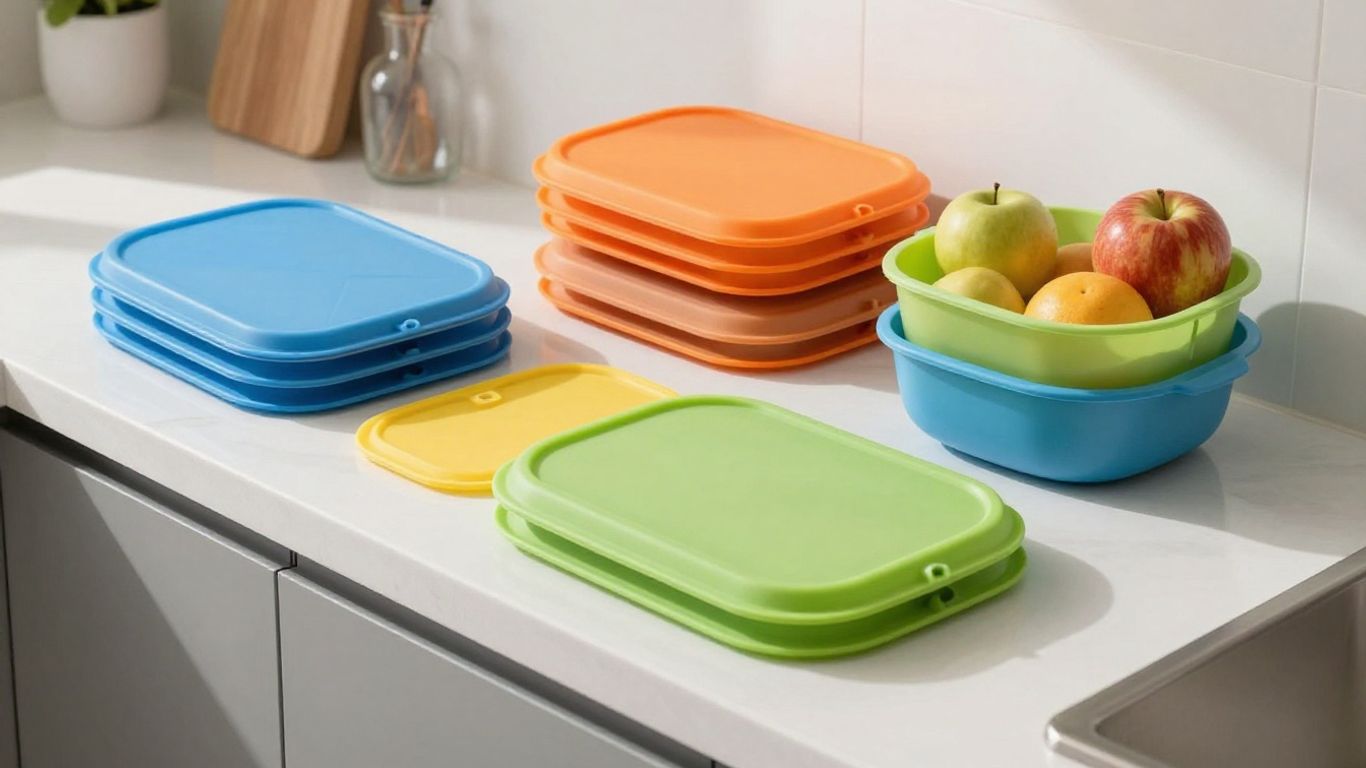
Comparing Silicone to Plastic Wrap and Beeswax Wraps
When you’re looking at ways to store food, it’s easy to get overwhelmed. Plastic wrap is everywhere, and beeswax wraps have gotten pretty popular too. But let’s break down why silicone lids really stand out as a smart choice for your kitchen.
Think about plastic wrap. It’s convenient for a moment, sure, but then it’s just trash. A typical family uses hundreds of feet of it every year, and it all ends up in landfills. Plus, it’s not exactly great for your health, especially when you heat food, as chemicals can leach out. Beeswax wraps are better, made from natural stuff, but they don’t seal as well, can’t go in the microwave or freezer, and don’t last forever. They’re good for wrapping a sandwich for lunch, but that’s about it.
Silicone lids, on the other hand, are a different story. They’re reusable for years, create a really good seal, and are safe to use with food, even when heated. They’re also super flexible, fitting all sorts of containers, not just perfectly round ones.
Here’s a quick look at how they stack up:
| Storage Method | Reusability | Seal Quality | Chemical Safety | Cost Per Year (approx.) |
|---|---|---|---|---|
| Silicone Stretch Lids | 3-5 years daily use | Airtight | Forever-chemical free | $8-12 |
| Plastic Wrap | Single use only | Good, not tight | Contains phthalates | $25-35 |
| Beeswax Wraps | 6-12 months | Moderate | Natural materials | $15-25 |
The Long-Term Value Proposition
Okay, so silicone lids might cost a bit more upfront than a roll of plastic wrap. But that’s where the ‘smart investment’ part comes in. If you think about it, that initial cost is a one-time thing for a set that can last you for years. Compare that to constantly buying new rolls of plastic wrap, and the savings really start to add up. We’re talking about potentially saving yourself a good chunk of change over the lifespan of the silicone lids.
Plus, there’s the environmental angle. Every time you use a silicone lid instead of plastic wrap, you’re preventing waste. It might seem small, but when you multiply that by hundreds of uses over several years, it makes a real difference. It’s a way to be kinder to the planet without sacrificing convenience or performance in your kitchen.
Enhancing Your Culinary Experience Safely
Beyond just saving money and the environment, silicone lids actually make your life in the kitchen a bit easier and safer. They create a tight seal that keeps food fresher for longer, meaning less food waste and better-tasting leftovers. You know how frustrating it is when you open the fridge and find that half-eaten bowl of salad has gone limp? Silicone lids help prevent that.
And remember the health aspect? Using silicone means you’re not worrying about harmful chemicals getting into your food, especially when you’re reheating something in the microwave. They’re made from materials that are free from BPA, PFAS, and phthalates, which is a big deal for anyone concerned about what they’re consuming. It’s about having peace of mind while you’re cooking, storing, and enjoying your meals. It just feels good to use products that are good for you and good for the planet.
Innovative Uses for Silicone Food Covers
Beyond Basic Bowl Covering
Sure, covering a bowl of leftovers is the most obvious use for silicone food covers, but they can do so much more. Think about those times you’ve cut a fruit or vegetable in half, like an avocado or an onion, and needed to store the remainder. Instead of wrapping it in plastic or using a flimsy container, just pop a silicone lid directly over the cut side. It creates a snug seal that helps keep the exposed surface from drying out or browning too quickly. They’re also fantastic for covering rising bread dough, creating a moist environment without letting the dough dry out. Just lightly oil the underside of the lid to prevent sticking.
Maximizing Performance with Pro Techniques
Want to get even more out of your silicone covers? Try a few tricks. For transporting liquids like soup or stew, you can place a piece of plastic wrap directly on the surface of the liquid first, then add the silicone lid over the top. This creates an extra layer of security against spills. When reheating food in the microwave, use the silicone lid to cover your dish, but leave one edge slightly lifted. This allows steam to escape, preventing pressure buildup and ensuring your food heats evenly without splattering everywhere. It’s a simple step that makes a big difference.
Adapting to Various Cookware and Containers
The real magic of silicone covers is their adaptability. They aren’t just for round bowls. These stretchy wonders can fit over square baking dishes, rectangular containers, and even irregular shapes like a cut watermelon or a casserole dish. They can transform almost any vessel into a spill-proof, airtight container. This makes them perfect for meal prep, taking food to potlucks, or simply storing ingredients in the fridge. They work on glass, ceramic, metal, and plastic containers, making them incredibly versatile.
Here’s a quick look at how they stack up against other methods for specific tasks:
| Task | Silicone Cover | Plastic Wrap | Beeswax Wrap |
|---|---|---|---|
| Covering Bowls | Excellent, airtight seal | Good, can be messy | Good, room temp only |
| Storing Cut Produce | Very Good, prevents browning/drying | Fair, less effective | Fair, room temp only |
| Covering Rising Dough | Excellent, maintains moisture | Good | Not recommended |
| Transporting Liquids | Good (with extra seal for best results) | Fair, can leak | Not recommended |
| Microwave Splatter Guard | Excellent, allows venting | Good | Not recommended |
Silicone food covers are more than just a replacement for plastic wrap; they’re a versatile tool that can simplify many kitchen tasks, reduce waste, and keep your food fresher for longer. Their ability to adapt to different shapes and temperatures makes them a go-to for busy home cooks.
Making the Switch for a Greener Kitchen
So, there you have it. Switching to silicone food covers is a pretty straightforward way to cut down on kitchen waste. They last a long time, keep your food fresh, and when they’re finally done, they can be recycled. It’s a small change, but it really adds up when you think about all the plastic wrap we usually toss. Plus, knowing they’re made from safe materials means you don’t have to worry about weird chemicals getting into your food. It just makes sense for your kitchen and for the planet.
Frequently Asked Questions
How do silicone stretch lids help the environment compared to plastic wrap?
Plastic wrap is used once and thrown away, ending up in landfills. Silicone lids can be used over and over again for years. This means way less trash and a happier planet!
What makes silicone lids a safe choice for my food?
Good silicone lids are made without harmful chemicals like BPA or PFAS. This means when you heat them up or store food, nothing yucky leaks into your meals. They are made from safe, non-toxic materials.
Can I use silicone lids in the microwave or freezer?
Absolutely! Silicone lids are tough. They can handle the heat of a microwave and the cold of a freezer, making them super useful for all sorts of food storage and reheating.
How long do silicone lids usually last?
When you take good care of them, silicone lids can last for several years, even with daily use. They are much more durable than flimsy plastic wrap.
Are silicone lids hard to clean?
Not at all! Most silicone lids are dishwasher safe, making cleanup a breeze. You can also easily wash them by hand with soap and water.
What should I look for when buying silicone lids?
Make sure they are made from good quality, food-grade silicone. Look for labels that say they are BPA-free and maybe even mention certifications like LFGB, which means they meet high safety standards.