

Thinking about cutting back on plastic? It’s a good idea, honestly. We’re all surrounded by the stuff, and it piles up fast. This guide is here to help you figure out how to live with less plastic, making small changes that add up. It’s not about being perfect overnight, but about making a real effort towards a cleaner planet. Let’s explore how to get started on your own plastic freedom journey.
Key Takeaways
- Start with simple swaps like reusable shopping bags and personal care items made from bamboo.
- Look for brands that use plastic-free packaging and choose clothing made from natural fabrics.
- Explore bulk buying and zero-waste stores for your groceries to cut down on packaging.
- Consider making your own household items and reducing plastic in your food and drink choices.
- Find communities and resources, like apps and books, to stay motivated and learn more about plastic reduction.
Embarking On Your Plastic Freedom Journey
Understanding The Need For Plastic-Free Living
It’s easy to get overwhelmed when you start thinking about plastic. It’s everywhere, right? From the packaging on our food to the clothes we wear, plastic has become a huge part of our daily lives. But have you ever stopped to think about where all that plastic goes when we’re done with it? A lot of it ends up in landfills, taking hundreds of years to break down, or worse, polluting our oceans and harming wildlife. The sheer volume of plastic waste we generate is a serious problem for our planet. It’s not just about the environment, either; microplastics are showing up in our food and water, and we’re still learning about the long-term effects on our health.
The reality is, our reliance on single-use plastics has created a significant environmental challenge. Recognizing this is the first step towards making a change.
Setting Personal Goals For Reduced Plastic Consumption
Okay, so we know plastic is an issue. Now what? Trying to go completely plastic-free overnight is probably not realistic for most of us. It’s much more effective to set some achievable goals. Think about what makes sense for your life right now. Maybe you want to cut down on plastic bottles, or perhaps you want to avoid plastic bags at the grocery store. Start small and build from there. It’s about progress, not perfection.
Here are a few ideas to get you started:
- Reduce single-use water bottles: Aim to carry a reusable bottle every day.
- Cut down on plastic bags: Commit to bringing your own bags for all shopping trips.
- Minimize food packaging: Focus on buying loose produce and exploring bulk options.
- Rethink your coffee habit: If you grab coffee daily, bring a reusable mug.
The First Steps Towards A Sustainable Lifestyle
Starting your journey to reduce plastic doesn’t have to be complicated. The key is to make conscious choices that fit into your routine. Don’t feel like you need to overhaul everything at once. Pick one or two areas to focus on first. For example, you could start by always keeping a reusable shopping bag in your car or by switching to a bamboo toothbrush. Small changes, when done consistently, really add up over time. It’s about building new habits that feel natural.
Consider these initial actions:
- Audit your trash: Take a look at what you throw away most often. What kind of plastic are you discarding? This can highlight your biggest areas for improvement.
- Gather your reusables: Make sure you have a set of reusable bags, a water bottle, and maybe a travel mug ready to go.
- Plan your shopping: Think about where you can buy items with less packaging, like farmers’ markets or bulk stores.
- Educate yourself: Learn a bit more about the impact of plastic and the alternatives available. Knowledge is power!
Essential Swaps For Daily Life
Making the switch to a plastic-free lifestyle doesn’t mean you have to overhaul everything overnight. It’s about making small, conscious changes in your daily routine that add up. Think about the items you use most frequently and start there. The goal is progress, not perfection.
Rethinking Your Shopping Habits With Reusable Bags
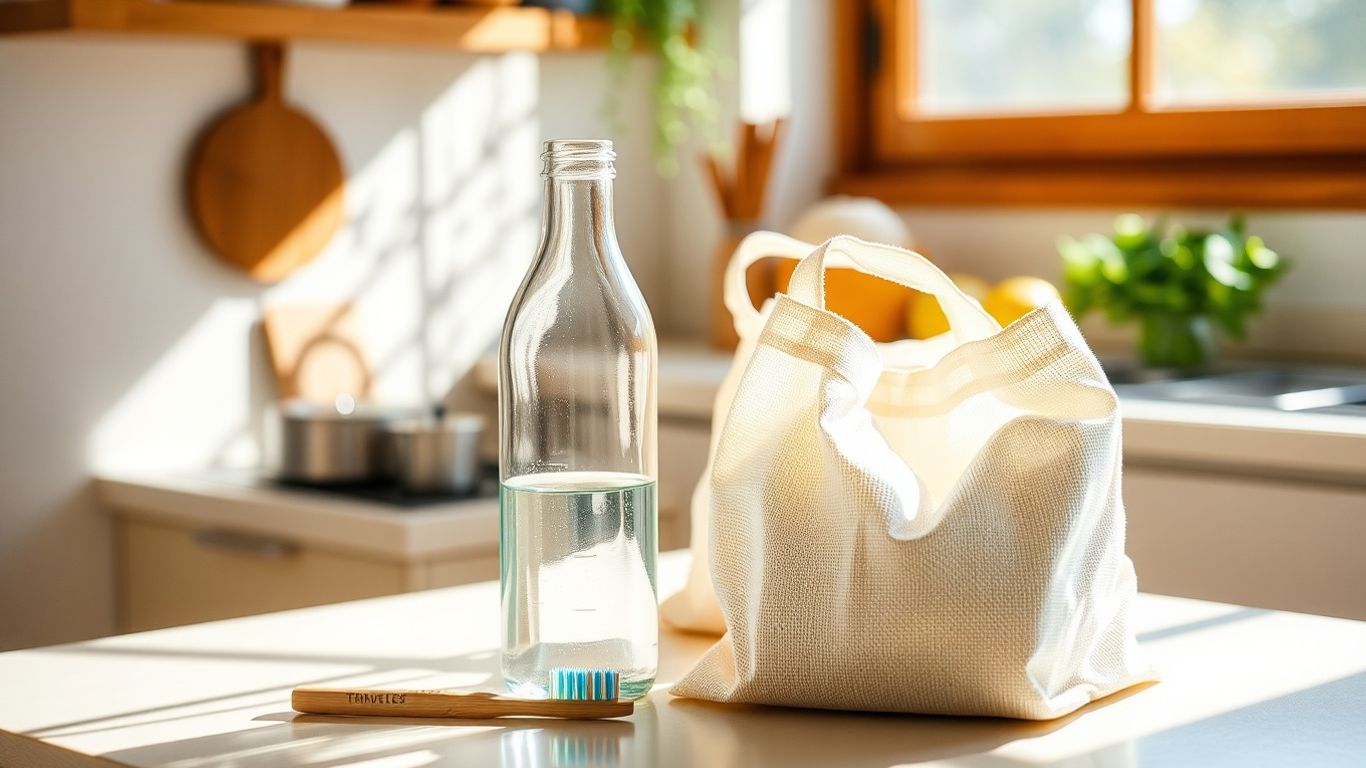
Plastic bags are everywhere, from grocery stores to clothing shops. The easiest swap? Bring your own reusable bags. Keep a few folded up in your car, purse, or backpack so you’re always prepared. It might seem simple, but it makes a huge difference over time. You can find them made from cotton, canvas, or recycled materials. Some even have cool designs!
Sustainable Personal Care: Bamboo and Beyond
Your bathroom cabinet is probably full of plastic. Let’s tackle that. Toothbrushes with plastic handles? Swap them for bamboo ones. They look nicer, and when you’re done, you can compost the handle. Razors with disposable plastic heads can be replaced with safety razors that have replaceable metal blades. Even things like cotton swabs can be found with paper or bamboo sticks instead of plastic. And don’t forget soap! Solid shampoo and conditioner bars come with no plastic packaging at all, and they work just as well as the liquid kind.
Kitchen Essentials: Moving Beyond Single-Use Plastics
The kitchen is a major source of plastic waste, especially with food packaging and single-use items. Instead of plastic wrap, try beeswax wraps or reusable silicone lids. For food storage, glass containers are a great alternative to plastic Tupperware. When you’re packing lunches or snacks, use reusable cloth bags instead of plastic baggies. Even simple things like switching to a wooden dish brush instead of a plastic one can help. If you’re packing a lunch or grabbing takeout, consider keeping a set of reusable cutlery and a metal straw in your bag to avoid the plastic versions.
Making these swaps isn’t just about reducing plastic; it’s often about choosing healthier, more natural alternatives for yourself and your family. Many plastic-free personal care items use natural ingredients, and reusable kitchen items can be more durable and aesthetically pleasing.
Conscious Consumerism For Plastic Freedom
Making thoughtful choices about what we buy is a big part of cutting down on plastic. It’s not just about avoiding the obvious plastic bags at the checkout; it’s about looking deeper at the products themselves and the companies that make them. When we support businesses that are actively trying to reduce their plastic footprint, we send a clear message that sustainability matters.
Discovering Brands Committed To Plastic-Free Packaging
It can feel overwhelming at first, trying to figure out which brands are genuinely making an effort. Many companies are now offering products with minimal or no plastic packaging. Look for items in glass jars, metal tins, or even wrapped in paper or cardboard. Some brands are even pioneering compostable packaging made from plant-based materials. It’s worth spending a little time researching companies that align with your values. You might be surprised at how many options are out there once you start looking.
Choosing Sustainable Fabrics For Your Wardrobe
Our clothes are another area where plastic can sneak in. Synthetic fabrics like polyester, nylon, and acrylic are essentially plastics. When we wash these clothes, tiny plastic fibers, called microplastics, can shed and end up in our waterways. Opting for natural fibers is a great step. Think about materials like organic cotton, linen, hemp, and Tencel. Even recycled materials can be a good choice, as they give existing plastics a new life.
Here’s a quick look at some fabric types:
- Natural Fibers: Cotton, linen, hemp, wool, bamboo (responsibly sourced).
- Recycled Fibers: Made from recycled plastic bottles or fabric scraps.
- Synthetic Fibers (to limit): Polyester, nylon, acrylic, spandex.
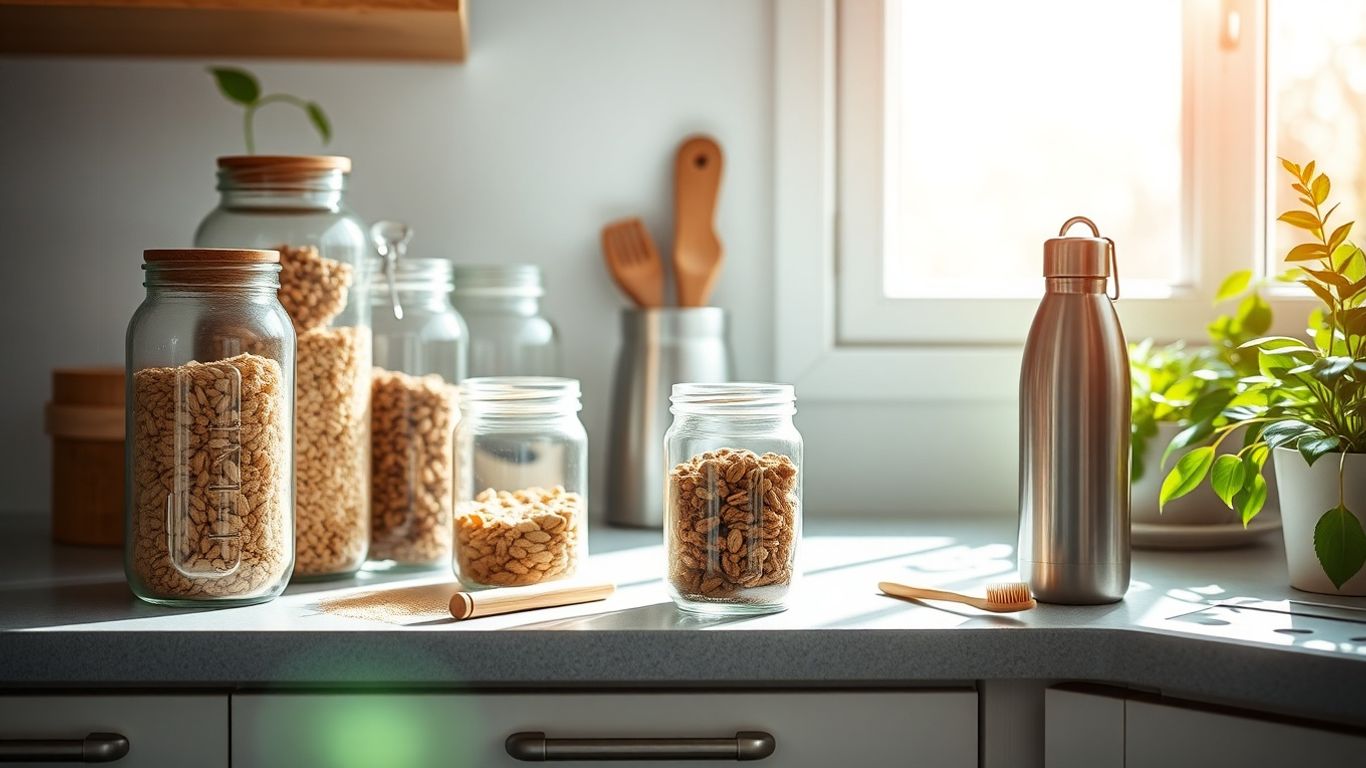
Grocery shopping is a prime spot for plastic encounters. Those pre-packaged fruits and vegetables, the plastic wrap on cheese, the bottles of sauces – it all adds up. Bulk bins are your best friend here. Bring your own reusable containers or bags to fill up with things like grains, nuts, seeds, pasta, and even some liquids like oil or soap. Zero-waste stores are popping up in more places, and they are designed specifically for this kind of shopping. They often have a wide selection of unpackaged goods, from pantry staples to cleaning supplies.
The sheer amount of plastic packaging in a typical supermarket can be eye-opening. It takes a bit of planning to bring your own containers and bags, but the reduction in waste is significant. It’s about shifting our habits from convenience to consciousness.
It might take a little practice to get the hang of it, but bringing your own containers to bulk bins is a game-changer. Just remember to weigh your empty container before filling it, so you only pay for the product inside. Many stores have scales right there in the bulk section.
Beyond The Basics: Advanced Plastic Reduction
So, you’ve got the reusable bags, you’re using a metal water bottle, and maybe you’ve even ditched the plastic wrap for beeswax alternatives. That’s awesome! But what’s next when you want to go even further? It’s about getting creative and looking at the stuff we often overlook.
DIY Solutions For Everyday Items
Making your own cleaning supplies is surprisingly easy and cuts out a ton of plastic bottles. Think vinegar, baking soda, and essential oils. You can whip up an all-purpose cleaner in minutes. For things like toothpaste, there are recipes online using ingredients like coconut oil and baking soda. It might take a little trial and error to find what works for you, but it’s totally doable. Even simple things like making your own bread or yogurt can reduce packaging waste significantly.
Reducing Plastic In Food And Drink Consumption
This is where things can get really interesting. Beyond just avoiding bottled water, consider how your food is packaged. Buying in bulk is a big one, but you also need to think about the containers you bring. Some people get really into fermenting their own foods or making their own plant-based milks to avoid cartons and plastic jugs. Even coffee and tea can be a source of plastic if you’re not careful – think about loose leaf tea instead of tea bags, and French press or pour-over coffee makers.
The Role Of Community In Achieving Plastic Freedom
It can feel a bit lonely trying to go plastic-free sometimes, right? That’s where community comes in. Finding local groups, even online ones, can be a game-changer. Sharing tips, swapping ideas, and even organizing local clean-ups can make a big difference. Sometimes, just knowing others are on the same path helps you keep going when you feel like giving up. Plus, collective action can push businesses and local governments to make bigger changes.
Going beyond the basics means looking at the hidden plastics in our lives and finding clever ways to replace them. It’s about being resourceful and not being afraid to try new things, even if they seem a bit unconventional at first. Every little bit counts, and when we work together, our impact grows.
Resources And Inspiration For Your Path
It’s easy to feel like you’re on this plastic-free journey all by yourself, but there’s a whole community out there ready to help and cheer you on. Finding the right resources can make a big difference, turning what might seem like a daunting task into something manageable and even fun. Don’t underestimate the power of connecting with others who are on a similar path.
Helpful Apps And Websites For Sustainable Living
There are tons of online spaces and tools that can help you stay on track. Think of them as your digital companions for a greener life.
- Zero Waste Home: Bea Johnson’s site is a classic. She shares practical tips on how to reduce waste in everyday life, making it feel achievable.
- Plastic Pollution Coalition: This group offers a wealth of information about the plastic problem and what individuals and communities can do.
- My Plastic Diary: A blog that documents one person’s journey to reduce plastic, showing real-life challenges and successes.
- The Story of Stuff Project: They have great resources for understanding the bigger picture of consumption and waste.
Books To Deepen Your Understanding Of Plastic Reduction
Sometimes, a good book is just what you need to get inspired or find new ideas. Here are a few that have helped many people.
- How to Give Up Plastic by Will McCallum: This book offers practical advice from someone who worked with Greenpeace on their anti-plastic campaigns.
- Plastic-Free: How I Kicked the Plastic Habit and How You Can Too by Beth Terry: A personal account that shows how one person’s decision can lead to significant change.
- No. More. Plastic. by Martin Dorey: This one is packed with simple solutions, like the #2minutesolution, that anyone can implement.
Finding Your Community And Staying Motivated
Staying motivated is key, and community support is a huge part of that. Whether it’s online or in person, connecting with others can keep your spirits high.
- Local Zero-Waste Groups: Search online for groups in your city or town. They often organize cleanups, workshops, or swap events.
- Online Forums and Social Media: Platforms like Facebook and Reddit have dedicated groups where people share tips, ask questions, and offer encouragement.
- Workshops and Events: Keep an eye out for local sustainability events or workshops. These are great places to learn new skills and meet like-minded people.
Remember, every small step counts. It’s not about being perfect overnight, but about making consistent progress and learning along the way. Celebrate your wins, big or small, and don’t get discouraged by setbacks. The journey is ongoing, and your efforts truly matter.
Keep Going, It’s Worth It
So, we’ve talked a lot about ditching plastic, and honestly, it can feel like a big task. But remember, this isn’t about being perfect overnight. It’s about making small changes, one step at a time. Whether it’s bringing your own bags to the store or choosing a shampoo bar, every little bit adds up. Think of it as a journey, not a race. Keep learning, keep trying new things, and don’t get discouraged if you slip up sometimes. The goal is progress, not perfection. By making conscious choices, we can all contribute to a healthier planet, and that’s something pretty great to be a part of.
Frequently Asked Questions
Why is it important to reduce plastic use?
Plastic is everywhere and can take hundreds of years to break down. When it does break down, it pollutes our oceans, harms animals, and can even end up in the food we eat. Living with less plastic helps protect our planet and keep it clean for everyone.
What are some easy first steps to use less plastic?
Start small! Bring your own reusable bags to the store instead of using plastic ones. Carry a reusable water bottle and coffee cup. When you need new personal care items like toothbrushes, choose ones made from bamboo.
How can I shop for groceries without so much plastic?
Look for stores where you can buy things in bulk using your own containers. Many stores now have sections for nuts, grains, and even liquids where you can fill up your own jars. Also, try to choose fruits and vegetables that aren’t wrapped in plastic.
Are there alternatives to plastic in the kitchen?
Yes! Instead of plastic wrap, try beeswax wraps or reusable containers. For food storage, glass or metal containers are great options. You can also find reusable silicone bags that work well for snacks and lunches.
What about plastic in clothing?
Many clothes are made from synthetic fabrics, which are basically plastics. Try to choose clothes made from natural materials like organic cotton, hemp, or bamboo. Some brands are even making clothes from recycled plastic, which is another good choice.
What if I can’t find a plastic-free option for something I need?
Don’t worry if you can’t be perfectly plastic-free right away. The goal is to reduce, not eliminate everything instantly. If you can’t find a plastic-free alternative, try to find items with less plastic packaging or choose the largest size available to reduce waste over time. Every little bit helps!