
So, you’re trying to figure out the best food bin bags, huh? It can get a bit confusing with all the talk about ‘compostable’ and ‘biodegradable.’ We all want to do our part for the planet, but sometimes the options make it seem harder than it needs to be. This guide is here to clear things up, looking at the different types of food bin bags out there and what makes them good (or not so good) for your kitchen scraps and the environment. We’ll talk about what to look for so you can make a choice you feel good about.
Key Takeaways
- Certified compostable food bin bags are designed to break down completely in industrial composting facilities, turning waste into useful compost.
- It’s important to know the difference between ‘biodegradable’ and ‘compostable’; compostable has stricter standards for decomposition.
- When picking food bin bags, think about the size you need, how thick it should be for your waste, and whether you’ll be composting at home or using a municipal service.
- Look for certifications like BPI or standards like ASTM D6400 to be sure your food bin bags are truly eco-friendly and not just misleadingly labeled.
- Using the right food bin bags supports waste management goals, helps reduce what goes into landfills, and contributes to a more circular economy.
Understanding Compostable Food Bin Bags
So, you’re looking into food bin bags and want to go the eco-friendly route. That’s awesome! But what exactly are these compostable bags, and how do they stack up against other options? Let’s break it down.
What Are Certified Compostable Bags?
Basically, certified compostable bags are made from materials that can break down completely into natural elements like water, carbon dioxide, and biomass when placed in a composting environment. Think of them as plant-based materials that, under the right conditions, return to the earth without leaving any nasty plastic bits behind. The key here is ‘certified’ – it means they’ve met specific standards to prove they actually decompose as promised. This is a big deal because it means they won’t just sit in a landfill for centuries like regular plastic bags.
Biodegradable Versus Compostable: Key Differences
This is where things can get a little confusing, and honestly, a lot of companies play on this confusion. "Biodegradable" sounds good, right? It means something can break down. But here’s the catch: it doesn’t say how or how long it takes, or what it breaks down into. A bag could technically be "biodegradable" if it breaks into tiny plastic pieces (microplastics) over, say, 500 years. Not exactly what we’re going for.
Compostable, on the other hand, is a much stricter term. It means the bag breaks down within a specific timeframe (usually around 180 days) in a composting facility, and it turns into nutrient-rich compost. No harmful residues, just good stuff for the soil.
Here’s a quick rundown:
- Biodegradable: Breaks down over time, but the end product and timeframe are often unclear. Can sometimes leave behind microplastics.
- Compostable: Breaks down completely within a set time in a composting environment, leaving behind beneficial organic matter.
It’s really important to look for certifications on compostable bags. Without them, you might be buying something that doesn’t perform as advertised, and your food scraps could end up contributing to landfill problems instead of becoming valuable compost.
The Environmental Benefits of Compostable Food Bin Bags
Using compostable food bin bags is a pretty straightforward way to make a positive impact. When you divert your food scraps from the trash, you’re directly reducing the amount of waste going to landfills. Landfills are a major source of methane, a potent greenhouse gas, so cutting down on what goes in helps combat climate change. Plus, by composting food waste, you’re creating a valuable resource – compost – which can be used to enrich soil, reducing the need for chemical fertilizers. It’s all about closing the loop and supporting a more circular way of managing our waste.
Key Factors When Selecting Food Bin Bags
Picking the right food bin bag might seem simple, but there are a few things to think about to make sure it works for you and the planet. It’s not just about grabbing any bag; it’s about matching the bag to what you’re throwing away and how you’re getting rid of it.
Matching Bag Size and Thickness to Waste Type
First off, size matters. You don’t want a tiny bag for a big pile of scraps, and a giant bag for just a few peels is wasteful. Think about what you typically toss:
- Small bags (3-5 liters): Good for daily kitchen scraps, like coffee grounds and tea bags, or for pet waste.
- Medium bags (10-30 liters): Handy for general kitchen waste or when you’re cleaning out the fridge.
- Large bags (50+ liters): Better for bigger jobs, like collecting yard waste if you compost that too, or for larger compost bins.
Thickness is also a big deal, especially with food waste. Wet scraps can get heavy and messy. A thinner bag might work for dry things, but for anything moist or potentially leaky, you’ll want something a bit more robust. A bag that’s too thin is just asking for a mess.
Considering Home Versus Industrial Composting Needs
This is a really important point. Not all "compostable" bags are created equal. If you’re tossing your scraps into a backyard compost pile, you need bags specifically designed for home composting. These break down under the conditions you’d find in your garden.
- Home Composting: Look for bags with "OK Compost HOME" certification. These are made to decompose in your own compost bin.
- Industrial Composting: Many bags are made for large, commercial composting facilities. They need higher temperatures and specific conditions to break down properly. If your town or city collects food scraps for industrial composting, these bags are usually the way to go.
If you’re unsure, check with your local waste management service. They’ll tell you what kind of bags they accept. Using the wrong type can actually hinder the composting process.
Understanding Material Properties for Durability
Compostable bags are often made from plant-based materials like cornstarch (PLA) or other bioplastics (PBAT). These materials have different strengths. Some might be more flexible, while others are a bit stiffer. For food waste, you want a bag that’s strong enough to hold the weight without tearing, especially when it’s wet. You also want it to be somewhat breathable to help reduce odors, but not so breathable that it dries out your compostable material too quickly. It’s a bit of a balancing act, really. Finding a bag that feels sturdy and doesn’t easily rip when you’re tying it off or carrying it to the bin is key. You don’t want any surprises!
Choosing the right bag means thinking about its size, how thick it is, and where it’s going to end up. A little bit of thought upfront can save you a lot of hassle and help the environment too.
Sorting through all the labels on food bin bags can get a bit overwhelming. Some bags claim to be "eco-friendly," but do they actually break down the way you want? Honestly, there are a lot of different certifications floating around, and only a handful truly mean something for your compost or trash.
The Importance of BPI Certification
BPI (Biodegradable Products Institute) certification means the bag will compost as promised in the right conditions. It’s a widely trusted seal in the US and Canada. If you’re worried about greenwashing, just look for the BPI logo—it usually shows up right on the box or bag. Here’s why BPI certification matters:
- Meets strict compostability standards, so you’re not sending microplastics to the compost pile.
- Accepted at most commercial composting facilities.
- Supports compliance with waste regulations in many local areas.
You can always check the BPI website for an updated list of approved bags if you’re feeling unsure.
Recognizing Standards Like ASTM D6400
ASTM D6400 is the official test that checks if a plastic bag or product actually breaks down in an industrial compost system. If food bin bags meet this standard, manufacturers aren’t just making empty promises. Here’s a basic look at some recognized standards:
| Standard | Country/Region | Key Info |
|---|---|---|
| ASTM D6400 | US, Canada | Suitable for industrial composting |
| EN13432 | Europe | Covers compostability and eco-toxicity |
| TUV OK Compost | Europe/International | Confirms full breakdown in compost |
Bags that pass these tests should say so on their packaging.
Don’t trust a compostable claim unless you see a clear standard (like ASTM D6400) and a certifying body—otherwise, your effort might not pay off at the compost site!
Avoiding Misleading ‘Biodegradable’ Claims
Not every “biodegradable” bag does what you hope. Some break down into small fragments instead of vanishing completely, and that’s bad news for compost. Watch out for:
- Packaging that just says "biodegradable" with no certifying label.
- Bags that don’t list a certification number or standard.
- Claims about breaking down "anywhere"—true compostable bags break down only in specific composting conditions.
If you want to see a real example of how proper certifications look and what eco-friendly packaging can offer, you might want to explore certifications and standards for compostable food packaging. It pays to double-check before you buy—your compost (and your conscience) will thank you.
Specific Applications for Food Bin Bags
So, where do these eco-friendly bags actually fit in? It turns out they’re pretty versatile, going way beyond just lining your kitchen bin. Let’s break down some of the common places you’ll find them being used.
Kitchen Scraps and Municipal Composting
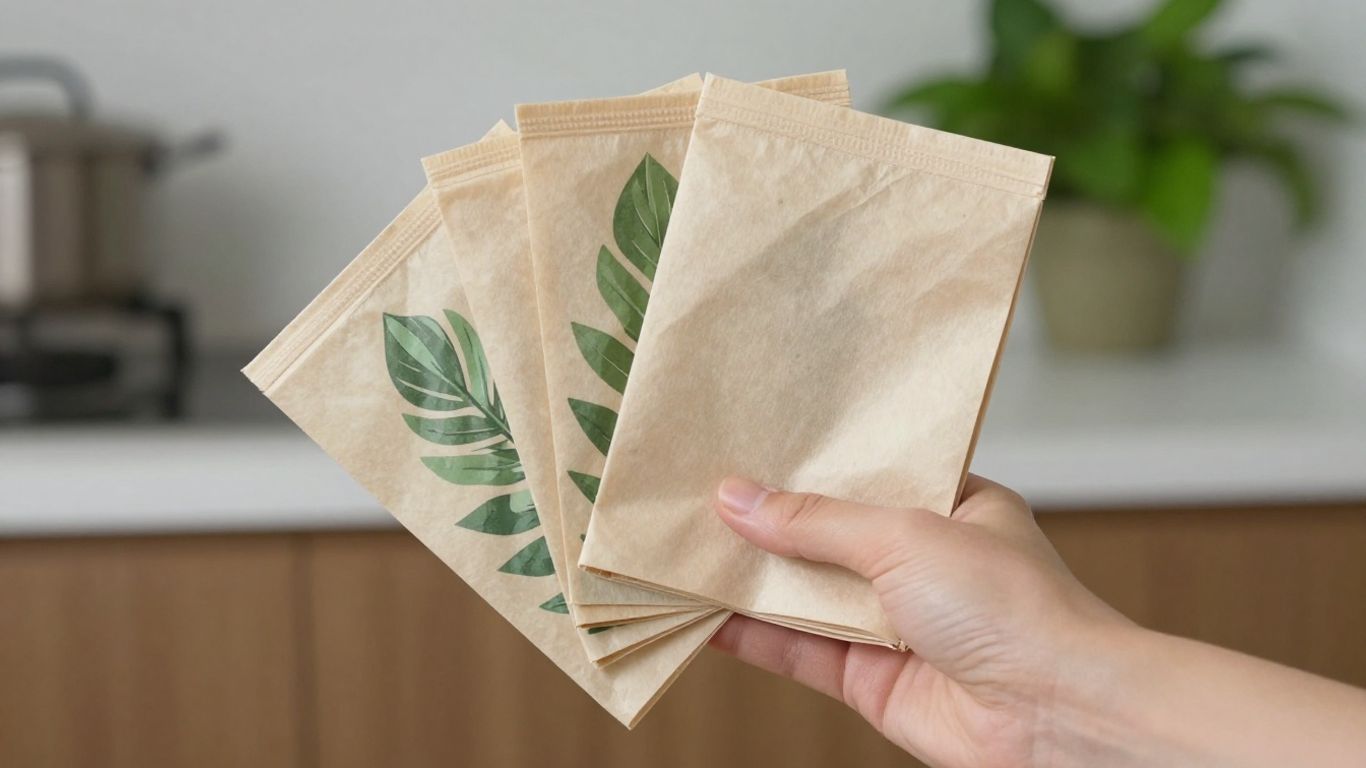
This is probably the most common use, right? You’re collecting those coffee grounds, veggie peels, and leftover bits from dinner. For your home compost bin, you’ve got a couple of good choices. Paper bags are cheap and break down easily. But if you’re looking for something that handles moisture and smells a bit better, certified compostable bags are the way to go. They’re designed to break down in industrial composting facilities, which is what most city programs use. It’s important to check what your local program accepts, though. Some might be okay with certain thin plastic bags, but compostable ones are usually the preferred option to keep things clean and turn waste into something useful.
Retail and Shopping Bag Alternatives
Think about your local grocery store or boutique. Instead of those flimsy plastic bags, many places are switching to compostable versions. These bags need to be strong enough to hold your purchases, obviously. They often have sturdy handles and can even be printed with a store’s logo, which is a nice touch for branding. Using these helps businesses show they care about the environment, and shoppers appreciate it too. It’s a simple swap that makes a difference.
Pet Waste Disposal Solutions
Dealing with pet waste is never fun, but it doesn’t have to mean using more plastic. There are now compostable bags specifically made for picking up after your dog. The key here is that they need to be tough and leak-proof. Nobody wants a mess in their hand! Many of these bags are also scented to help with odors, making that necessary chore a little less unpleasant. They offer a much better alternative to traditional plastic poop bags that just end up in the landfill.
Ensuring Performance and Longevity
When you’re picking out compostable food bin bags, it’s not just about them breaking down eventually. You need them to actually work for you day-to-day, right? That means they need to hold up to your kitchen scraps without falling apart. The right bag should be both strong enough for your waste and designed to last until you’re ready to compost it.
Breathable and Moisture-Resistant Features
Nobody likes a stinky bin. That’s where breathability comes in. Bags that let a little air through can help manage odors by letting moisture evaporate. But you don’t want them too breathable, or they’ll dry out your compostable material too quickly. It’s a bit of a balancing act. Moisture-resistant coatings can also help keep liquids contained, preventing messy leaks.
Understanding Bag Shelf Life and Storage
Compostable bags are made from organic materials, which means they have a shelf life. Think of them like food – they’re best used before they start to degrade on their own. Storing them in a cool, dry place, away from direct sunlight, is key. Most manufacturers recommend using them within about a year of purchase. If you buy in bulk, make sure you have a good plan to use them up before they lose their strength.
- Store in a cool, dry location.
- Avoid direct sunlight and heat.
- Use within 12 months of purchase for optimal performance.
Leakproof and Tear-Resistant Qualities
This is pretty straightforward. You want bags that won’t split open when you’re carrying them to the bin or when the bin is full. Look for bags that mention being tear-resistant. For wet waste, leakproof seams are also a big deal. Nobody wants to deal with soggy bottoms or drips on the way to the compost bin.
Choosing bags with good structural integrity means fewer surprises and less mess. It’s about making the composting process as smooth as possible, from your kitchen counter to the compost pile.
The Role of Food Bin Bags in Waste Management
So, how do these food bin bags actually fit into the bigger picture of managing our trash? It’s more than just keeping your kitchen bin tidy, you know. When you pick the right kind of bag, especially a compostable one, you’re actually helping out a lot with how our waste systems work.
Supporting Circular Economy Principles
Think about it: instead of just tossing food scraps into a landfill where they just sit and rot, creating methane gas, using compostable bags helps turn that waste into something useful. It’s like closing the loop. Your banana peels and coffee grounds can become rich soil for gardens. This whole idea is part of what people call a circular economy – making sure resources get reused instead of just thrown away. Choosing compostable bags is a simple step that supports this bigger goal. It means less raw material is needed for new products because we’re recycling organic matter.
Reducing Landfill Burden and Emissions
Landfills are a huge problem. They take up space, can pollute the ground and water, and when organic waste decomposes without air (anaerobically), it releases methane, a potent greenhouse gas. Food waste makes up a pretty big chunk of what ends up in landfills. By diverting food scraps using compostable trash bags, we significantly cut down on the amount of waste going to landfills. This, in turn, reduces methane emissions, which is a win for the environment. It’s a direct way to lessen our impact.
Compliance with Evolving Waste Regulations
Governments and local councils are getting more serious about waste management. Many places now have specific rules about what you can and can’t put in your food waste bins, especially if you’re part of a municipal composting program. Using bags that aren’t approved can actually mess up the composting process at the facility or even result in fines. So, staying informed about what your local waste management service accepts is key. Often, they’ll specify if certified compostable bags or even plain paper bags are the way to go. It’s about making sure your efforts actually help the system work as intended, rather than causing more problems.
Using the correct food bin bags isn’t just about convenience; it’s about actively participating in a more sustainable waste management system. It’s about making sure that what we throw away can be transformed into something beneficial, rather than becoming a burden on the planet.
Wrapping It Up
So, when it comes to picking out bags for your food scraps, it really boils down to what works best for you and where those scraps are going. Whether you’re tossing them into a municipal composting bin or have your own backyard setup, making sure your bag is actually compostable is key. It’s not just about tossing things out; it’s about doing it in a way that helps the planet instead of hurting it. By checking for those certifications and understanding the difference between ‘biodegradable’ and ‘compostable,’ you’re making a solid choice for a cleaner future. It’s a small change, but it adds up.
Frequently Asked Questions
What’s the big difference between ‘biodegradable’ and ‘compostable’ bags?
Think of it like this: ‘Biodegradable’ just means something can break down over time, but it might take ages and leave yucky stuff behind. ‘Compostable’ is way cooler because it means the bag will break down completely into healthy soil food within a set time, usually in a special compost bin, and it won’t harm the environment.
How can I be sure a bag is *really* compostable?
Look for official stamps of approval! In the U.S., the Biodegradable Products Institute (BPI) is a big one. You’ll also see standards like ASTM D6400. These certifications mean the bag has been tested and proven to break down properly without leaving bad stuff behind.
Can I just toss any compostable food bag into my backyard compost pile?
Not always! Many compostable bags need the super-hot, controlled conditions of an industrial composting facility to break down fast enough. If you want to compost at home, search for bags specifically labeled ‘OK Compost HOME’ – those are made for your backyard bin.
Will these compostable bags hold my messy food scraps without leaking?
Good news! Most compostable bags made for food waste are designed to be pretty strong. They can handle wet scraps and leftovers. Just check the package to make sure it says they’re good for wet waste, and try not to overfill them to prevent tears.
Do compostable bags go bad if I don’t use them right away?
They don’t have a strict ‘expiration date’ like milk, but they can get weaker over time. It’s best to use them within about a year of buying them. Keep them in a cool, dry spot away from the sun to help them last longer.
Why should I bother using compostable bags instead of regular plastic ones?
Using compostable bags is a big win for the planet! They help keep food waste out of landfills, where it creates harmful gases. When they break down properly, they turn into useful compost for soil instead of polluting the earth for hundreds of years like plastic does.