
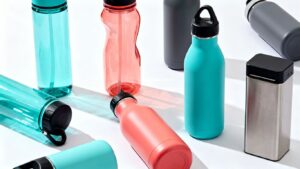
So, you’re looking for a new water bottle, huh? It seems simple enough, but man, the choices out there can be a lot. We’ve all seen ‘BPA-free’ plastered everywhere, and that’s a good start, but what does it really mean for you and your health? And what about all the other stuff that goes into making these bottles? This guide is here to help you cut through the noise and find a bpa free water bottle that actually fits your life. We’ll talk about what ‘BPA-free’ really means, look at different materials like stainless steel, plastic, and silicone, and figure out which one is best for your daily grind, your gym sessions, or your weekend hikes. Let’s get you hydrated the smart way.
Key Takeaways
- A ‘BPA-free’ label is a good starting point, but it doesn’t tell the whole health story. Some replacements for BPA might have similar issues.
- Third-party certifications offer more reliable proof of safety than just a label, showing a product is free from a wider range of concerning chemicals.
- Stainless steel bottles are durable and great for temperature control but can be heavy. Modern BPA-free plastics are lightweight and affordable but don’t insulate.
- Food-grade silicone bottles are super portable and collapsible, making them ideal for travel or saving space, though they lack insulation.
- The best bpa free water bottle for you depends heavily on your lifestyle, whether you need something rugged for outdoors, lightweight for commuting, or compact for travel.
Understanding BPA-Free Water Bottle Safety
What BPA-Free Really Means for Your Health
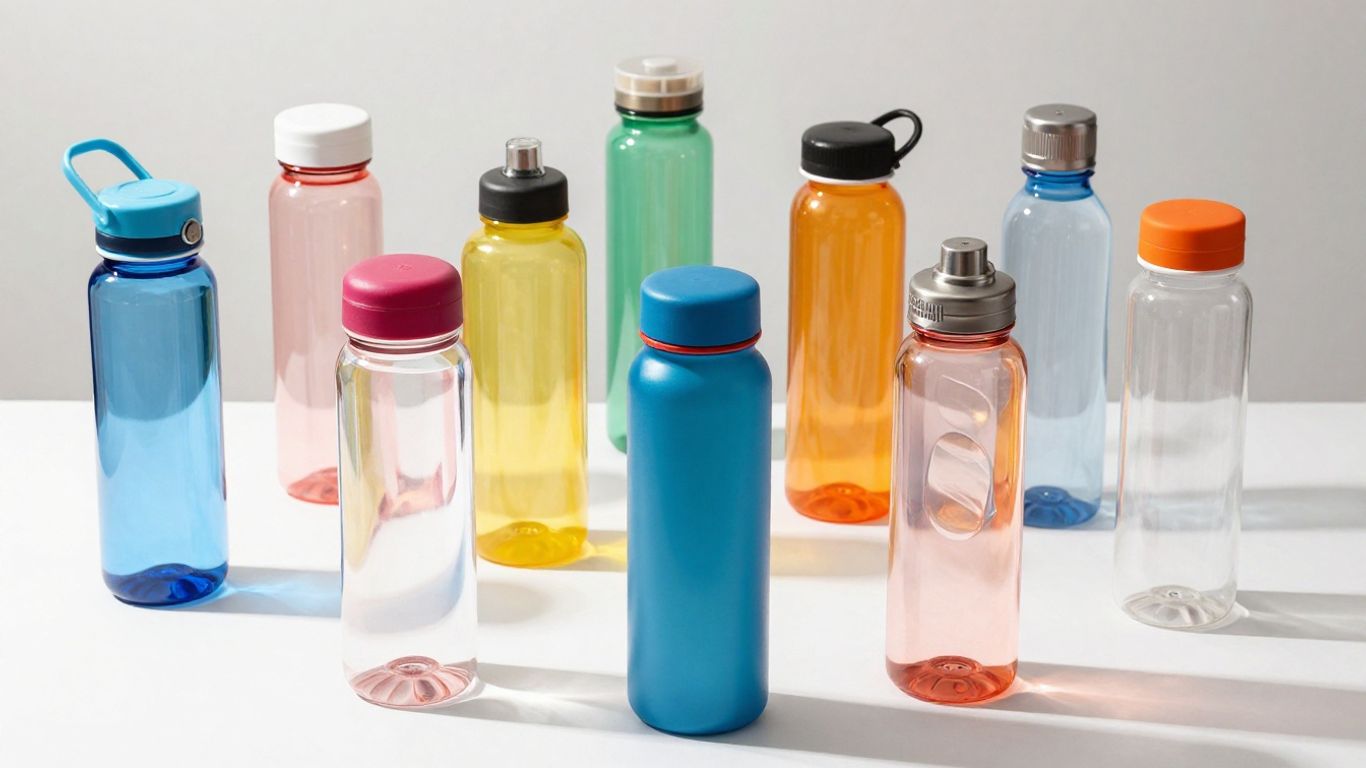
So, you’ve seen "BPA-free" on water bottles everywhere. It sounds good, right? Like a little promise that your drink is safe. But what exactly are we avoiding when we choose a bottle without BPA? Bisphenol A, or BPA, is a chemical that used to be common in hard, clear plastics. It made them tough. The problem is, studies started showing that BPA could leach into our food and drinks. It’s known as an endocrine disruptor, meaning it can mess with your body’s hormone system. Because of these concerns, manufacturers started ditching BPA, and the "BPA-free" label became the norm. It was a big step forward for consumer safety, but it also made us wonder: what are they using instead?
Beyond the BPA-Free Sticker
When companies stopped using BPA, they often turned to similar chemicals, like BPS and BPF, to get the same plastic properties. The catch? Some research suggests these replacements might have their own health worries, acting similarly to BPA. So, that "BPA-free" sticker is a good start, but it doesn’t always tell the whole story. True peace of mind often comes from knowing a product is free from a whole range of potentially concerning chemicals, not just the one that got the most attention. This is where independent testing really shines.
The push for safer products means we can’t just take labels at face value anymore. We need to look for proof that goes deeper than a simple claim.
The Gold Standard: Third-Party Certification
When you’re really trying to be sure about what you’re drinking from, looking for third-party certifications is the way to go. These aren’t just claims made by the company selling the bottle. Instead, independent labs test the products to confirm they meet certain safety standards. This means they’re checking for things like:
- BPA and BPS-free materials: Confirming the absence of these specific chemicals.
- No harmful plasticizers: Checking for things like phthalates, which can also be a concern.
- Lead-free components: Especially important for caps and any coatings.
- Food-grade materials: Ensuring the plastic or metal is safe for contact with food and beverages.
These certifications give you a much higher level of confidence that your bottle is truly safe for everyday use. It’s about getting that extra layer of assurance that the bottle is made with your health in mind, beyond just the basic "BPA-free" marketing.
Comparing Water Bottle Materials and Their Uses
When you start looking for a new water bottle, you’ll quickly see there are a bunch of different materials out there. It can feel a bit overwhelming, right? But honestly, the best choice really comes down to what you’ll be doing with it most of the time. Think of it like picking the right tool for a job – you wouldn’t use a hammer to screw in a bolt. Each material has its own strengths and weaknesses, and knowing them helps you pick one that actually fits your life.
The Rugged Workhorse: Stainless Steel
Stainless steel bottles are like the tanks of the hydration world. They’re super tough and can handle being dropped or bumped around without much fuss. But their real superpower is keeping your drinks at the perfect temperature. A good quality, double-walled, vacuum-insulated steel bottle can keep water cold for a whole day, or your coffee or tea piping hot for hours. This makes them a top pick for anyone who spends a lot of time outdoors, like hikers or campers, or just someone who likes their drink to stay just right all day long.
Of course, this toughness comes with a trade-off. Stainless steel bottles are usually the heaviest option. That extra weight is something you’ll notice if you’re trying to pack light for a commute or a trip.
The Lightweight Champion: Modern BPA-Free Plastics
Plastic bottles, especially the modern BPA-free kinds, are popular for a reason. They’re really light, which is a big plus when you’re carrying it around all day. Plus, they’re usually way more affordable than stainless steel. They’re also pretty good at handling drops – no shattering here! However, they don’t do much for keeping your drinks hot or cold, and over time, they can sometimes pick up smells or flavors from whatever you put in them. You also want to be careful about scratching them, as tiny scratches can sometimes be a place for bacteria to hang out.
Here’s a quick look at how they stack up:
- Stainless Steel: Great for temperature control, very durable, doesn’t hold onto flavors. Downsides: heavier, can be pricier.
- BPA-Free Plastic: Lightweight, budget-friendly, impact-resistant. Downsides: no insulation, can retain odors, might get scratched.
When you’re choosing a plastic bottle, look for ones that feel sturdy. Sometimes the cheaper ones can feel a bit flimsy, and you want something that will last.
The Ultra-Portable Option: Food-Grade Silicone
Silicone bottles are pretty neat, especially if you’re all about saving space. They’re incredibly lightweight and many can be rolled up or collapsed when they’re empty. This makes them fantastic for travel, fitting easily into a purse, backpack, or even a pocket. They’re also easy to clean and generally safe for your health. The main thing to know is that they don’t offer any insulation, so your cold drinks will warm up, and hot drinks will cool down faster than in a steel bottle. They can also feel a bit more flexible than other materials, which some people don’t prefer.
- Food-Grade Silicone: Super portable and collapsible, very lightweight, easy to clean. Downsides: no insulation, can feel less rigid.
Choosing a BPA-Free Water Bottle for Your Lifestyle
So, you’ve decided to go BPA-free, which is awesome. But now comes the fun (and sometimes confusing) part: picking the actual bottle. It’s not just about grabbing the first one you see. The best BPA-free water bottle for you really depends on how you live your life. Think of it like picking out shoes – you wouldn’t wear hiking boots to a wedding, right? Same idea here. The material, the size, the way it opens – it all matters for how much you’ll actually use it.
Matching Bottle Features to Your Daily Routine
Your everyday grind probably looks pretty different from someone else’s, and your water bottle should keep up. If you’re mostly at a desk, maybe a sleek, insulated stainless steel bottle is your jam. It’ll keep your water cold all day, and it looks pretty professional. But if you’re constantly on the move, maybe something lighter and more compact makes more sense. The goal is to find a bottle that makes staying hydrated easy, not a chore.
Here’s a quick look at how different bottle types fit into various routines:
- The Office Dweller: You probably want something that won’t spill in your bag and keeps your water cool for hours. Insulated stainless steel is a solid choice here. Look for a wide mouth for easy cleaning and filling.
- The Gym Goer: Lightweight and easy to drink from during a workout is key. BPA-free plastics or even a flexible silicone bottle can work well. Durability is also a plus, as it might get tossed around a bit.
- The Busy Parent: Portability and ease of use are paramount. A bottle that can be easily carried, doesn’t leak, and is simple for kids (or yourself) to open and close is a lifesaver. Collapsible options are great for stashing when empty.
Choosing a bottle that fits your daily routine isn’t just about convenience; it’s about making hydration a habit. When your bottle is easy to carry, easy to use, and keeps your drink at the right temperature, you’re far more likely to reach for it throughout the day.
Ideal Bottles for Outdoor Adventures
When you’re heading out for a hike, camping, or just spending a day at the park, your water bottle needs to be tough and reliable. You’re probably not going to be near a water fountain, and you’ll want your drink to stay refreshing, even if it’s hot out. Stainless steel bottles really shine here. They can take a beating, and the insulation is fantastic for keeping water cold for hours on end. Some brands, like Hydro Flask, are known for their ability to keep drinks cold for a full 24 hours, which is a game-changer on a long trek.
Consider these points for outdoor use:
- Durability: It needs to withstand drops and bumps. Stainless steel is your best bet.
- Capacity: Make sure it’s big enough for your activity. A 32 oz bottle is often a good starting point for a day hike.
- Lid Type: A secure, leak-proof lid is non-negotiable. Some prefer a chug cap for easy drinking on the move.
The Best BPA-Free Water Bottles for Commuters
Commuting often means juggling a lot of things – a laptop, a lunch bag, maybe a book. Your water bottle needs to be practical. It should fit easily into your backpack or tote, not leak all over your important documents, and ideally, keep your drink at a pleasant temperature. For many commuters, a slim, insulated stainless steel bottle is a popular choice because it fits well in cup holders and bags. However, if space is really tight, a collapsible silicone bottle can be a lifesaver, shrinking down when you’re done with your drink. The key is finding something that doesn’t add extra bulk or worry to your already busy journey.
Key Factors in Selecting Your Next Bottle
Picking the best BPA-free water bottle is all about matching the right features to your life. While stainless steel is a champ for keeping drinks cold and standing up to abuse, and silicone offers portability you just can’t beat, the perfect bottle really comes down to what you do every day. Let’s break it down so you can pick a bottle that’s not just safe, but a perfect fit for your routine.
Material Matters for Taste and Durability
The material your bottle is made from impacts a lot. It affects how long it lasts, how it feels to drink from, and even how your water tastes. Some plastics can hold onto smells over time, making your water taste a bit off. Stainless steel, on the other hand, is pretty neutral and doesn’t usually transfer flavors. It’s also super tough, so it can handle being dropped or tossed around.
- Stainless Steel: Great for durability and temperature control, but can be heavier.
- Modern BPA-Free Plastics: Lightweight and affordable, but might not last as long or keep temps.
- Food-Grade Silicone: Highly portable and flexible, but not always the best for keeping drinks hot or cold.
Choosing a material that aligns with your daily activities is key. If you’re rough on your gear, steel is probably your best bet. If you need something that packs down small, silicone wins.
Size and Design for Optimal Hydration
Water bottles come in all sorts of sizes, usually from about 12 ounces up to 64 ounces. Think about how much water you actually drink in a day and how often you can refill. If you’re always on the move, a smaller bottle might be easier to carry. But if you’re out for a long hike or a busy workday, a bigger one means fewer trips to the water fountain.
Design is also a big deal. How easy is it to hold? Can you open it with one hand? What about the lid? A bottle that’s a pain to use will just end up sitting in your cupboard. Look for features that make drinking easy and refilling simple.
- Lid Types: Screw-top for security, flip-top for quick access, straw lids for sipping on the go.
- Mouth Width: Wide mouths are easier to clean and add ice to.
- Grip: Some bottles have textured surfaces or ergonomic shapes for a better hold.
Considering Insulation for Temperature Control
Do you like your water ice-cold, or maybe a hot tea on a chilly morning? If temperature matters, you’ll want to look at insulated bottles. These are usually made with a double layer of stainless steel, with a vacuum in between. This vacuum layer is what stops heat from getting in or out.
- Single-Walled: Lighter, but won’t keep drinks hot or cold for long.
- Double-Walled (Insulated): Keeps drinks cold for hours (sometimes up to 24) and hot for hours (often up to 12).
Insulated bottles are fantastic for commuters, outdoor enthusiasts, or anyone who wants their drink to stay at the perfect temperature all day long. While they tend to be a bit pricier and heavier than non-insulated options, the convenience of having a perfectly chilled or warm beverage can be well worth it.
Maintaining Your BPA-Free Water Bottle
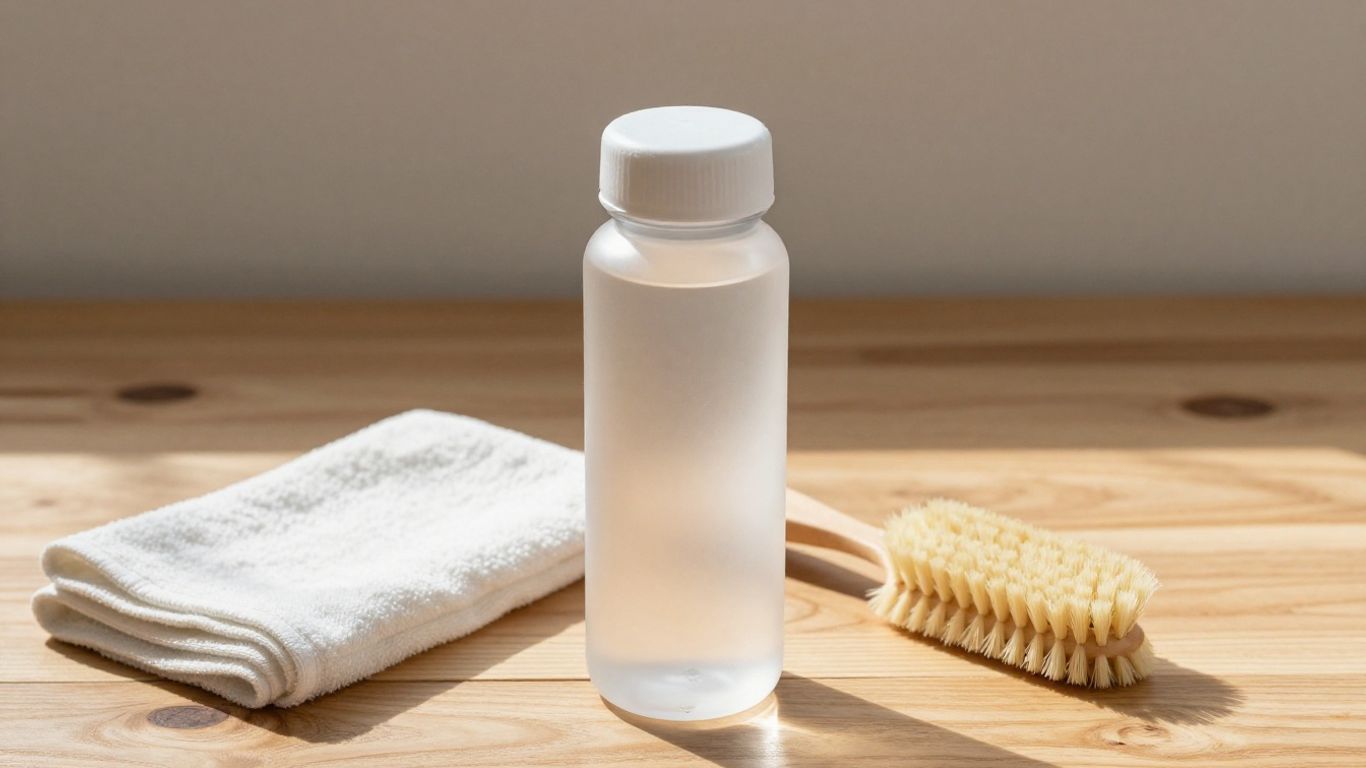
So you’ve got your shiny new BPA-free water bottle, and you’re ready to stay hydrated. Awesome! But how do you keep it in good shape so it lasts and doesn’t start smelling weird? It’s not rocket science, honestly. A little bit of regular attention makes a huge difference.
Simple Cleaning Tips for Longevity
Keeping your bottle clean is more than just making it look nice; it’s about making sure your water tastes like water, not like yesterday’s forgotten sports drink. Plus, a clean bottle is a happy bottle, and it’ll stick around for the long haul.
- Daily Rinse: Seriously, this is the easiest thing you can do. As soon as you finish your drink, give the bottle a quick rinse with warm water. Don’t let stuff sit in there; it just makes cleaning harder later.
- Soap and Water Shake: For a more thorough clean, use a little dish soap and warm water. If you have a bottle like a HYDAWAY that can be opened up, great. If it’s a standard bottle, put a drop of soap and some water inside, screw the lid on tight, and give it a good shake. Then rinse it out really well.
- Deep Clean (Weekly): Once a week, or whenever you notice a faint smell, it’s time for a deeper clean. You can use a bottle brush to scrub the inside, especially if you have a narrow opening. For stubborn smells or residue, a mixture of baking soda and water left to sit for a few hours can work wonders. Just make sure to rinse thoroughly afterward.
Don’t forget the cap! Those nooks and crannies can hide gunk. Make sure to clean the cap and the mouthpiece regularly, as these areas come into direct contact with your mouth.
When to Consider Replacing Your Bottle
Even the best bottles have a lifespan. It’s good to know when it’s time to say goodbye to an old friend and grab a new one. It’s usually pretty obvious when this time comes.
- Plastic Bottles: If your plastic bottle (even BPA-free ones) starts to look cloudy, develops deep scratches, or holds onto odors no matter how much you clean it, it’s probably time for a new one. This usually happens after a couple of years of regular use.
- Stainless Steel Bottles: These are tough cookies. They can last for many, many years. However, if the insulation starts to fail (meaning it doesn’t keep drinks hot or cold like it used to), or if there’s significant damage to the interior lining, it might be time to replace it. Major dents on the outside are usually just cosmetic, though.
- Silicone Bottles: These are generally very durable. You’d really only need to replace a silicone bottle if it gets a tear or a puncture, which is pretty uncommon with normal use. If it starts to degrade or feel sticky, that’s also a sign it’s seen better days.
So, What’s the Takeaway?
Alright, so we’ve gone through a lot about picking out a water bottle that’s good for you and doesn’t have BPA. It’s not just about grabbing any old bottle; it’s about finding one that fits your life. Whether you need something super tough for hiking, light for your gym bag, or something that just collapses down small, there’s a bottle out there. Remember, "BPA-free" is a good start, but looking into what else a bottle is made of and if it’s been tested by a third party gives you real peace of mind. Make the choice that feels right for you, and you’ll be set for staying hydrated for a long time.
Frequently Asked Questions
What does ‘BPA-free’ actually mean for my health?
When a bottle says ‘BPA-free,’ it means it doesn’t have a chemical called Bisphenol A (BPA). BPA used to be in some plastics and could potentially cause health problems because it can act like a hormone in your body. So, ‘BPA-free’ is a good start to know it’s safer than older plastics.
Are all plastics without BPA safe?
Not necessarily. While ‘BPA-free’ is a good sign, some companies might replace BPA with other similar chemicals, like BPS or BPF. Some studies suggest these might have similar issues. It’s best to look for bottles that are certified safe by a trusted third party, not just rely on the ‘BPA-free’ label alone.
What are the best materials for water bottles?
The most popular and safe materials are stainless steel, food-grade silicone, and certain types of BPA-free plastics like Tritan. Stainless steel is super tough and keeps drinks cold or hot for ages. Silicone is great for collapsing and saving space, and modern plastics are lightweight and affordable.
How often should I replace my water bottle?
It depends on the material. A good stainless steel bottle can last many years if you don’t damage it. BPA-free plastic bottles usually last 2-4 years, especially if they start getting scratched or smelly. Silicone bottles are very durable and only need replacing if they tear, which is rare.
Why is third-party certification important?
Third-party certification means an independent lab has tested the bottle to make sure it’s truly free from harmful chemicals, not just BPA but others too. It’s like getting a stamp of approval from a trusted expert, giving you more confidence that the bottle is safe for everyday use.
Can I put hot drinks in my BPA-free bottle?
For stainless steel bottles, yes, many are designed to keep drinks hot. However, for plastic or silicone bottles, it’s usually best to check the manufacturer’s instructions. Some plastics aren’t meant for high heat, and it’s always safer to avoid putting very hot liquids in them to prevent any potential chemical release.