
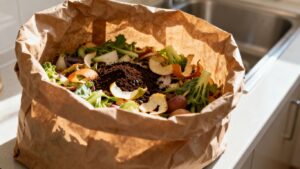
It feels like everyone’s talking about being more eco-friendly these days, right? Sometimes it feels overwhelming, like where do you even start? Well, a really simple switch you can make is with your trash bags. I’ve been looking into large compostable bags, and honestly, they seem like a pretty smart choice for reducing waste at home. They’re made from plants and break down naturally, which sounds way better than those plastic ones that just hang around forever. Let’s break down why these bags might be a good fit for your household.
Key Takeaways
- Compostable bags break down naturally into healthy soil, unlike plastic bags that linger for ages.
- Made from renewable stuff like corn, these bags help cut down on greenhouse gases.
- Look for certifications like BPI to make sure your large compostable bags really break down as promised.
- Using compostable bags for food scraps and yard waste is an easy way to reduce what goes to the landfill.
- While they might cost a bit more upfront, the environmental benefits make large compostable bags a worthwhile swap.
Understanding Compostable Bags For Your Home
So, you’re thinking about making the switch to compostable bags, huh? It’s a great idea, really. But what exactly is a compostable bag, and how is it different from that plastic one you’ve been using? Let’s break it down.
What Makes Compostable Bags Different From Plastic
Think of regular plastic bags like a stubborn guest who never leaves. They’re made from petroleum products and can hang around in landfills for hundreds of years, breaking down into tiny pieces called microplastics that can get into our soil and water. Compostable bags, on the other hand, are designed to disappear. They’re typically made from plant-based materials like corn starch, PBAT, or PLA. The key difference is that compostable bags are meant to break down completely into natural elements, like water, carbon dioxide, and biomass, under specific composting conditions. They don’t leave behind those nasty microplastics. It’s a pretty big deal when you consider how much trash we generate.
The Environmental Benefits of Compostable Options
Choosing compostable bags is more than just a trend; it’s a conscious step towards a healthier planet. When you use compostable bags for your food scraps and other organic waste, you’re helping to divert a significant amount of material from landfills. This means less methane gas being released into the atmosphere, which is a major greenhouse gas. Plus, when these bags break down properly, they contribute to creating nutrient-rich compost. This compost can then be used to improve soil health, helping plants grow and reducing the need for chemical fertilizers. It’s a nice, closed-loop system, really. You’re essentially turning waste into a resource that benefits the earth. Using these bags helps you reduce landfill waste and supports a cleaner environment.
Materials That Make Compostable Bags Sustainable
What goes into making these bags so eco-friendly? It’s all about the materials. Most compostable bags are crafted from renewable resources, which is a big plus. Here’s a quick look at some common ones:
- Corn Starch: A widely used plant-based material that breaks down easily.
- PLA (Polylactic Acid): Derived from fermented plant starches, often from corn. It’s a strong and versatile material.
- PBAT (Polybutylene Adipate Terephthalate): This is a certified compostable polymer that’s often blended with PLA or starch to give the bags flexibility and strength.
These materials are chosen because they can be naturally decomposed, unlike traditional plastics. They are designed to break down in industrial composting facilities or, in some cases, even in home compost bins, given the right conditions. It’s pretty neat how nature can take these materials and turn them back into something useful for the soil.
The goal is to create products that serve their purpose and then return to the earth without causing harm. Compostable bags are a step in that direction, offering a way to manage household waste more responsibly.
Making The Switch To Large Compostable Bags
So, you’re thinking about making the switch to large compostable bags? That’s a great step! It might seem like a small change, but it really adds up when we all do it. Let’s talk about how to make this transition smooth and effective.
Integrating Compostable Bags Into Your Daily Routine
Getting used to compostable bags is easier than you might think. Start by swapping out the bags you use most often, like the one under your kitchen sink. This is where most of your food scraps will end up, and it’s a perfect place to begin. You can also use them for yard waste if you have a garden. Gradually, you can replace other bags around the house. The key is to make it a habit, not a chore.
Here’s a simple way to get started:
- Kitchen Bin: Use a large compostable bag for your main kitchen trash. This handles daily food scraps and other organic waste.
- Bathroom Bins: Consider smaller compostable bags for bathrooms, especially if you generate organic waste there.
- Yard Waste: If you have a yard, use compostable bags for leaves, grass clippings, and other garden debris.
Proper Storage For Compostable Bags
Compostable bags are made from plant-based materials, which means they can break down if not stored correctly. Think of them like fresh produce – they don’t like heat or moisture. Keeping them in a cool, dry place, like a pantry or a cupboard, will help them last longer. Avoid storing them in direct sunlight or damp areas. This simple step makes sure your bags are ready to use when you need them.
Disposal Practices For Maximum Benefit
This is where compostable bags really shine. The goal is to get them into a composting system. Check with your local municipality or waste management service to see if they accept compostable bags in their collection program. Many do, and this is the easiest way to ensure they break down properly. If you have a home composting system, make sure it’s set up to handle compostable bags. You can find more information on composting at home and its benefits.
When you use compostable bags, you’re diverting organic waste from landfills. This is important because organic matter in landfills decomposes without oxygen, releasing methane, a greenhouse gas that’s much worse for the environment than carbon dioxide. By composting, you turn that waste into something useful.
If commercial composting isn’t an option, don’t worry. Even if you put them in the regular trash, you’re still helping by replacing traditional plastic bags. However, the real magic happens when they get composted, turning into nutrient-rich soil that can be used for gardening. This supports a cleaner environment and reduces the amount of waste heading to landfills.
Choosing The Right Compostable Bag
So, you’ve decided to make the switch to compostable bags – that’s awesome! But now comes the part where you actually pick one. It might seem a little confusing with all the different terms out there, but don’t worry, we’ll break it down. Making sure you grab the right kind of compostable bag is key to actually getting those environmental benefits we talked about.
Understanding Certifications For Compostable Products
This is probably the most important step. You’ll see a lot of labels out there, but not all of them mean what you think. Some bags might say they’re "eco-friendly" or "green," but that doesn’t automatically make them compostable. You really want to look for specific certifications. These are like a stamp of approval from organizations that have tested the bags to make sure they break down properly.
- BPI Certified: This means the bag meets standards for industrial composting. It’s a good sign the bag will break down in a commercial facility.
- OK Compost HOME: If you’re composting at home, this is the certification you want. It means the bag can break down in your backyard compost bin.
- Seedling Logo: This is a European certification that also indicates compostability, often for industrial settings.
Without these certifications, you can’t be sure the bag will actually compost. It might just end up in the landfill like regular plastic.
Finding The Right Size For Your Needs
Just like with regular trash bags, compostable ones come in different sizes. You don’t want a bag that’s too small and rips, or one that’s way too big and wasteful. Think about where you’ll be using the bag most.
- Kitchen Cans: For your main kitchen trash, you’ll likely need a standard size, often around 13 gallons. These are great for food scraps and general household waste. You can find certified 13-gallon compostable kitchen trash bags that fit most standard bins.
- Small Bins: If you have a small bin in your bathroom or office, you might only need a smaller bag, maybe 1.2 to 2 gallons. These are perfect for less waste and keep things tidy. Some small compostable bags are designed just for these smaller spaces.
- Larger Needs: For bigger jobs, like yard waste or cleaning out the garage, you might need larger bags. Check the packaging for sizes like 30 or 45 gallons.
Always measure your bin or check its current bag size before buying. It saves you hassle and ensures a good fit.
Assessing Strength And Durability
Okay, so you’ve found a certified bag in the right size. Now, will it actually hold up? Nobody wants a bag that splits open when you’re carrying it to the bin. Compostable bags are made from plant-based materials, which can sometimes feel a bit different from sturdy plastic. However, many are designed to be quite strong.
Look for bags that mention being "heavy-duty" or "tear-resistant" if you tend to have heavier waste. Some bags are made with materials like PBAT (Polybutylene Adipate Terephthalate) which adds flexibility and strength. While they might not be as indestructible as some conventional plastic bags, a good quality compostable bag should handle your everyday trash without a problem. If you’re concerned, maybe try a smaller pack first to see how they perform in your home.
The Impact Of Large Compostable Bags
Reducing Landfill Waste With Compostable Solutions
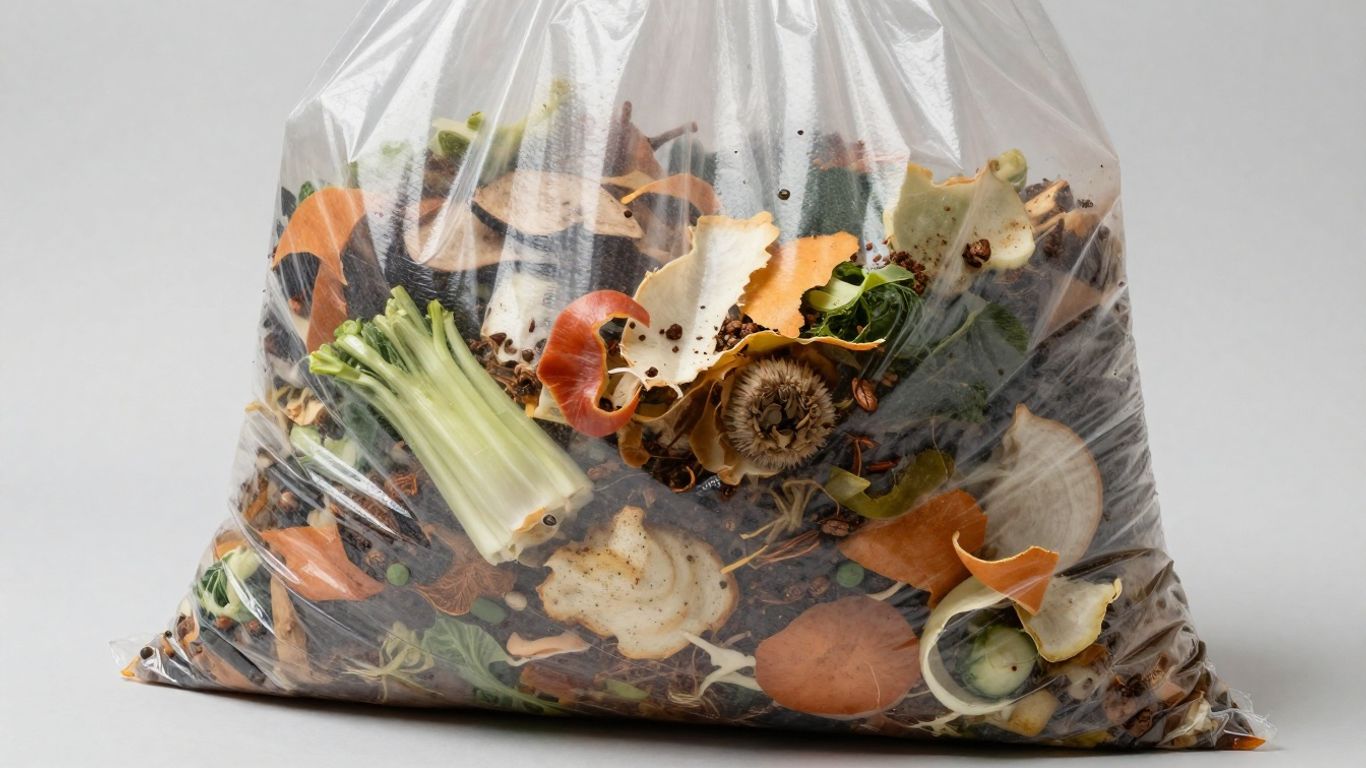
So, you’re thinking about using bigger compostable bags for your home waste. That’s a pretty smart move, honestly. When you toss your regular trash into a compostable bag, and then that bag ends up in a landfill, it’s not ideal, but it’s still better than a plastic bag. Why? Because compostable bags are designed to break down. Unlike traditional plastic bags that just sit there for hundreds of years, these bags can decompose, especially if they get into a composting facility. This means less stuff piling up in landfills, which is a win for everyone. It helps divert organic waste, which makes up a good chunk of what we throw away, from ending up in places where it just causes problems.
Lowering Greenhouse Gas Emissions
When organic stuff, like food scraps, rots in a landfill without air (that’s called anaerobic decomposition), it releases methane. Methane is a greenhouse gas, and it’s a pretty potent one, way more impactful than carbon dioxide in the short term. By using compostable bags for your food waste, you’re helping to get that waste out of the landfill and into a composting system. In a proper compost pile, the decomposition happens with air, and it produces much less methane. So, even if you’re just using the bags to collect your kitchen scraps before they go to a commercial composting facility, you’re indirectly helping to cut down on those harmful emissions. It’s a small step, but it adds up.
Supporting Soil Health With Nutrient-Rich Compost
This is where things get really cool. When compostable bags and the waste inside them break down properly in a composting environment, they don’t just disappear. They turn into compost. And this compost is fantastic stuff! It’s full of nutrients that plants love. Think of it as superfood for your garden soil. This nutrient-rich compost can be used to improve soil structure, help plants grow healthier, and even reduce the need for chemical fertilizers. It’s a way to close the loop, turning waste into something that can help grow more food or beautiful plants. It’s a real circular economy thing, where what we throw away can come back to nourish the earth. It’s a much better outcome than plastic bags, which just break down into tiny plastic bits that can cause issues for marine life [a9c1].
Using large compostable bags is more than just a trend; it’s a practical way to manage household waste more responsibly. By choosing these bags, you’re actively participating in reducing the burden on landfills and contributing to a healthier environment. It’s about making conscious choices that have a positive ripple effect, from reducing harmful gas emissions to enriching the soil that sustains us.
Addressing Common Concerns About Compostable Bags
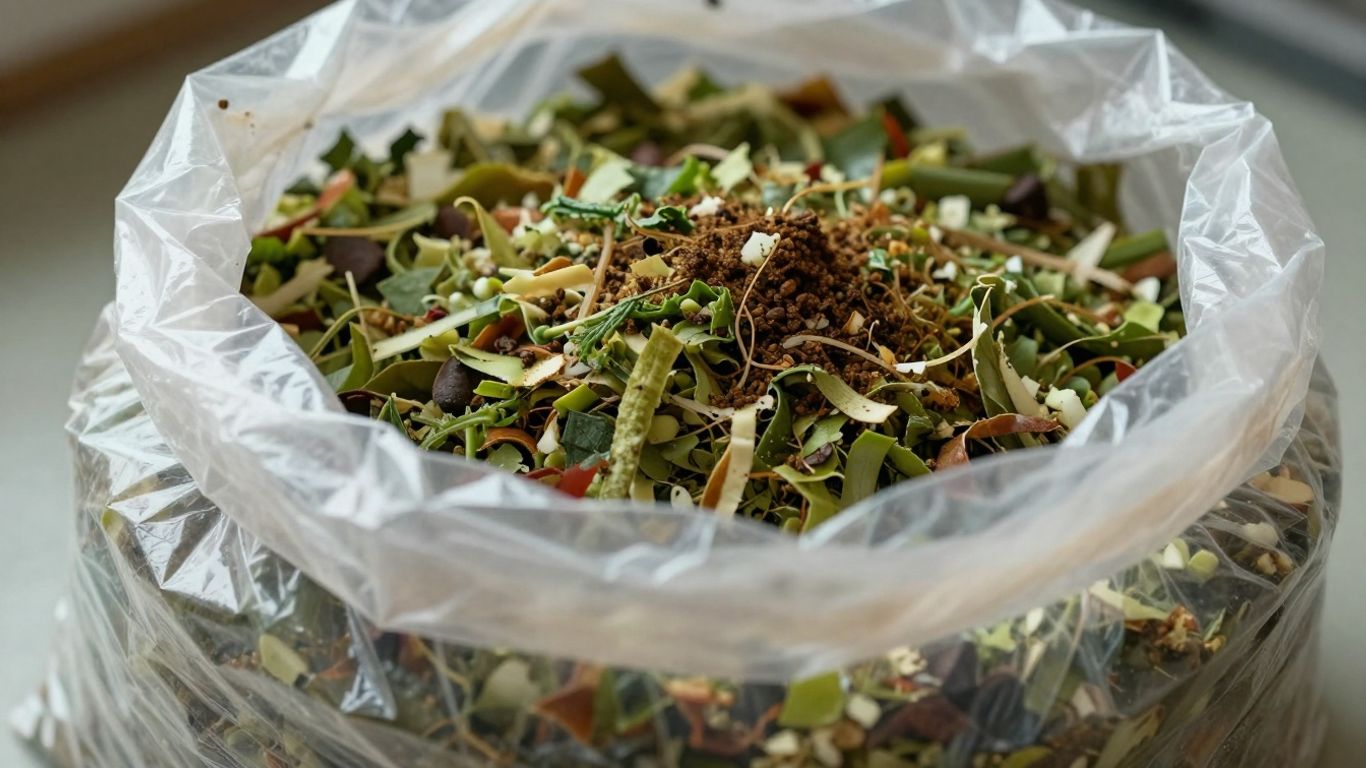
Okay, so you’re thinking about making the switch to compostable bags, which is awesome! But maybe you’ve got a few questions buzzing around. That’s totally normal. Let’s clear up some of the common worries people have.
Cost Considerations For Compostable Alternatives
Yeah, sometimes compostable bags can cost a bit more upfront than your standard plastic ones. It’s true. Think of it like buying organic produce versus conventionally grown – there’s often a price difference. This is partly because the materials used, like cornstarch or plant-based polymers, can be more expensive to produce than petroleum-based plastics. Plus, the certifications that guarantee they’ll actually break down properly add to the cost. However, when you look at the bigger picture, the cost of not using them – the environmental cleanup, the landfill space, the pollution – is way higher. Plus, as more people buy them, production scales up, and prices tend to come down over time. It’s an investment in a cleaner planet, really.
Compostable Bags In Home Composting Systems
This is a big one for folks who compost at home. Can you just toss these bags into your backyard bin? The answer is… it depends. Many compostable bags are designed for industrial composting facilities, which reach much higher temperatures than your average home compost pile. If your home system doesn’t get hot enough, the bags might not break down completely. Some bags are specifically made for home composting, though. Always check the packaging for certifications and instructions related to home composting. If you’re unsure, it’s often better to put them in your regular trash if your local area doesn’t have commercial composting, rather than letting them sit in your home bin for ages or potentially contaminating your finished compost. It’s a bummer, but knowing your local composting capabilities is key.
Safety For Family And Pets
Worried about these bags being around your kids or furry friends? Good news: generally, compostable bags are made from plant-based materials and are considered safe. Unlike traditional plastics that can break into tiny, harmful microplastics, compostable bags are designed to decompose into natural elements like water, carbon dioxide, and biomass. This means they don’t leave behind toxic residues that could harm your family or pets if they happen to get into them. Of course, like any bag, they can be a choking hazard, so it’s always best to store them out of reach of very young children and curious pets. But in terms of the materials themselves breaking down, they’re a much safer bet than conventional plastic.
It’s easy to get caught up in the details, but the main point is that compostable bags are designed to return to the earth without causing harm. They’re a step away from the plastic that sticks around for centuries, polluting our land and oceans. Thinking about where your waste goes is the first step to making better choices.
Making a Greener Choice, One Bag at a Time
So, there you have it. Switching to large compostable bags might seem like a small thing, but it really adds up. You’re not just tossing out trash; you’re helping turn waste into something useful for your garden. Plus, you’re cutting down on all that plastic that just hangs around forever. It’s a pretty straightforward way to do your part for the planet, right from your own kitchen. Give it a try, and feel good knowing you’re making a difference.
Frequently Asked Questions
What’s the big difference between compostable bags and regular plastic bags?
Compostable bags are made from plants, like corn starch. They are designed to break down completely in a compost environment, turning into healthy soil. Regular plastic bags, on the other hand, are made from oil and can take hundreds of years to break down, often leaving harmful bits behind in landfills.
Can I use these compostable bags for all my trash?
Compostable bags work best for organic waste, like food scraps and yard trimmings. They aren’t ideal for very sharp objects or chemicals. Think of them as a great way to handle your kitchen scraps and garden waste, helping them become useful compost instead of landfill trash.
How do compostable bags help reduce plastic waste?
By choosing compostable bags, you’re actively replacing single-use plastic bags. This means less plastic ends up in landfills and oceans. It’s a simple swap that makes a real difference for the planet and teaches good habits.
Are compostable bags safe for my family and pets?
Yes, they are! Compostable bags are made from safe, natural ingredients and don’t contain harmful chemicals. You can feel good about using them around your home, knowing they are safe for your loved ones and the environment.
Will compostable bags actually break down in my home compost bin?
Most compostable bags are designed to break down in home composting systems. For the best results, make sure your compost bin has the right mix of heat, moisture, and air. Always check the bag’s packaging to confirm it’s suitable for home composting.
Are compostable bags strong enough for heavy waste?
While they are gentle on the earth, many compostable bags are surprisingly strong! The durability can depend on the brand you choose. Look for bags that mention good strength and puncture resistance to handle your everyday organic waste effectively.