
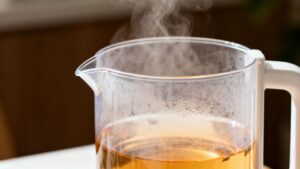
So, you’ve got a plastic kettle, and it says ‘BPA-free’ right on it. That’s supposed to mean it’s safe, right? We’ve all seen those labels, and honestly, it makes things a bit confusing. Are BPA-free plastic kettles safe for boiling your morning tea or coffee? It’s a question many of us are asking, especially with all the talk about plastics and chemicals these days. Let’s break down what we know about these kettles and whether they’re truly a worry-free choice.
Key Takeaways
- Heating plastic, even BPA-free types, can cause it to break down and release tiny plastic particles, known as microplastics.
- While BPA is a concern, other chemicals can also leach from plastics, especially when heated, and ‘BPA-free’ doesn’t mean chemical-free.
- Glass and stainless steel kettles are generally considered safer because they don’t shed microplastics or leach chemicals when heated.
- If you do use a plastic kettle, try to avoid boiling water at the highest temperatures possible and replace it if you see any signs of wear or damage.
- Understanding how heat affects plastic is key to minimizing potential exposure to microplastics and other chemicals when boiling water.
Understanding Microplastic Release From Plastic Kettles
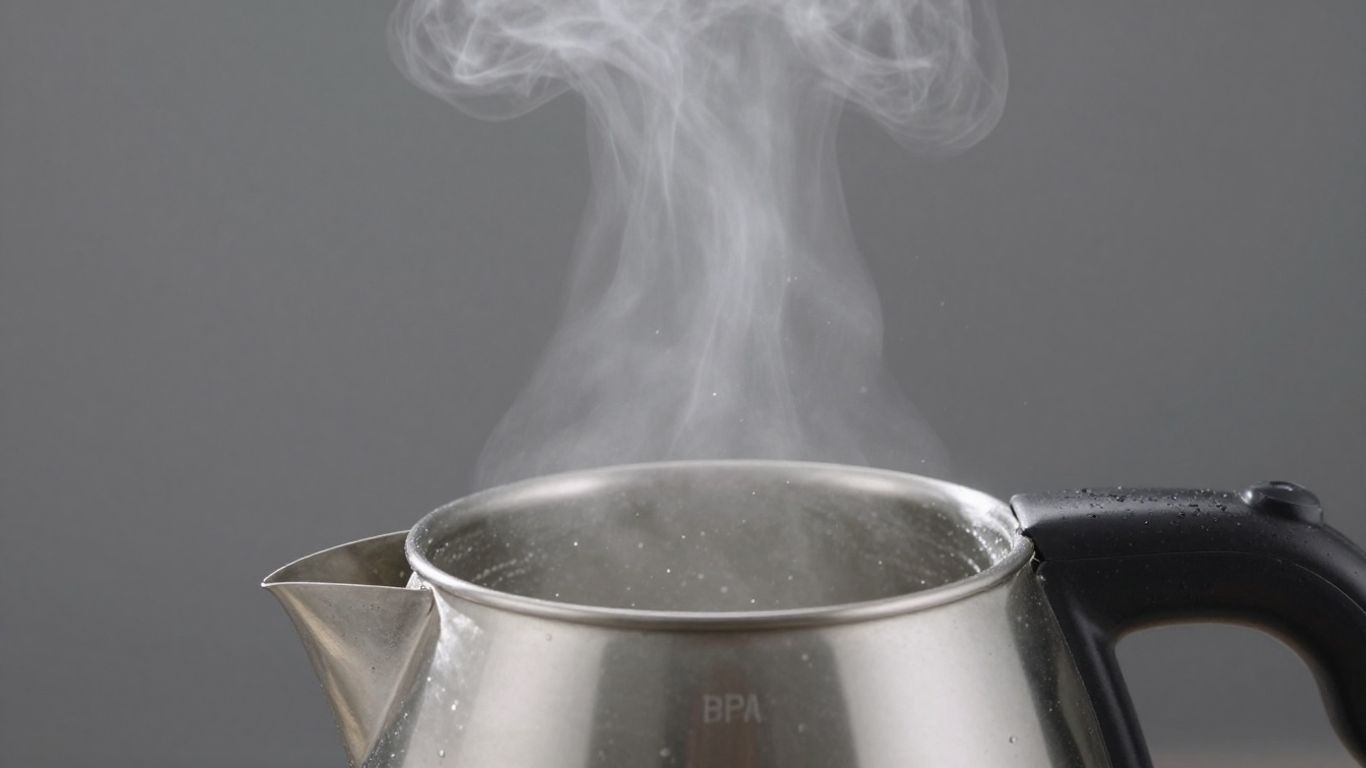
So, you’ve got a "BPA-free" plastic kettle. That sounds good, right? But here’s the thing: even without BPA, plastic can still break down and release tiny particles called microplastics. And when you’re heating water, especially to boiling point, that process can speed up quite a bit.
The Impact of Heat on Plastic Degradation
Heat is a major player when it comes to plastic breaking down. Think about it – plastic is essentially a long chain of molecules. When you apply heat, these chains can get a bit wobbly and start to break apart. This is especially true for plastics like polypropylene (PP), which is common in many kitchen appliances, including kettles. Studies have shown that higher temperatures can cause a dramatic increase in microplastic release. We’re talking potentially millions of particles being shed into your water just from the kettle itself.
The durability of microplastics means they don’t just disappear. Once released, they can persist in the environment and potentially in our bodies for a long time.
Microplastic Shedding in Polypropylene Bottles
While we’re talking about kettles, it’s worth noting what happens with plastic bottles, as the science is similar. Polypropylene (PP) is used in a huge chunk of baby bottles, and it’s known to shed microplastics. When water, especially hot water, interacts with the plastic surface, it can cause a sort of "flaking" effect. This means tiny bits of the plastic material break off and end up in whatever liquid is inside. It’s not just about wear and tear; even routine cleaning can contribute to this shedding. Some research indicates that bottles can continue releasing particles for weeks with repeated use.
Factors Contributing to Chemical Leaching
Several things can make microplastic release worse. Temperature is a big one, as we’ve mentioned. But other factors play a role too. The physical stress on the plastic – like scrubbing it too hard when cleaning – can scratch the surface and make it more prone to shedding. Over time, any visible wear, like cloudiness or scratches, is a sign that the plastic is degrading and likely releasing more particles. Even the composition of the water itself might play a part in how much microplastic is released from plastic kettles.
Here’s a quick look at how different materials stack up:
| Material Type | Microplastic Release Potential |
|---|---|
| Polypropylene (PP) | Very High |
| PPSU / Silicone | Moderate |
| Polyethylene (PE) | Moderate; increases with reheating |
| Glass / Stainless Steel | None |
Health Concerns Associated With BPA-Free Plastics
Potential Risks of Endocrine Disruptors
Even when a plastic kettle is labeled "BPA-free," it doesn’t automatically mean it’s completely safe. Many of these "free" plastics still contain other chemicals that can act like hormones in our bodies. These are called endocrine disruptors. They can mess with your body’s natural hormone system, which is pretty important for everything from growth to mood. The worry is that these substitutes might have similar effects to BPA, even if they’re not the exact same chemical. Research is ongoing, but some studies suggest these chemicals can leach out, especially when plastic is heated or scratched.
Infant Vulnerability to Chemical Exposure
Babies and young children are particularly susceptible to the effects of these chemicals. Their bodies are still developing, and their systems are more sensitive. Things like hormones are critical for proper growth and development, and endocrine disruptors can interfere with this process. It’s a big concern for parents, as many baby bottles and feeding accessories are made from plastic. While "BPA-free" labels suggest safety, many plastics still contain bisphenol substitutes that can leach into food and drinks, potentially posing risks to infant development. It’s important to be aware that "BPA-free" doesn’t always mean completely free of harmful chemicals.
Long-Term Health Implications of Microplastics
Beyond specific chemicals, there’s the issue of microplastics themselves. When plastic degrades, especially under heat or wear, it can break down into tiny particles. These microplastics can end up in our water. Studies show that these particles can cause irritation and inflammation in the gut. They might also accumulate in organs over time. The long-term effects aren’t fully understood yet, but scientists are looking into links with things like metabolic issues and even reproductive health. It’s a complex area, and more research is definitely needed to get the full picture.
Here’s a quick look at how different bottle materials stack up:
| Material Type | Market Share (Baby Bottles) | Microplastic Release Potential |
|---|---|---|
| Polypropylene (PP) | 82% | Very High (up to 16.2M particles/L) |
| PPSU / Silicone | Specialty | Moderate (1,465–5,893 particles/L) |
| Polyethylene (PE) | Storage bags | Moderate; increases with reheating |
| Glass / Stainless Steel | Alternative options | None |
The tiny plastic particles, often too small to see, can get into our bodies and potentially cause harm. They might irritate our digestive systems or even interfere with our hormones. For babies, whose bodies are still growing, this exposure is a bigger worry.
It’s a good idea to be mindful of how you use plastic items, especially when heating things. Some research suggests that temperatures above 95°F (35°C) can increase the release of certain chemicals from plastics. So, maybe think twice before microwaving your tea in a plastic kettle or using very hot water if you can avoid it. Minimizing exposure is key when we’re still learning about the full impact.
Evaluating Safer Alternatives to Plastic Kettles
So, you’re worried about plastic kettles and looking for something better? That’s totally understandable. The good news is, there are some really solid options out there that ditch the plastic altogether. When you’re thinking about what to boil your water in, materials like glass and stainless steel really shine.
The Benefits of Glass and Stainless Steel
These two materials are often recommended because they’re pretty much inert. That means they don’t react with your water, no matter how hot it gets. You won’t have to worry about chemicals leaching into your morning coffee or evening tea. Plus, they’re super easy to clean. For glass, you can usually see exactly what you’re doing, and for stainless steel, it’s tough and can handle a good scrub. Neither glass nor stainless steel has been shown to release microplastics. This is a big win for peace of mind. If you’re looking for a completely plastic-free experience, these are definitely the way to go. You can find some great plastic-free electric tea kettles made from these materials.
Silicone as a Middle-Ground Option
Now, what about silicone? It’s often touted as a safer alternative to hard plastics, and it does have some advantages. Silicone is flexible, heat-resistant, and generally doesn’t contain the same types of chemicals that worry people in traditional plastics. However, it’s not entirely perfect. Some studies suggest that silicone can still release a small number of microplastic particles, though significantly fewer than polypropylene. It’s a bit of a middle-ground choice – better than many plastics, but perhaps not as completely inert as glass or steel.
Comparing Material Safety and Microplastic Release
When you’re trying to decide, it helps to see it laid out. Here’s a quick look at how different materials stack up:
| Material | Microplastic Release | Key Advantages |
|---|---|---|
| Glass | Zero | No chemical leaching, easy to clean, odor-free |
| Stainless Steel | Zero | Durable, long-lasting, toddler-friendly |
| Silicone | Low | Soft, heat-resistant, unbreakable |
| Polypropylene | Very High | Lightweight, affordable, widely available |
When you’re choosing kitchenware, especially for heating water, think about how the material behaves under heat. Some materials degrade and release tiny particles, while others stay stable. It’s a simple concept, but it makes a big difference for what ends up in your cup.
Ultimately, if your main concern is avoiding microplastics and chemical leaching, glass and stainless steel are your top contenders. They offer the most straightforward path to a cleaner cup of water. These materials are widely recognized for their safety in kitchen applications.
Minimizing Exposure When Using Plastic Kettles
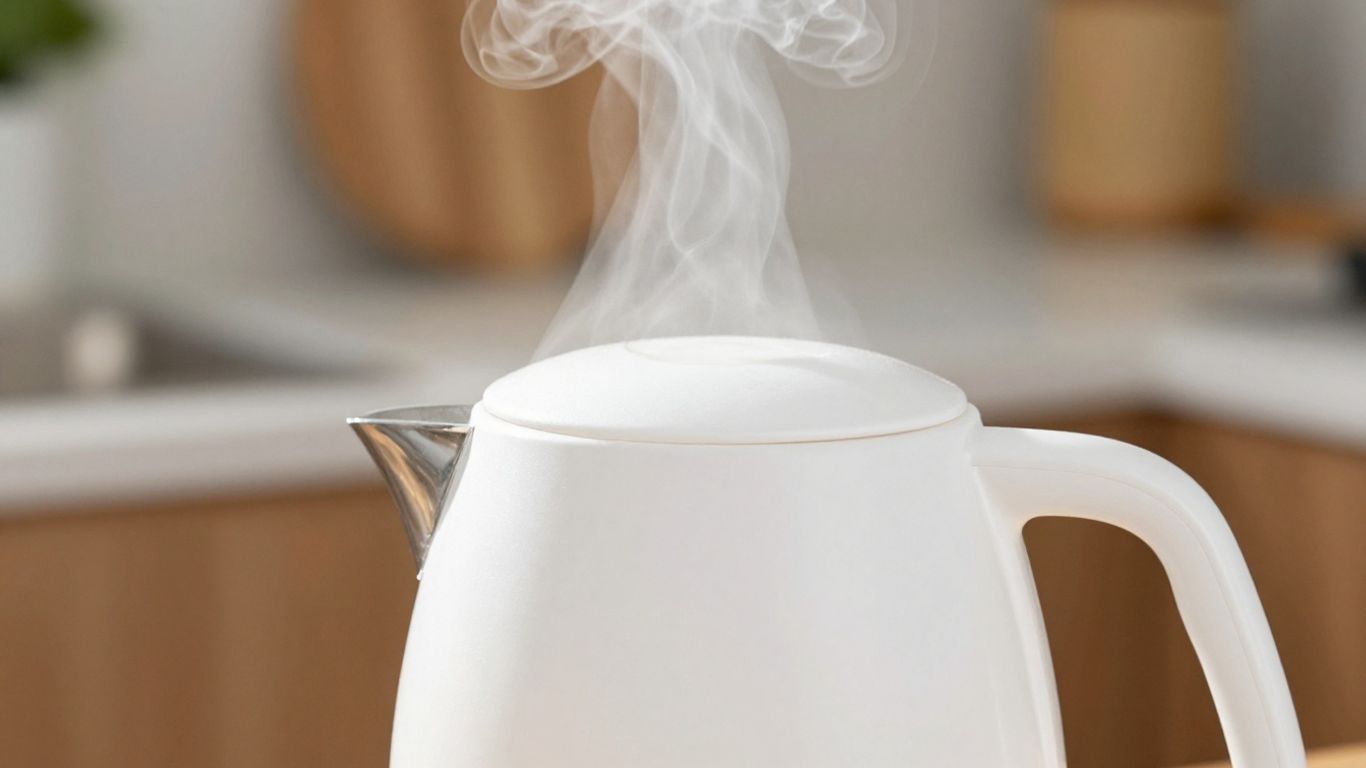
Look, nobody wants to be constantly worried about what’s leaching into their morning coffee or evening tea. While the idea of a "BPA-free" plastic kettle sounds good, we know now that other chemicals can still be an issue, and microplastics are a whole other can of worms. The good news is, you can take some steps to cut down on how much plastic stuff ends up in your cup.
Proper Cleaning and Sterilization Techniques
Cleaning your kettle properly is more than just making it look nice; it’s about reducing potential particle release. When you wash it, try to use lukewarm water and a soft sponge or cloth. Harsh scrubbing or abrasive cleaners can scratch the plastic, and those tiny scratches are like highways for microplastics to escape. If you need to sterilize it, which isn’t usually necessary for a kettle unless you’ve had some sort of contamination scare, rinse it thoroughly with room-temperature water afterward. Think of it like rinsing off any loose bits before they have a chance to settle.
Avoiding High Temperatures During Use
This is a big one. Plastic degrades faster when it’s hot, and kettles get pretty hot. While you’re not usually heating water in the plastic kettle itself (most people boil water and then pour it into the plastic kettle to keep it warm, or the kettle itself is plastic), the act of heating anything inside plastic can speed up the breakdown process. If your kettle is designed to boil water directly, be extra mindful. Even if it’s just for keeping water warm, prolonged exposure to high heat can still contribute to chemical leaching and microplastic shedding over time. It’s generally better to boil water in a glass or stainless steel container and then transfer it if you need to keep it hot in a plastic vessel, or just use the hot water immediately. This is a key point if you’re looking for safer alternatives.
Regular Inspection and Replacement of Plasticware
Think of your plastic kettle like any other plastic item you use regularly. You wouldn’t keep using a scratched-up food container, right? The same applies here. Keep an eye out for any signs that the plastic is starting to break down. This includes:
- Cloudiness or haziness in the plastic.
- Visible scratches or scuff marks on the interior or exterior.
- Any cracks, no matter how small.
- Discoloration that wasn’t there before.
If you spot any of these issues, it’s probably time to think about replacing the kettle. The older and more worn-out the plastic gets, the more likely it is to release unwanted particles. It might seem like a hassle, but it’s a simple way to reduce your exposure. When it comes to materials, stainless steel kettles are often recommended for their durability and lack of chemical leaching.
While these steps can help reduce your exposure, they don’t eliminate it entirely. For the most peace of mind, consider materials that are inherently less prone to degradation and chemical release, like glass or stainless steel.
So, What’s the Bottom Line?
When it comes to boiling water for your tea or coffee, it turns out that even BPA-free plastic kettles might not be the safest bet. Studies show that heating plastic, even without BPA, can still release tiny plastic particles, or microplastics, into your water. These little bits can end up in your body, and while scientists are still figuring out exactly what that means long-term, especially for babies and young kids, it’s probably best to cut down on exposure where we can. Switching to glass or stainless steel kettles is a pretty straightforward way to avoid this issue altogether. It might seem like a small change, but when we’re talking about our health, it’s worth considering. Plus, those materials are usually pretty durable and easy to clean, so it’s a win-win.
Frequently Asked Questions
What are microplastics and why should I care about them in my kettle?
Microplastics are tiny pieces of plastic that can break off from plastic items, especially when they get hot. When you heat water in a plastic kettle, these tiny bits can get into your water. While we’re still learning everything about them, some studies suggest they might not be good for our bodies, especially for little ones.
Are ‘BPA-free’ plastics completely safe?
Even though a plastic is labeled ‘BPA-free,’ it doesn’t mean it’s totally free of other chemicals that might leach out. Companies sometimes replace BPA with other chemicals that could also cause health issues. It’s always a good idea to be cautious.
How does heating plastic affect it?
Heat makes plastic break down faster. Think of it like leaving a plastic toy out in the sun for too long – it gets brittle and can fall apart. When you heat water in a plastic kettle, the heat can cause the plastic to release more tiny plastic particles and chemicals into the water.
What are the best alternatives to plastic kettles?
Glass and stainless steel kettles are great choices because they don’t release microplastics. They are durable and easy to clean. While silicone is also an option, glass and stainless steel are generally considered the safest bets for avoiding plastic concerns.
If I have a plastic kettle, how can I use it more safely?
To reduce your exposure, try not to let the plastic kettle get too old or show signs of wear, like scratches or cloudiness. Also, consider heating your water in a glass or ceramic container first and then pouring it into the plastic kettle if you need to keep it warm, rather than boiling water directly in the plastic.
Are children more at risk from microplastics than adults?
Yes, children, especially babies, might be more sensitive to the effects of microplastics. Their bodies are still developing, and they may not be able to get rid of these tiny plastic particles as easily as adults can. That’s why it’s extra important to be mindful of their exposure.