
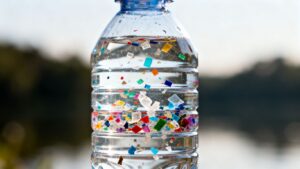
Water is pretty basic, right? We drink it all day to feel good and keep going. But what if that bottled water you grab, thinking it’s super clean, is actually bringing tiny plastic bits into your body? Studies are showing that bottled water often has more of these microplastics than tap water. I’ve been looking into this, and it’s not something to freak out about, but it does make you think about how you hydrate in 2026. Let’s break down what’s going on with microplastic in bottled water.
Key Takeaways
- Microplastics are tiny plastic pieces, often invisible, that can get into bottled water during production and from the bottle itself breaking down.
- While tap water can also have microplastics, bottled water frequently shows higher amounts, with some studies finding thousands of particles per liter.
- Consuming microplastics might lead to health issues like chronic inflammation and oxidative stress, though more research is needed on long-term effects.
- Advanced imaging techniques are helping scientists detect even smaller nanoplastics, revealing higher concentrations in bottled water than previously thought.
- Reducing intake involves using reusable bottles, effective home water filters (like reverse osmosis), and portable filtration options.
Understanding Microplastic Infiltration in Bottled Water
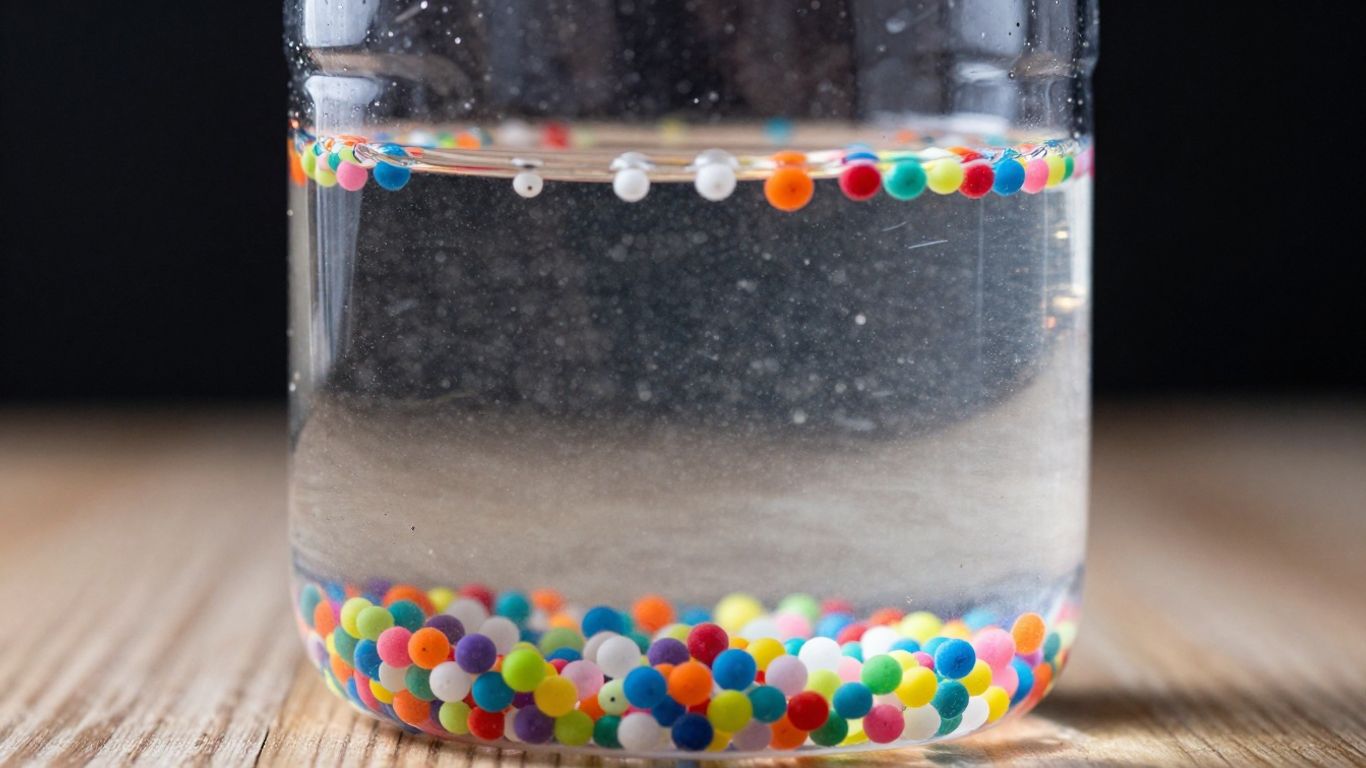
It’s pretty wild to think about, but that convenient bottle of water you grab might be carrying more than just hydration. We’re talking about microplastics – tiny bits of plastic that are becoming a big concern. These aren’t just floating around in the ocean; they’re showing up in the water we drink every day, especially bottled water.
Defining Microplastics and Nanoplastics
So, what exactly are we dealing with? Microplastics are basically any plastic fragments that measure less than 5 millimeters long. That’s smaller than a grain of rice, and often much, much smaller. Think of them as the tiny pieces left over when bigger plastic items break down. Even smaller are nanoplastics, which are less than 1 micrometer in size. These are so tiny they can’t be seen without special equipment, and they’re small enough to potentially get into our cells and tissues. The sheer number of these particles found in some bottled water brands is quite staggering.
Sources of Microplastic Contamination
Where do these little plastic bits come from? It’s a mix of things. We have ‘primary’ microplastics, which are manufactured to be small, like the microbeads that used to be in some cosmetics. Then there are ‘secondary’ microplastics, which are way more common. These form when larger plastic items, like bottles, bags, or packaging, break down over time due to sunlight, heat, or just general wear and tear. In bottled water, the contamination often happens during the bottling process itself. Think about the machinery, the plastic caps, and the bottles themselves – all these can shed tiny plastic fragments into the water. Even how the water is stored, like in warm or sunny conditions, can make this shedding worse. It’s a complex issue with multiple points of origin.
Why Bottled Water Often Contains More Microplastics
It might seem counterintuitive, but studies have shown that bottled water frequently contains higher levels of microplastics compared to tap water. This is largely due to the packaging and the manufacturing process. The friction between the plastic cap and the bottle’s opening, for instance, can release particles into the water. Additionally, the plastic materials used for the bottles themselves can degrade over time, especially when exposed to environmental factors like heat and light during storage and transportation. This means that while bottled water offers convenience, it can also be a significant source of microplastic ingestion, with some research suggesting daily users ingest a substantial amount of these particles annually. It’s a good reason to consider alternatives like reusable bottles if you’re concerned about your intake.
The convenience of bottled water comes with a hidden cost, as the production and packaging processes can introduce microplastic contaminants directly into the water supply. Understanding these sources is the first step toward making more informed choices about our daily hydration.
Potential Health Implications of Microplastic Consumption
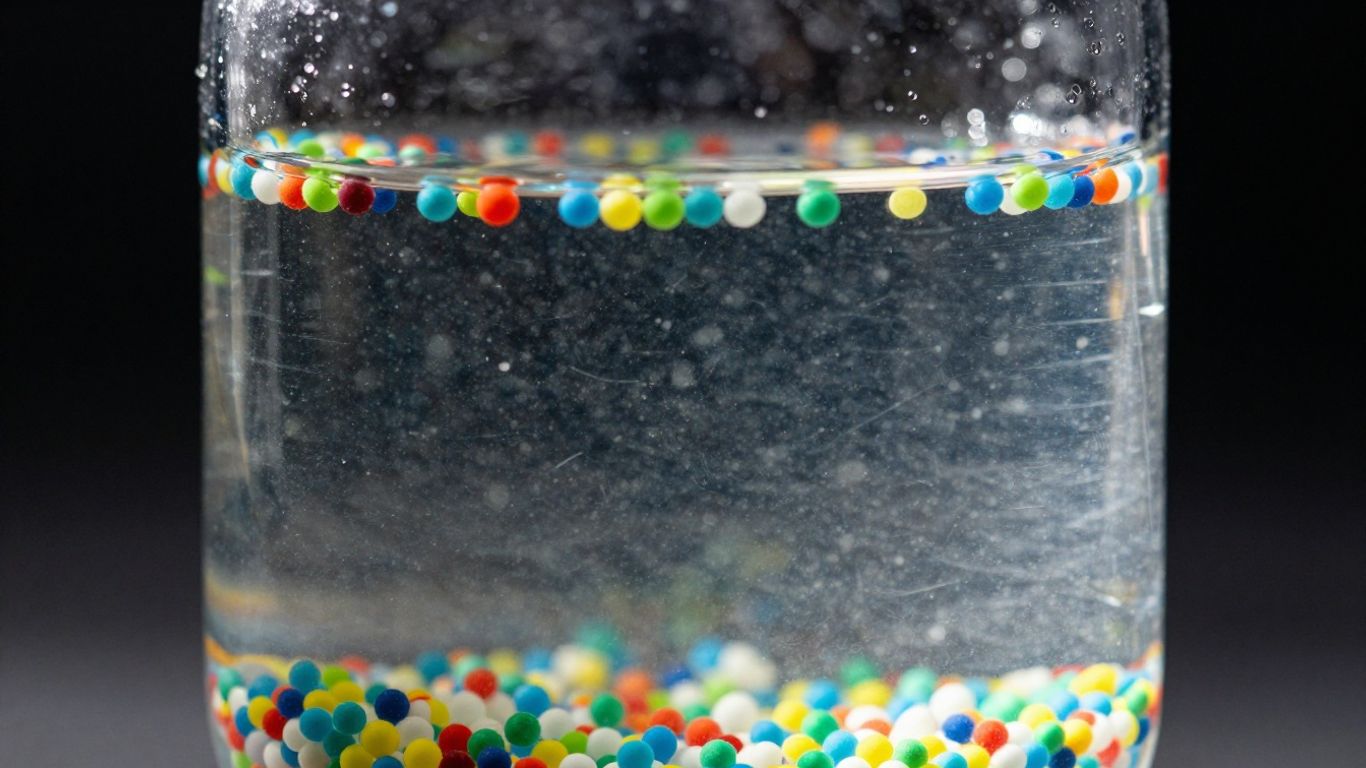
So, we’re drinking these tiny plastic bits, but what’s actually happening inside our bodies? It’s a question a lot of scientists are trying to answer right now, and honestly, the full picture is still a bit fuzzy. But what we do know is starting to paint a concerning, if not yet fully understood, landscape.
How Microplastics Enter the Human Body
It’s pretty straightforward, really. When you drink water from a plastic bottle, especially if it’s been exposed to heat or light, tiny plastic fragments can break off. These particles, ranging from visible specks down to the incredibly small nanoplastics, are then ingested. They don’t just stay in your stomach, either. Research suggests these particles can cross biological barriers, meaning they can get into your bloodstream and travel to various organs. It’s a bit like a constant, low-level invasion happening with every sip from a plastic container. This direct route from bottle to body is a major reason why bottled water often contains more microplastics than what comes out of your tap.
Chronic Inflammation and Oxidative Stress
Once these microplastics are inside, they don’t just sit there doing nothing. Think of them as foreign invaders. Your body’s immune system reacts, and this can lead to chronic inflammation. It’s like a fire that’s always smoldering, causing damage over time. On top of that, some plastics contain chemical additives, like phthalates or bisphenols, which can leach out. These chemicals, along with the physical presence of the plastic particles themselves, can cause oxidative stress. This is an imbalance that can damage your cells and is linked to a whole host of health problems, from aging faster to more serious diseases.
Emerging Research on Long-Term Effects
This is where things get really uncertain, and frankly, a little scary. While we’re seeing evidence of inflammation and oxidative stress now, the long-term consequences are still largely unknown. Studies in animals have shown effects on reproduction, metabolism, and immune function. Human data is still limited, but early findings are starting to associate higher microplastic exposure with things like increased markers for cardiovascular risk or changes in hormone systems. It’s a bit like the early days of understanding smoking – we knew it wasn’t great, but it took decades to fully grasp the extent of the damage. The World Health Organization has noted that while current levels might pose a low immediate risk, they’re calling for more research and a serious reduction in plastic pollution. It’s clear that daily exposure adds up, and we need to understand what that means for our health years down the line.
The particles we’re ingesting aren’t just inert bits of plastic. They can carry chemicals from their manufacturing process, and their physical presence can trigger responses in our bodies that we’re only just beginning to understand. This isn’t about immediate danger, but about the potential for cumulative harm over a lifetime of exposure.
The Science Behind Detecting Microplastics
So, how do scientists actually find these tiny plastic bits in our water? It’s not like they can just pull out a magnifying glass and spot them. The world of microplastics, and especially nanoplastics, is incredibly small, making detection a real challenge. Newer, advanced techniques are starting to give us a clearer picture of just how much plastic is in our bottled water.
Advanced Imaging Techniques for Nanoplastics
When we talk about nanoplastics, we’re talking about particles less than one micrometer in size. That’s smaller than a bacterium! For a long time, these were practically invisible to researchers. But things are changing. A modified imaging technique called stimulated Raman scattering (SRS) microscopy is making a big difference. It uses lasers to make specific molecules light up, and it doesn’t need special labels to find them. This method can spot plastic particles even smaller than 1 micrometer. Researchers have even developed algorithms, using machine learning, to identify different types of plastic based on their unique light signals.
Challenges in Detection and Analysis
Even with these new tools, it’s not straightforward. Different methods have their own pros and cons. Some can find really tiny particles but can’t tell you what kind of plastic it is. Others can identify the plastic type but might miss the smallest particles. Plus, the most accurate equipment is super expensive and not available everywhere. This makes it tough to get consistent results across different studies and labs worldwide. It’s a bit like trying to count grains of sand on a beach with different tools each time.
Identifying Plastic Types in Bottled Water
When scientists use these advanced methods, they’re finding a mix of plastics in bottled water. Common culprits include polyamide (a type of nylon often used in water filters) and polyethylene terephthalate (PET), which is what the bottles themselves are made of. Other plastics like polyvinyl chloride, polymethyl methacrylate, and polystyrene have also been detected. It’s pretty wild to think that the materials used to filter and contain our water might also be shedding plastic into it. The sheer number of particles found can be staggering, with some studies reporting hundreds of thousands per liter, a significant portion of which are nanoplastics.
The complexity of identifying and quantifying these minuscule plastic fragments highlights the need for standardized methods and accessible technology. Without them, truly understanding the scope of microplastic contamination and its potential impact remains a significant hurdle.
Here’s a look at some common plastics found and their potential sources:
- Polyethylene Terephthalate (PET): Used for making the bottles themselves.
- Polyamide (Nylon): Often found in water filtration systems.
- Polypropylene: Used in bottle caps and some packaging.
- Polystyrene: Sometimes used in water purification processes.
These findings underscore the importance of ongoing research and the development of better water filtration systems to address this growing concern. The ability to accurately detect and identify these plastics is a key step in understanding our exposure and finding solutions.
Reducing Your Daily Microplastic Intake
It’s easy to feel a bit overwhelmed when you start thinking about microplastics in your daily life, especially with bottled water. But honestly, making changes doesn’t have to be a huge ordeal. Small shifts can add up, and you’ve got options. Taking control of your hydration is a powerful step toward reducing your exposure.
The Role of Reusable Bottles
Switching from single-use plastic bottles to reusable ones is probably the most straightforward change you can make. Think about it: every time you buy a plastic bottle, you’re not just consuming water; you’re also potentially ingesting particles shed from the bottle itself, especially if it’s been exposed to heat or light. Studies have shown that even just opening and closing a plastic bottle can increase the microplastics inside. Opting for stainless steel, glass, or durable BPA-free plastic reusable bottles means you’re cutting out a direct source of contamination. It’s a win for your health and a win for the planet, reducing the amount of plastic waste that eventually breaks down into more microplastics. For example, choosing metal or glass reusable water bottles is a great start.
Effective Home Water Filtration Systems
If you’re serious about cutting down on microplastics, especially the really tiny ones called nanoplastics, a good home filtration system is worth looking into. Reverse osmosis (RO) systems are often cited as the most effective. They use super-fine membranes to physically trap a very high percentage of particles, often down to 0.0001 microns. This means they can catch a lot of the stuff that other filters miss. While they can be a bit more involved to install, often going under your sink, the peace of mind knowing your drinking water is significantly cleaner can be a big deal. Some systems are designed for whole-house filtration, so every tap in your home provides cleaner water. It’s a more significant investment, but for consistent protection, it’s hard to beat.
Portable Filtration Solutions for On-the-Go
Let’s be real, not everyone can have an RO system installed at home, and sometimes you’re just out and about. That’s where portable filtration comes in. There are some really neat options now, like water bottles with built-in filters. These often use advanced membrane technology to physically block microplastics. Some can filter out 99.999% of microplastics down to a certain size, plus bacteria and other contaminants. Others are more like personal purifiers you can use anywhere. These are fantastic for travel, hiking, or even just keeping at your desk at work. They give you a reliable way to drink clean water without relying on bottled options, which, as we’ve discussed, can be a significant source of microplastic intake. It’s about having options that fit your lifestyle, so you can stay hydrated without the added worry.
The convenience of bottled water often comes with hidden costs, and while research is ongoing, the evidence points towards reducing our reliance on single-use plastics for drinking water. Making conscious choices about your hydration can have a positive impact on your health and the environment.
Here’s a quick look at some filtration types:
- Reverse Osmosis (RO): Catches over 99% of particles, including nanoplastics. Best for home use, often under-sink. Requires electricity and produces wastewater.
- Membrane Filters (in bottles/pitchers): Filters out 99.999% of microplastics down to 0.2 microns. Great for portability and everyday use. Doesn’t require electricity.
- Activated Carbon Filters: Primarily removes chemicals and improves taste. Can catch some larger microplastics but less effective for smaller particles.
Remember, even tap water can have microplastics, so filtration is beneficial regardless of your primary water source. However, if you’re looking to minimize intake from bottled sources, these strategies are a great place to start. It’s about making informed decisions for your future health.
Regulatory Landscape and Future Outlook
So, what’s being done about all these tiny plastic bits showing up in our water? It’s a bit of a mixed bag, honestly. Governments are starting to pay attention, but it feels like we’re still playing catch-up.
Current Regulations on Plastic Bottles
Right now, most regulations are focused on things like plastic bags, straws, and food packaging. You know, the stuff we see littering the streets and beaches. But when it comes to plastic bottles, the ones we drink from daily? There’s not a whole lot of specific oversight. It’s kind of wild when you think about how much we rely on them. Some places in the US and Canada are making moves, but a unified approach is still a long way off. The EPA is looking into how microplastics fit under the Safe Drinking Water Act, which is a step, especially after some governors petitioned them to act [c68b].
The Need for a Global Framework
We really need a worldwide plan for this. Plastic pollution doesn’t stop at borders, and neither should our efforts to control it. Right now, it feels like different countries are doing their own thing, and that’s just not going to cut it. A global framework would help standardize testing, set limits, and encourage innovation in plastic alternatives and recycling. It’s a complex problem that requires a coordinated response, not just isolated efforts. The EPA is also proposing actions that could lead to future rules on microplastics and other contaminants in drinking water [7909].
Plastic Pollution as a Public Health Challenge
Let’s be clear: this isn’t just an environmental issue anymore. It’s a public health challenge. Access to clean water is a basic right, and relying on plastic bottles that might be leaching tiny particles into our bodies isn’t a sustainable long-term solution. We need to think about how we can ensure safe drinking water for everyone without contributing to this growing problem. It’s about more than just reducing waste; it’s about protecting our health.
- Focus on reducing single-use plastics.
- Invest in better water filtration technologies.
- Support policies that hold plastic producers accountable.
- Educate the public about the risks and solutions.
The reality is, we can’t just wait for regulations to catch up. Taking personal responsibility for reducing our exposure, through choices like using reusable bottles and effective home filtration, is a smart move for our health right now.
So, What’s the Takeaway?
Look, bottled water is convenient, and for a long time, we thought it was the safest bet. But the science is showing us that those tiny plastic bits are showing up in our drinks more than we realized. It’s not something to freak out about right now, but it is a good reason to maybe rethink how much bottled water we’re chugging. Simple switches, like using a reusable bottle or getting a decent filter for your tap water, can make a real difference in cutting down on what you’re consuming. Plus, less plastic bottle waste means less plastic breaking down out there in the world. It’s about making small, smart choices for our health and the planet, one sip at a time.
Frequently Asked Questions
What exactly are microplastics and nanoplastics?
Microplastics are super tiny pieces of plastic, smaller than a sesame seed. Think of them as fragments less than 5 millimeters long. Nanoplastics are even smaller, so tiny you can’t see them without special tools, often less than one-thousandth of a millimeter. They come from bigger plastics breaking down or are made small on purpose.
How do these tiny plastic bits get into bottled water?
It’s a bit of a mix. Some plastic bits can come from the environment, like dust settling into the water. But a big reason bottled water has them is from the manufacturing process itself. Tiny bits can break off from the plastic bottles, caps, and the machines used to fill them. Heat and light can also make the plastic shed more particles.
Are microplastics in bottled water harmful to my health?
Scientists are still studying this closely. While current research suggests the risk from the levels found in water might be low for now, these tiny plastics can carry chemicals from their manufacturing. Some studies link long-term exposure to things like inflammation and stress in our bodies. More research is needed to understand all the long-term effects.
Is tap water a safer option than bottled water regarding microplastics?
Tap water can also contain microplastics, often from old pipes or pollution. However, studies frequently show bottled water has higher amounts. The quality of tap water can vary a lot depending on where you live, so filtering your tap water at home can be a good way to ensure it’s cleaner, no matter the source.
What are some easy ways to reduce the amount of microplastics I consume?
A great first step is to use reusable water bottles instead of single-use plastic ones. This not only cuts down on your exposure but also helps reduce plastic waste. Using a water filter at home, especially one designed to catch small particles, can also significantly lower your intake.
Are there any filters that can effectively remove microplastics from water?
Yes, there are! Systems like reverse osmosis are very effective at trapping tiny particles, even nanoplastics. For portable options, water bottles with built-in filters using fine membranes are a good choice. Even pitcher filters can remove a significant amount of microplastics, making your daily water much cleaner.