
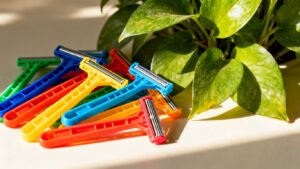
So, you know those plastic razors you grab without a second thought? Turns out, they’re a bigger deal than we realized. We’re talking mountains of waste and tiny plastic bits getting into everything. It’s easy to just toss them, but maybe it’s time we looked at what we’re really throwing away. This article is going to break down why plastic razors are a problem and what we can do about it, without making things too complicated.
Key Takeaways
- Billions of plastic razors end up in landfills each year, where the plastic can stick around for over 100 years.
- Most plastic razors are made from mixed materials, making them difficult or impossible to recycle through regular programs.
- The convenience of disposable plastic razors comes at a high environmental cost, including pollution and the creation of microplastics.
- Reusable safety razors and options made from biodegradable materials offer more sustainable alternatives to single-use plastic razors.
- Making the switch to eco-friendly shaving products, even small ones, can significantly reduce your personal waste and environmental impact.
The Environmental Toll Of Plastic Razors
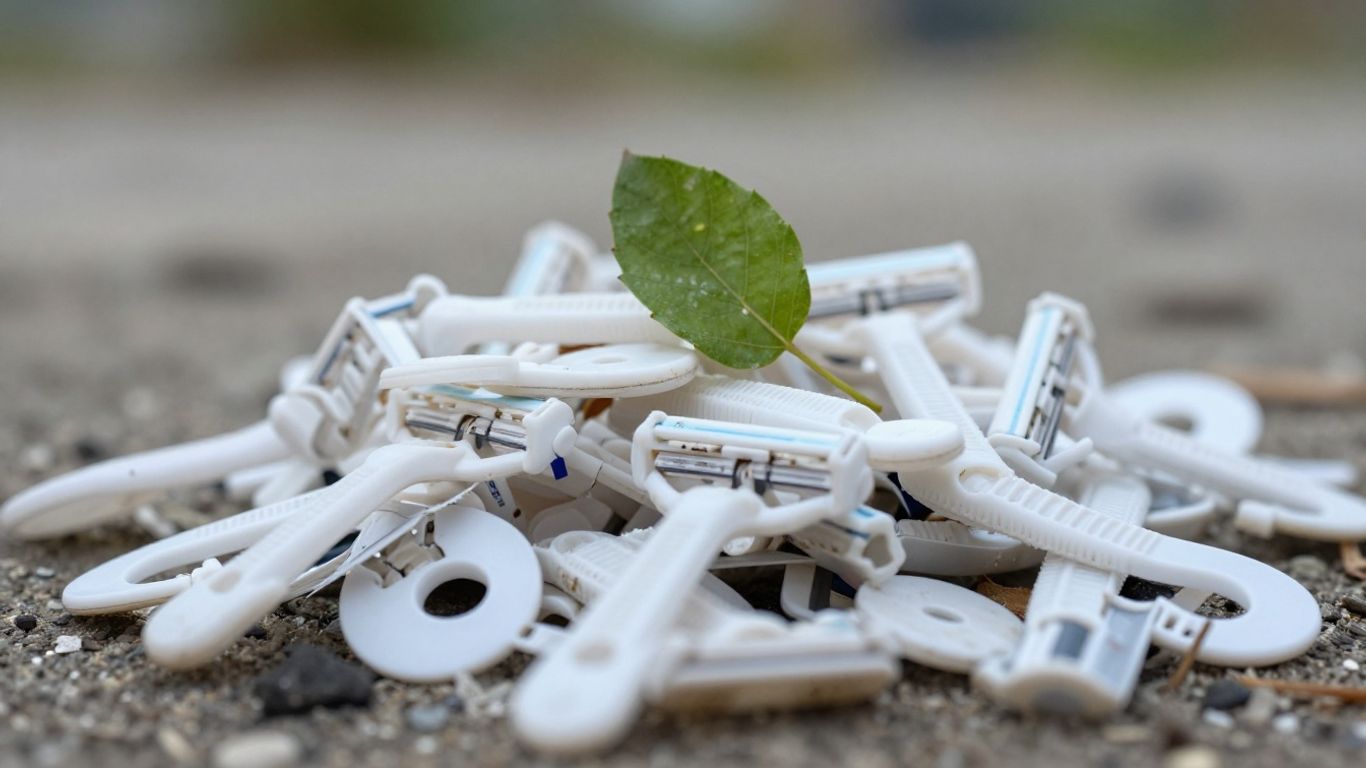
It’s easy to grab a cheap plastic razor off the shelf and not think twice about it. They’re everywhere, right? But have you ever stopped to consider where all those razors go after you’re done with them? It turns out, they’re creating a pretty big problem for our planet.
Billions Of Plastic Razors In Landfills
Think about it: most people toss their disposable razors after just a few uses. Multiply that by millions of people, every single day. The numbers are staggering. In the US alone, it’s estimated that over 2 billion plastic razors end up in landfills each year. That’s a mountain of plastic that just sits there, doing nothing but taking up space. This reliance on single-use items contributes significantly to the global plastic crisis.
The Longevity Of Plastic Waste
Here’s a fun fact: plastic doesn’t really go away. Those razors you throw out? They’re made from petroleum-based plastics that can stick around for hundreds of years. They don’t break down like organic stuff does. So, every plastic razor ever made is still technically somewhere on Earth, just slowly degrading into smaller pieces. It’s a bit of a grim thought, isn’t it?
Microplastics In Our Ecosystem
As these plastic razors slowly break down over decades, they don’t just disappear. They turn into tiny particles called microplastics. These little bits can get into our soil, our water, and eventually, our food chain. It’s a cycle that’s hard to escape, and the long-term effects on both wildlife and human health are still being studied. We’re essentially polluting our own nest with these discarded grooming tools. Making a switch to a more sustainable razor is a step towards a greener grooming routine [d43d].
The convenience of disposable razors comes at a steep environmental price. Their production uses fossil fuels, and their disposal creates waste that persists for centuries, breaking down into harmful microplastics that infiltrate our ecosystems.
Convenience Versus Conscious Choices
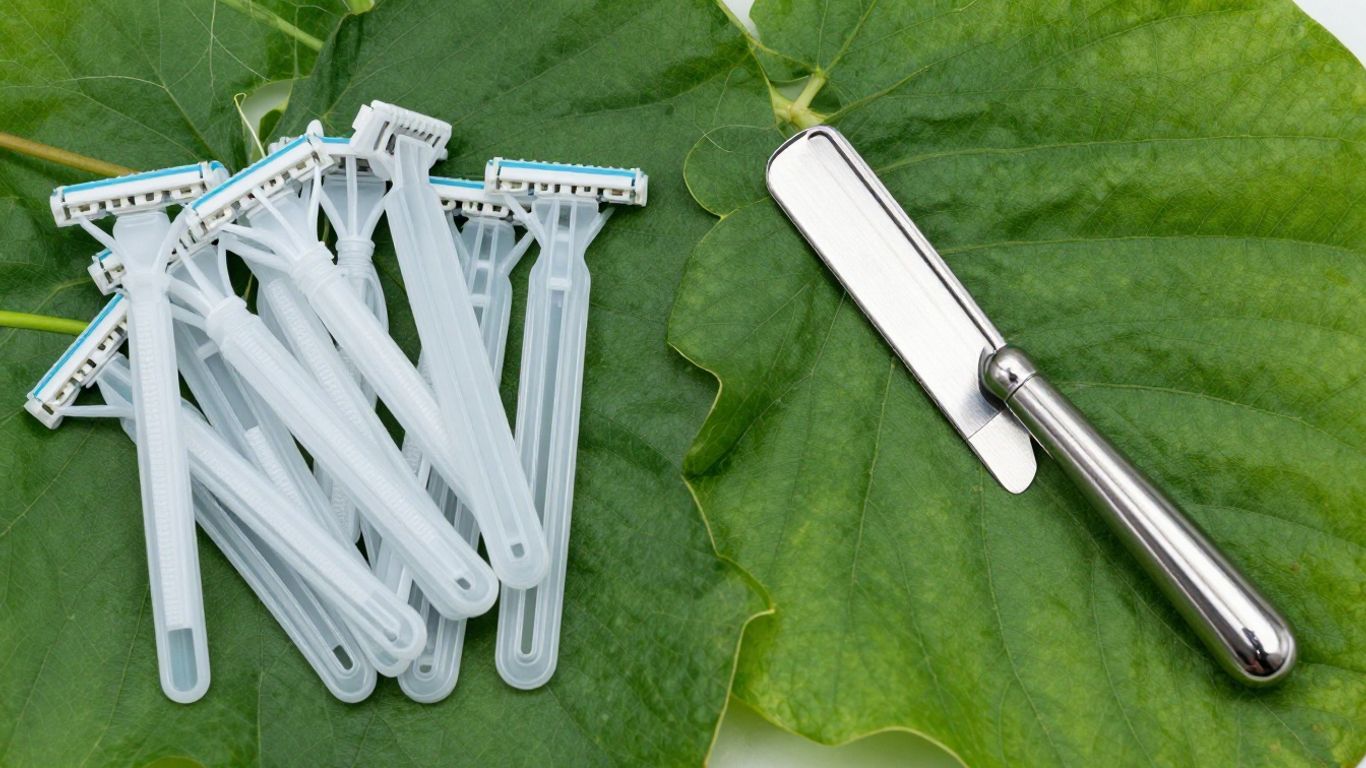
Let’s be real, disposable razors are just so easy. You grab one, use it, toss it, and don’t think twice. It’s the ultimate convenience, right? For years, that’s been the go-to for many of us. But this ease comes with a pretty hefty environmental price tag. We’re talking billions of plastic razors ending up in landfills every single year, and they stick around for ages, like, over 100 years. It’s a lot of plastic that just doesn’t go away.
So, what’s the deal? Why do we keep reaching for the disposables?
- Instant Gratification: No fuss, no cleaning, just a quick shave and a clean disposal.
- Low Upfront Cost: A single disposable razor is cheap, making it an easy impulse buy.
- Familiarity: It’s what most of us grew up with, so it feels normal.
But this convenience is starting to feel a bit… outdated. We’re becoming more aware of the waste we create, and that constant stream of plastic is hard to ignore. It makes you pause and think, "Is there a better way?" The appeal of disposable razors is undeniable, but the long-term impact is becoming increasingly hard to justify.
The culture of disposability, especially with plastic items, is a major issue. We’re using materials derived from fossil fuels, which aren’t renewable, for products we use just once. It’s a cycle that doesn’t make much sense anymore.
Making a switch isn’t always simple. It means rethinking our daily routines and maybe learning a new way to shave. It might feel like a small thing, but when you consider the collective impact, it really adds up. Every person choosing a more sustainable option contributes to a larger shift. It’s about moving from a mindset of "use and toss" to one that values longevity and mindful consumption. This shift towards sustainable shaving is gaining momentum, and it’s exciting to see more options becoming available. For those looking to start, transitioning to plastic-free shaving is a great first step.
It’s not just about smooth skin anymore; it’s about making choices that feel good and do good for the planet. The good news is, there are alternatives out there. For instance, switching to a reusable safety razor can drastically cut down on waste and save you money over time. It’s a small change, but it’s a start.
The Evolution Of Shaving Tools
Shaving hasn’t always been about quick, disposable plastic. Think way back – people used sharpened shells, stones, or even obsidian for grooming. It was a much more involved process, often done with tools that required skill and care. Then came the straight razor, a classic for a reason. These were serious pieces of metal, designed to last a lifetime if you knew how to maintain them. You’d hone and strop them before each use, making shaving a deliberate ritual.
From Straight Razors To Disposables
The big game-changer arrived around the turn of the 20th century. King C. Gillette introduced the safety razor with disposable blades in 1901. This was huge! It made shaving safer and way more accessible for the average person. No more mastering the tricky angle of a straight razor; just swap out the blade. This innovation really kicked off the idea of replaceable parts and, eventually, the fully disposable razor we know today. Brands like Bic really pushed the fully disposable plastic razor concept in the 1970s, prioritizing convenience above all else.
The Rise Of Eco-Friendly Materials
For decades, plastic disposables dominated, leading to mountains of waste. But thankfully, things are shifting back. We’re seeing a return to quality materials and reusable designs. Companies are now exploring options like bamboo, sugar cane, and other bio-based materials for razor handles. It’s like we’re coming full circle, but with modern twists. This move towards better materials is a direct response to the environmental problems caused by single-use plastics. It’s about making tools that are not only functional but also kinder to the planet.
Innovations In Razor Design
Today, the focus is on creating razors that are both effective and sustainable. We’re seeing reusable razors made from durable metals like stainless steel or aluminum, designed to last for years. Some brands are even experimenting with 99% bio-based materials for their handles, significantly cutting down on carbon emissions compared to traditional plastics. The goal is to combine the precision and comfort of older designs with the environmental consciousness of today. It’s about making shaving a more thoughtful practice, from the tool you use to the impact it has.
The journey of shaving tools shows a clear trend: from highly skilled, lifelong tools to convenient, disposable items, and now, a resurgence of durable, reusable options that consider our planet’s health.
Here’s a quick look at how shaving tools have changed:
- Ancient Times: Sharpened stones, shells, obsidian – required significant skill.
- 18th-19th Century: Straight razors – durable, but required honing and stropping.
- Early 20th Century: Safety razors with disposable blades – improved safety and accessibility.
- Late 20th Century: Fully disposable plastic razors – maximum convenience, minimal lifespan.
- 21st Century: Reusable razors (metal, eco-materials), focus on sustainability and longevity.
Understanding Razor Materials And Recycling
It’s a bit of a puzzle, isn’t it? You finish with your plastic razor, and you toss it in the bin. But where does it actually go? The truth is, most disposable razors aren’t designed for your local recycling bin.
The Challenge Of Mixed Materials
Disposable razors are often made from a cocktail of different materials. You’ve got the plastic handle, sometimes with a rubbery grip for better handling. Then there’s the head, which usually contains metal blades all snug inside a plastic casing. Separating these bits and pieces is a big hurdle for recycling facilities. They’re not set up to handle such complex combinations.
Why Most Plastic Razors Aren’t Recyclable
Because of this mix, recycling plants often can’t make a profit from processing them. The cost and effort to break them down outweigh the value of the materials. So, even if you put them in your curbside bin, they usually end up in the landfill anyway. It’s a bummer, I know. Some companies are trying to tackle this, though. For instance, there are programs that allow you to mail in used razors for specialized recycling, like the one offered by TerraCycle. It’s an extra step, but it’s an option if you’re really trying to cut down on waste.
Local Recycling Guidelines Matter
Here’s the thing: recycling rules can be super different from one town to the next. What works in one place might not work in another. Your best bet is always to check your local municipality’s website. They’ll have the most up-to-date info on what they accept. Sometimes, if you can separate the cartridge from the handle, and your local program accepts all hard plastics, you might be able to recycle the handle part. But don’t just guess – always look up your specific local recycling guidelines to be sure. It really does make a difference.
Sustainable Alternatives To Plastic Razors
So, you’re done with the endless cycle of plastic razors piling up. That’s a great first step! Luckily, the world of shaving has been evolving, and there are some really solid options out there that are kinder to the planet. It’s not just about ditching plastic; it’s about choosing tools that last and materials that don’t stick around for centuries.
The Benefits Of Reusable Safety Razors
These have been making a big comeback, and for good reason. Think of a classic safety razor – usually made of metal, like stainless steel or brass. You buy the handle once, and then you just replace the small, recyclable blades. This dramatically cuts down on waste compared to throwing away an entire plastic razor every few weeks. It might seem a little intimidating at first, but honestly, most people get the hang of it pretty quickly. Plus, the shave can be incredibly smooth, often better than what you get from a multi-blade plastic cartridge. It’s a bit of an investment upfront, but over time, it actually saves you money. You can find some great options designed for both face shaving and body grooming.
Exploring Biodegradable Options
If metal feels a bit too much, there are also razors made from more earth-friendly materials. Some companies are now making razors with handles from bamboo, which is a fast-growing, renewable resource. Once you’re done with it, it can biodegrade, which is a huge win over plastic. Even the blades themselves can often be recycled separately. It’s a nice middle ground if you want something that feels more familiar than a safety razor but is still a big improvement over standard disposables. Some brands are even experimenting with handles made from plant-based plastics or other compostable materials.
Choosing Brands With Recycled Packaging
Beyond the razor itself, pay attention to how it’s packaged. Many companies that are serious about sustainability are also ditching virgin plastic for their packaging. You’ll see more cardboard, recycled paper, or even compostable materials. It might seem like a small detail, but when you add up all the packaging from every razor bought, it really does make a difference. Looking for brands that are transparent about their materials and their commitment to reducing waste is key. It shows they’re thinking about the whole lifecycle of their product, not just the part that ends up in your shower.
Making A Difference With Every Shave
It might seem like a small thing, just a razor, right? But honestly, the choices we make every day, even about something as simple as shaving, really do add up. We’re talking about billions of plastic razors ending up in landfills each year, and that’s a huge amount of waste that sticks around for ages. Making a conscious switch to a more sustainable option is easier than you might think, and it has a real impact.
The Impact Of Small Switches
Think about it: if just half a million people decided to ditch their plastic disposables for a reusable alternative, we could prevent millions of razors from hitting the trash. That’s a significant chunk of plastic waste avoided, and it’s not just about the razors themselves. It’s also about the manufacturing process, the packaging, and the transportation – all of which contribute to our carbon footprint. Choosing a razor designed for longevity, like a good quality safety razor, means you’re not constantly replacing a whole plastic item. You’re just swapping out a small, recyclable blade. It’s a simple change, but when many people make it, the collective effect is pretty powerful.
Reducing Your Carbon Footprint
When we talk about carbon footprint, it’s easy to get overwhelmed. But shaving is one area where you can make a tangible difference without a massive lifestyle overhaul. Disposable razors often involve more energy and resources to produce and ship compared to a reusable metal handle and replaceable blades. Plus, many brands are now focusing on using recycled materials in their packaging or even in the razors themselves. Some companies are even making razors from bio-based materials, which can significantly cut down on CO₂ emissions. It’s about supporting brands that are actively trying to do better for the planet, not just for their bottom line.
Supporting Eco-Conscious Brands
So, how do you actually do this? Start by looking at the brands you’re buying from. Are they transparent about their materials and manufacturing? Do they offer recycling programs for their blades? Some companies are making great strides, like using recycled cardboard for packaging or offering razors designed to follow your body’s curves Leaf Two. Others are focusing on bio-based materials and Swedish steel blades for a cleaner shave. It’s about voting with your wallet for companies that align with your values. Even small steps, like choosing a razor with recycled packaging, contribute to a larger movement towards a more sustainable future for shaving. It’s not just about getting a smooth shave; it’s about doing it responsibly.
So, What’s the Verdict?
Look, we all want that smooth shave, right? And for a long time, those cheap plastic razors seemed like the easiest way to get it. But as we’ve seen, that convenience comes with a pretty big environmental price tag. Billions of those razors end up in landfills, hanging around for ages. The good news is, we don’t have to keep doing things that way. Switching to a reusable razor, maybe one made from metal or bamboo, is a simple change that really adds up. It might take a tiny bit more effort to find the right one or to recycle the blades, but honestly, it’s a small step for us that makes a real difference for the planet. So next time you’re in the market for a new razor, think about the long game. Your skin and the Earth will thank you.
Frequently Asked Questions
Why are plastic razors bad for the environment?
Plastic razors create a lot of waste because they’re designed to be thrown away after a few uses. Billions of them end up in landfills each year, where they can take over 100 years to break down. As they break apart, they can turn into tiny pieces called microplastics, which can get into our water and food.
Are disposable razors recyclable?
Most disposable razors are not recyclable. They’re usually made from a mix of different materials like plastic and metal, which makes them hard for recycling centers to sort and process. Even if you remove the blade, the plastic parts often can’t be recycled through your regular curbside bin.
What are the benefits of using a safety razor?
Safety razors are a great eco-friendly choice because they are reusable. You only need to replace the small metal blade, which is usually recyclable. The main part of the razor, often made of metal, can last for many years, meaning much less waste goes into landfills compared to disposable razors.
Are there any eco-friendly disposable razor options?
Yes, some companies are making razors from more sustainable materials like bamboo or plant-based plastics. These might be biodegradable or easier to dispose of responsibly. It’s also good to look for brands that use recycled materials for their packaging.
How can switching razors help the planet?
Even a small change, like switching from disposable plastic razors to a reusable one, can make a big difference. If many people make this switch, it can prevent millions of plastic razors from ending up in landfills and reduce the demand for new plastic production, which uses energy and resources.
What should I do with my used razor blades?
Recycling used razor blades is important. Some companies offer special programs to collect and recycle them. You can also look into blade banks or check with your local recycling center to see if they accept them, as metal blades can often be recycled separately.