
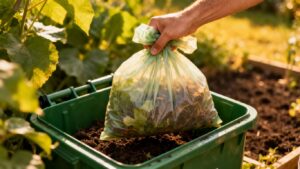
It feels like we’re all trying to do our part for the planet these days, right? One small change that can actually make a difference is what we use for our trash. You know, those plastic bags we just toss out without much thought? Well, there’s a better way. Compostable rubbish bags are becoming a popular choice for folks looking to be a bit greener at home. They’re made from plants, break down way faster than regular plastic, and can even help your garden. Let’s look at why making the switch to compostable rubbish bags might be a good idea for your household.
Key Takeaways
- Traditional plastic trash bags stick around for ages, polluting land and water, and harming wildlife. They also use up resources we can’t easily replace.
- Compostable rubbish bags are made from plants and are designed to break down naturally, turning into compost instead of lingering waste.
- Using compostable rubbish bags is a simple way to support your composting habits, whether it’s for kitchen scraps or yard waste.
- While they might cost a little more, compostable rubbish bags are a worthwhile investment for reducing landfill burden and plastic pollution.
- Choosing the right compostable bags means checking for certifications and storing them properly so they can do their job effectively.
Understanding The Environmental Impact Of Traditional Trash Bags
The Lingering Threat Of Plastic Pollution
Most trash bags we grab from the store are made of plastic, and that plastic doesn’t just disappear when we toss it. It sticks around. For a really, really long time. We’re talking hundreds of years, sometimes even longer. This means that every plastic bag ever made is likely still out there somewhere, slowly breaking down into smaller and smaller pieces, but never truly going away. These tiny plastic bits, called microplastics, end up everywhere – in our soil, our water, and even the air we breathe. It’s a persistent problem that affects our planet on a massive scale.
Greenhouse Gas Emissions From Decomposing Plastics
When plastic trash bags end up in landfills, they don’t just sit there inertly. As they slowly degrade, especially in the anaerobic (oxygen-free) conditions common in landfills, they release gases. The main culprit here is methane, a greenhouse gas that’s significantly more potent than carbon dioxide in the short term. This contributes to warming our planet, making climate change worse. It’s a hidden environmental cost of our everyday trash.
Risks To Wildlife And Ecosystems
Plastic bags that escape landfills or are improperly disposed of often find their way into natural environments, like rivers, lakes, and oceans. This poses a serious danger to animals. Birds, fish, turtles, and marine mammals can get tangled in plastic bags, making it hard for them to move, feed, or escape predators. They might also mistake pieces of plastic for food, leading to internal blockages and starvation. This isn’t just a problem for individual animals; it disrupts entire ecosystems.
Depletion Of Non-Renewable Resources
Making traditional plastic trash bags requires resources that we can’t easily replace. The primary ingredients come from petroleum and natural gas. These are finite resources, meaning we’re using up something that took millions of years to form, and once it’s gone, it’s gone. Using these non-renewable materials for something as disposable as a trash bag seems like a pretty inefficient use of valuable resources that could be used for other, more critical purposes.
The sheer volume of plastic bags produced and discarded annually is staggering. This constant cycle of production and disposal places an immense strain on our planet’s resources and contributes significantly to pollution, impacting everything from soil health to marine life.
Here’s a quick look at the issues:
- Longevity: Plastic bags can persist in the environment for centuries.
- Pollution: They break down into harmful microplastics.
- Resource Use: Production relies on finite fossil fuels.
- Wildlife Harm: Entanglement and ingestion are major threats.
The Advantages Of Compostable Rubbish Bags For Your Home
Biodegradable By Design
Compostable rubbish bags are made with the end of their life cycle in mind. Unlike traditional plastic bags that can stick around for hundreds of years, these bags are designed to break down naturally. When placed in the right conditions, like a commercial composting facility or a well-managed home compost pile, they decompose into nutrient-rich compost. This process significantly reduces the amount of waste that ends up in landfills, where decomposition is much slower and can release harmful gases.
Sourced From Renewable Plant-Based Materials
One of the biggest wins for compostable bags is what they’re made from. Instead of relying on fossil fuels, which are non-renewable, these bags are typically crafted from plant-based materials. Think cornstarch, sugarcane, or other plant derivatives. This shift to renewable resources helps reduce our dependence on finite resources and supports a more circular economy. It’s a small change in your bin, but it adds up when many households make the switch.
Versatile Applications In Household Waste Management
Don’t think compostable bags are just for food scraps! They’re surprisingly versatile. You can use them for:
- Kitchen Compost Bins: Perfect for collecting fruit peels, vegetable scraps, coffee grounds, and other organic kitchen waste.
- Yard Waste: Managing leaves, grass clippings, and small garden trimmings becomes much cleaner and more eco-friendly.
- General Household Trash: For non-recyclable, non-compostable items that you still want to dispose of in a more responsible way, especially if your local waste management has specific guidelines.
While compostable bags are a great step forward, it’s important to remember they need the right environment to break down effectively. Simply tossing them in a regular landfill might not give them the conditions they need to decompose properly. Always check your local composting guidelines to make sure you’re using them to their full potential.
Making The Switch To Compostable Trash Bags
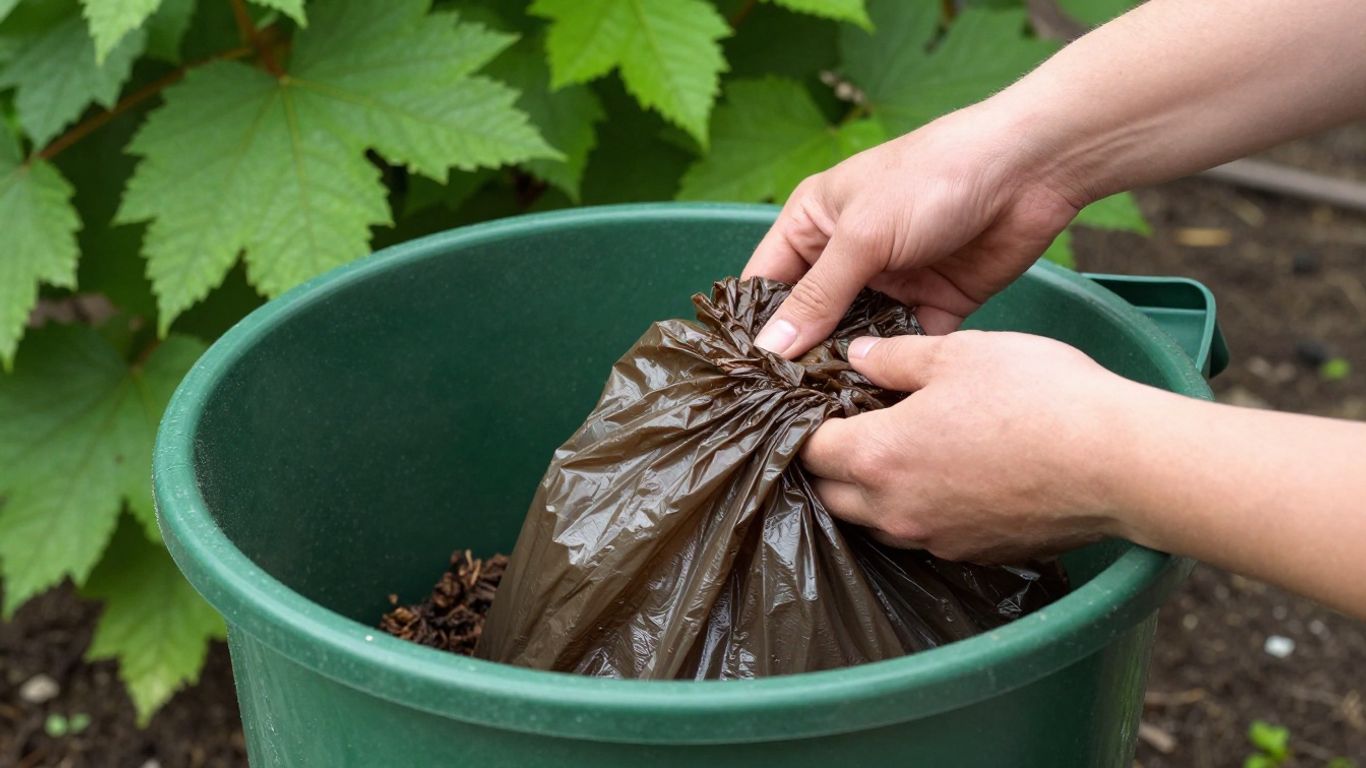
So, you’re thinking about swapping out those old plastic trash bags for something a bit kinder to the planet? That’s a great move! It might seem like a small change, but honestly, it adds up. Plastic bags can hang around for ages, way longer than we’ll ever be around, and that’s a problem.
Are Compostable Rubbish Bags Worth The Investment?
Let’s get real: compostable bags might cost a little more upfront than the cheap plastic ones. But when you think about what you’re getting, it’s a pretty good deal. You’re not just buying a bag; you’re investing in less plastic cluttering up landfills and oceans. Plus, they help turn your food scraps and yard waste into something useful – compost! It’s a win-win, really. They’re not a magic fix for everything, but they’re a solid step in the right direction.
Here’s a quick look at why they make sense:
- Reduced Plastic Waste: They break down much faster than regular plastic, meaning less long-term trash.
- Resourceful Materials: They’re made from plants, which can be grown again, unlike the oil used for plastic.
- Compost Creation: They help make nutrient-rich soil from your organic waste.
- Less Pollution: They help cut down on microplastics getting into the environment.
The biggest hurdle is making sure they actually get composted. If they just end up in a regular landfill without the right conditions, they won’t break down as intended. So, it’s about more than just the bag itself; it’s about how we dispose of it.
Reducing Landfill Burden With Compostable Options
Every time you use a compostable bag for your kitchen scraps or yard waste, you’re doing a couple of good things. First, you’re keeping that organic stuff out of the landfill. When food waste sits in a landfill, it produces methane, a greenhouse gas that’s way worse for the climate than carbon dioxide. Compostable bags, when properly composted, avoid this issue. They break down into natural elements like water, carbon dioxide, and biomass, which is way better than lingering plastic.
Supporting Your Composting Habits
If you’re already into composting, or thinking about starting, compostable bags are a natural fit. They make collecting your food scraps super easy and clean. You can just tie up the bag and toss it straight into your compost bin, whether that’s a backyard pile or a municipal collection service. This makes the whole composting process less messy and more convenient, encouraging you to stick with it. It’s a simple way to make sure your composting efforts are as effective as possible, turning waste into a valuable resource for your garden or local community.
Practical Integration Of Compostable Bags Into Daily Life
So, you’ve decided to give compostable rubbish bags a try. That’s awesome! Now, how do you actually start using them without making a mess or feeling overwhelmed? It’s actually pretty straightforward, and once you get the hang of it, it feels like a no-brainer.
Lining Your Kitchen Compost Bin
This is probably the most common place to start. If you have a small bin on your counter for fruit peels, coffee grounds, and veggie scraps, lining it with a compostable bag makes cleanup a breeze. You just gather up the scraps, tie the bag, and toss it into your larger compost bin or take it to a collection facility. It keeps your kitchen bin from getting gross and smelly.
- Collect food scraps like vegetable peels, eggshells, and coffee filters.
- Avoid adding meat, dairy, or oily foods if your home composting system can’t handle them.
- When the bag is full, tie it securely and transfer it to your main compost setup.
Managing Yard Waste Sustainably
Got a pile of leaves or grass clippings? Compostable bags are great for collecting and transporting yard waste. Instead of plastic bags that just sit in a landfill, these bags will break down along with the organic material, turning into valuable compost. This is especially handy if your local municipality offers a green waste collection service that accepts compostable bags.
General Household Trash Alternatives
While not all compostable bags are designed for heavy-duty general trash, many are perfectly capable of handling everyday household waste. Think about the trash in your bathroom or office. If it’s mostly paper, packaging, and other non-food waste, a compostable bag can be a good choice here too. It’s about making a conscious decision to divert as much waste as possible from the landfill.
Remember, the key to compostable bags working their magic is getting them to the right place. They need to be processed in a composting facility, whether that’s your backyard setup or a municipal one. Just tossing them in your regular trash bin means they’ll likely end up in a landfill, where they won’t break down properly.
Choosing The Right Compostable Rubbish Bags
So, you’re ready to make the switch to compostable rubbish bags. That’s awesome! But before you grab the first "eco-friendly" looking bag you see, let’s talk about how to pick the right ones. It’s not as simple as just grabbing any bag that claims to be green. We need to make sure they actually do what they say they’ll do.
Understanding Certifications For Compostability
This is probably the most important part. You’ll see a lot of bags labeled "biodegradable," "plant-based," or "compost-friendly." While those sound good, they don’t always mean the bag will break down properly in a composting system. The real deal comes with certifications. Look for logos from reputable organizations. In North America, the Biodegradable Products Institute (BPI) is the go-to. If a bag has the BPI Certified logo, it means it’s been tested and proven to break down under specific commercial composting conditions. Without this certification, a bag might just end up as shredded plastic in your compost pile, which is the opposite of what we want.
Materials Used In Compostable Bag Production
Compostable bags are usually made from plant-based materials. Think corn starch, sugarcane, or cellulose. These renewable resources are a much better alternative to the fossil fuels used for traditional plastic bags. Some bags might be a blend, using a percentage of recycled materials along with plant-based plastics. When you’re looking at bags, check the packaging to see what they’re made of. This can give you a better idea of their environmental footprint and how they’re likely to perform. For example, bags made from sugarcane can be quite strong, similar to paper, while still being compostable.
Proper Storage For Optimal Quality
Even the best compostable bags won’t last forever if you don’t store them right. They’re made from natural materials, so they can degrade over time, especially if exposed to the wrong conditions. Keep your compostable bags in a cool, dry place, away from direct sunlight. Think of it like storing paper – you wouldn’t leave it out in the rain, right? Storing them properly helps maintain their strength and integrity until you’re ready to use them. This way, you won’t end up with a bag that falls apart when you’re trying to carry your kitchen scraps to the compost bin.
Beyond Compostable Bags: Further Sustainable Home Practices
Compostable bags are a fantastic step, but they’re just one piece of a bigger puzzle when it comes to making your home more eco-friendly. Think of it like this: you wouldn’t just buy a reusable water bottle and then forget about all the other single-use plastics you use, right? Same idea here. We need to look at our whole waste stream and figure out where else we can trim down.
Reducing Overall Waste Generation
This is probably the most impactful thing you can do. It’s about being more mindful before you even bring stuff into your house. Think about packaging – can you buy in bulk? Can you choose items with less plastic wrap? It sounds simple, but small changes add up. For instance, instead of buying individual yogurts, maybe get a big tub and portion it out. Or bring your own containers to the grocery store for things like deli meats or bulk nuts.
- Opt for products with minimal packaging.
- Choose reusable over single-use whenever possible.
- Plan meals to avoid food waste, a major contributor to household trash.
Mastering Proper Recycling Techniques
Recycling is great, but only if we do it right. Putting the wrong things in the blue bin can contaminate the whole batch, meaning it all ends up in the landfill anyway. It’s worth checking your local municipality’s website to see exactly what they accept. Things like plastic bags, greasy pizza boxes, and certain types of plastic packaging often can’t be recycled curbside.
Here’s a quick rundown of common recycling mistakes:
- Bagging recyclables: Most places want your recyclables loose in the bin, not in a plastic bag.
- Rinsing containers: While you don’t need to scrub them spotless, a quick rinse prevents contamination and pests.
- Knowing what’s not recyclable: Things like Styrofoam, plastic film, and broken glass are usually a no-go for curbside programs.
Contamination is a big problem in the recycling world. When people toss in items that don’t belong, it can ruin entire loads of otherwise good recyclables, sending them straight to the landfill. Taking a few minutes to check the rules makes a real difference.
Embracing Reuse and Repurposing
Before you toss something, ask yourself: can this be used again? Glass jars are perfect for storing leftovers or pantry staples. Old t-shirts can become cleaning rags. Even cardboard boxes can be used for storage or given away for moving. It’s about seeing the potential in everyday items rather than just seeing them as trash.
- Glass jars: Use for food storage, organizing small items, or even as simple vases.
- Plastic containers: Keep for leftovers, packing lunches, or organizing drawers.
- Old clothing: Cut up for cleaning rags, use for craft projects, or donate if still wearable.
Making the Switch: A Small Change for a Big Difference
So, we’ve talked about why those regular plastic trash bags are kind of a big problem for the planet, hanging around for ages and causing all sorts of issues. But the good news is, switching to compostable bags is actually pretty straightforward. It’s not some complicated thing you have to do. You just start using them for your kitchen scraps or whatever else you’re tossing. They break down way faster and don’t leave behind that yucky plastic mess. It might cost a tiny bit more upfront, sure, but think of it as an investment in keeping our landfills from overflowing and our oceans a little cleaner. It’s a simple swap that really adds up when we all do it.
Frequently Asked Questions
What exactly are compostable trash bags?
Think of compostable trash bags as a special kind of garbage bag. Instead of being made from regular plastic that sticks around forever, they’re made from plants, like corn or sugarcane. This means that when they’re put in the right conditions, like a compost pile or a special facility, they can break down into natural things like soil, water, and carbon dioxide in just a few months. It’s a much quicker and cleaner way for them to disappear compared to plastic bags that can take hundreds of years to break down.
Are compostable bags really better for the environment than regular plastic ones?
Yes, they generally are! Regular plastic bags are a big cause of pollution because they don’t break down easily. They can end up in oceans, harming animals, and they also release harmful gases as they slowly break apart. Compostable bags, on the other hand, are designed to break down naturally. When they do, they turn into useful compost instead of harmful waste. This helps reduce the amount of plastic filling up landfills and polluting our planet.
Do compostable bags break down in my regular trash bin?
Not usually. Compostable bags need specific conditions to break down properly, like being in a hot compost pile or a special industrial composting facility. If you just throw them in your regular trash bin, they’ll likely end up in a landfill where they might not get the right environment to decompose quickly. For them to work their magic, you need to make sure they go to a place that can actually compost them.
Can I use compostable bags for all my trash?
Compostable bags are fantastic for organic waste like food scraps and yard trimmings. Many people also use them for their kitchen trash. However, for things like diapers or certain types of packaging, they might not be the best choice, and they won’t break down in a regular landfill. It’s best to use them for the waste that’s meant to be composted or as a better alternative for general trash when you can’t compost it.
How do I know if a compostable bag is truly compostable?
Look for certifications on the packaging! Organizations like the Biodegradable Products Institute (BPI) or specific home composting certifications mean the bags have been tested and proven to break down correctly. These labels are your guarantee that the bag will do what it promises when placed in the right composting environment.
Are compostable trash bags more expensive than regular plastic ones?
Sometimes, compostable bags might cost a little more upfront than the cheapest plastic bags. However, many people feel it’s a worthwhile investment. When you think about the long-term damage plastic bags cause to our environment, paying a bit extra for a sustainable option that helps reduce pollution and supports a healthier planet makes a lot of sense.