
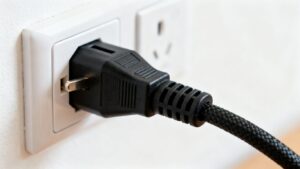
So, you’ve probably seen those power cords that come with your computer, printer, or maybe even your TV. They look pretty standard, right? Well, most of them are actually a type of cable called an IEC power cable. And that familiar cord you use for your electric kettle? It’s often called a ‘kettle lead,’ and it’s a specific kind of IEC cable too. Understanding these cables, what they’re for, and how to use them safely can save you a lot of hassle and keep your gadgets running smoothly. Let’s break down what makes these common power connectors tick.
Key Takeaways
- A ‘kettle lead’ is a common name for a specific type of IEC power cable, often used for appliances like kettles, but also for many electronic devices.
- IEC power cables follow international standards set by the International Electrotechnical Commission (IEC) to ensure compatibility and safety across different devices and regions.
- Common IEC connector types include C13/C14 (for computers and peripherals), C15/C16 (for higher temperatures like kettles), and C19/C20 (for high-power equipment).
- When choosing an IEC cable, consider its current and voltage ratings, the operating environment, desired length and flexibility, and look for relevant safety certifications.
- Always connect and disconnect IEC cables with power off, avoid forcing plugs, use cables with the correct power rating, and regularly check for damage to ensure safe operation.
Understanding the Kettle Lead
What is a Kettle Lead?
So, what exactly is a kettle lead? You might have heard it called a UK mains lead, an IEC cable, or just a power cord. The name ‘kettle lead’ comes from the fact that it looks a lot like the cable used to power an electric kettle. Pretty straightforward, right? These cables are technically known as IEC power cables and are used to connect a wide range of electrical devices to a power source.
While they look similar, there’s a slight technical difference between the connector most commonly used for things like computers and monitors (the IEC C13) and the one actually found on many kettles, which is often an IEC C15. The C15 has a little notch that stops it from being plugged into a C13 socket, which is designed for lower temperatures. So, while they share a family resemblance, they aren’t always interchangeable.
Technical Differences in Kettle Leads
When we talk about kettle leads, we’re usually referring to cables that use IEC 60320 connectors. These connectors come in different types, each suited for specific jobs. The most common ones you’ll run into are:
- C13 Connector: This is the standard female connector found on the power supply cord. It’s rated for up to 10A and 250V, making it perfect for most computers, monitors, printers, and other common electronics.
- C14 Connector: This is the male connector, typically found on the back of devices like power supplies (PSUs) or uninterruptible power supplies (UPS). It mates with the C13 connector.
- C15 Connector: This is similar to the C13 but is designed for higher temperatures, often found on appliances like kettles or some server equipment. It has a small notch to prevent it from being plugged into a standard C13 socket.
- C16 Connector: This is the male counterpart to the C15, also designed for higher temperatures.
It’s important to know these differences because using the wrong cable could be a safety issue, especially with devices that generate a lot of heat.
Common Applications for Kettle Leads
Because of their widespread use and standardized design, kettle leads (or IEC power cables) are found everywhere. You’ll see them:
- Powering desktop computers and monitors.
- Connecting printers and scanners to the wall socket.
- Supplying power to audio-visual equipment like amplifiers and projectors.
- In server rooms, connecting servers and network equipment.
- Even powering some kitchen appliances that require a bit more juice than a standard plug.
Basically, if you have an electronic device that needs a reliable connection to the mains power and has a C14 inlet, chances are it uses a kettle lead with a C13 connector.
Exploring IEC Power Cable Standards
The Role of the International Electrotechnical Commission
So, what exactly is the International Electrotechnical Commission, or IEC? Think of them as the global rule-makers for all things electrical and electronic. They’re the folks who get together and decide on the standards that make sure your gadgets can talk to the power grid, no matter where you are in the world. This standardization is a big deal because it means a computer monitor bought in the US can use the same kind of power cord as one bought in Europe, with a few connector variations, of course. It’s all about making things safe and compatible.
IEC 60320 Connectors Explained
When we talk about IEC power cables, especially the ones you see on your computer or TV, we’re usually talking about the IEC 60320 standard. This standard covers a whole family of connectors designed to plug into appliances and power outlets. You’ll see different letter and number combinations, like C13, C14, C19, and C20. These aren’t just random labels; they tell you a lot about the connector’s shape, size, and what it’s designed to handle in terms of power.
Here’s a quick rundown of some common IEC 60320 connectors:
- C13/C14: This is the most common pair you’ll find. The C13 is the female connector on the cable that plugs into your device (like a computer or monitor), and the C14 is the male connector on the device itself. They’re rated for up to 10 amps and 250 volts.
- C19/C20: These are beefier connectors, often used for high-power equipment like servers or in data centers. They look a bit different, with a more robust design, and can handle up to 16 amps at 250 volts.
- C15/C16: You might see these on appliances that get hot, like kettles or some types of heaters. They’re designed to handle higher temperatures, up to 120°C, while still maintaining a 10-amp, 250-volt rating.
Distinguishing IEC 60309 from IEC 60320
It’s easy to get IEC 60309 and IEC 60320 mixed up, but they serve pretty different purposes. IEC 60320 is what we’ve been talking about – the standard for those familiar appliance power cords. IEC 60309, on the other hand, is for a different beast altogether. These are typically larger, more rugged connectors designed for industrial and heavy-duty applications. Think of the big, round, often brightly colored plugs you see on construction sites or in workshops for high-power machinery. They’re built to withstand tougher environments and handle much higher currents and voltages than the standard IEC 60320 connectors.
The key difference lies in their application. IEC 60320 is for connecting everyday electronics and appliances to standard wall outlets, focusing on user convenience and general safety. IEC 60309 is for industrial settings, demanding robust construction to handle significant electrical loads and harsh conditions, often involving specialized equipment.
Key Features of IEC Power Cables
When you’re looking at IEC power cables, there are a few things that really stand out and make them different from just any old cord. It’s not just about getting power from point A to point B; it’s about doing it safely and reliably for specific jobs. Let’s break down what makes these cables tick.
Understanding Current and Voltage Ratings
Every cable has limits, and for IEC power cables, the current (measured in Amps or A) and voltage (measured in Volts or V) ratings are super important. Think of the current rating like the maximum amount of water a pipe can handle without bursting. If you try to push too much current through a cable that’s not rated for it, it can get hot, melt, or even cause a fire. The voltage rating tells you the maximum electrical pressure the cable’s insulation can withstand. You always want to match these ratings to your device’s needs and the power source. Trying to use a low-rated cable for a high-demand device is a recipe for trouble.
Here’s a quick look at some common ratings:
| Cable Type | Max Current (A) | Max Voltage (V) |
|---|---|---|
| C13/C14 | 10 | 250 |
| C15/C16 | 10 | 250 |
| C19/C20 | 16 | 250 |
| C5/C6 | 2.5 | 250 |
The Importance of Cable Length and Flexibility
It might seem obvious, but the length of your IEC cable really matters. Too short, and your equipment might not reach the outlet, leading to awkward setups or the need for extension cords, which can sometimes be less safe. Too long, and you end up with a tangled mess behind your desk or entertainment center, which isn’t great for airflow or just keeping things tidy. Flexibility is also a big deal. A cable that’s too stiff can be hard to route around furniture or into tight spaces. It can also put stress on the connectors if it’s constantly being pulled or bent at sharp angles. Finding a cable with just the right amount of length and a good level of flexibility makes a big difference in how usable and neat your setup is.
When you’re managing a lot of equipment, especially in a server room or a home office with multiple devices, the way your cables are managed can impact not just aesthetics but also airflow and ease of maintenance. A well-chosen cable length and a flexible jacket can prevent strain on both the cable and the connected devices.
Material Composition and Insulation Types
The stuff the cable is made of and how it’s insulated affects its durability, safety, and how it performs in different conditions. The outer jacket is usually made of PVC or rubber, which provides protection against physical damage and environmental factors. Inside, you’ve got the conductors, typically copper, and then the insulation around those conductors. Different insulation materials have different properties. For instance, some cables are designed to be more heat-resistant, like the C15/C16 types used near kettles, which can handle temperatures up to 120°C. Others might be designed to be more resistant to oil or chemicals if they’re going to be used in an industrial setting. The quality of these materials directly impacts the cable’s lifespan and its ability to prevent electrical shorts or hazards.
Selecting the Right IEC Cable
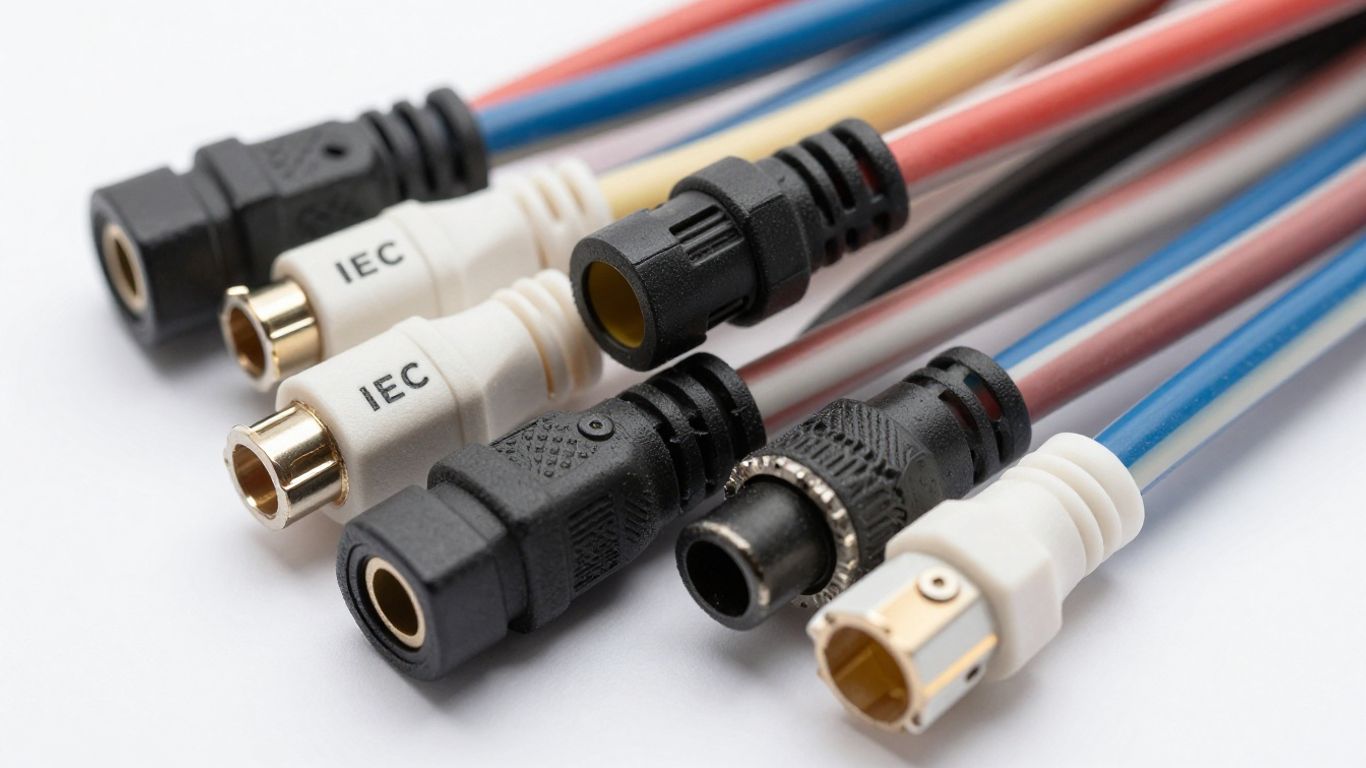
Alright, so you’ve got your device, and you know it needs an IEC power cable. But which one? It’s not just a grab-and-go situation, believe me. Picking the wrong cable can lead to all sorts of headaches, from your equipment not working right to, well, worse things. Let’s break down how to make sure you grab the correct one.
Matching Connectors to Your Device
This is pretty straightforward, but super important. You need to look at the port on your device and the plug on the cable. They have to be a perfect match. The most common one you’ll see is the C13 connector on the cable end that plugs into your device, often paired with a C14 on the other end that goes into the power strip or wall socket. But there are others. For high-power gear like servers, you’ll often see C19 to C20 connectors. And for things that get a bit warm, like kettles, you might need a C15 to C16 cable. Always double-check the connector type against your device’s manual or the existing cable.
Considering the Operating Environment
Where is this cable going to live? Is it going to be tucked away behind a desk, or is it going to be near something that generates heat? For instance, if you’re powering a device that runs hot, like some kitchen appliances or industrial equipment, you’ll want a cable designed for higher temperatures. Cables with C15 connectors, for example, can handle more heat than standard C13 cables. Think about it: you wouldn’t use a regular extension cord near a fireplace, right? Same idea here, just with electricity.
Certification and Compliance Standards
This is where things can get a little technical, but it’s worth paying attention to. You’ll see markings like UL, CSA, and of course, IEC. These are basically stamps of approval, showing that the cable has been tested and meets certain safety and performance standards. It’s like getting a good review for a product – it gives you some confidence. Different regions might have slightly different requirements, but sticking to internationally recognized standards like those from the IEC is generally a safe bet. It means the cable is built to handle what it says it can handle, safely.
Here’s a quick rundown of what to look for:
- Connector Type: C13/C14 (most common), C19/C20 (high power), C15/C16 (heat resistant).
- Current Rating (Amps): Make sure it matches or exceeds your device’s needs.
- Voltage Rating (Volts): Usually 250V for most standard IEC cables.
- Certifications: Look for marks like UL, CSA, VDE, or IEC standards.
Choosing the right IEC cable isn’t just about plugging something in. It’s about making sure the connection is safe, reliable, and suitable for the specific job it needs to do. A little bit of attention now can save you a lot of trouble down the line, especially when dealing with power. For high-demand equipment, selecting the correct IEC C19 power cord is particularly important to avoid issues like overheating or unexpected shutdowns.
Connecting and Maintaining Your Kettle Lead
Alright, let’s talk about getting your kettle lead hooked up and keeping it in good shape. It might seem straightforward, but a few simple steps can make a big difference in safety and how long your gear lasts.
Safe Connection Procedures
First things first, safety. Always make sure both the device and the power outlet are switched off before you plug anything in or pull it out. This is super important to avoid any nasty shocks or damaging your equipment. Find the correct port on your device – it’ll usually be a C14 or C19 connector, depending on what your device needs. Line up the pins carefully with the socket on the device. Don’t force it; if it’s not going in smoothly, double-check the alignment. Once it’s in, give it a gentle push until it feels snug. A loose connection can cause problems, so make sure it’s seated properly. After everything is connected, you can turn on your device and then the power supply.
Here’s a quick rundown:
- Turn off the device and the power source.
- Align the IEC connector pins with the device’s port.
- Push the connector in firmly until it’s fully seated.
- Turn on the power source, then the device.
Common Mistakes to Avoid
People often make a couple of common slip-ups when connecting these cables. Forgetting to turn things off before plugging or unplugging is a big one. Another mistake is trying to jam a connector into a port it doesn’t fit. This can bend or break the pins, making the cable useless. Also, using a cable that isn’t rated for the power your device needs is a recipe for disaster – think overheating and potential fires. Always check the cable’s rating against your device’s requirements. It’s also worth noting that some devices, like electric kettles, use a specific type of connector, the C15, which has a notch to prevent it from being plugged into lower-temperature sockets. This is a safety feature to ensure the right cable is used for the job.
Using the correct cable for the job isn’t just about convenience; it’s a fundamental safety measure. Mismatched or damaged cables can lead to electrical faults, equipment damage, and even fire hazards. Always inspect your cables before use and ensure they meet the specifications of your connected equipment.
Regular Inspection and Maintenance
Keeping an eye on your kettle leads and other IEC power cables is pretty simple but really pays off. You don’t need to be an electrician to do it. Just give them a quick look-over now and then. Check for any signs of wear and tear, like fraying on the cable itself, cracks in the plastic insulation, or bent pins on the connectors. If you spot any damage, it’s time to replace the cable. Don’t try to repair it yourself; that’s usually not safe. Also, keep the connectors clean. Dust and grime can build up, affecting the connection. A quick wipe with a dry, soft cloth usually does the trick. For devices that get hot, like some kitchen appliances or certain types of computer equipment, it’s especially important to ensure the kettle lead’s base is clean and making good contact. Regular checks help prevent unexpected issues and keep your equipment running smoothly.
Common IEC Cable Configurations
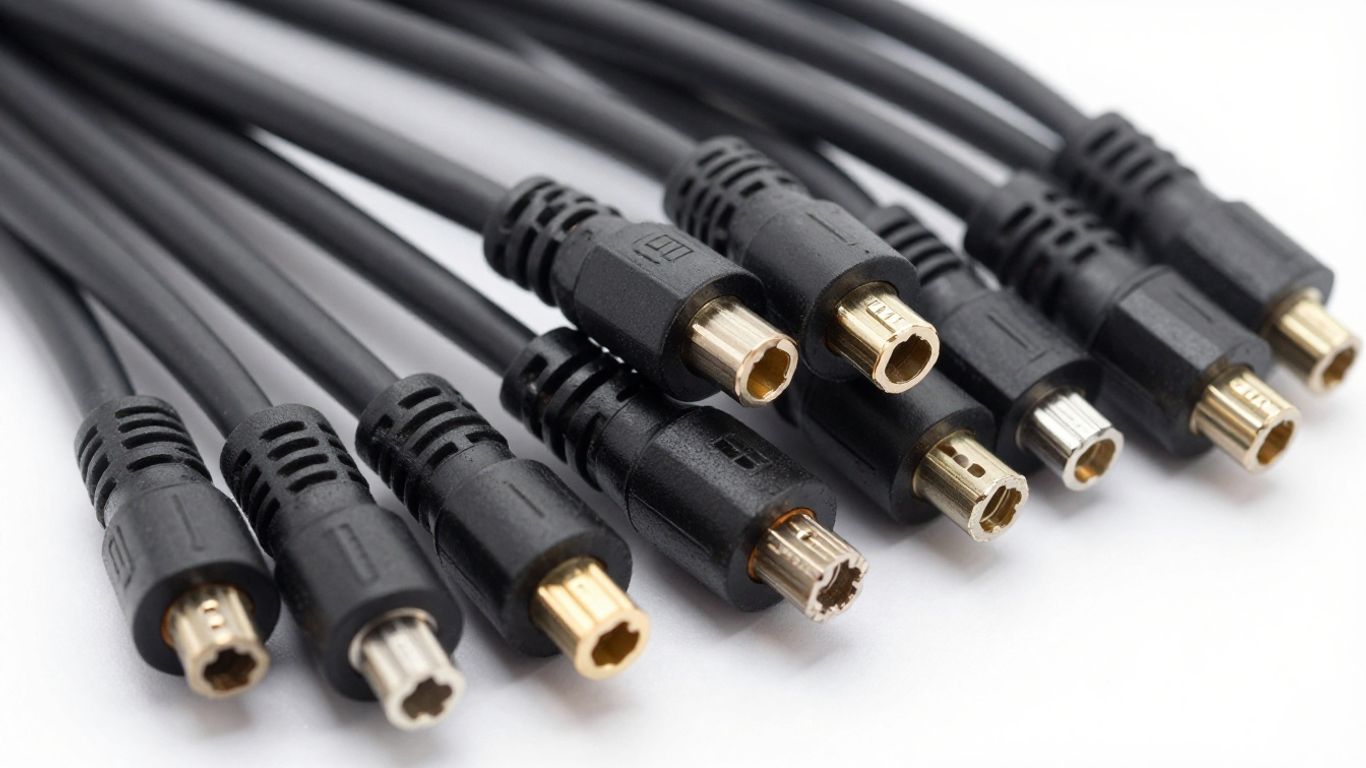
IEC power cables come in a few main flavors, each designed for a specific job. It’s not just about plugging something in; it’s about making sure the cable can handle the power your device needs and fits correctly. Think of them like different types of plugs for different appliances – you wouldn’t use a shaver adapter for your toaster, right? The International Electrotechnical Commission (IEC) set these standards so things are consistent and safe, no matter where you are.
The Versatile C13 to C14 Connection
This is probably the most common type you’ll run into. The C13 connector plugs into the device (like a computer monitor or printer), and the C14 connector goes into the power supply, often a power strip or the back of a desktop PC. They’re rated for up to 10 amps and 250 volts, which is plenty for most everyday electronics. It’s the go-to for standard computer peripherals.
High-Power C19 to C20 Cables
When you’ve got equipment that really draws a lot of power, like servers in a data center or big audio equipment, you need something beefier. That’s where the C19 to C20 configuration comes in. These cables are built to handle higher currents, typically up to 16 amps, while still maintaining the 250-volt rating. If you’re setting up a server rack or a professional studio, you’ll likely be using these. When selecting an IEC C19 power cord, consider the current load. For most server applications, a 14 AWG or 12 AWG cord is recommended. The 14 AWG cord is suitable for specific current requirements.
Specialized C15 to C16 Cables for Heat
Some devices get pretty warm during operation, and a standard cable might not cut it. That’s where the C15 to C16 cables shine. These are designed to handle higher temperatures, often up to 120°C, making them ideal for appliances like kettles, coffee makers, or even some types of heaters. They usually have the same 10-amp, 250-volt rating as the C13/C14 cables but offer that extra heat resistance. It’s a small detail, but it makes a big difference in safety and reliability for hot-running equipment.
Here’s a quick look at the common types:
- C13 to C14: Standard for computers, monitors, printers.
- C19 to C20: For high-power devices like servers and networking gear.
- C15 to C16: Designed for heat-generating appliances such as kettles.
Choosing the right cable configuration isn’t just about fitting the plug; it’s about matching the cable’s capacity to your device’s needs. Using the wrong cable, especially one that can’t handle the power or heat, can lead to overheating, damage, or even a fire hazard. Always check the ratings and intended use.
Wrapping It Up
So, there you have it. We’ve gone over what these IEC power cables, or ‘kettle leads’ as some folks call them, actually are. They’re pretty standard stuff, really, designed to keep things safe and compatible across different gadgets and places. Remember to always check the ratings, make sure you’re getting the right connector for your device, and never force a plug. A little bit of attention now can save you a headache, or worse, down the road. Keep an eye on your cables for any wear and tear, and if something looks dodgy, swap it out. It’s not complicated, but it matters.
Frequently Asked Questions
What exactly is a ‘kettle lead’?
A ‘kettle lead’ is just a common name for a specific type of power cable. Technically, it’s known as a UK Mains Lead or an IEC power cable. The name comes from the fact that it’s the same kind of cable used to power electric kettles and many other electronic devices like computers and monitors.
What’s the difference between IEC 60309 and IEC 60320?
IEC 60320 is a standard for connectors used on power cords for common electronic devices, like the C13/C14 type you see on computers. IEC 60309, on the other hand, is for heavy-duty industrial connectors that can handle tough conditions and high amounts of power, often seen in factories or workshops.
How do I know if I’m picking the right IEC power cable?
To choose the right cable, make sure the connectors match your device and the power outlet. Also, check that the cable’s current (amps) and voltage (volts) ratings are high enough for your device. Think about where you’ll use it – some cables handle heat better than others. And always pick cables that meet safety standards.
Can I use any IEC cable as an extension cord?
You can use an IEC power cable as an extension cord, but only if it has the correct connectors and is rated for the right amount of voltage and current for your specific needs. It’s important that the cable and its connectors are suitable for the job to avoid problems.
What are the most common types of IEC power cables?
The most common type is the C13 to C14 cable, often used for computers and monitors. For devices that need more power, like servers, you’ll often find C19 to C20 cables. Cables like C15 to C16 are used for devices that get hot, such as kettles.
What are the key things to remember when connecting an IEC cable?
Always turn off the power before plugging or unplugging any cable to prevent shocks or damage. Make sure the plug fits snugly into the socket without forcing it. Never use a cable that looks damaged, like if it’s frayed or broken. Regularly check your cables for any signs of wear and tear.