
When it comes to managing your kitchen and garden waste, picking the right food bin bags makes a big difference. You want something that works for your bins, keeps things tidy, and is good for the planet. We’ll look at different kinds of food bin bags, from ones for your kitchen scraps to those for yard waste, to help you make a choice that fits your needs and your eco-goals.
Key Takeaways
- Always check for certifications like BPI, EN13432, or ASTM D6400 on compostable bags to ensure they break down properly and are safe for the environment.
- Using compostable food bin bags helps reduce the amount of waste going to landfills, which in turn lowers harmful methane emissions.
- For home composting, paper bags are a simple, inexpensive option, while certified compostable bags offer better moisture and odor control for kitchen bins.
- When participating in municipal collection, always follow local guidelines on which types of food bin bags are acceptable.
- Consider the size and durability needed for your specific use, whether it’s for small kitchen scraps, larger yard waste, or general household trash.
1. Certified Compostable Bags
When you’re looking to make your kitchen and garden waste disposal a little greener, certified compostable bags are a great place to start. These aren’t just any bags; they’re made from materials that are designed to break down completely in a composting environment, leaving behind no harmful residues. This means they can actually turn into nutrient-rich soil, which is pretty neat.
So, what makes a bag "certified compostable"? It means they’ve met specific standards, usually set by organizations that test how well and how safely a bag decomposes. You’ll often see labels like BPI (Biodegradable Products Institute) in the US, or EN13432 in Europe. These certifications are your assurance that the bag will break down as promised, unlike regular plastic bags that just hang around for ages.
Here’s a quick rundown of why these certifications matter:
- Environmental Safety: Certified bags break down into natural elements like water, carbon dioxide, and biomass, without releasing toxins.
- Material Origin: They’re typically made from renewable resources like corn starch or plant-based polymers, which is a big plus for sustainability.
- Composting Facility Compatibility: They are designed to break down effectively in industrial composting facilities, and some are even suitable for home composting.
Choosing certified compostable bags is a straightforward way to reduce your household’s impact on landfills. It’s a small change that supports a larger cycle of renewal, turning waste into something useful for the earth.
When you’re shopping, keep an eye out for those certification logos. They’re your best bet for ensuring you’re getting a product that truly lives up to its eco-friendly claims. It might seem like a small detail, but it makes a big difference in the end.
2. Kraft Paper Bags
Kraft paper bags are a pretty straightforward option for dealing with kitchen scraps or yard waste. They’re made from wood pulp, which means they’re naturally biodegradable. This makes them a decent choice if you’re doing home composting and want something that will break down easily in your compost pile.
They’re generally a good pick for dry waste, but can get a bit soggy with really wet food scraps. If you’re collecting things like coffee grounds or vegetable peels, they work fine, but a lot of moisture might make them weaker.
Here’s a quick look at why you might choose them:
- Biodegradable: They break down naturally, which is a big plus for the environment.
- Accessible: You can usually find them pretty easily at grocery stores or online.
- Good for Dry Waste: Excellent for things like leaves, grass clippings, or paper recycling.
When it comes to durability, they’re not as tough as some of the newer compostable plastic bags, especially when wet. For larger amounts of yard waste, like collecting leaves in the fall, you might want to look into specific Kraft lawn and leaf bags that are designed to be a bit more robust. They’re a solid, no-frills choice for certain types of waste management.
While they’re a good step up from regular plastic, it’s worth remembering that their strength can be limited, particularly when they absorb moisture. For anything really wet or heavy, you might need to double-bag or consider a different type of bag altogether.
3. Compostable Kitchen Garbage Bags
Compostable kitchen garbage bags are changing how many of us handle our food scraps and everyday kitchen waste. These bags are made to fit right into the bins you already use—whether you’re emptying a small countertop container or a larger bin under the sink. They’re strong enough to hold wet, messy scraps but designed to break down in compost, not in your landfill.
Here’s a quick comparison that shows why these bags are a smart choice:
| Feature | Traditional Plastic Bags | Compostable Kitchen Bags |
|---|---|---|
| Material | Petroleum-based | Plant-based, compostable |
| Decomposition Time | 100–500 years | ~180 days (industrial) |
| Microplastics Released | Yes | No |
| Suitable for Composting | No | Yes |
| Main Use | General trash | Food/organic waste |
Picking compostable garbage bags for your kitchen means:
- Less landfill waste and fewer microplastics in the environment.
- Easier, cleaner collection of food waste for compost bins.
- Compliance with most city or curbside composting programs.
A few things to look out for:
- Check if the bags are certified—they should say BPI or EN 13432.
- Don’t let food scraps sit too long; some bags will break down faster than you expect.
- Store extra bags in a cool, dry place so they last until you need them.
Switching to compostable kitchen garbage bags is a small adjustment, but it adds up fast—every bag of food scraps you keep out of the landfill helps your city cut greenhouse gases and encourages healthier soil. Plus, it feels good knowing your kitchen routine actually makes a difference.
4. Compostable Bin Bags
When you’re looking to make a switch from regular plastic bin liners, compostable bin bags are a really solid option. They’re designed to break down completely when put in the right composting environment, unlike those old plastic ones that just hang around for ages.
These bags are usually made from materials like PBAT, which is a type of plastic that can be bio-based, mixed with other plant stuff. The idea is that they do the same job as a normal trash bag – holding your waste, resisting leaks, and fitting your bins – but without leaving behind any nasty microplastics or lingering waste.
The big win here is that they actually turn into compost, which is good for the soil.
Here’s a quick look at how they stack up against traditional plastic bags:
| Feature | Traditional Plastic Bags | Compostable Bin Bags |
|---|---|---|
| Material | Petroleum-based plastic | Plant-based materials |
| Decomposition Time | 100–500 years | ~180 days (industrial) |
| Microplastics | Yes | No |
| Environmental Impact | Pollution, landfill waste | Reduces waste, nutrient-rich |
| Certification | None for composting | BPI, TUV certified |
Using these bags is a pretty straightforward way to cut down on your household’s plastic use. They come in various sizes, so you can find one that fits your kitchen bin, bathroom bin, or even larger bins around the house. Just make sure you’re putting them in a composting system that can handle them, whether that’s your local service or your own backyard setup.
Choosing compostable bin bags is a simple step that makes a real difference. It helps divert waste from landfills and contributes to a more circular economy where materials are reused rather than discarded permanently. It’s a small change in your routine that supports a much larger environmental goal.
It’s important to remember that ‘compostable’ doesn’t always mean ‘biodegradable’. Compostable bags have to meet specific standards to prove they break down fully within a certain time frame, usually around 180 days in an industrial composting facility. So, while they might look and feel like regular bags, their end-of-life is totally different.
5. Large Compostable Garbage Bags
If you regularly tackle bigger jobs like cleaning out the garage, hosting big gatherings, or run a business that generates a pile of waste, large compostable garbage bags are a solid choice. These bags hold impressive amounts while still breaking down naturally in the right composting conditions. You’ll often see them used in restaurants, big event kitchens, hotels, and busy households. They’re designed for heavy, wet, or bulky organic loads – all of it heading for industrial composting, not the landfill.
Here’s a quick table showing how large compostable bags stack up versus regular plastic ones:
| Feature | Large Plastic Bag | Large Compostable Bag |
|---|---|---|
| Material | Petroleum-based plastic | PBAT + plant-based (e.g. cornstarch) |
| Breaks Down In | 100–500 years | ~180 days (industrial compost) |
| Microplastics? | Yes | No |
| Best For | General trash | Food & organic waste |
| Typical Capacity | 30–55 gallons | 30–55 gallons |
Some benefits of large compostable bags:
- They resist punctures and leaks, even with wet waste
- Odors stay inside the bag, not your bin
- Many are certified for composting (look for BPI or EN 13432 labels)
- Plenty of sizes and thicknesses, so you’re not wasting bag space
Choosing the right size for your compostable bags means less mess, fewer trash trips, and waste that goes right back to the earth. It’s a switch that actually makes life simpler and cleaner, especially if your household or business is serious about cutting plastic ties for good.
6. Kitchen Compostable Trash Bags
When you’re trying to keep your kitchen tidy and also be kind to the planet, kitchen compostable trash bags are a pretty good option. These are the ones you’ll use for all those food scraps, coffee grounds, and other bits and bobs that come out of your daily cooking. They’re designed to fit those smaller kitchen bins, often the ones tucked away under the sink or sitting on the counter.
The main idea is to make it easy to collect organic waste without making a mess or letting smells take over. They’re usually strong enough to handle damp food waste, which is a big plus, but they’re also made to break down when they get to a proper composting facility. It’s a nice way to divert waste from landfills.
Here’s a quick look at what makes them work:
- Material: They’re typically made from plant-based materials like corn starch or polylactic acid (PLA), sometimes mixed with other biodegradable polymers. This is what allows them to break down.
- Certifications: Look for bags that are certified compostable, like those meeting ASTM D6400 or EN 13432 standards. This means they’ve been tested and are proven to break down in industrial or home composting environments.
- Durability: While they break down, they still need to hold your kitchen waste. Good ones won’t tear easily, even with wet scraps.
- Size: They come in sizes perfect for typical kitchen bins, usually around 3 to 5 gallons.
Choosing certified compostable bags means you’re actually contributing to the composting process, rather than just using a bag that might break down slowly and incompletely. It’s about making sure the bag does what it’s supposed to do at the end of its life.
Some brands might feel a bit different or have varying strengths, so it’s worth trying a couple to see what works best for your kitchen’s needs. But overall, they’re a solid step towards reducing your household’s environmental impact.
7. Yard Compostable Garbage Bags
When it comes to tidying up your yard, whether it’s fallen leaves, grass clippings, or small branches, using compostable garbage bags is a smart move for the environment. These bags are designed to handle the bulk of yard waste without falling apart, and the best part is they break down naturally.
Look for bags that are certified compostable, meaning they meet strict standards for breaking down in composting facilities. This ensures they don’t just sit in a landfill forever. Many are also designed to be "worm safe," so if you’re using a worm composting system, you don’t have to worry about harming your little helpers.
Here’s what makes a good yard compostable garbage bag:
- Certified Compostable Material: This is the most important feature. It means the bag is made from materials that will decompose properly under composting conditions, often meeting standards like EN 13432 or BPI certification.
- Durability: Yard waste can be bulky and sometimes has sharp edges. You need a bag that won’t puncture or tear easily. Look for bags with decent thickness, often measured in mils, to handle heavier loads.
- Odor Control: While less critical for yard waste than kitchen scraps, some bags offer features to help contain any natural decomposition odors.
- Size and Fit: Yard bins come in various sizes, so make sure the bags you choose fit your bins well. Larger sizes are common for yard waste.
Using these bags means you’re actively reducing the amount of waste that ends up in landfills. Instead of contributing to methane gas production in a landfill, your yard waste can be transformed into valuable compost, which is great for your garden or local soil enrichment programs.
It’s also a good idea to check with your local composting service. Some facilities have specific requirements for the types of compostable bags they accept. If you’re using a home composting system, you might need to shred larger bags to help them break down faster. By choosing yard compostable garbage bags, you’re making a simple yet effective choice for a cleaner yard and a healthier planet.
8. Compostable Produce Bags
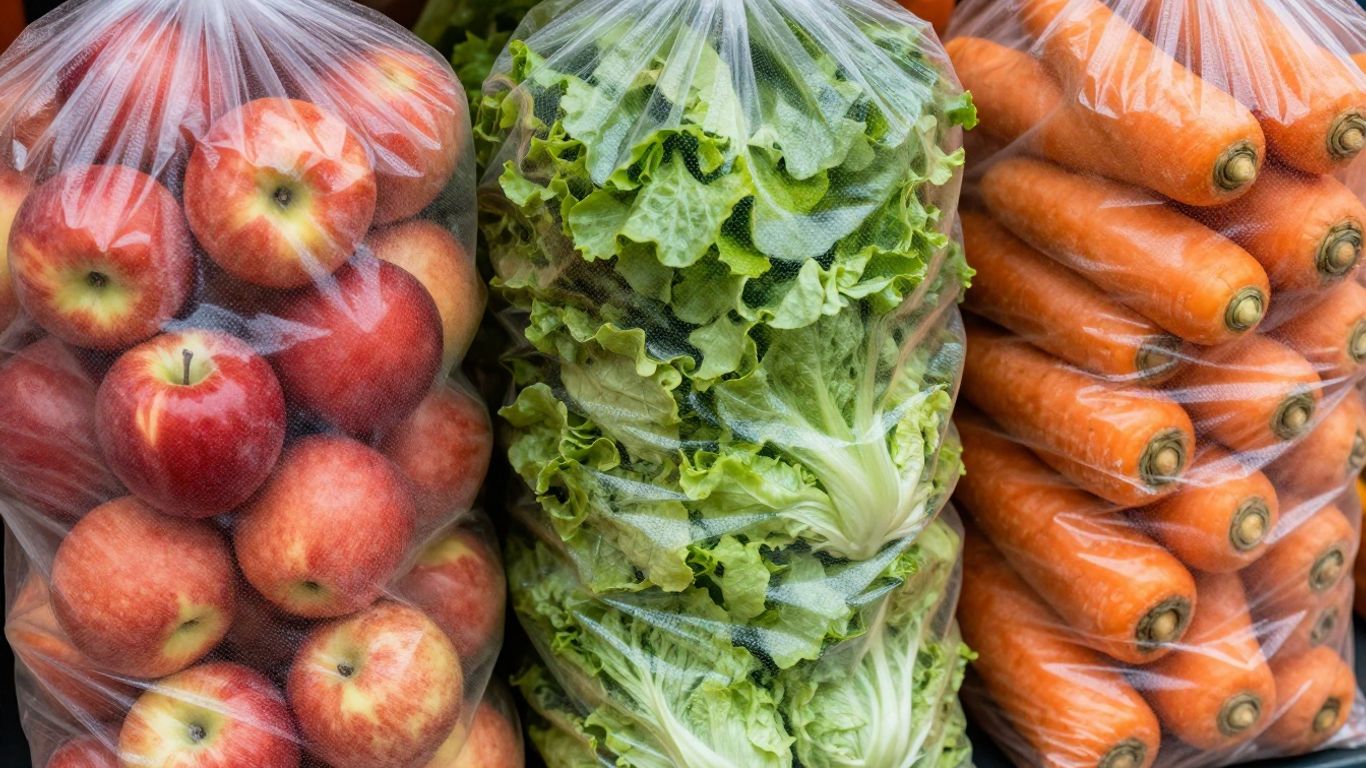
When you’re at the grocery store, grabbing your fruits and veggies, you might be wondering about the best way to carry them home without adding to plastic waste. That’s where compostable produce bags come in handy. These aren’t your typical plastic bags; they’re made from plant-based materials that are designed to break down naturally.
These bags offer a guilt-free way to transport your fresh food from the store to your kitchen. They’re a great alternative for items like loose apples, potatoes, or leafy greens. You can find them in various sizes, often similar to the small plastic bags you’d normally use for produce.
Here’s a quick look at what makes them a good choice:
- Eco-Friendly Materials: Typically made from starches derived from corn, potato, or sugarcane, these bags are designed to decompose.
- Reduced Plastic Footprint: By choosing compostable produce bags, you’re actively cutting down on single-use plastic that would otherwise end up in landfills or the environment.
- Convenience: They function just like regular produce bags, making them easy to use at the checkout.
It’s important to note that while these bags are compostable, they usually require specific conditions, often found in industrial composting facilities, to break down properly. Always check the packaging for specific disposal instructions and whether they are suitable for home composting.
Using compostable produce bags is a small step that contributes to a larger goal of reducing plastic pollution. It’s about making conscious choices in our daily routines that benefit the planet.
9. Large Compostable Shopping Bags
When you’re doing a big grocery run or need to haul a decent amount of stuff, regular plastic bags just don’t cut it anymore, and honestly, they’re pretty bad for the environment. That’s where large compostable shopping bags come in. These are designed to handle more weight and volume than your average grocery bag, making them a great alternative for those bulkier shopping trips. They’re usually made from plant-based materials, so when you’re done with them, they can break down without leaving behind harmful plastic bits.
These bags offer a sturdy and eco-friendly way to carry your purchases home. They’re a step up from the smaller produce bags and are perfect for everything from a week’s worth of groceries to items from the hardware store. You’ll find they’re quite resilient, often designed to resist leaks and tears, which is a big plus when you’re loading them up.
Here’s a quick look at what you might find:
- Capacity: Often rated by weight, like 20 lbs or even 30 lbs, so you know they can handle a good amount of goods.
- Count: Typically sold in bulk, like 200 or 500 bags per pack, which is economical for frequent shoppers.
- Certifications: Look for certifications like BPI or OK compost INDUSTRIAL to be sure they meet composting standards.
Using these bags means you’re actively reducing plastic waste. It’s a simple switch that makes a difference, especially when you’re trying to be more mindful about your consumption habits. They’re a practical choice for anyone looking to shop more sustainably.
Choosing larger compostable bags for your shopping needs is a straightforward way to cut down on single-use plastics. They provide the strength you need for heavier loads while still being kind to the planet when disposed of properly.
When you’re looking for these, you might see them listed as "Extra Large Compostable Shopping Bags" or simply "Large Compostable Shopping Bags." They’re a fantastic way to carry your groceries without the guilt associated with traditional plastic.
10. Medium Compostable Shopping Bags
Medium compostable shopping bags sit in that sweet spot where you need something bigger than your average produce bag but don’t want to lug around a huge sack just for a quick trip to the store. Maybe you’re grabbing groceries for a couple of days or need an easy tote for a haul from the farmer’s market. These bags are a go-to for lots of folks aiming to cut down on plastic but still need durability and ease.
Medium compostable shopping bags are designed to balance convenience, strength, and eco-friendliness. Most are certified to break down naturally (look for labels like BPI, EN 13432, or ASTM D6400), so you can toss them in your home compost or put them out for municipal pickup. They’re usually made from a blend of plant starches like corn, sometimes mixed with PBAT to keep them strong enough for everyday use.
Here’s how they typically measure up:
| Size | Count | Capacity | Price |
|---|---|---|---|
| Medium (20 lbs) | 500 bags | 20 lbs | $48.93 |
| Medium (20 lbs) | 200 bags | 20 lbs | $19.93 |
Why bother picking medium over large or small compostable bags? Here are some reasons:
- Right-sized for most grocery trips, avoiding wasted space or material.
- Strong enough to handle fruits, vegetables, boxed goods, and canned items.
- Fit nicely as liners in a medium kitchen bin, so you can reuse them for waste when you’re done shopping.
- Tend to cost less per bag than large options, which means you save money and materials.
Sometimes you just need a bag that works for everything, without feeling like you’re carrying a suitcase. Medium compostable shopping bags hit that mark—they’re sturdy, break down with the rest of your green waste, and help inch your household closer to zero-waste goals without a lot of fuss.
If you’re switching from plastic, you’ll notice these bags usually have a softer feel, resist tearing better than you’d expect, and don’t leave that guilty crinkle behind. Just remember, like all compostable options, keep them in a cool dry spot so they last as long as you need.
Making the Right Choice for Your Kitchen and Garden
So, picking the right bin bags for your kitchen scraps and garden waste might seem like a small thing, but it actually makes a difference. Whether you’re tossing coffee grounds into a home compost pile or sending food waste off to a municipal facility, the bag you use matters. Certified compostable bags are generally the best bet, breaking down nicely without leaving yucky stuff behind. Paper bags can work too, but always check what your local waste program accepts. By choosing wisely, you’re not just keeping things tidy; you’re helping out the planet, reducing landfill waste, and turning your scraps into something useful. It’s a simple step that adds up.
Frequently Asked Questions
What’s the main difference between biodegradable and compostable bags?
Think of it like this: all compostable bags are biodegradable, but not all biodegradable bags are compostable. Compostable bags are made from plant stuff and break down completely into healthy soil in a compost bin within a set time, usually a few months. Biodegradable bags might break down over a much longer time, and sometimes they leave yucky bits behind or just turn into tiny plastic pieces.
Can I use any plastic bag for my food scraps?
Generally, it’s best to avoid regular plastic bags for food waste. They don’t break down in compost and can mess up the whole process, making the compost less useful. Some places might allow very thin, clear plastic bags because they can be taken out during processing, but compostable bags are a much better choice for the environment.
How do I know if a bag is truly compostable?
Look for special labels or certifications on the bag! In the US, certifications like BPI (Biodegradable Products Institute) or standards like ASTM D6400 mean the bag has been tested and is proven to break down safely in an industrial compost facility. For home composting, look for ‘OK Compost HOME’ or similar labels.
Are compostable bags strong enough for kitchen waste?
Yes, many compostable bags are designed to be quite strong! They’re made from materials like corn starch that can hold wet food scraps and other kitchen waste without tearing easily. Some are even made to be leak-proof, just like regular plastic bags.
What size compostable bag should I get for my kitchen bin?
For most small kitchen bins, like those on your counter or under the sink, you’ll want smaller bags, often called ‘countertop bin liners’ or ‘kitchen compostable garbage bags.’ Check the dimensions of your bin to make sure the bag will fit well, usually hugging the sides without too much extra hanging over.
Can I use compostable bags for yard waste too?
Absolutely! There are special ‘yard compostable garbage bags’ made to handle larger amounts of leaves, grass clippings, and small branches. They are usually bigger and tougher than kitchen bags to deal with the bulk and sometimes sharp edges of yard debris.