
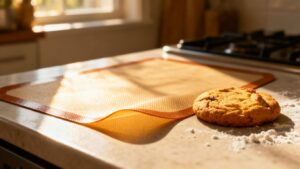
You know, I used to think parchment paper was the only way to go for baking. It seemed so simple, just line the pan and go. But then I started noticing how much paper I was going through, and honestly, it felt like a bit of a waste. Plus, sometimes it still stuck, and cleaning was still a chore. I began wondering if there was a better way, something that would save me time and be kinder to the planet. That’s when I discovered the magic of a reusable baking sheet. It’s not just about avoiding waste; it’s about making your kitchen life easier and your baking better. Let’s talk about why this simple swap might be the best thing you do for your kitchen this year.
Key Takeaways
- A reusable baking sheet, often a silicone mat, offers a non-stick surface that simplifies cooking and cleanup, unlike disposable parchment paper.
- These mats are good for more than just lining pans; they can be used for rolling dough, cooking food in packets, and even as makeshift piping bags.
- Unlike wax paper, which can burn at high temperatures, reusable baking sheets are designed for oven safety up to specific heat limits.
- Switching to a reusable baking sheet helps reduce kitchen waste and can save money over time compared to constantly buying parchment or foil.
- Reusable baking sheets protect your actual bakeware from scratches and sticky messes, helping them last longer.
The Versatile Uses Of A Reusable Baking Sheet
Forget those frustrating moments where your baked goods decide to become one with the pan. A reusable baking sheet, often called parchment paper or baking paper, is way more than just a liner. It’s a kitchen workhorse that can simplify a bunch of tasks, making your time in the kitchen smoother and, honestly, a lot less messy.
Lining Baking Pans and Trays
This is probably the most common use, and for good reason. Placing a sheet of parchment paper on your cookie sheets, cake pans, or roasting trays creates a non-stick barrier. This means your cookies slide off perfectly, cakes release without crumbling, and roasted vegetables don’t turn into a glued-on mess. Cleanup is a breeze – just lift out the parchment and toss it (or better yet, reuse it if it’s still clean!). It also helps distribute heat a bit more evenly, preventing those dreaded hot spots that burn the bottoms of your treats.
Rolling Dough and Preventing Sticking
Ever tried rolling out pie crust or cookie dough directly on your counter? It can get sticky fast, and you end up using way too much flour, which can change the texture of your dough. A neat trick is to place your dough between two sheets of parchment paper. Roll it out right there. It keeps your counters clean, maintains the dough’s intended texture, and makes transferring the rolled dough super easy. You can even peel off the top layer and slide the bottom sheet with the dough directly onto your baking pan.
Cooking Food En Papillote
This fancy-sounding French technique, "en papillote," basically means cooking food inside a sealed paper packet. It’s a fantastic way to keep things moist and flavorful. You place your ingredients – like a fish fillet, chicken breast, or some veggies – in the center of a parchment paper square, fold it up to create a sealed pouch, and then bake it. The steam generated inside cooks the food gently, infusing it with flavor and keeping it tender. It’s elegant enough for guests but simple enough for a weeknight meal.
Creating Piping Bags and Funnels
Need to pipe some frosting onto a cake or cookies but don’t have a fancy piping bag? No problem. You can easily make your own disposable piping bag by rolling a piece of parchment paper into a cone shape and securing it. Snip off the tip to your desired opening size, fill it with frosting, and you’ve got a tool for creating detailed designs. Similarly, a parchment cone can act as a temporary funnel for transferring dry ingredients without making a mess.
Understanding Your Reusable Baking Sheet
So, what exactly is this reusable baking sheet we keep talking about? It’s not some fancy, complicated gadget. At its heart, it’s a piece of specially treated paper designed to make your life in the kitchen a whole lot easier. Think of it as a trusty sidekick for all your baking adventures.
Definition and Simple Purpose
Basically, a reusable baking sheet is a sheet of paper that’s been processed to be non-stick and heat-resistant. Its main job? To prevent food from sticking to your baking pans and trays. This simple function saves you from scrubbing stubborn messes and helps your baked goods come out looking perfect, every single time. It’s the unsung hero that keeps your cookies from becoming one with the pan.
Difference Between Parchment and Baking Paper
You might hear different names thrown around, like "parchment paper" or "baking paper." Don’t get confused! In most places, especially here in the US, these terms mean the exact same thing. It’s a paper that’s been treated, usually with silicone, to give it those wonderful non-stick and heat-safe qualities. Some regions might have slight variations in how they label things, but the core product and its purpose are identical.
What Parchment Paper Is Made Of
Ever wonder what gives this paper its magic? It starts with cellulose fibers, usually from wood. These fibers are processed to create a strong paper base. Then, the real trick happens: both sides are coated with a food-grade silicone. This silicone layer is what makes it slippery and able to handle the heat of your oven without burning or melting. It’s a clever combination that makes baking so much more forgiving.
Here’s a quick look at the process:
- Pulping: Wood fibers are cleaned and turned into a uniform pulp.
- Sheet Formation: The pulp is spread thin, dried, and pressed into paper sheets.
- Silicone Coating: A thin, food-safe silicone layer is applied and cured with heat.
- Finishing: The paper is checked for quality and cut into convenient rolls or sheets.
This treated paper creates a barrier that not only stops sticking but also helps distribute heat more evenly across your baking surface. That means fewer hot spots and more consistently baked treats.
Safety and Sustainability With Reusable Baking Sheets
Oven and Microwave Safety Limits
Reusable baking sheets, often made from silicone or specially treated paper, are generally safe for most kitchen tasks. However, it’s good to know their limits. Most quality parchment paper can handle temperatures up to around 420-450°F (215-230°C). Go much higher, and you might see smoke or, in rare cases, the paper could catch fire. It’s pretty stable in the microwave, though, thanks to its low moisture and silicone coating, which doesn’t really interact with microwave energy. This makes it handy for preventing splatters when you’re just reheating leftovers.
Chemical Leaching Concerns at High Heat
This is where things get a bit more interesting. Some studies have found chemicals called PFAS, sometimes called "forever chemicals," in certain parchment papers. These are added to make the paper resist heat, water, and oil. The worry is that at really high temperatures, these chemicals might transfer from the paper into your food. This has led to health concerns, like issues with the immune system, metabolism, and even a higher risk of certain diseases. It’s definitely something to think about when you’re pushing the temperature limits.
Choosing the Safest Parchment Paper
So, how do you pick a safer option? Look for labels that say "PFAS-free" or "untreated." If you’re looking at silicone-coated papers, check if they mention low or non-detectable levels of organic fluorine. Unbleached parchment paper is often a better bet than the bleached kind, as it usually has fewer added chemicals. A simple test you can do at home involves a drop of olive oil. If the oil beads up, the paper might have PFAS. If it soaks in, it’s likely untreated and a safer choice.
Eco-Friendly Alternatives to Disposable Liners
Beyond just safety, thinking about the environment is a big plus for reusable baking sheets. Unlike disposable parchment paper that often ends up in the trash, reusable options are designed to last. Silicone mats, for example, can be washed and used hundreds of times. This cuts down on waste significantly. Even if you do use parchment paper, choosing unbleached, sustainably sourced, or even compostable options can make a difference. It’s all about making small changes that add up to a healthier planet and a cleaner kitchen.
Making the switch to reusable kitchen items isn’t just about convenience; it’s about making conscious choices for your health and the environment. Understanding the materials you’re using and their limits helps you cook with confidence.
Comparing Reusable Baking Sheets to Other Liners
When you’re looking at ways to make your baking life easier and your results better, you’ll run into a few different options for lining your pans. It’s good to know what you’re working with, especially when it comes to heat and what’s actually safe for your food.
Heat Resistance Compared to Wax Paper
This is a big one. Reusable baking sheets, typically made from silicone or treated paper, can handle much higher temperatures than wax paper. Think about it: wax paper has a thin coating of wax, right? That wax can melt and burn in a hot oven, which is not only messy but can also be a fire hazard. Plus, any melted wax can transfer to your food, leaving an unpleasant residue. Reusable baking sheets, on the other hand, are designed for the oven. Silicone mats can usually go up to 450°F or even higher, and good quality parchment paper is generally safe up to 420-450°F, depending on the brand. Wax paper? It’s best kept for room temperature tasks, like wrapping sandwiches or lining a bowl for a bit.
Greaseproof and Moisture-Resistant Properties
Reusable baking sheets, especially silicone ones, are naturally greaseproof and moisture-resistant. This means spills and drips don’t soak through, making cleanup a breeze. They create a barrier that keeps your pans clean and prevents sticky messes from becoming a permanent fixture. While parchment paper also offers good resistance, its primary function is often heat and non-stick. Wax paper isn’t really designed for moisture or grease resistance; it’s more about preventing sticking at room temperature.
Avoiding Aluminum Foil for Healthier Cooking
Aluminum foil is a common go-to, but there are reasons to reconsider it. At high temperatures, especially with acidic foods like tomatoes or citrus, aluminum can leach into your food. While the health implications are debated, many people prefer to avoid this potential exposure. Reusable baking sheets, whether silicone or parchment, don’t have this leaching concern. They provide a safe, inert surface for your food, letting you focus on the flavors without worrying about what might be transferring from the liner itself.
Here’s a quick look at how they stack up:
| Liner Type | Max Oven Temp (approx.) | Grease/Moisture Resistant | Potential Health Concerns | Best Use Cases |
|---|---|---|---|---|
| Reusable Silicone | 450°F+ | Yes | None | Baking, roasting, candy making, pastry |
| Parchment Paper | 420-450°F | Good | None | Baking, roasting, cooking en papillote |
| Wax Paper | Not Recommended | Poor | Melting/burning, residue | Wrapping, non-stick at room temp |
| Aluminum Foil | High | Good | Leaching with acids/heat | Covering dishes, wrapping (use with caution) |
When you’re choosing a liner, think about what you’re cooking and at what temperature. For anything going into a hot oven, wax paper is a no-go. Aluminum foil has its uses, but for everyday baking and roasting, silicone mats or parchment paper offer a safer and often cleaner alternative.
Making the Switch: Benefits of a Reusable Baking Sheet
So, you’ve been using parchment paper, maybe even those disposable silicone mats, and you’re wondering if there’s a better way. Well, let me tell you, making the switch to a reusable baking sheet, or more accurately, a reusable liner like silicone baking mats, is a pretty smart move for your kitchen. It’s not just about being fancy; it genuinely makes life easier and your baking better.
Saving Cleanup Time
This is probably the biggest win, right? Think about it. No more scraping burnt bits off your pans or soaking stubborn messes. With a reusable liner, most of the time, you just wipe it down, and you’re done. For really sticky situations, a quick wash with soap and water does the trick. It cuts down on scrubbing time significantly, giving you more time to actually enjoy your food instead of cleaning up after it.
Ensuring Better Baking Results
Reusable liners, especially silicone ones, are fantastic at distributing heat evenly. This means fewer hot spots on your cookies and cakes, leading to more consistent browning. Plus, their non-stick surface means your delicate pastries and baked goods slide right off the sheet without tearing or sticking. It’s like giving your oven a little upgrade.
Protecting Your Bakeware
Constantly scrubbing at baked-on food can wear down your baking pans over time. Using a liner acts as a protective barrier, keeping your bakeware in better condition for longer. This means your trusty sheet pans and cake tins will last you for years to come, saving you money in the long run.
A Sustainable Kitchen Choice
Let’s be honest, throwing away rolls of parchment paper or disposable liners adds up. Making the switch to reusable options is a big step towards a more eco-friendly kitchen. You’re cutting down on waste, which is good for the planet and feels pretty good too. It’s a small change that makes a difference.
The cumulative effect of small, consistent changes in our daily routines can lead to significant positive impacts. Choosing reusable items over disposable ones is a practical way to reduce our environmental footprint without sacrificing convenience or quality in our kitchens.
Here’s a quick look at how reusable liners stack up:
- Reduced Waste: Eliminates the need for disposable parchment paper or foil.
- Cost-Effective: While there’s an initial investment, they save money over time.
- Easy Maintenance: Most are dishwasher safe or easy to hand wash.
- Consistent Results: Promotes even baking and prevents sticking.
So, ditch the disposable paper.
Look, we get it. Parchment paper has been a kitchen staple for ages, and it does a pretty good job. But honestly, it’s time to think about what’s next. A reusable baking sheet, like a silicone mat or a good quality metal pan, is just a smarter move. It saves you money in the long run, cuts down on waste, and let’s be real, it makes cleanup way less of a chore. So next time you’re prepping for a bake-a-thon or just roasting some veggies, consider making the switch. Your wallet, the planet, and your future self will thank you.
Frequently Asked Questions
What’s the main difference between parchment paper and wax paper?
Parchment paper is made to handle the heat of your oven, usually up to 450°F, so it’s safe for baking. Wax paper, on the other hand, has a wax coating that can melt or burn in the oven, which is why it’s not suitable for baking and can even be a fire hazard.
Can I use parchment paper in my microwave or air fryer?
Yes, parchment paper is generally safe for use in microwaves and air fryers. Its silicone coating doesn’t react with microwave radiation, and it helps prevent food splatters. Just make sure to check the temperature limits recommended by the manufacturer for your specific appliance.
Are there any health concerns with using parchment paper?
Some older types of parchment paper might contain chemicals called PFAS, sometimes called ‘forever chemicals,’ which can move into food, especially when heated. To be safe, look for parchment paper labeled ‘PFAS-free’ or ‘untreated.’ Unbleached options are also usually a safer bet.
How is parchment paper made?
Parchment paper starts with wood fibers that are turned into pulp. This pulp is then pressed and dried into thin sheets. Finally, both sides are coated with a food-safe silicone layer, which gives it that non-stick and heat-resistant quality.
What are some creative ways to use parchment paper besides lining pans?
You can use parchment paper to make your own piping bags for decorating cakes and cookies, giving you great control for detailed designs. It’s also fantastic for cooking food ‘en papillote,’ where you seal ingredients in a parchment packet to steam them, keeping them moist and flavorful.
Why is parchment paper better than aluminum foil for cooking?
Aluminum foil can sometimes transfer aluminum into your food, especially with acidic ingredients, which raises health concerns. Parchment paper offers a safer alternative for cooking and baking, preventing food from sticking without the worry of chemical leaching.