

Dealing with food scraps can feel like a chore, and figuring out the best way to handle them is even trickier. You want to do right by the planet, but sometimes the options are confusing. This guide is here to help sort out the mess. We’ll look at the different kinds of bags out there for your food waste, what makes them work (or not work), and how to pick the ones that actually help reduce waste instead of just moving it around. Let’s get this sorted so you can feel good about your choices.
Key Takeaways
- Certified compostable bags are made from plants and break down fully in industrial composting settings, turning into useful compost.
- Don’t confuse ‘biodegradable’ with ‘compostable’; biodegradable bags can take a very long time to break down and might leave stuff behind.
- Always check with your local waste service to see which types of bags they accept for food waste collection.
- For home composting, paper bags or certified compostable bags work well, but paper is often easier for backyard piles.
- Proper disposal is key; compostable bags need to go to the right facilities or compost piles to do their job.
Understanding Compostable Bags for Food Waste
When you’re trying to be a bit greener with your kitchen scraps, figuring out the right bag can feel like a puzzle. It’s not just about tossing your leftovers; it’s about what happens to them afterward. Certified compostable bags are designed to break down completely in specific composting environments, turning food waste into something useful. But what does that really mean, and how do they stack up against other options?
What Are Certified Compostable Bags?
These aren’t just any bags that claim to disappear. Certified compostable bags are made from materials like plant starches that are engineered to break down into natural elements like water, carbon dioxide, and biomass. This breakdown happens under specific conditions, usually found in industrial composting facilities, and within a set timeframe – typically around 180 days. They’re made to be compatible with composting systems, meaning they won’t leave behind harmful residues or tiny plastic bits.
Biodegradable Versus Compostable: Key Differences
People often use "biodegradable" and "compostable" like they’re the same thing, but there’s a big difference. Biodegradable just means something can break down over time, but it doesn’t say how long it takes or what’s left behind. It could take years, and you might end up with microplastics. Compostable, on the other hand, is a much stricter term. It means the material will break down into nutrient-rich compost within a specific timeframe, under specific conditions, and without leaving any toxic stuff behind. Think of it this way: all compostable materials are biodegradable, but not all biodegradable materials are compostable.
Here’s a quick rundown:
- Biodegradable Bags:
- May break down over a long period.
- Can leave behind residues or microplastics.
- No strict time or condition requirements.
- Compostable Bags:
- Break down fully within a set time (e.g., 180 days).
- Require specific composting conditions (industrial or home).
- Leave behind nutrient-rich compost.
The Environmental Benefits of Compostable Options
Using compostable bags for your food waste can actually make a difference. When food waste ends up in landfills, it decomposes without oxygen, creating methane, a potent greenhouse gas. By diverting food scraps into a composting system using compostable bags, you help reduce these emissions. The end result is compost, which is great for soil health, reducing the need for chemical fertilizers and helping plants grow better. It’s a way to close the loop, turning waste into a resource.
Choosing compostable bags means you’re actively participating in a system that aims to recycle organic materials. It’s a step towards managing waste more responsibly and contributing to a healthier environment, rather than just sending everything to the landfill.
Choosing the Right Compostable Bags for Your Needs
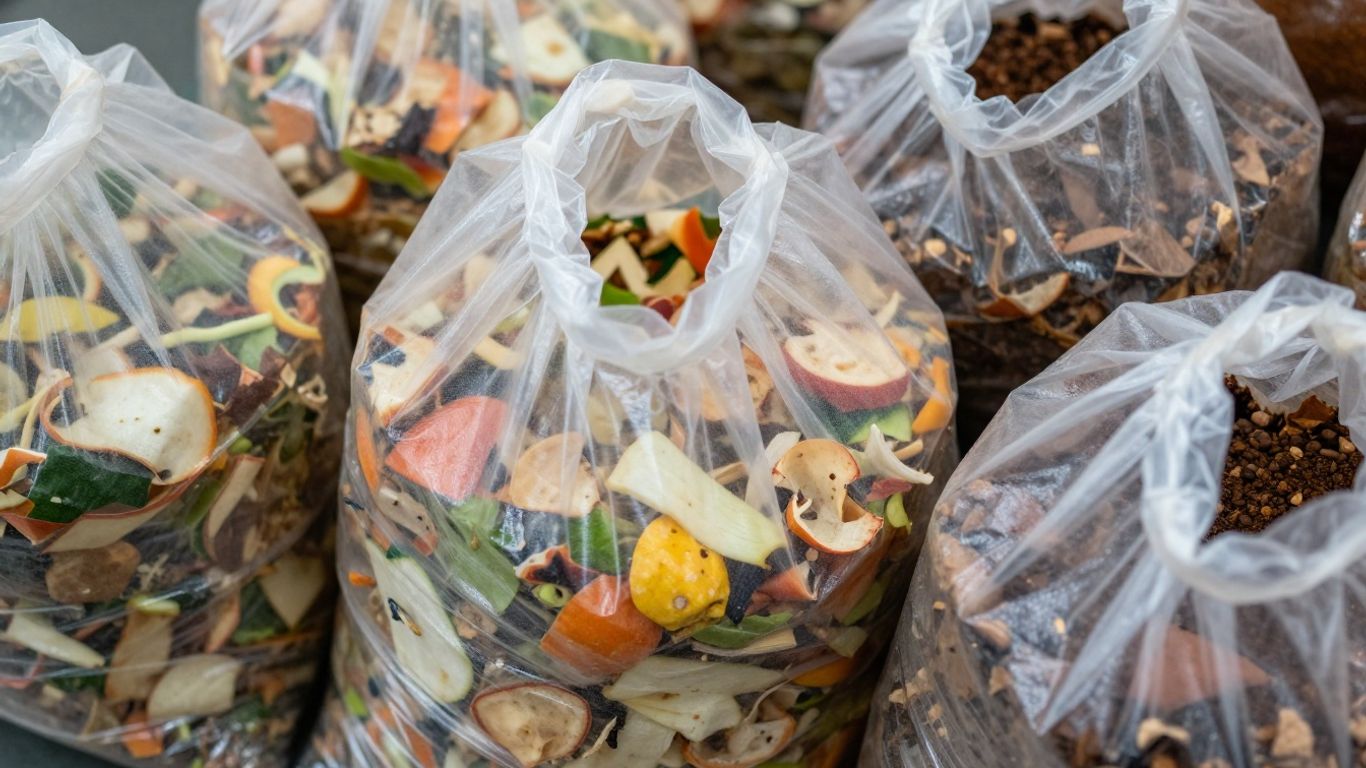
So, you’ve decided to go the compostable route for your food waste. That’s awesome! But now comes the slightly tricky part: picking the actual bags. It’s not as simple as just grabbing any bag that says "compostable." Your choice really depends on a few things, mainly how you’re going to get rid of that waste.
Home Composting Considerations
If you’re a home composter, you’ve got a bit more flexibility, but also some things to keep in mind. Paper bags are a solid, budget-friendly choice. They break down easily in your backyard pile. However, they can get a bit soggy and might not do the best job of keeping smells locked away, especially in the kitchen. Certified compostable bags, on the other hand, are usually better at handling moisture and odor. They’re a bit pricier, sure, but they make kitchen collection much cleaner. To make your home composting smoother:
- Line your kitchen caddy with newspaper or a paper bag to soak up extra moisture.
- Consider a compost bin with a lid that seals well to keep pests out and odors in.
- Remember to mix your food scraps with "browns" like dry leaves or shredded cardboard to keep your compost balanced.
Municipal Waste Collection Guidelines
This is where things can get a little more specific. If your town or city collects organic waste, you absolutely need to check their rules. Some places are cool with just about anything, while others are super picky. Generally, you’ll see a few options that are usually accepted:
- Kraft paper bags
- Certified compostable bags
- Sometimes, just wrapping things in newspaper works too.
It’s really important to follow these guidelines. Using the wrong kind of bag can actually mess up the whole composting process at the facility, which is the opposite of what we want. Some municipalities might even allow certain thin plastic bags, but honestly, they’re usually not the best choice because they can still cause problems down the line. It’s always best to stick to what’s officially recommended for your area. You can often find this info on your local government’s website. For example, if you’re looking for bags for a standard kitchen bin, ORIZON Strong Compostable Kitchen Bags are designed for daily food waste and are often suitable for these programs.
Bag Features for Optimal Performance
When you’re looking at compostable bags, think about what you need them to do. Do you have a lot of wet food scraps? Then moisture resistance is key. Are you worried about smells between pickups? Odor control is your friend. Durability is another big one – nobody wants a bag that splits open. Here’s a quick rundown of what to look for:
- Certifications: Make sure they have recognized certifications (like BPI or ASTM D6400). This is your guarantee they’ll actually break down properly.
- Thickness/Strength: Look for bags that feel sturdy enough for your typical food waste. A thicker bag might be worth it if you tend to fill them up.
- Size: Get the right size for your bin. A bag that’s too small will overflow, and one that’s too big can be awkward to manage.
Choosing the right bag isn’t just about convenience; it’s about making sure your food waste actually gets composted and doesn’t end up causing issues at the processing facility. A little research upfront can save you a lot of hassle later on.
Evaluating Compostable Bag Materials and Certifications
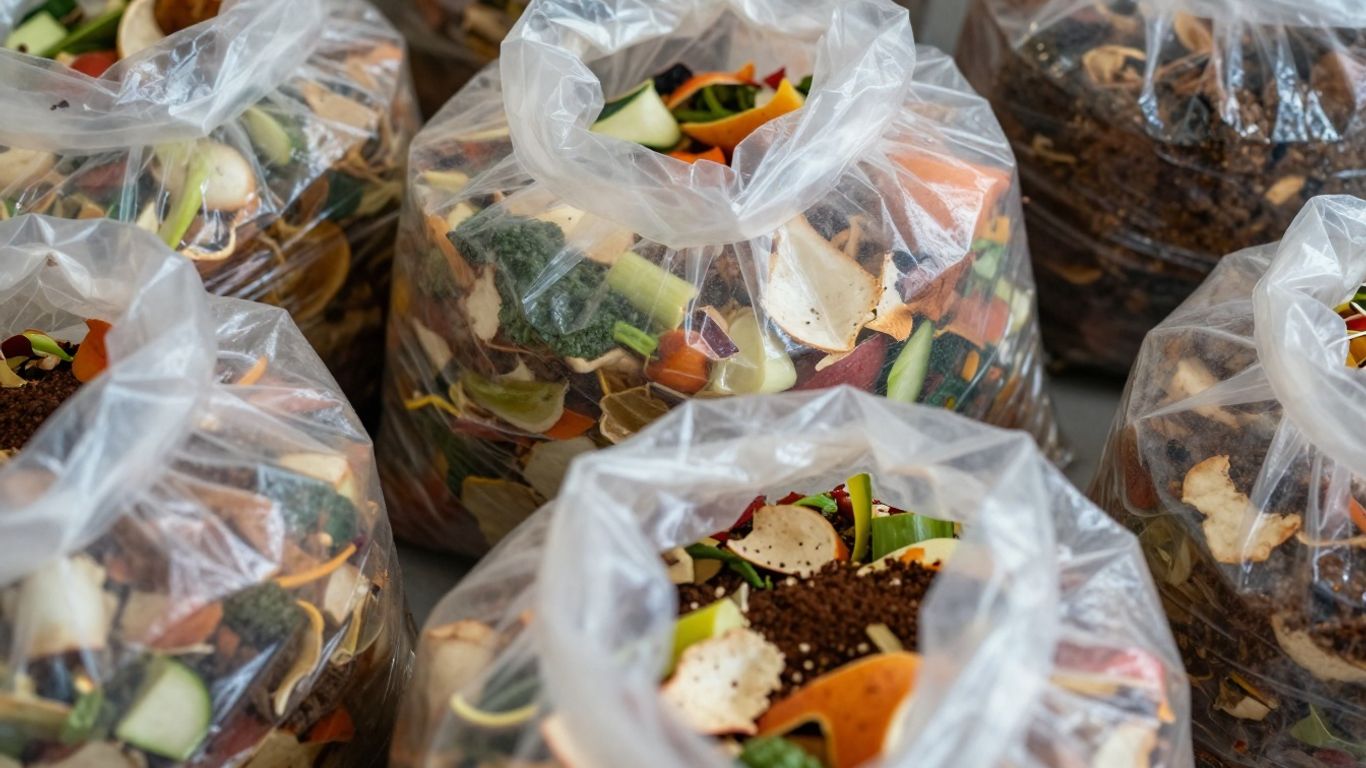
Plant-Based Materials in Compostable Bags
When we talk about compostable bags, we’re really talking about materials that come from plants. Think corn, potatoes, or other starches. These aren’t your typical plastic bags made from oil. The idea is that since they start as plants, they can go back to being part of the earth. This is a big deal because it means we’re not adding more petroleum-based waste to the planet. These plant-based materials are processed in a way that allows them to break down much faster than regular plastic, especially under the right conditions.
Understanding Certification Standards (ASTM D6400, EN 13432)
Just because a bag says it’s "compostable" doesn’t automatically mean it will break down properly. That’s where certifications come in. In the US, the main standard is ASTM D6400. In Europe, it’s EN 13432. These standards are basically a set of rules that materials and products have to follow to be considered truly compostable. They specify things like how quickly the material needs to break down, how much of it needs to disappear, and what happens to the leftover bits. If a bag meets these standards, it means it’s designed to fully decompose in an industrial composting facility within a set timeframe, usually around 180 days, without leaving behind any harmful residues.
Here’s a quick look at what these standards generally require:
- Biodegradation: A significant portion of the material must break down into natural elements like water, carbon dioxide, and biomass.
- Disintegration: The material must break down into small pieces so it’s no longer visible in the final compost.
- Ecotoxicity: The resulting compost must not harm plant life or soil organisms.
The Role of Third-Party Certifications (BPI)
So, how do you know if a bag actually meets those ASTM or EN standards? That’s where third-party certifiers come in. The Biodegradable Products Institute (BPI) is a well-known one in North America. They review products and materials to make sure they comply with the relevant standards. When you see a BPI certification on a compostable bag, it means an independent organization has verified that the bag meets the strict requirements for compostability. This certification is your best bet for knowing you’re getting a bag that will perform as expected in a composting environment and won’t just sit around in a landfill or contaminate the compost stream.
Choosing certified compostable bags is more than just a trend; it’s a practical step towards better waste management. These certifications provide a level of assurance that the bags will indeed break down as intended, contributing positively to the composting process rather than hindering it. It helps ensure that your food waste is transformed into valuable compost, closing the loop in a more sustainable way.
Comparing Compostable Bags to Other Waste Disposal Options
When you’re trying to be more eco-friendly with your food scraps, picking the right bag makes a difference. It’s not just about tossing things in a bin; the bag you choose can actually affect how well your waste gets processed and what happens to it afterward. Let’s break down how compostable bags stack up against other common choices.
Compostable Bags vs. Traditional Plastic Bags
Traditional plastic bags are everywhere, but they’re not great for food waste. They’re made from petroleum and can take hundreds of years to break down, if they break down at all. When they do degrade, they often leave behind tiny plastic bits called microplastics that can get into our soil and water. Compostable bags, on the other hand, are designed to break down completely in composting environments, turning into beneficial compost. This fundamental difference means compostable bags support a circular system, while plastic bags contribute to long-term pollution.
| Feature | Traditional Plastic Bags | Certified Compostable Bags |
|---|---|---|
| Material | Petroleum-based | Plant-based |
| Breakdown Time | Centuries | Months (in industrial compost) |
| End Product | Microplastics, waste | Nutrient-rich compost |
| Environmental Impact | High pollution | Low, beneficial |
| Cost | Low | Moderate |
Compostable Bags vs. Biodegradable Bags
This is where things can get a little confusing because the terms "biodegradable" and "compostable" sound similar, but they mean very different things. Biodegradable just means something will break down over time, but it doesn’t say how long it will take or what it will turn into. Some "biodegradable" bags might still leave behind harmful residues or take years to decompose. Certified compostable bags, however, have met specific standards (like ASTM D6400) proving they break down fully into compost within a set timeframe, usually in an industrial composting facility. They are made from plant materials and are specifically designed to become part of the soil again. It’s important to look for certifications to be sure you’re getting a bag that truly composts. You can find more information on certified compostable bags.
While "biodegradable" sounds good, it’s a broad term that doesn’t guarantee a positive environmental outcome. "Compostable" is a much more specific claim, indicating the material will break down into usable compost under the right conditions.
Compostable Bags vs. Paper or Reusable Containers
Paper bags are a decent option for food waste, especially if your local composting program accepts them. They are generally biodegradable and break down easily. However, they can sometimes get soggy and might not contain odors as well as compostable plastic bags. Reusable containers are the ultimate zero-waste choice, of course. You can simply empty them directly into your compost bin or collection pail. The main drawback is needing to wash them regularly. For convenience, especially in the kitchen, compostable bags offer a good middle ground, helping to manage moisture and odors while still being designed to break down into compost. If you’re looking for a way to manage your organic waste, considering these options is key.
- Paper Bags: Readily biodegradable, but can be less durable with wet waste.
- Compostable Bags: Designed for composting, good at containing moisture and odors.
- Reusable Containers: The most sustainable, but require regular cleaning.
Choosing the right bag depends on your specific needs and what your local waste management system can handle. Always check local guidelines to make sure your chosen bag will be accepted.
Practical Tips for Using Compostable Bags for Food Waste
So, you’ve decided to go with compostable bags for your food scraps. That’s a great step! But just tossing them in any old bin isn’t quite the whole story. To really make these bags work their best and avoid any composting mishaps, there are a few things to keep in mind.
Proper Disposal Requirements for Compostable Bags
First off, always check what your local waste management service accepts. This is super important because not all compostable bags are created equal, and different facilities have different rules. Some industrial composting sites can handle specific types of certified compostable bags, while others might not be equipped for them. If you’re composting at home, your backyard pile has its own set of requirements too.
- Industrial Composting: Look for bags certified to standards like ASTM D6400 or EN 13432. These are designed to break down in the high heat and specific conditions of commercial facilities. Make sure your municipality collects these and sends them to an appropriate facility.
- Home Composting: For backyard composting, certified compostable bags are usually fine, but sometimes even simpler options like paper bags (if allowed locally) or just lining your bin with newspaper can work well. The key is that they break down in your specific composting environment.
- Municipal Guidelines: Your town or city will likely have a website or flyer detailing exactly what they accept. Don’t guess – find out for sure!
Using the wrong type of bag can actually contaminate the compost batch, turning your good intentions into a problem for the composting facility. It’s better to be safe and follow the rules.
Managing Moisture and Odors with Compostable Bags
Food waste can get pretty… fragrant, right? And wet. Compostable bags can help, but they aren’t magic. Here’s how to keep things under control:
- Double Bagging (Sometimes): If your bags seem a bit thin or you’re dealing with particularly wet scraps, consider using two bags. This adds an extra layer of protection against leaks and odors.
- Absorbent Layers: Line your kitchen compost caddy with a layer of newspaper or a paper towel before putting in the compostable bag. This soaks up excess moisture, which helps reduce smells and prevents the bag from getting too soggy too quickly.
- Frequent Emptying: Don’t let your kitchen compost bin sit around for too long, especially in warmer weather. Emptying it every day or two makes a big difference in odor control.
- Seal It Up: Make sure the bag is tied securely before you take it out to your main collection bin or compost pile. This traps odors and prevents pests from getting in.
Maximizing Efficiency in Organic Waste Disposal
To get the most out of your food waste composting efforts, think about how you’re using the bags and managing the waste stream:
- Don’t Overfill: Stuffing bags too full can cause them to tear, leading to messes and potential contamination. Leave a little breathing room.
- Balance Your Scraps: While the bag holds the scraps, the composting process itself needs a good mix of
The Impact of Compostable Bags on Waste Management Systems
When we talk about compostable bags for food waste, it’s not just about what happens in your kitchen. It’s also about how these bags fit into the bigger picture of how our communities handle trash and recycling. These bags are designed to work with specific systems, and using them correctly makes a big difference.
How Compostable Bags Integrate with Composting Facilities
Compostable bags are made to break down in industrial composting facilities. They’re usually made from plant stuff like corn starch. When these bags get to a facility, they’re supposed to decompose along with the food scraps. This turns everything into nutrient-rich compost. It’s a neat idea, turning waste into something useful for gardens and farms. However, this only works if the facility is set up to handle them. Not all composting sites can process these bags, and if they can’t, the bags might just end up causing problems.
Avoiding Contamination in Organic Waste Streams
One of the biggest challenges with compostable bags is making sure they don’t mess up the whole composting process. If the wrong kind of bag is used, or if a bag doesn’t break down properly, it can contaminate the finished compost. This means the compost might not be usable, or it could even harm plants if it contains plastic bits or other non-compostable materials. It’s why following local rules about which bags are okay is super important. Using bags that aren’t certified or aren’t meant for composting can lead to the whole batch being thrown out.
The Role of Compostable Bags in Circular Economy Principles
Compostable bags can play a part in the idea of a circular economy, where we try to reuse and recycle as much as possible. By turning food waste into compost, we’re keeping valuable organic material out of landfills. This compost can then be used to grow more food or plants, closing the loop. It’s a way to reduce waste and make the most of resources. When compostable bags work as intended, they help make this process smoother and more efficient, supporting a system that’s better for the planet.
Using compostable bags correctly is key. They are a tool to help divert food waste from landfills, but their success depends on proper disposal and the capabilities of local waste management facilities. Without the right infrastructure, their environmental benefits can be significantly reduced.
Wrapping It Up
So, picking the right bag for your food scraps might seem like a small thing, but it really does add up. We’ve looked at the options, and it’s pretty clear that certified compostable bags are the way to go if you’re serious about helping the planet. They’re made from plants and actually break down into good stuff, unlike those regular plastic bags that just hang around forever. Remember to always check what your local composting program accepts, though. Sometimes paper bags are okay, or maybe they have specific rules. Making this simple switch can make a real difference in reducing waste and keeping our landfills from overflowing. It’s a pretty straightforward way to be a bit kinder to the earth, one banana peel at a time.
Frequently Asked Questions
What’s the main difference between biodegradable and compostable bags?
Think of it like this: all compostable bags are biodegradable, but not all biodegradable bags are compostable. Biodegradable bags just break down over time, but they might leave stuff behind or take a really long time. Compostable bags are made from plants and are designed to break down completely into healthy soil in a composting environment, usually within a few months.
Can I just throw compostable bags in my regular trash can?
No, that’s not the best idea. Compostable bags need special conditions, like those found in industrial composting facilities or well-managed home compost piles, to break down properly. If they end up in a regular landfill, they might not decompose correctly and could even release harmful gases.
How do I know if a bag is truly compostable?
Look for official certifications on the packaging. In the U.S., you’ll want to see marks from organizations like the Biodegradable Products Institute (BPI) or certifications that meet standards like ASTM D6400. These labels mean the bag has been tested and proven to break down in composting conditions.
Are compostable bags good for home composting?
Yes, many compostable bags work well for home composting, especially if you have a good system going. They help keep your kitchen bin tidy and control odors. Just make sure your home compost pile gets hot enough and has the right mix of materials to help the bags break down effectively.
Why are compostable bags sometimes more expensive than plastic ones?
Compostable bags are usually made from plant-based materials like cornstarch, and their production process is more involved than making regular plastic bags. This higher cost reflects the eco-friendly materials and manufacturing methods used to create a product that breaks down naturally.
What happens if my compostable bag ends up in a regular trash bin by mistake?
If a compostable bag accidentally goes into the regular trash, it likely won’t break down as intended in the landfill. It might just sit there for a very long time, similar to regular plastic. That’s why it’s important to know your local waste disposal rules and sort your compostable items correctly.