
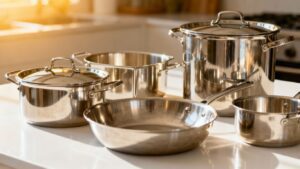
So, you’re looking to upgrade your kitchen game with some new stainless steel pots? Smart move. These things are pretty much the workhorses of any kitchen, and for good reason. They look good, they last forever, and they just make cooking feel a bit more… professional, you know? But with so many options out there, picking the right ones can feel a bit overwhelming. Don’t worry, though. We’re going to break down what really matters when you’re choosing stainless steel pots so you can get a set you’ll love for years.
Key Takeaways
- Look for 18/10 stainless steel; it’s a good sign of quality because it means more chromium for rust prevention and nickel for strength.
- Multi-ply construction, like tri-ply, is a big deal for even heating. It means layers of metal, usually aluminum or copper, sandwiched in the middle.
- Handles that stay cool and fit well in your hand make a huge difference when you’re cooking for a while.
- Make sure your new stainless steel pots will work on your stove, especially if you have an induction cooktop.
- Good stainless steel pots are tough, won’t rust or stain easily, and are safe to cook with, making them a solid investment for your kitchen.
Understanding Stainless Steel Pots Construction
When you’re looking at stainless steel pots, it’s not just about how shiny they are. The way they’re put together makes a big difference in how they cook. Think of it like building a house – the foundation and materials are super important.
The Importance of 18/10 Stainless Steel
This is a common term you’ll see, and it tells you about the metal itself. The "18" refers to 18% chromium, and the "10" refers to 10% nickel. Chromium is what keeps the steel from rusting and getting those annoying spots, while nickel makes it stronger and a bit more durable. So, 18/10 is generally considered a good standard for cookware because it holds up well and doesn’t react with your food. You might see other numbers, like 18/8, which is also decent, but 18/10 is often preferred for its better resistance to corrosion and staining.
The Role of Multi-Ply Construction
Stainless steel alone isn’t the best at conducting heat. It gets hot, sure, but it can get hot in spots, leading to uneven cooking. That’s where multi-ply construction comes in. This means the pot is made of several layers of metal bonded together. Usually, you’ll find a core of aluminum or copper sandwiched between layers of stainless steel. Aluminum and copper are excellent at spreading heat quickly and evenly. So, you get the best of both worlds: the even heating of aluminum or copper and the durability and non-reactive surface of stainless steel.
Here’s a quick look at common constructions:
- Single Ply: Just one layer of stainless steel. Cheapest, but heats unevenly.
- Disc Bottom: A stainless steel pot with a separate metal disc (usually aluminum) attached to the bottom. Better than single ply, but the heat transfer isn’t perfect.
- Fully Clad (Multi-Ply): Layers of stainless steel with a conductive metal core (like aluminum or copper) running all the way up the sides. This is the gold standard for even heating and performance.
Evaluating Base Thickness for Even Heating
Beyond the layers, the actual thickness of the base matters. A thicker base helps to distribute heat more evenly and prevents the pot from warping over time. You want a base that feels substantial, not flimsy. While there isn’t a single perfect thickness number, a good rule of thumb is that if the pot feels heavy and solid in your hands, it likely has a decent base thickness. This thickness is key to avoiding those frustrating hot spots that can burn your food right in the middle while the edges are still cooking.
The construction of your stainless steel pot is the unsung hero of your cooking. It dictates how well heat moves around, how durable the pot will be, and ultimately, how successful your meals turn out. Don’t just look at the shiny exterior; peek at the layers and feel the weight to know what you’re really getting.
Key Features for Optimal Cooking Performance
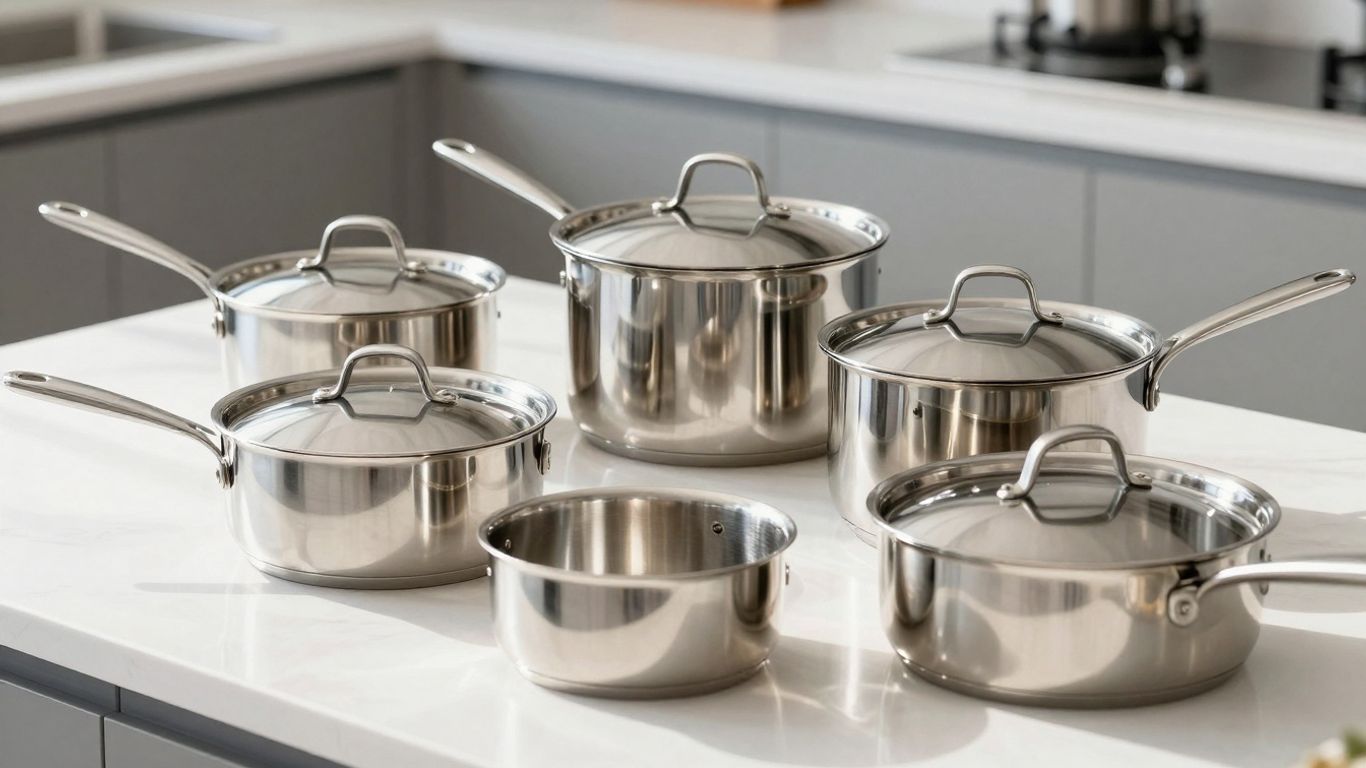
When you’re looking for stainless steel pots that really do the job, there are a few things that make a big difference in how well they cook. It’s not just about the metal; it’s about how it’s put together and designed for your kitchen.
Ergonomic and Stay-Cool Handle Designs
Handles might seem like a small detail, but they’re super important for comfort and safety. You want handles that feel good in your hand, not too heavy or awkward. The best handles are designed to stay cool on the stovetop, so you don’t need to grab a pot holder every single time you move a pot. This makes cooking a lot smoother, especially when you’re juggling multiple pans. Look for handles that are securely attached, often with rivets, and have a shape that fits your grip well. Some higher-end options even have a slight curve to them, making them easier to hold when the pot is full and heavy.
Secure Lid Fit for Moisture Retention
Lids are more than just covers; they play a big role in how your food cooks. A lid that fits snugly traps steam and moisture inside the pot. This is great for braising meats, simmering stews, or even just boiling vegetables, as it helps cook food evenly and keeps it from drying out. When a lid seals well, it also means less heat escapes, which can save energy. Some lids are designed with a slight dome shape to encourage condensation to drip back into the pot, keeping your food moist. Others have a tight seal that helps maintain a consistent temperature, which is key for delicate sauces or slow cooking.
Compatibility with Various Cooktops
Not all pots work on all stoves, and this is especially true with modern cooktops. If you have an induction stove, you’ll need pots with magnetic bases. Most stainless steel cookware is compatible with gas and electric stoves, but induction requires a specific type of metal. Always check the product description to make sure the pots you’re eyeing will work with your specific cooktop. This is a detail that can save you a lot of frustration down the line. For those looking for versatile options, many stainless steel pans are designed to work on all types of heat sources, including induction, gas, electric, and even in the oven.
The right features mean your pots will be a joy to use, not a chore. Think about how you cook most often and choose features that support that. Good handles, a tight-fitting lid, and stove compatibility are the basics that make a real difference in your daily cooking routine.
Choosing the Right Stainless Steel Pots for Your Needs
So, you’ve decided stainless steel is the way to go for your kitchen cookware. That’s a solid choice! But with so many options out there, how do you actually pick the right set? It’s not just about grabbing the shiniest thing on the shelf. You’ve got to think about a few things to make sure you’re getting pots and pans that will actually make cooking easier, not harder.
Assessing Quality of Construction
This is probably the most important part. Think of it like building a house – you need a strong foundation. For pots and pans, that means looking at how they’re put together. A well-constructed pot will heat evenly, preventing those frustrating burnt spots on your food.
Here’s what to look for:
- Multi-Ply Construction: Many good stainless steel pots have layers of metal bonded together. This usually means a core of aluminum or copper sandwiched between stainless steel. These layers are fantastic for spreading heat evenly. Look for terms like "tri-ply" or "bonded" on the packaging.
- Base Thickness: A thicker base is generally better. It helps keep the heat steady and prevents the pot from warping over time. You don’t want a flimsy bottom that feels like it could dent if you look at it funny.
- Material Quality: While we’re talking stainless steel, not all steel is created equal. Aim for 18/10 stainless steel if you can. That number refers to the chromium and nickel content, which makes it tough and resistant to rust and stains.
Considering Handle Design and Comfort
Don’t underestimate the handles! You’ll be holding these things a lot, often when they’re hot. A poorly designed handle can make cooking a real pain.
- Ergonomics: Does the handle feel good in your hand? Is it shaped to give you a comfortable grip?
- Stay-Cool Features: Many quality handles are designed to stay cooler for longer, so you don’t need oven mitts just to stir your sauce. Some have hollow designs or special materials to help with this.
- Attachment Method: Handles attached with rivets are usually more secure than those that are welded on. You want handles that feel solid and won’t wobble.
Checking Stove Compatibility, Especially Induction
This is a big one, especially if you have or are thinking about getting an induction cooktop. Not all stainless steel works with induction.
- Induction Ready: Induction cooktops use magnets to heat the pan. So, if you have an induction stove, you need cookware with a magnetic base. Most manufacturers will clearly label their pots and pans as "induction compatible" or "induction ready." A simple test is to see if a magnet sticks to the bottom of the pot – if it does, it’s likely induction-friendly.
- Other Stovetops: Most stainless steel cookware works fine on gas and electric (coil or smooth-top) stoves. If you’re not using induction, you generally have more flexibility.
Choosing cookware is a personal thing. What works perfectly for one person might not be ideal for another. Think about what you cook most often, how much space you have, and what kind of stove you have. Taking a little time now to consider these points will save you a lot of hassle down the road and ensure your new pots become trusty kitchen companions.
Benefits of Investing in Quality Stainless Steel Pots
When you’re looking for pots and pans that will last, stainless steel is a solid choice. It’s not just about having something pretty in your kitchen; it’s about getting cookware that actually makes cooking easier and safer. Think of it as buying a tool that’s going to work reliably for you, day in and day out.
Durability and Longevity
Quality stainless steel pots are built to last a lifetime. Unlike cheaper materials that can warp, pit, or degrade over time, good stainless steel cookware holds up to daily use. This means you won’t be replacing your pots and pans every few years. The material itself is tough, resisting dents and scratches from normal kitchen activity. This long-term performance means you save money in the long run because you’re not constantly buying replacements. It’s a one-time purchase that keeps on giving.
Safe and Non-Toxic Cooking Surface
One of the biggest pluses is that stainless steel is a really safe material to cook on. It doesn’t have any coatings that can chip off into your food, which is a concern with some non-stick pans, especially when they get old or are heated too high. Stainless steel is non-reactive, meaning it won’t change the taste of your food, even with acidic ingredients like tomatoes or lemon juice. You can cook with confidence, knowing that your cookware isn’t adding anything unwanted to your meals.
Resistance to Corrosion and Stains
Stainless steel gets its name for a reason – it resists staining and corrosion. You know how some pans get those ugly rust spots or turn dull and discolored after a while? Stainless steel, especially the 18/10 kind, is designed to fight that off. It handles water, heat, and all sorts of foods without degrading. This means your pots will look good for years, not just perform well. It’s a material that stays looking sharp, even with regular use.
Here’s a quick look at what makes stainless steel so resilient:
- Chromium Content: The chromium in stainless steel forms a protective layer that prevents rust and corrosion.
- Nickel Content: Nickel adds strength and further improves resistance to corrosion and staining.
- Non-Reactive Nature: It doesn’t react with acidic foods, preventing metallic tastes and discoloration.
- Heat Tolerance: It can withstand high temperatures without degrading or releasing harmful substances.
Investing in good stainless steel cookware means you’re getting a cooking surface that is not only durable and safe but also maintains its appearance over time. It’s a practical choice for anyone who spends time in the kitchen and wants reliable tools.
Maintaining the Shine and Functionality of Your Pots
So, you’ve got these great stainless steel pots, and you want them to keep looking good and working well for ages, right? It’s not super complicated, but there are a few things to keep in mind. Proper care is key to making sure your pots don’t end up looking dull or getting damaged.
Effective Cleaning Techniques
After you’re done cooking, give your pots a good wash. Most of the time, just some warm water, a little dish soap, and a soft sponge will do the trick. Don’t go crazy with steel wool or harsh scrubbers, though – those can leave scratches that are pretty noticeable. If you’ve got some sticky bits or discoloration that just won’t budge, try a paste made from baking soda and water. Let it sit for a bit, then gently scrub. It’s usually pretty effective without being too rough on the metal.
A common mistake people make is adding salt to cold water when boiling. This can actually lead to pitting, which are tiny little marks on the surface. It’s better to wait until the water is already boiling before you add any salt. This simple step helps prevent those unsightly blemishes.
Here’s a quick rundown of what to do:
- Daily Cleaning: Use mild dish soap and a soft sponge or cloth. Rinse thoroughly and dry immediately to prevent water spots.
- Stubborn Stains: Make a paste of baking soda and water. Apply, let it sit for 10-15 minutes, then gently scrub with a soft sponge. For tougher spots, a non-abrasive stainless steel cleaner can also work wonders.
- Discoloration: Sometimes, especially with high heat, you might see rainbow-like or bluish tints. This is usually harmless and can often be removed with a bit of vinegar or a specialized stainless steel cleaner.
Restoring Luster with Polishing
Over time, even the best stainless steel can start to look a little less shiny. It’s totally normal. To bring back that gleam, you can use a stainless steel polish. You can find these at most grocery or hardware stores. Just follow the instructions on the bottle – usually, you apply a small amount to a soft cloth and rub it onto the pot in the direction of the metal’s grain. It makes a surprising difference and really makes your pots look almost new again.
Proper Storage to Prevent Damage
How you store your pots matters too. If you just stack them all on top of each other without anything in between, the bottoms of one pot can scratch the surface of the one below it. To avoid this, consider using pot protectors. These are usually soft, felt-like discs that go between your pots. If you don’t have those, even a layer of paper towel or a soft dishcloth can help. Some people also like to hang their pots, which keeps them separate and looks pretty nice, too.
Exploring Different Types of Stainless Steel Cookware
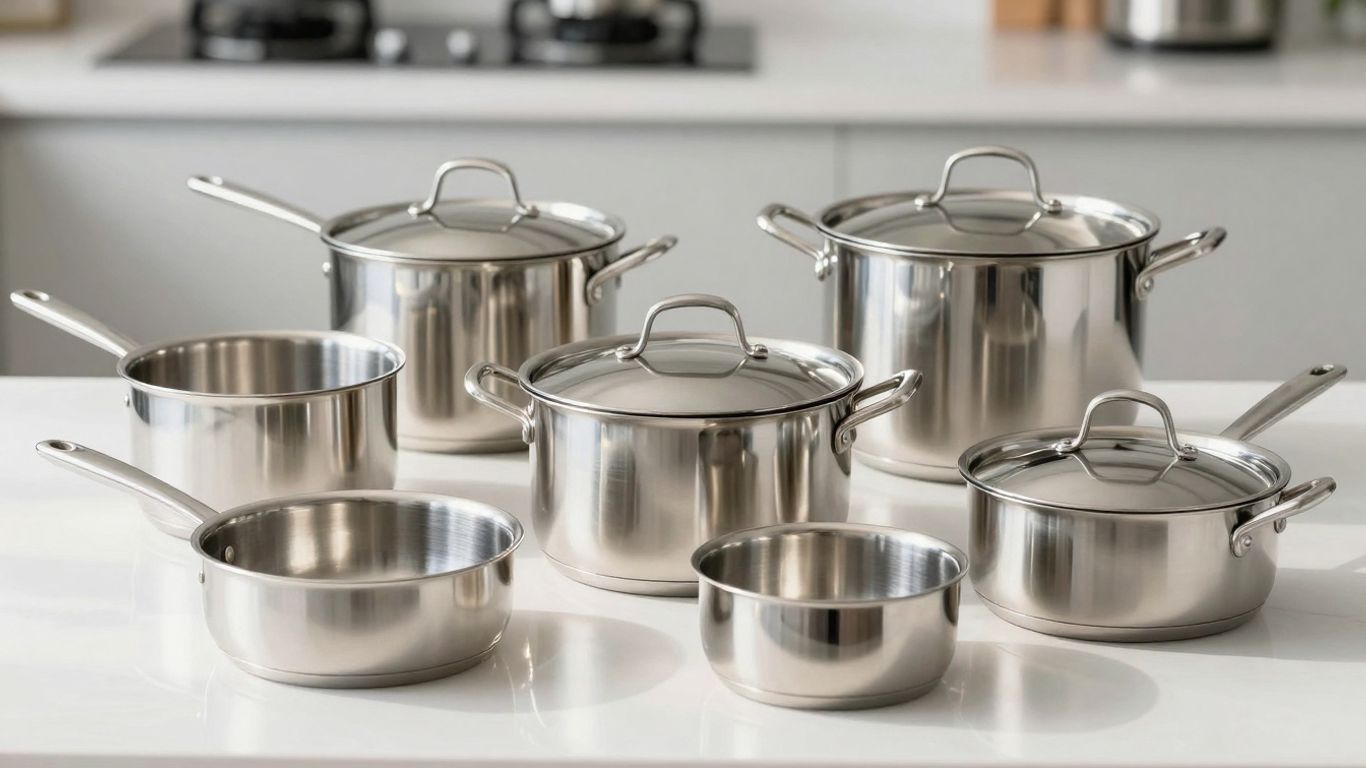
When you start looking for new pots and pans, you’ll notice there are a bunch of stainless steel options out there. It can feel a little overwhelming, but most of them fall into a couple of main categories. Knowing the difference can help you pick the right set for your kitchen.
All-Purpose Cookware Sets for Everyday Use
These are the workhorses of the kitchen. Think of a good all-purpose set as your go-to collection for pretty much everything you cook on a daily basis. They usually include a mix of saucepans, a stockpot, and a skillet or two. They’re designed to handle a wide range of cooking tasks, from boiling pasta and simmering sauces to searing meats and sautéing vegetables. The beauty of a well-chosen all-purpose set is its versatility, meaning you won’t need a ton of specialized pots and pans cluttering up your cabinets.
- Saucepans: Great for heating liquids, making sauces, and cooking smaller portions.
- Stockpot: Perfect for soups, stews, boiling large batches of pasta, or making stock.
- Skillets/Sauté Pans: Ideal for frying, searing, sautéing, and pan-roasting.
Distinguishing Between Brushed and Polished Finishes
Beyond the basic types, you’ll also see stainless steel cookware with different surface finishes. The two most common are brushed and polished.
- Brushed Finish: This has a matte look with a visible grain, kind of like satin. It’s pretty good at hiding fingerprints and minor scratches that can happen with regular use. If you’re not too worried about keeping your pots looking showroom-perfect all the time, a brushed finish is a practical choice.
- Polished Finish: This is the shiny, mirror-like finish you might associate with high-end cookware. It looks really sleek and can make your kitchen feel a bit more upscale. However, polished stainless steel shows smudges, fingerprints, and scratches much more easily. You’ll need to be a bit more diligent with cleaning and care to keep it looking its best.
While the finish is mostly about looks, it can also affect how food releases. A smoother, more polished surface might offer a slightly less sticky experience compared to a rougher, brushed one, though this is less of a factor than the pan’s construction itself.
When you’re picking out your cookware, think about how much time you want to spend on upkeep and what look you prefer. Both brushed and polished stainless steel perform well in terms of cooking, so it often comes down to personal preference and how you plan to use and care for your pots and pans.
Wrapping It Up: Your New Go-To Pots
So, picking out new stainless steel pots might seem like a lot at first, but really, it’s about finding what works for you. We’ve gone over the good stuff like how they’re built, how they heat up, and what makes them easy to use. Remember to think about the thickness, the handles, and if they’ll work on your stove. It’s not just about buying pots; it’s about getting tools that will make cooking more enjoyable for a long time. With a little care, these pans can be kitchen staples for years, maybe even decades. Happy cooking!
Frequently Asked Questions
What does ’18/10′ mean on stainless steel pots?
When you see ’18/10′ on stainless steel pots, it tells you about the metals used. The ’18’ means it has 18% chromium, which helps stop rust. The ’10’ means it has 10% nickel, which makes the pot stronger and look nicer. This mix makes the pots last a long time and work well for cooking.
Why is the thickness of the pot base important?
A thicker pot base is super important because it spreads heat evenly. This means your food cooks without burning in some spots and staying raw in others. It helps prevent those annoying hot spots that can ruin your meal.
What is ‘multi-ply’ construction?
Multi-ply construction means the pot is made of several layers of metal, usually with stainless steel on the outside and a heat-conducting metal like aluminum or copper in the middle. This layering helps the pot heat up quickly and evenly, making your cooking much better.
Are stainless steel pots safe to use?
Yes, stainless steel pots are very safe. They don’t have any special coatings that can chip off into your food, and they don’t release any harmful chemicals, even when heated up a lot. You can cook all sorts of foods, even acidic ones like tomato sauce, without worrying about weird tastes or health problems.
How do I keep my stainless steel pots looking good?
To keep your pots shiny, wash them with mild soap and a soft sponge after each use. For tough stains or to bring back the shine, you can use a paste made of baking soda and water, or a special stainless steel cleaner. Storing them carefully, perhaps with protectors between them, also helps prevent scratches.
Can I use stainless steel pots on an induction cooktop?
Many stainless steel pots work on induction cooktops, but not all. Induction cooking needs pots with a magnetic base. Always check the product details or look for a magnet symbol to make sure your pots will work on an induction stove before you buy them.